
 English
 中文简体
中文简体 Türk
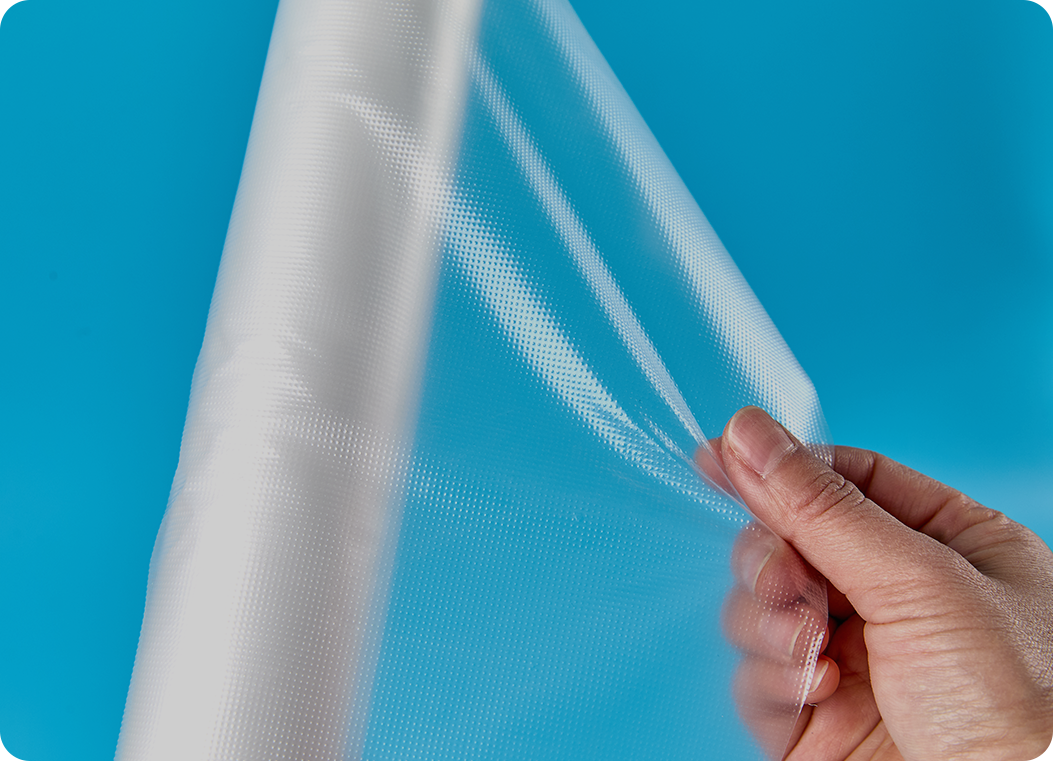
TürkEmbroidery hot-melt film is a thermoplastic adhesive layer placed between an embroidered badge, patch, or appliqué and the base fabric. Under heat and pressure, the polymer melts, flows into the fabric weave, and forms a permanent mechanical bond as it cools. The same material serves as a positioning layer during multi-head embroidery, holding fabric plies in register so needle penetration does not shift the design. Seemingly simple, the film's thickness, activation chemistry, and melt flow interact with every variable that determines bond quality.
Content
- 1 What Embroidery Hot-Melt Film Does Inside a Production Run
- 2 Three Specifications That Determine Embroidery Hot-Melt Film Performance
- 3 Matching the Film to Fabric Structure and End Use
- 4 Heat Press Variables That Control Film Bonding Results
- 5 Supplier Red Flags for Embroidery Hot-Melt Film Procurement
- 6 Frequently Asked Questions About Embroidery Hot-Melt Film
What Embroidery Hot-Melt Film Does Inside a Production Run
Embroidery hot-melt film performs two distinct jobs in a production workflow: it stabilizes the fabric stack during stitching, and it creates the permanent adhesive bond when a badge or patch is heat-pressed onto a finished garment.
In the stabilizing role, the film sits beneath the embroidery area or between fabric plies, suppressing the shifting and puckering that cause registration errors on multi-head machines. In the bonding role, the film is pre-laminated to the back of a patch during manufacturing. The end customer positions the patch, applies heat and pressure for a specified dwell time, and the adhesive melts and anchors the design to the fabric.
This dual function replaces spray adhesives and wet glues, which dry unevenly, leave tacky residue on needles and threads, and add 20–40 minutes of drying time for every batch. A correctly specified film eliminates the drying step, reduces rework from fabric movement, and produces cleaner edges on laser-cut patches. For a line running 200 dozen patches per day, the production time saved is measured in hours, not minutes.
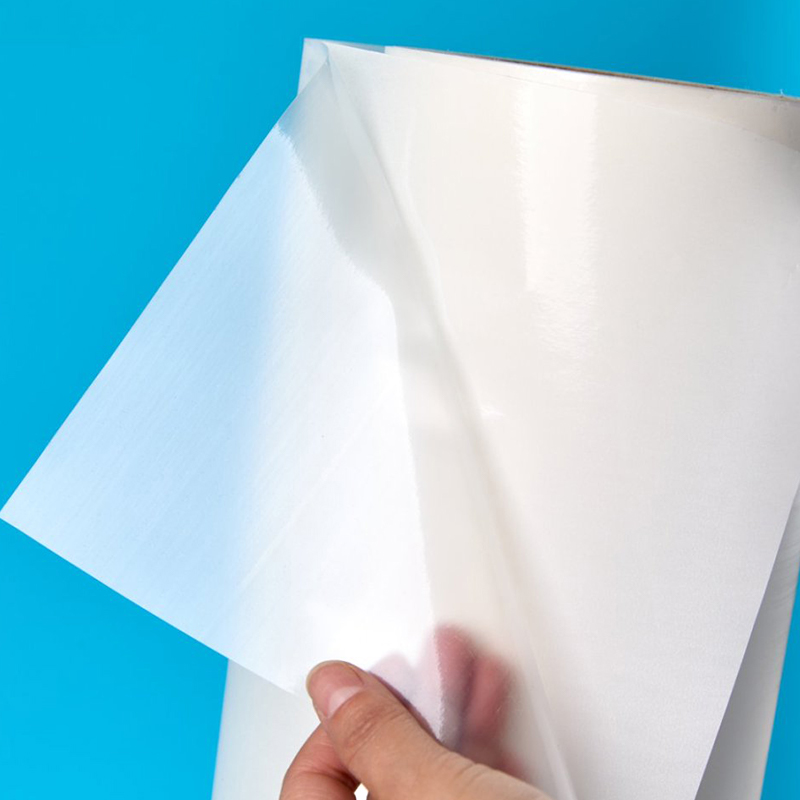
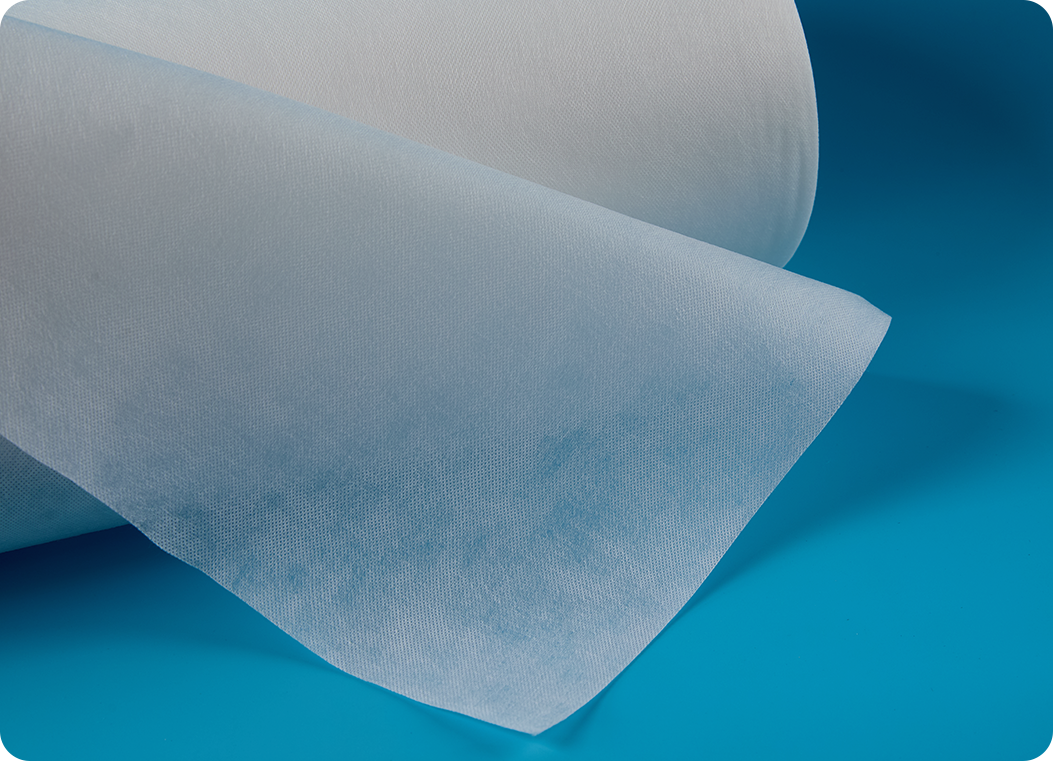
 Embroidered Hot Melt Adhesive Film for Fabric BondingThis low-temperature hot-melt film suits high-standard embroidery on fabrics and children's clothing, with no formaldehyde or residue. It replaces spray adhesives and wet glues, saving drying time and improving edge quality on laser-cut patches.View Product →
Three Specifications That Determine Embroidery Hot-Melt Film Performance
Thickness, activation temperature, and melt flow rate are the three variables that decide whether an embroidery hot-melt film bonds cleanly, bleeds through, or fails to anchor to the fabric at all.
Thickness controls the adhesive volume available to fill surface gaps. A 60–80 μm film works on flat, tightly woven fabrics where the bond line only needs to bridge microscopic roughness. A 120–150 μm film suits textured knits, fleece, and brushed backings, where the adhesive must penetrate deeper into the structure. Films above 150 μm are reserved for heavy materials, but every additional micron raises the risk of show-through on lightweight garments.
Activation temperature defines the heat window in which the polymer transitions from a solid sheet to a flowing adhesive. PO (polyolefin) films activate at 80–110°C, useful for heat-sensitive synthetics. TPU (thermoplastic polyurethane) films activate at 120–150°C and combine strong bonds with elastic recovery. PA (polyamide) films activate at 130–160°C and deliver the highest bond strength to nylon and coated fabrics. Because a controller setpoint can differ from the platen surface temperature by 10–40°C, every activation window must be confirmed with a probe measurement.
Melt flow rate, reported as melt flow index, controls how far the adhesive travels under pressure. High-flow grades wet out dense weaves quickly but can bleed through satin fields and thin edges. Low-flow grades stay where they are placed, which suits open-mesh and stretch fabrics, but they need sufficient pressure and dwell time to achieve full contact.
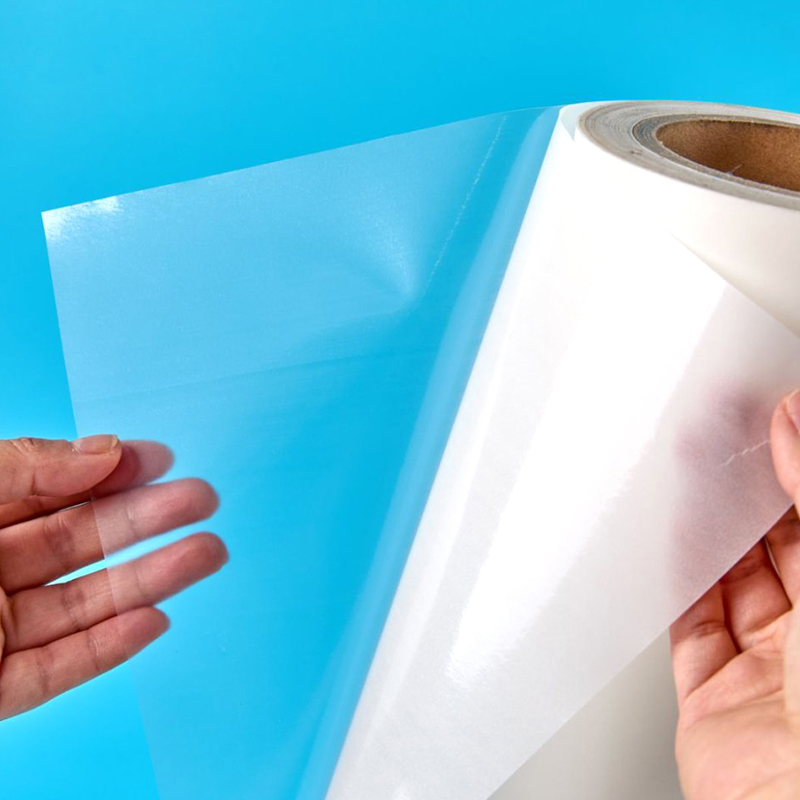
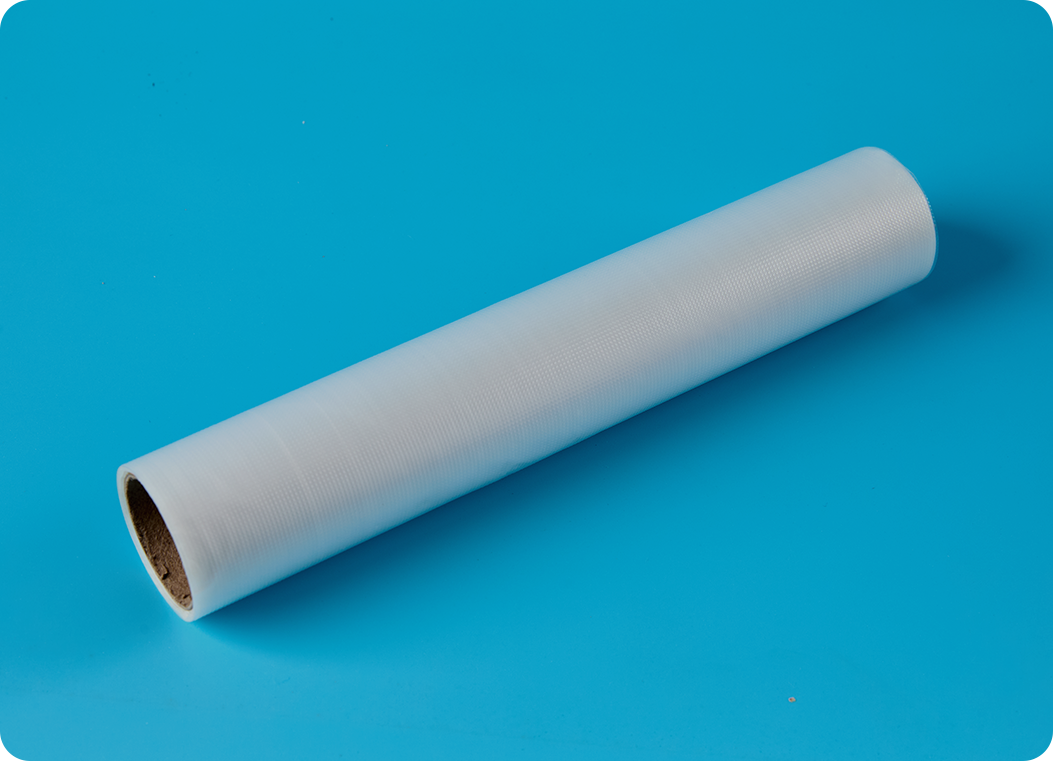
 PO Hot Melt Adhesive Film with Release Paper BackingThis two-layer PO film is non-tacky at room temperature and activates with heat and pressure for permanent bonding. It is aimed at embroidery patches, woven labels, and textiles, and its melt-flow behavior should be matched to fabric density and stretch.View Product →
| Property | PO film | TPU film | PA film |
| Activation range | 80–110°C | 120–150°C | 130–160°C |
| Bond strength | Moderate | High | Highest |
| Elastic recovery | Low | Excellent | Moderate |
| Wash resistance | Good | Excellent | Excellent |
| Best suited for | Cotton and polyester | Knit, stretch, sportswear | Nylon, coated fabrics, leather |
Need a deeper technical comparison of these chemistries? Read our detailed comparison of TPU, PA, and EVA hot-melt adhesive films for measured differences in bonding behavior.
Selection rule: use the widest activation window the fabric can tolerate. A film with a 130–160°C window is more forgiving of press drift than one with a 135–140°C window, and it lowers the risk of cold spots at the platen edges.
Matching the Film to Fabric Structure and End Use
Fabric weave density, elasticity, and surface energy determine which film thickness, chemistry, and flow grade will create a durable bond without visual defects.
Lightweight knits such as single jersey and interlock polo fabric demand a thin, low-flow TPU film in the 60–80 μm range. Low flow prevents the adhesive from wicking up through the knit, while TPU's elastic recovery keeps the bond intact when the garment stretches. A 120 μm PO film on a lightweight knit creates a visible edge outline after pressing and cracks after a few wash cycles.
Tight woven fabrics, including twill, denim, and nylon shell materials, need more adhesive volume because closely packed yarns leave less room for the melt to anchor. A 100–120 μm PA or TPU film with medium flow, activated at 145–155°C for 10–12 seconds, provides the strongest mechanical lock. PA is preferred when the base fabric is itself polyamide or has a water-repellent finish.
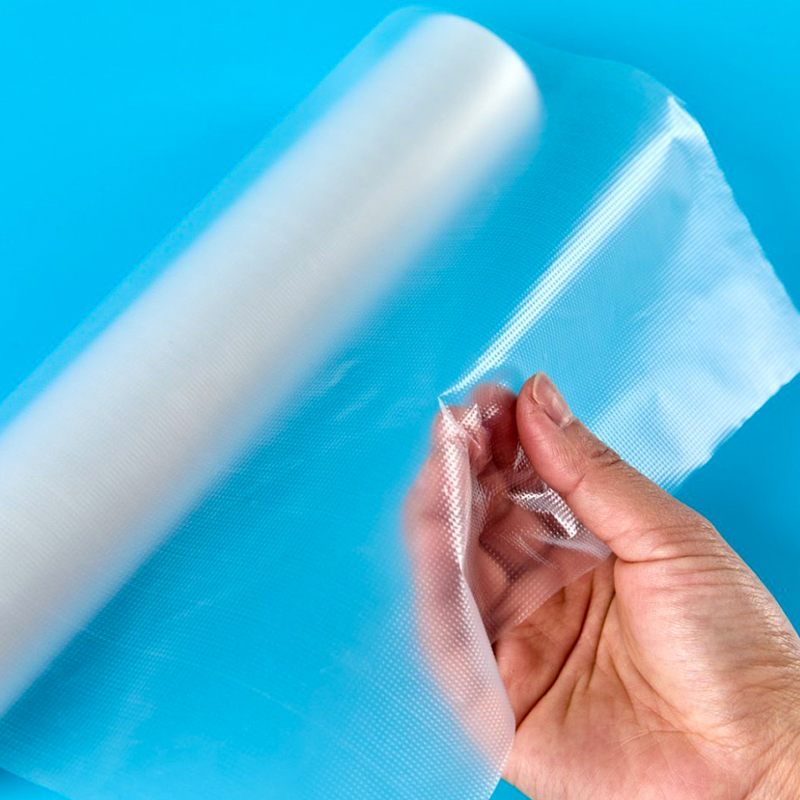
Stretch synthetics and elastic trims require TPU chemistry. PO films do not recover after elongation; they develop permanent creases and lose adhesion along the crease line. A 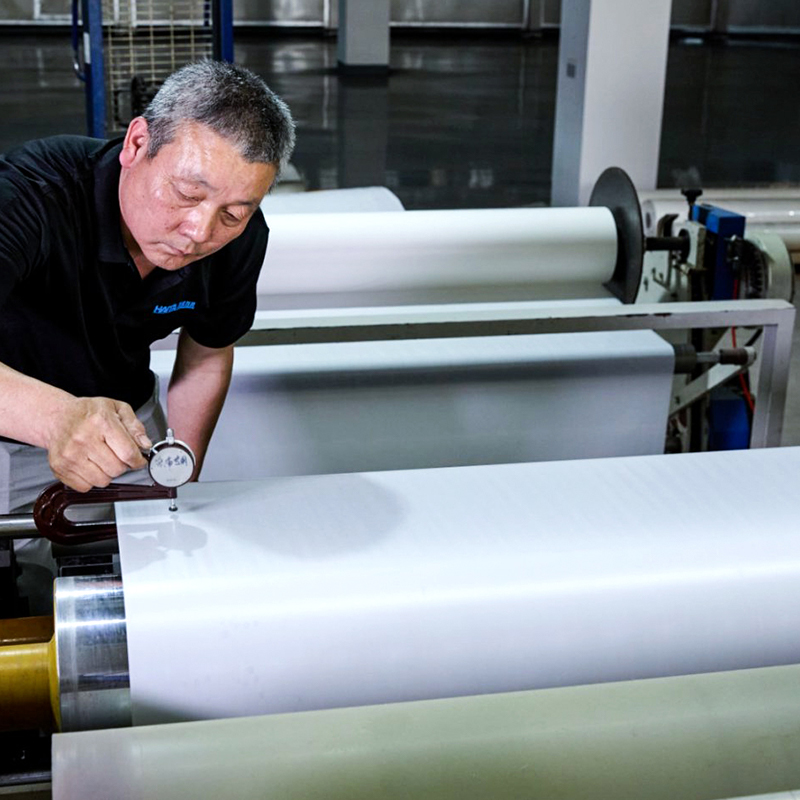 TPU Hot Melt Adhesive Film with Elasticity and Water ResistanceDesigned for stretch synthetics and elastic trims, this TPU film offers excellent elasticity and water resistance for seamless underwear, shoe materials, and reflective fabrics. Its low-to-medium flow balances bond strength with recovery.View Product → in the 80–100 μm range with low-to-medium flow balances elasticity with bond strength.
Lightweight knits
Tight woven fabrics
Stretch synthetics
For a systematic walk through each film family, our embroidery hot-melt film types and uses guide covers the full selection range with application examples.
Verification rule: press one sample on the actual garment before committing the batch. Washing a single sample through three home-laundry cycles at 40°C reveals more about film suitability than any datasheet chart.
Heat Press Variables That Control Film Bonding Results
Platen temperature, dwell time, and applied pressure are the three operator-controlled variables that determine whether a film reaches full activation, and the most common failure is trusting the controller setpoint.
A press that displays 150°C can deliver 170°C at the platen surface during a heating cycle, or 130°C at the edges of a cold pad. Measuring surface temperature with a calibrated probe at the start of each shift eliminates this variable. Treat the film's activation window as a process target, not a tolerance range to guess about.
- Probe the platen surface temperature at the start of every shift.
- Pre-press the garment for 2–3 seconds to remove moisture and surface wrinkles.
- Position the badge or patch and cover with a non-stick sheet.
- Press at the rated activation temperature plus 0–5°C for 8–12 seconds.
- Cool for at least 10 seconds before handling to avoid adhesive displacement.
Correction rule: if adhesive bleeds through to the top surface, reduce dwell time by about one-quarter before touching the temperature setting. Cutting temperature pushes the film below its activation threshold and produces a brittle bond, while a shorter dwell time keeps the melt inside its designed window.
Supplier Red Flags for Embroidery Hot-Melt Film Procurement
Inconsistent thickness tolerance, unverifiable datasheets, and absent inline monitoring are the three most reliable indicators that a film supplier will create problems on your floor.
- Thickness tolerance: hold ±5% across the roll width as the acceptance criterion. Measure the center and both edges with a micrometer; a center that is 30% thicker than the edges means the coating line has no profile control.
- Datasheet verification: ask for the DSC melting curve and the melt flow index. A supplier that cannot provide both is blending by recipe, not measuring film performance.
- Inline monitoring: producers running automated coat-weight monitoring deliver more consistent rolls than suppliers that rely on off-line lab checks. Ask about line-stop frequency and scrap rates in the previous quarter.
- Storage and shelf life: hot-melt films absorb humidity, which shifts the activation temperature. Sealed rolls stored at 5–30°C have a documented twelve-month shelf life; opened rolls should be used within 30 days.
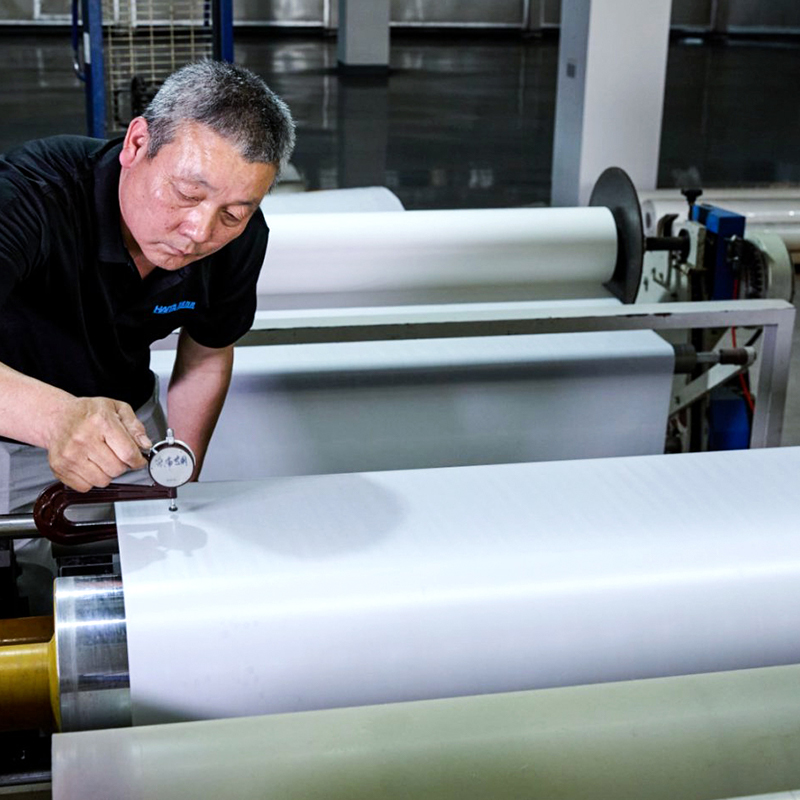
Manufacturers such as Anhui Haita New Material Technology Co., LTD. publish film specifications publicly, support sample press testing at customer parameters, and run inline thickness monitoring on coating lines. These are baseline practices for consistent embroidery hot-melt film supply, not premium extras.
Buying rule: a 10–15% price difference between film suppliers is small compared with the cost of one rejected embroidery batch. Validate the film with a sample pressing at your own parameters before ordering full rolls.
Frequently Asked Questions About Embroidery Hot-Melt Film
What temperature does embroidery hot-melt film activate at?
Activation depends on the film chemistry. PO films activate at 80–110°C, TPU films at 120–150°C, and PA films at 130–160°C. Verify the surface temperature of the press with a probe because the controller setpoint can be off by 10–40°C.
Can I use one film type for all fabrics?
No. Lightweight knits require a thin, low-flow TPU film to prevent show-through. Tight woven fabrics need a thicker film with medium flow to anchor in the weave. Stretch synthetics require TPU for elastic recovery. Using one film for all applications produces a mix of bleed-through and weak-bond defects.
Why does hot-melt adhesive bleed through my embroidered patches?
Bleed-through comes from excessive temperature, long dwell time, or high pressure relative to the film's melt viscosity. Reduce dwell time first, verify surface temperature with a probe, and press one test sample before running the full batch.
How should embroidery hot-melt film be stored?
Keep sealed rolls at 5–30°C, protected from humidity. Standard validated shelf life is twelve months. After the package is opened, the film absorbs moisture and its activation behavior changes, so use opened rolls within 30 days.