
 English
 中文简体
中文简体 Türk
TürkContent
Introduction to Adhesive Evolution
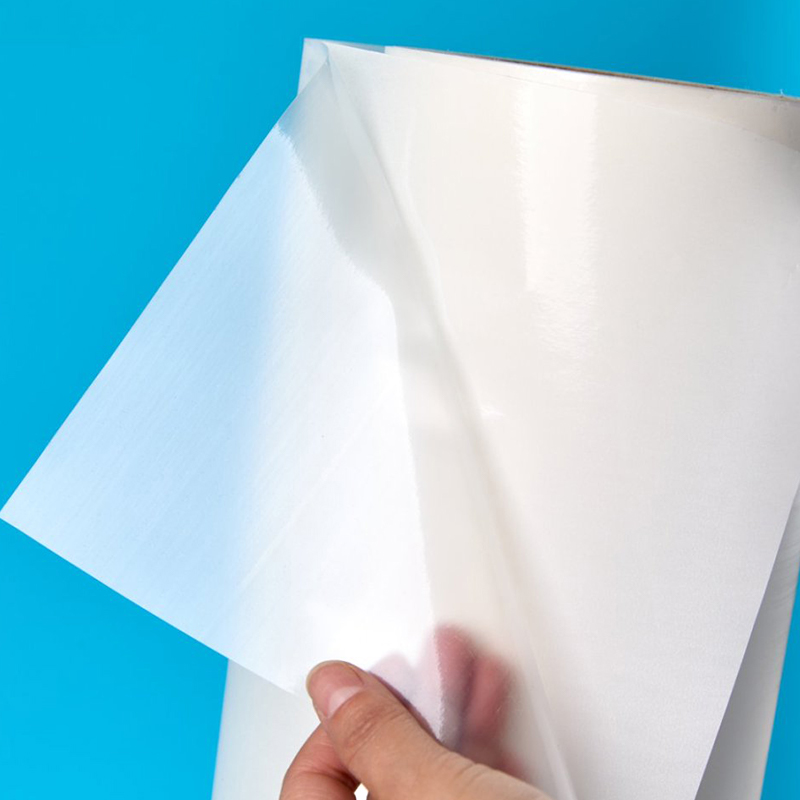
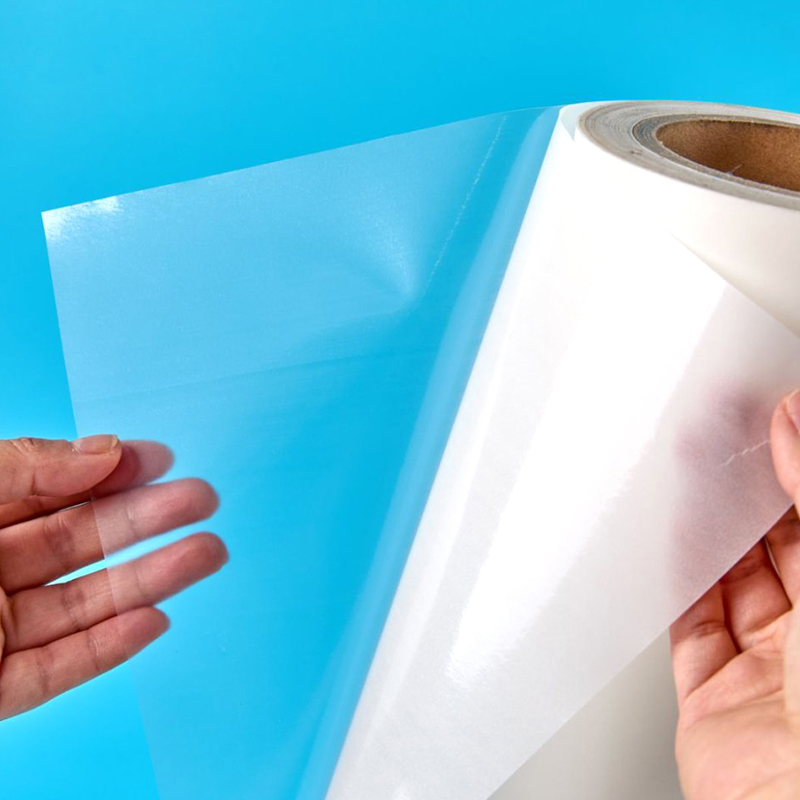
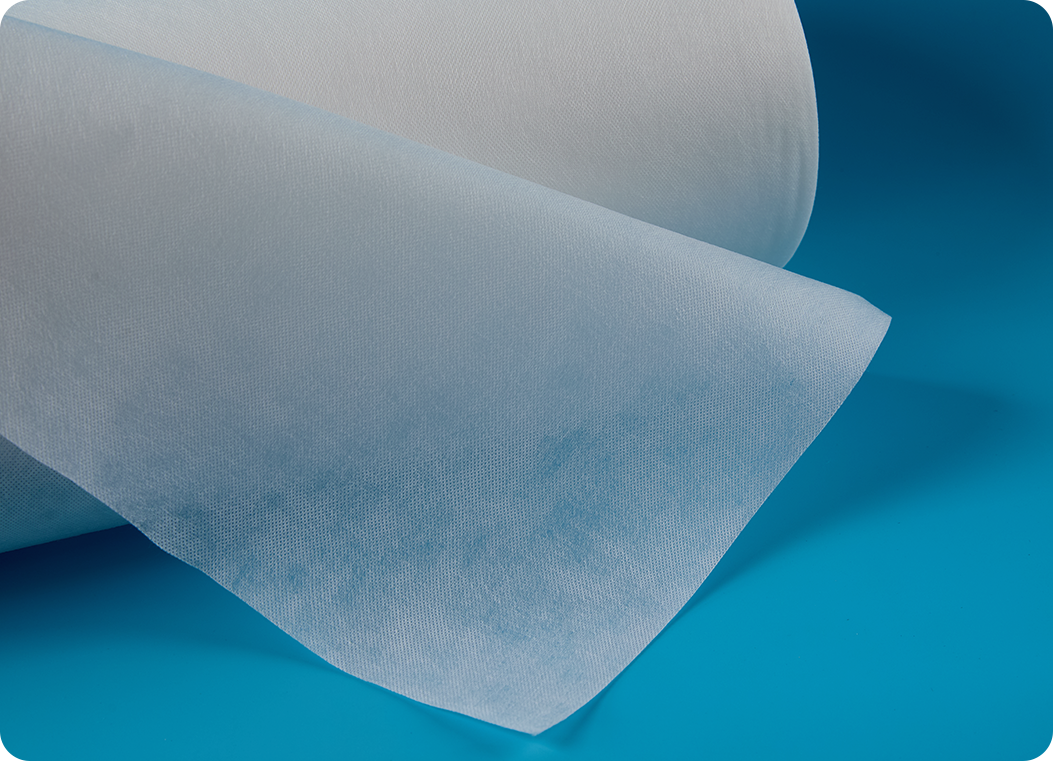
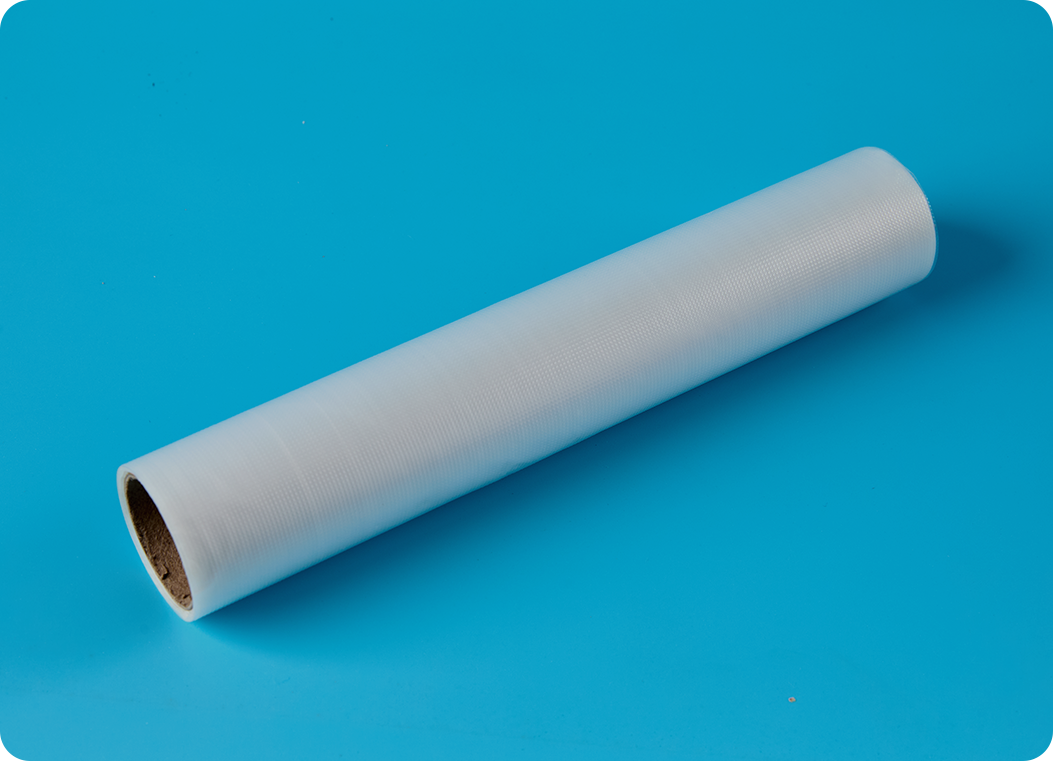
In the landscape of modern industrial manufacturing, the quest for precision, efficiency, and durability has driven a significant shift away from traditional liquid-based adhesives. Among the solutions leading this transformation is the hot melt adhesive film. Unlike liquid glues that require long curing times and volatile solvents, hot melt adhesive films provide a solid, pre-measured layer of adhesive that is activated through heat and pressure. This transition to solid-state bonding has revolutionized sectors ranging from automotive interior assembly to high-performance textile manufacturing.
Understanding the Polymer Backbone
To utilize these films effectively, one must understand the distinct chemical characteristics of the base polymers. The three most prevalent materials—Thermoplastic Polyurethane (TPU), Polyamide (PA), and Ethylene Vinyl Acetate (EVA)—each offer unique mechanical properties suited to specific environmental conditions.
| Property | TPU Film | PA Film | EVA Film |
|---|---|---|---|
| Elasticity | Excellent | Moderate | Low |
| Heat Resistance | High | Very High | Moderate |
| Chemical Resistance | High | Superior | Moderate |
| Common Use | Textiles, Sports Wear | Automotive, Industrial | Packaging, General Crafts |
Technical Deep Dive: TPU Films
Thermoplastic Polyurethane (TPU) films are celebrated for their exceptional elasticity and recovery properties. In industries where the bonded materials are subject to constant movement or stretching—such as performance apparel or footwear—TPU is the gold standard. Its ability to maintain a bond without becoming brittle ensures that the seam remains flexible throughout the product lifecycle.
Technical Deep Dive: PA Films
Polyamide (PA) films are the workhorses of heavy-duty industrial assembly. Known for their high melting points and chemical resilience, PA films excel in environments where the bond may come into contact with oils, fuels, or high operational temperatures. This makes them the primary choice for under-the-hood automotive components and structural bonding in electronics where thermal stability is a prerequisite for safety and function.
Technical Deep Dive: EVA Films
Ethylene Vinyl Acetate (EVA) films provide a balanced profile that makes them highly versatile for large-scale manufacturing. While they may not match the extreme heat resistance of PA or the high-impact elasticity of TPU, they offer excellent adhesion to a wide array of porous and non-porous substrates. Their lower activation temperature often results in energy savings during production, making them the most cost-effective solution for high-volume consumer goods packaging.
Selection Factors in Manufacturing
Choosing the correct film involves a multi-variable analysis. Engineers must first evaluate the surface energy of the substrates. Metals and glass, for instance, require different surface treatments and adhesive formulations compared to low-surface-energy plastics like Polypropylene or Polyethylene.
Furthermore, the thermal requirements of the end-use environment cannot be overstated. If a component is subjected to “thermal cycling”—the repeated expansion and contraction caused by temperature swings—the adhesive must possess a glass transition temperature that remains outside the operational range of the device. Failure to account for this leads to “creep,” a phenomenon where the bond gradually loses integrity under stress.
Process Engineering and Application
The successful integration of hot melt film requires precise control over three parameters: temperature, pressure, and dwell time. Unlike liquid adhesives, the film acts as a gap-filler, ensuring uniform bond thickness across the entire interface. This uniformity is critical for quality control, as it eliminates the weak points often found in manual glue application.
Environmental and Safety Standards
In today’s global supply chain, environmental compliance is not merely a preference but a mandate. Hot melt adhesive films are inherently solvent-free, eliminating the release of Volatile Organic Compounds (VOCs) that are common in traditional liquid systems. This contributes significantly to a safer factory floor environment and reduces the cost of installing complex ventilation and solvent recovery systems.
Conclusion
The transition to hot melt adhesive films is more than a change in materials; it is an upgrade to a more sophisticated, cleaner, and more reliable manufacturing process. By understanding the unique strengths of TPU, PA, and EVA, manufacturers can engineer products that are not only stronger but also more durable and cost-effective. As we move further into an era of automated and high-precision assembly, the role of these advanced bonding films will only continue to expand.
FAQ
- What is the primary difference between thermoplastic and thermoset hot melt films?
Thermoplastic films (like TPU, PA, EVA) can be melted and reshaped repeatedly by heat, while thermoset films undergo a chemical reaction during curing, making them permanent and highly heat-resistant. - How do I determine which base polymer is best for my substrate?
The choice depends on the surface energy of your material and the end-use environment. For example, use PA for oil/chemical resistance, and TPU for high-stretch applications like textiles. - Can hot melt adhesive film be used on low-surface-energy plastics?
Yes, but it often requires specialized formulations or surface treatments such as corona or plasma treatment to achieve a lasting bond. - What are the key parameters to control during the bonding process?
The three pillars of success are temperature, pressure, and dwell time. All three must be optimized to ensure the film fully wets the substrate surfaces. - Does the storage temperature of the film affect its performance?
Yes, films should be stored in a cool, dry environment to prevent premature blocking (sticking together) or degradation of the polymer structure over time.