 English
 中文简体
中文简体 Türk
TürkA 600-bed hospital laundry processes roughly one tonne of contaminated surgical drapes and bed linen every day, and sorting that linen by hand is the highest-exposure step for infection-control staff. Medical soluble nonwoven fabric eliminates that step: soiled textiles are sealed in a water-soluble bag, the bag goes straight into the washer, and by the time the cycle reaches temperature, the bag has dispersed with no residue and no second sort.
Content
- 1 Medical Soluble Nonwoven Fabric: Material Structure and Dissolution Behavior
- 2 Where Soluble Nonwoven Fabric Reduces Risk in Medical and Hospital Use
- 3 Soluble Nonwoven Grades Compared: Temperature Windows and Fabric Weights
- 4 How to Source Medical Soluble Nonwoven Fabric: Batch Verification Checklist
- 5 Frequently Asked Questions About Medical Soluble Nonwoven Fabric
Medical Soluble Nonwoven Fabric: Material Structure and Dissolution Behavior
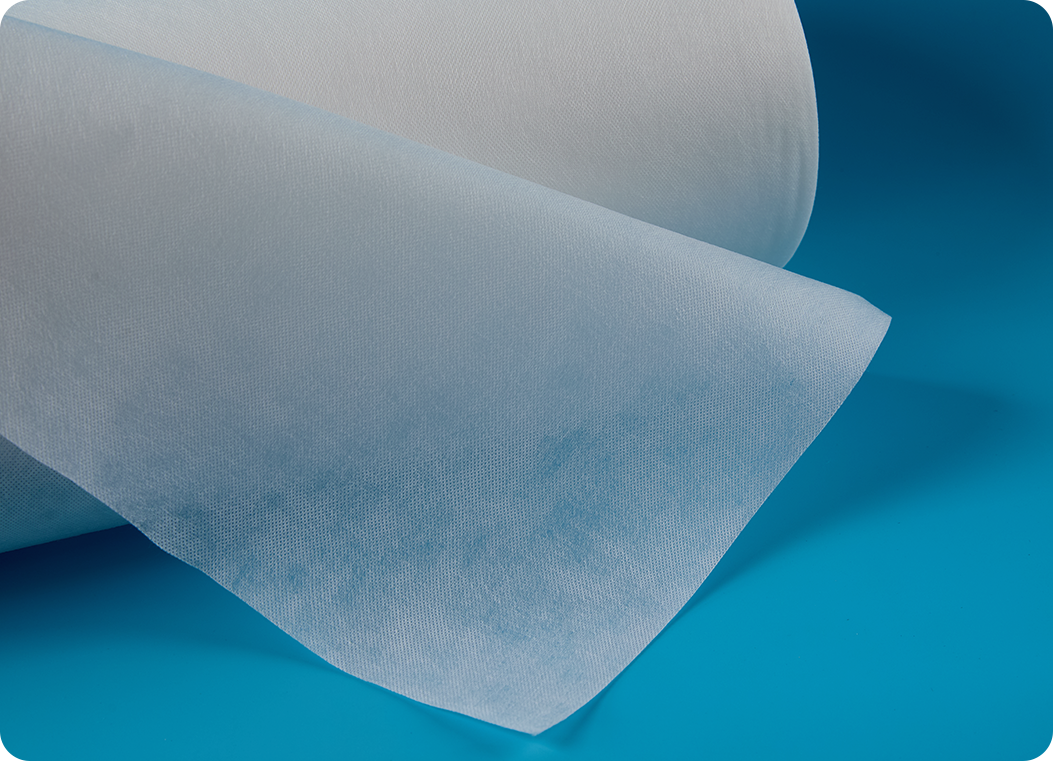
Medical soluble nonwoven fabric is a polyvinyl alcohol (PVA) nonwoven engineered to dissolve completely in water at a controlled temperature. The web is formed from PVA resin, a synthetic polymer whose hydroxyl groups attract and bond with water molecules. When the fabric meets water above its trigger temperature, the polymer chains separate, the web loses structural strength, and the sheet disperses into the wash stream.
Manufacturers tune the dissolution point during production by adjusting three variables: the degree of PVA hydrolysis, the plasticizer content, and the fabric's basis weight. A partially hydrolyzed web dissolves in cold water, which suits low-temperature laundry cycles. A fully hydrolyzed web holds its structure until the water reaches 40-70°C, which is exactly where hospital hot-wash cycles operate.
Dissolution temperature is the water temperature at which a soluble nonwoven sample loses wet tensile strength and disperses completely within the specified cycle time. It is the single most important specification for a medical laundry application.
Where Soluble Nonwoven Fabric Reduces Risk in Medical and Hospital Use
Soluble nonwoven fabric earns its place wherever manual handling of contaminated material can be replaced by a dissolve-away carrier. The measurable wins are fewer touchpoints, a smaller waste stream, and predictable release of textiles inside the washer.
- Contaminated linen containment bags: Used surgical drapes, sheets, and gowns are bagged at the point of use. The sealed bag enters the washer directly; at 60-90°C it releases the linen inside, so staff never sort soiled fabric by hand.
- Single-use dissolvable drapes and covers: Lightweight soluble sheets protect equipment or patient surfaces during transport, then dissolve in the decontamination cycle instead of entering a separate incineration stream.
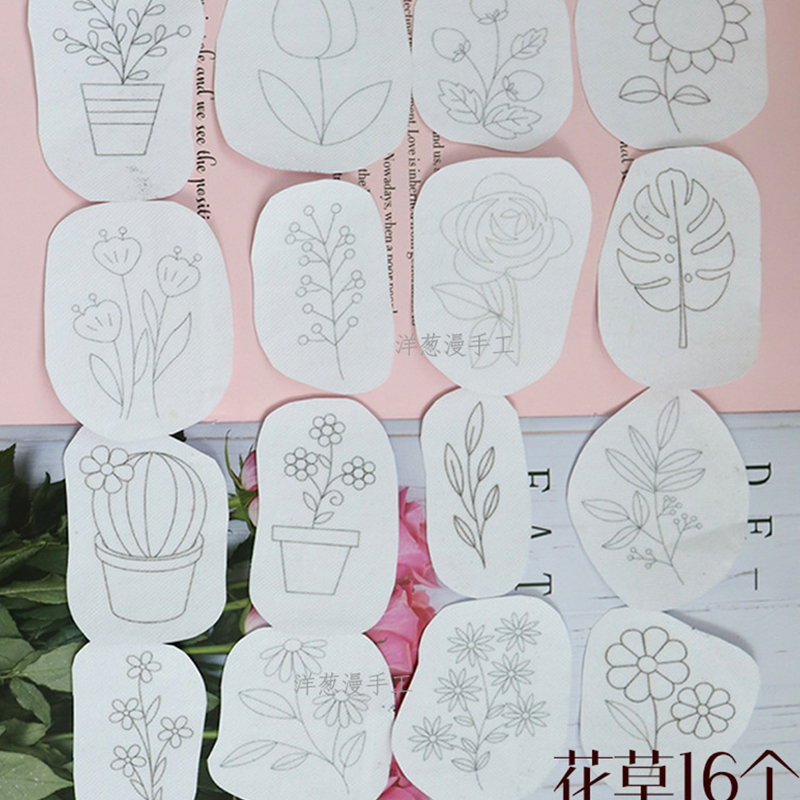
- Dissolvable backing for embroidered hospital textiles: Embroidered uniforms and bed linen use a water-soluble nonwoven backing that washes away cleanly, leaving no stiff residue against skin.
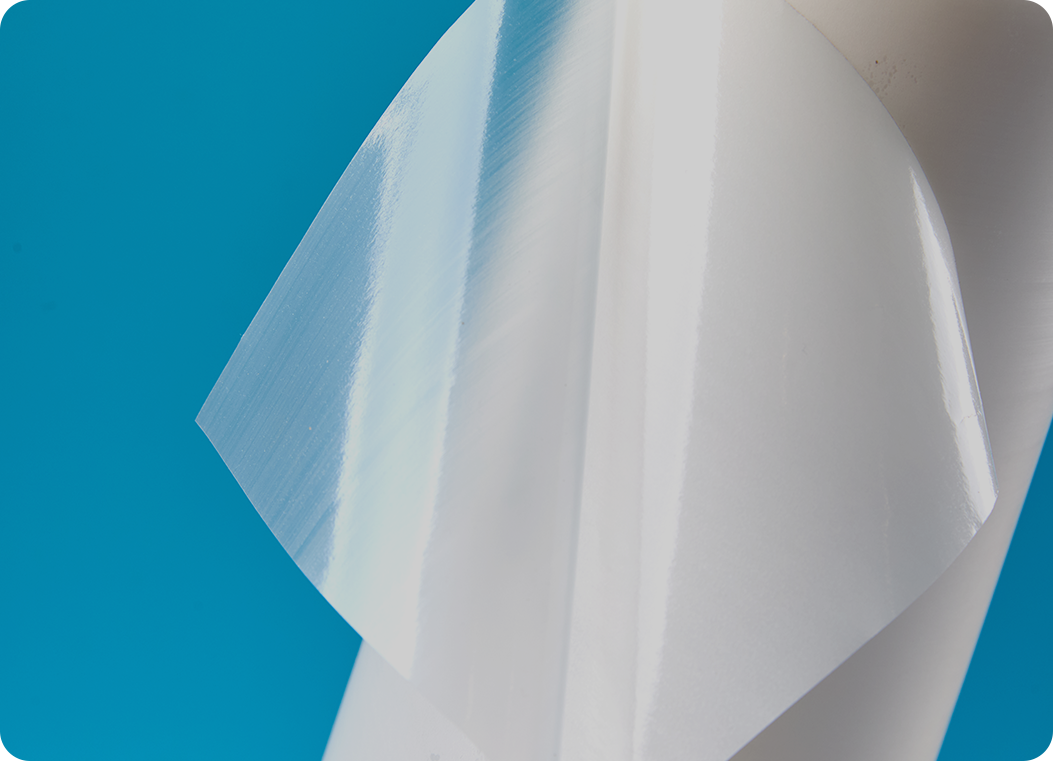
- Temporary fixation for dressings and device covers: Self-adhesive water-soluble nonwoven holds gauze, pads, or transparent film in place during application; the carrier releases on contact with water.
Bedside bagging, manual sorting, separate contaminated waste stream, high staff touchpoints, residual lint risk.
Bedside bagging only. Bag and linen go into the washer together. Bag dissolves in the hot cycle. No manual sort.
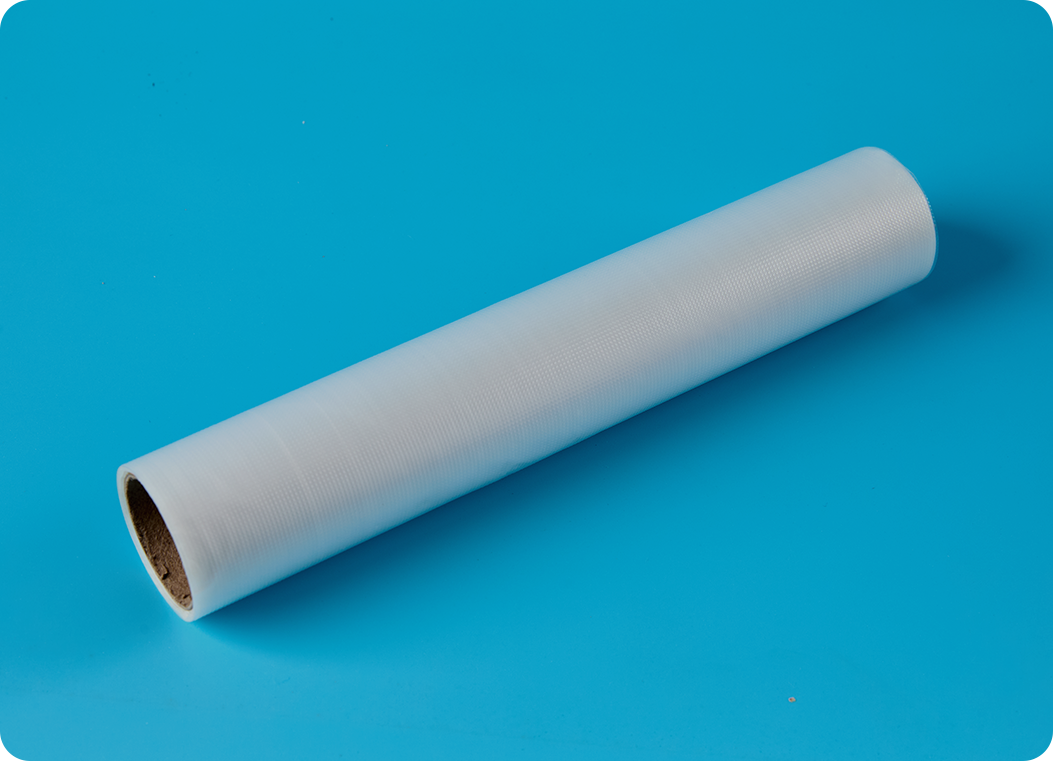
 Self-Adhesive Water-Soluble Nonwoven Fabric for Laundry BaggingThis water-soluble nonwoven fabric with self-adhesive backing dissolves in hot wash cycles, enabling bedside bagging and eliminating manual sorting at the laundry receiving area to reduce staff exposure.View Product →
Replacing a manual sorting step with a water-soluble containment bag changes the infection-control workflow at the point where staff exposure is highest: the laundry receiving area.
Soluble Nonwoven Grades Compared: Temperature Windows and Fabric Weights
Choose the grade by your wash cycle temperature, not by market habit. The dissolution trigger, not the brand name, is the specification that determines whether the fabric will work in your process.
| Grade | Dissolution window | Typical dispersion time | Basis weight range | Primary medical use |
| Cold-water soluble nonwoven | 10-25°C | 2-5 min at 20°C | 30-60 gsm | Cold-wash containment bags, dissolvable packaging. |
| Medium/warm water soluble nonwoven | 40-60°C | 1-3 min at 50°C | 35-70 gsm | Hospital hot-wash laundry bags, embroidery backing. |
| Low-temperature printing nonwoven | 30-45°C | 2-4 min at 40°C | 20-50 gsm | Water-transfer printing carriers for device surfaces. |
| Self-adhesive soluble nonwoven | 25-45°C | 1-2 min at 45°C | 40-80 gsm | Temporary fixation of drapes, gauze, and covers. |
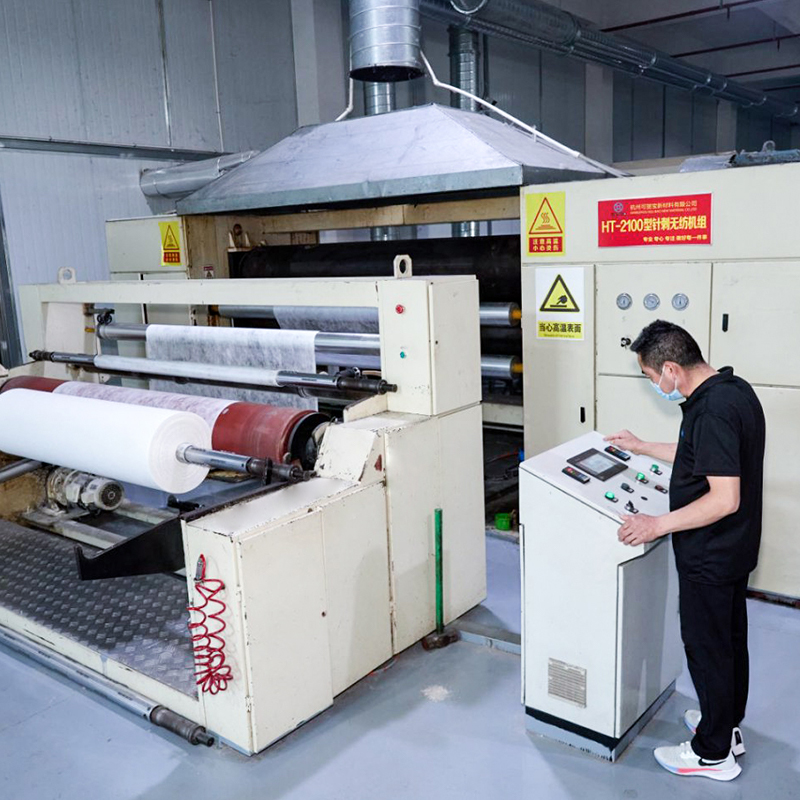 Cold Water-Soluble Nonwoven Fabric for Low-Temperature WashesDesigned to dissolve in room-temperature water, this fabric suits fabrics that cannot tolerate high heat. It is ideal for cold-cycle laundry or embroidery on heat-sensitive materials, with customizable specifications.View Product →
Dissolution speed also depends on water hardness, load size, and mechanical action in the washer. The same fabric that disperses in 60 seconds in a laboratory beaker may take longer in a fully loaded industrial machine, so always validate with a pilot batch.
Relative dissolution time index (100 = slowest dispersion) for a 50 gsm PVA web. Higher water temperature shortens the time to full dispersion.
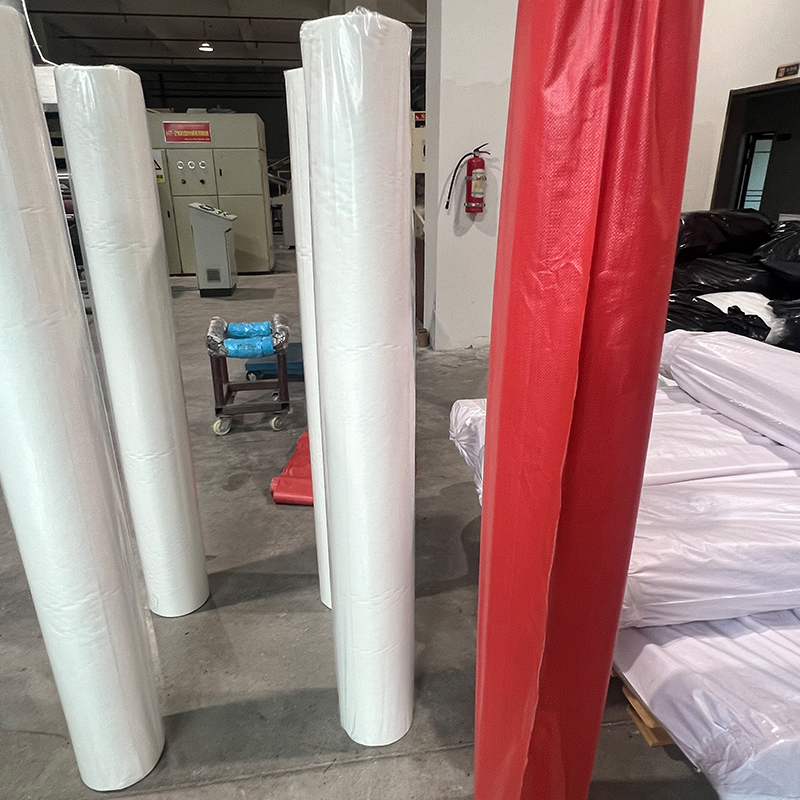 Medium-Warm Water-Soluble Nonwoven Fabric for Optimized DissolutionFormulated to disperse at moderate wash temperatures, this nonwoven dissolves reliably in cycles around 55°C, helping avoid residue that can occur with mismatched grades. Suitable for laundry and embroidery applications.View Product →
Practical consequence. A laundry running a 55°C cycle cannot substitute a grade designed for 70°C and expect the bag to disappear. The bag may only soften, then re-solidify on the linen, leaving a residue that complicates the wash.
How to Source Medical Soluble Nonwoven Fabric: Batch Verification Checklist
A dissolution datasheet tells you the intended temperature window, but field failures are almost always consistency failures across batches, widths, or storage conditions.
- Dissolve a 100 by 100 mm swatch at your actual wash temperature and filter the bath through a fine mesh. Any opaque residue means the grade or hydrolysis ratio is wrong for your cycle.
- Measure dry tensile strength and elongation on every received roll. Soluble nonwoven that tears during bag filling creates exactly the contamination risk the product is meant to prevent.
- Confirm the web weight profile across the roll width. A variation of more than 10 percent changes both dissolution time and bag burst strength.
- Request storage and shelf-life data. PVA nonwoven absorbs humidity, and humid storage shifts the dissolution curve upward.
- Ask whether the supplier can document lot traceability. For a medical claim, request the material safety data sheet and any biocompatibility documentation that applies to your region.
Anhui Haita New Material Technology Co., Ltd. has manufactured water-soluble nonwoven fabrics since 2003, operates in-house research and development equipment, and reports a daily production capacity of 500,000 square meters per product line.
Why capacity matters. A soluble nonwoven order for hospital laundry bags is measured in tons, not rolls. Suppliers with controlled raw-material dosing, in-house slitting, and traceable batch records can hold the dissolution curve constant across large deliveries.
Frequently Asked Questions About Medical Soluble Nonwoven Fabric
Is medical soluble nonwoven fabric safe for hospital wastewater?
PVA nonwoven converts to dissolved polymer chains in the wash bath and is biodegradable in properly managed wastewater environments. Confirm local discharge limits, because high-volume laundries should verify BOD and solids levels with their municipal authority.
How long does a soluble nonwoven laundry bag take to dissolve?
At 65°C wash water, a typical 40 gsm bag disperses in 60-90 seconds under normal mechanical action. Cold-water grades take longer, usually 2-5 minutes at 20°C, which is why grade selection must match the wash cycle.
What is the difference between cold-water and medium-warm soluble nonwoven?
The trigger temperature. Cold-water grade dissolves below 25°C for cold-wash and low-temperature processes, while medium-warm grade keeps its structure until 40-60°C, making it suitable for hospital hot-wash cycles that would destroy cold-soluble bags prematurely.
Can soluble nonwoven fabric be used directly on wounds?
Most commercial grades are designed for containment, fixation, and process use, not primary wound contact. If a wound-contact application is intended, request biocompatibility documentation from the manufacturer and validate the specific grade under your clinical protocol.