 English
 中文简体
中文简体 Türk
TürkContent
Embroidery Hot Melt Adhesive Films Bond Instead of Dissolve
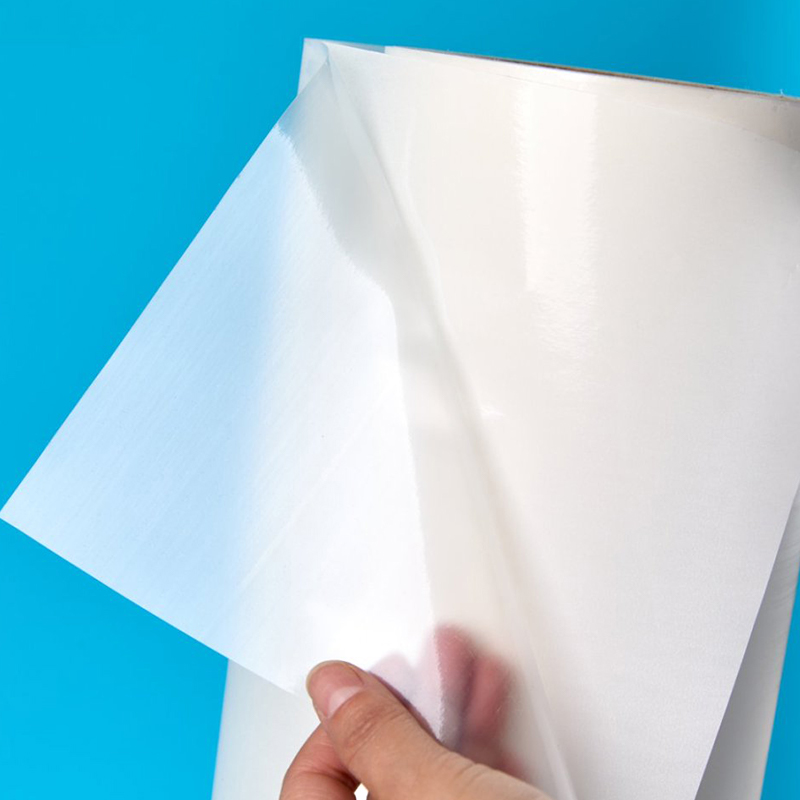
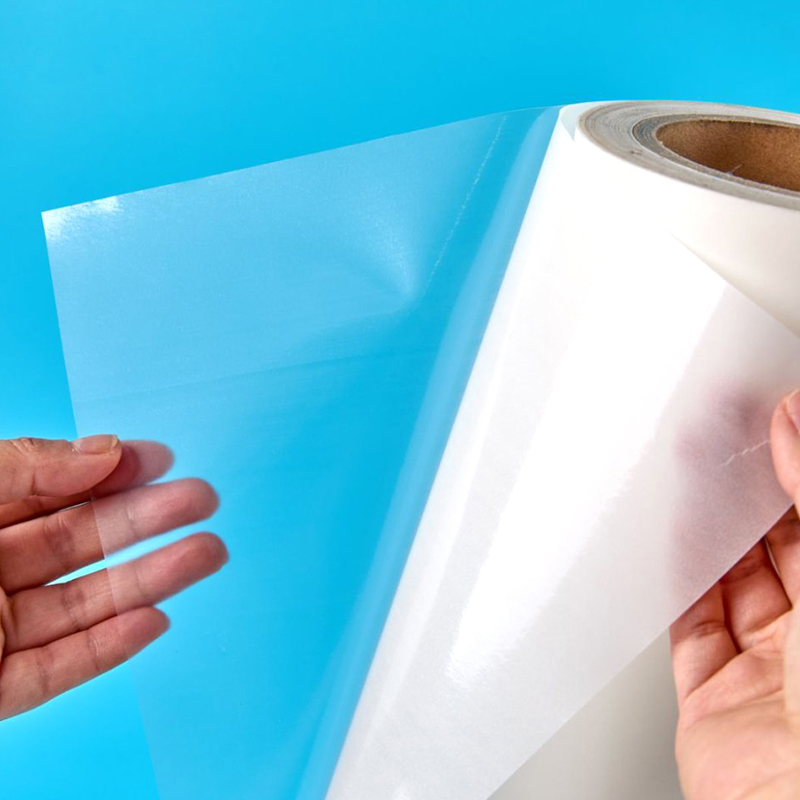
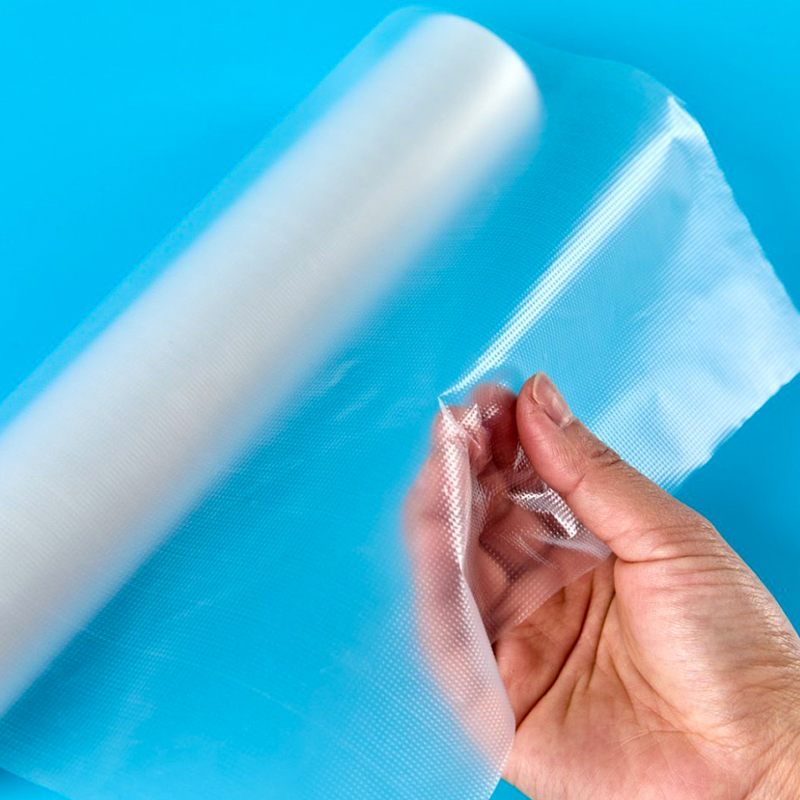
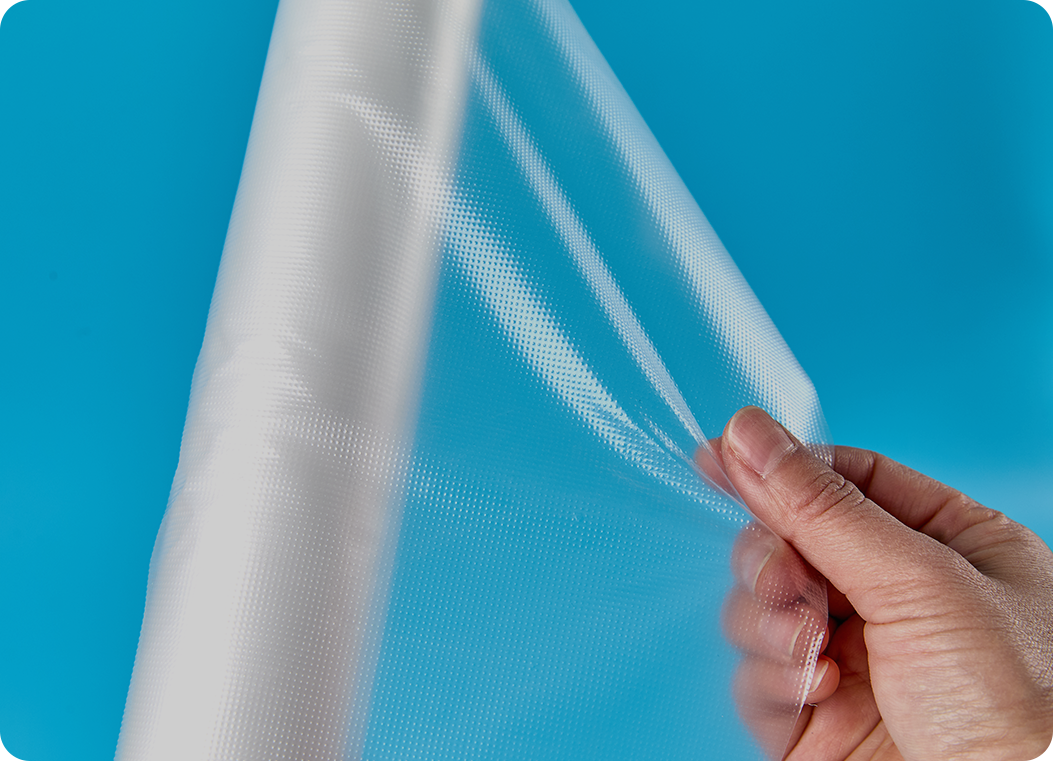
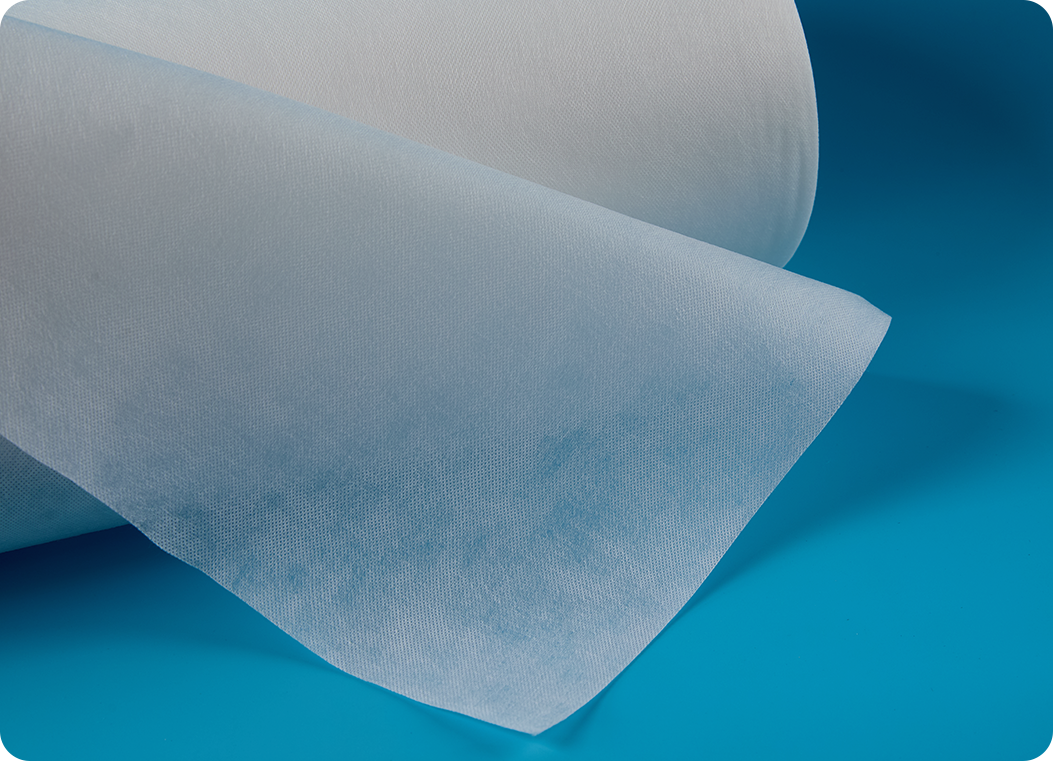
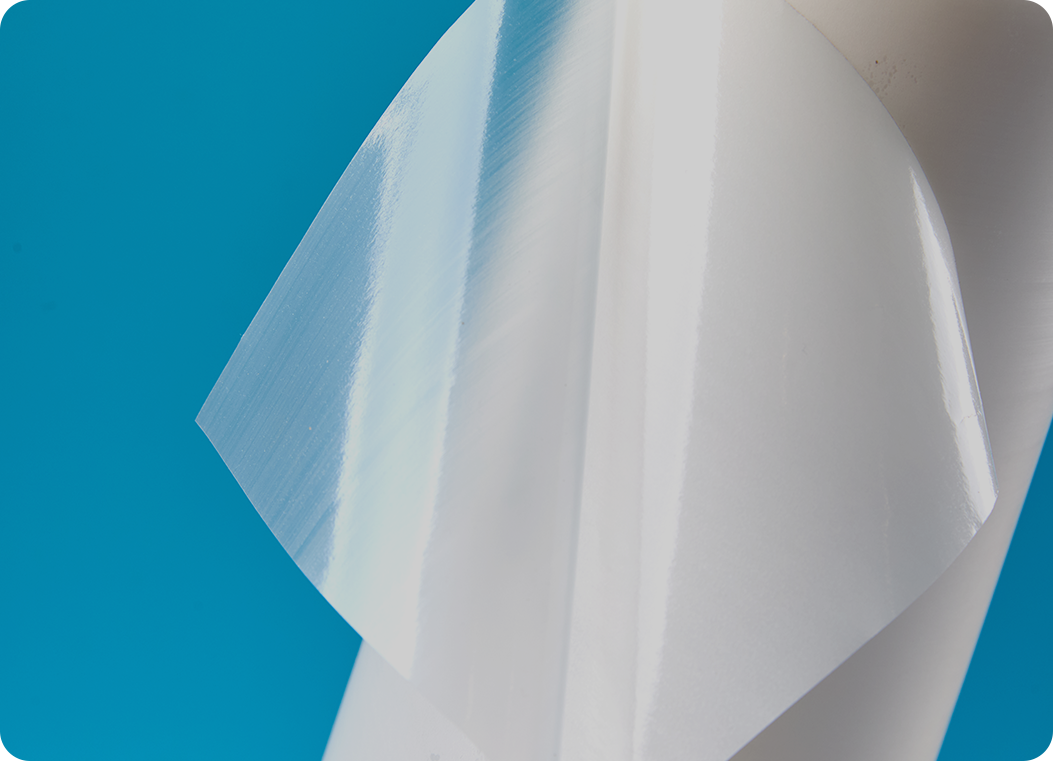
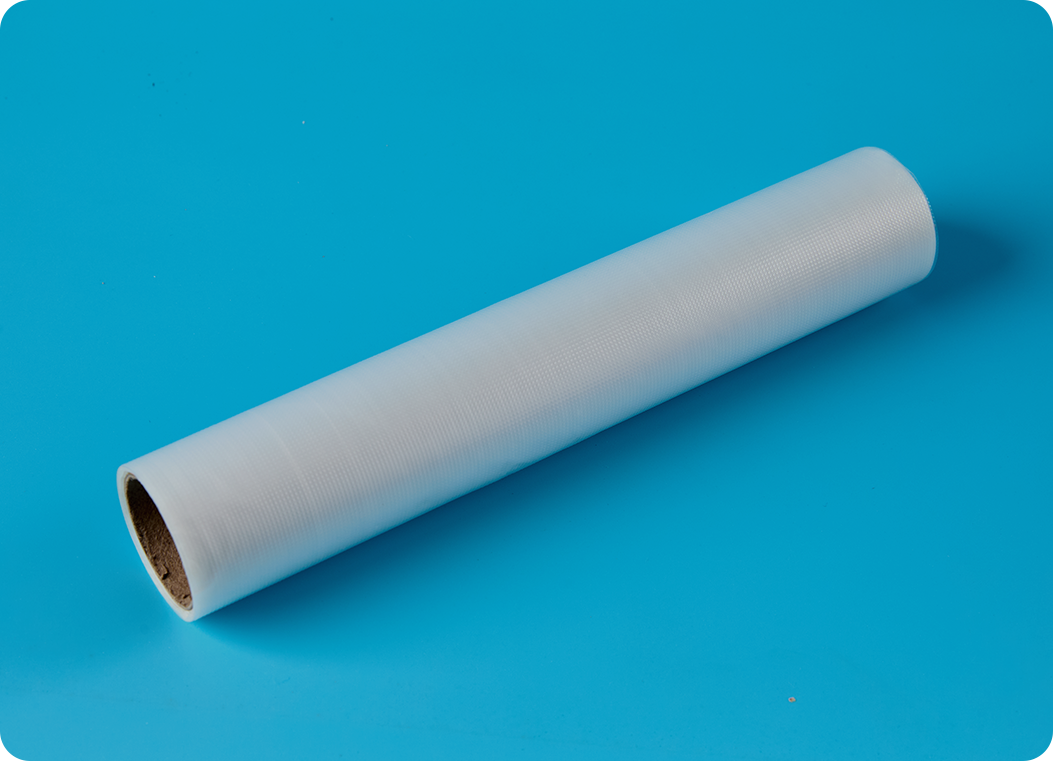
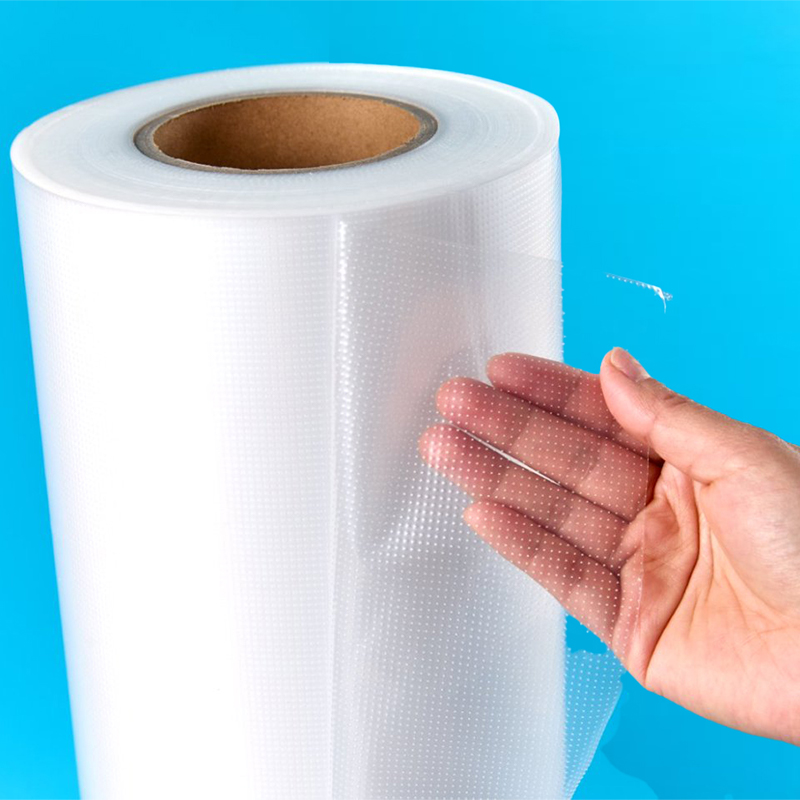
Unlike water-soluble backings that disappear after stitching, embroidery hot melt adhesive films work through permanent thermoplastic bonding. The film is placed against the fabric and activated with a heat press, at which point it fuses directly into the base material rather than washing or dissolving away. This creates a lasting bond that stabilizes the stitched design from underneath, which is why hot melt film has become the preferred backing for embroidery that needs to survive years of regular washing without the stitching loosening or the pattern puckering.
The tradeoff for this durability is process complexity: applying the film requires a heat press step before embroidery begins, which adds a setup stage compared to simply hooping a tear-away or cut-away backing. For high-volume production runs, that upfront step is usually offset by lower rejection rates and a cleaner finished edge once excess film is trimmed away after stitching.
Common Polymer Types and How They Differ in Practice
Not all hot melt adhesive films are built from the same base polymer, and the choice affects melting behavior, flexibility, and wash resistance. The most common types used across embroidery and textile lamination are PES, PA, EVA, TPU, and PO films, each suited to a slightly different combination of fabric type and end-use durability.
| Film Type | Key Characteristic | Typical Application |
|---|---|---|
| PES | Good elasticity, moderate melt point | General apparel embroidery backing |
| TPU | High elasticity and abrasion resistance | Sportswear, stretch fabrics |
| EVA | Low cost, low-temperature bonding | Woven labels, badge lamination |
| PO | Inherently waterproof, stable when wet | Outdoor apparel, medical fabrics |
Common hot melt adhesive film polymer types and where each is typically applied.
Beyond Embroidery: Where Else These Films Get Used
While embroidery backing is the most familiar use, the same bonding principle shows up across several adjacent applications. Conductive cloth lamination, flocking transfer, and woven label backing all rely on the same heat-activated bonding mechanism, just applied to different substrates. In technical apparel, hot melt film is used to laminate waterproof outer shells without stitching, since needle holes are the primary weak point for water seepage in sewn seams — a heat-bonded seam avoids that failure point entirely.
- Reflective trim and safety garment components, where fluorescent panels are laminated on rather than sewn to avoid puckering
- Multi-layer functional fabric lamination, bonding separate performance layers without compromising breathability or stretch
- Embroidered badges and woven labels, where film backing keeps edges flat and prevents fraying over repeated washing
What to Check Before Choosing a Supplier
Melting point and activation temperature range should be the first specs requested, since applying a film at the wrong heat press temperature either fails to bond properly or scorches delicate fabrics. Buyers should also confirm wash-fastness ratings, since garments intended for frequent laundering need a film formulated to resist repeated heat and moisture cycles without the bond weakening over time. Compatibility with the target fabric matters as well — a film that bonds cleanly to cotton canvas may not perform the same way on technical stretch fabric, so requesting a small trial batch before committing to a bulk order is a reasonable step for any new supplier relationship.