
 English
 中文简体
中文简体 Türk
TürkContent
- 1 What Is PV Water-Soluble Film? Polymer Basis and Definition
- 2 PV Water-Soluble Film Properties That Determine Performance
- 3 Primary Applications Across Four Industrial Segments
- 4 How to Select the Right PV Water-Soluble Film for Your Process
- 5 Sourcing and Quality Considerations
- 6 Frequently Asked Questions
What Is PV Water-Soluble Film? Polymer Basis and Definition
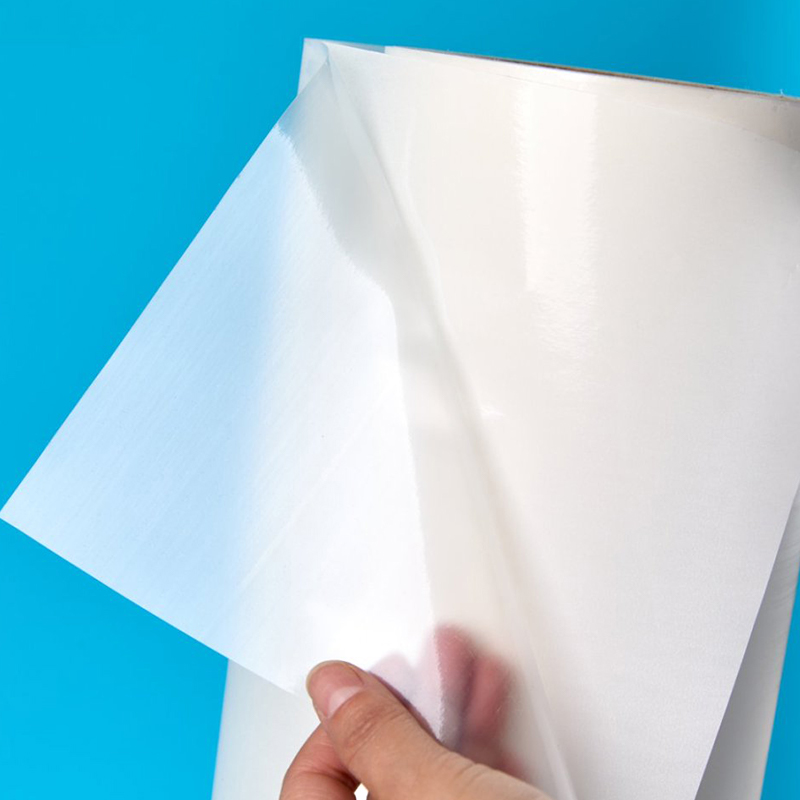
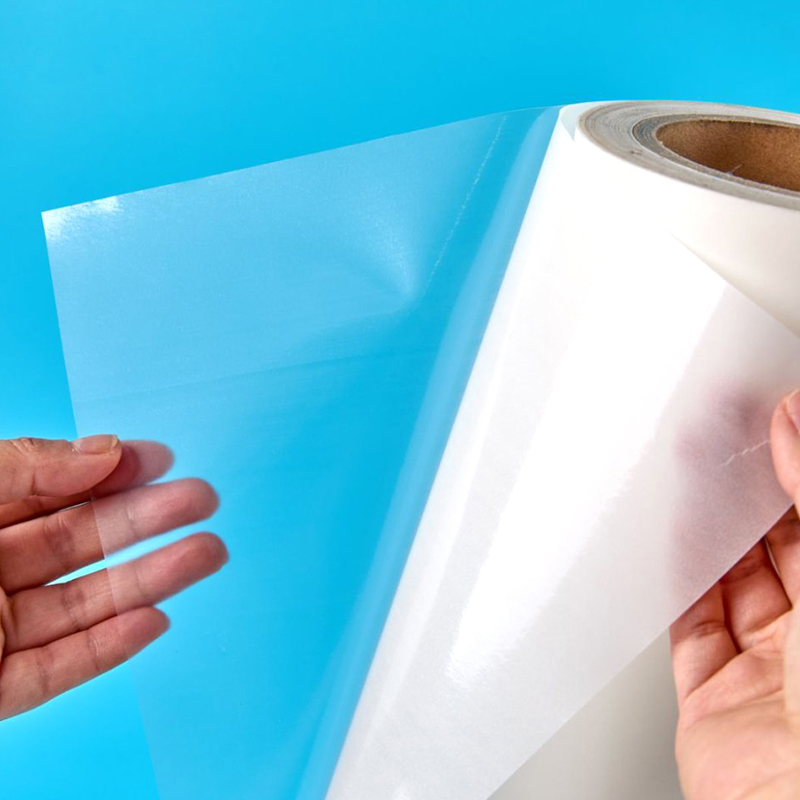
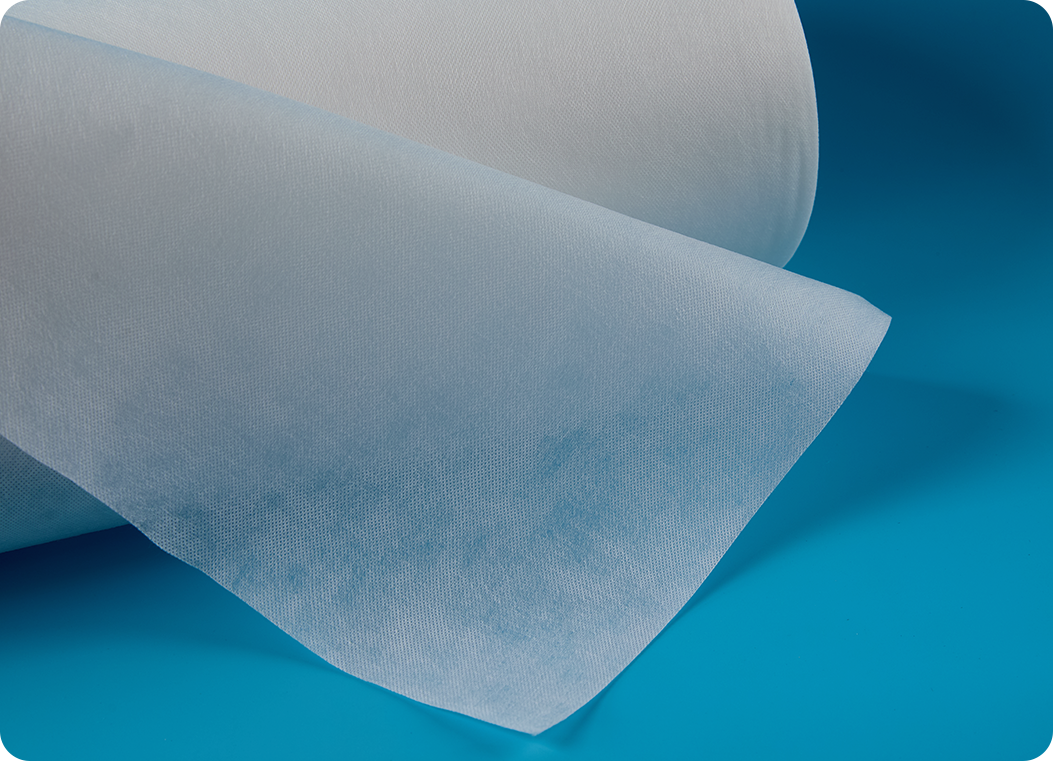
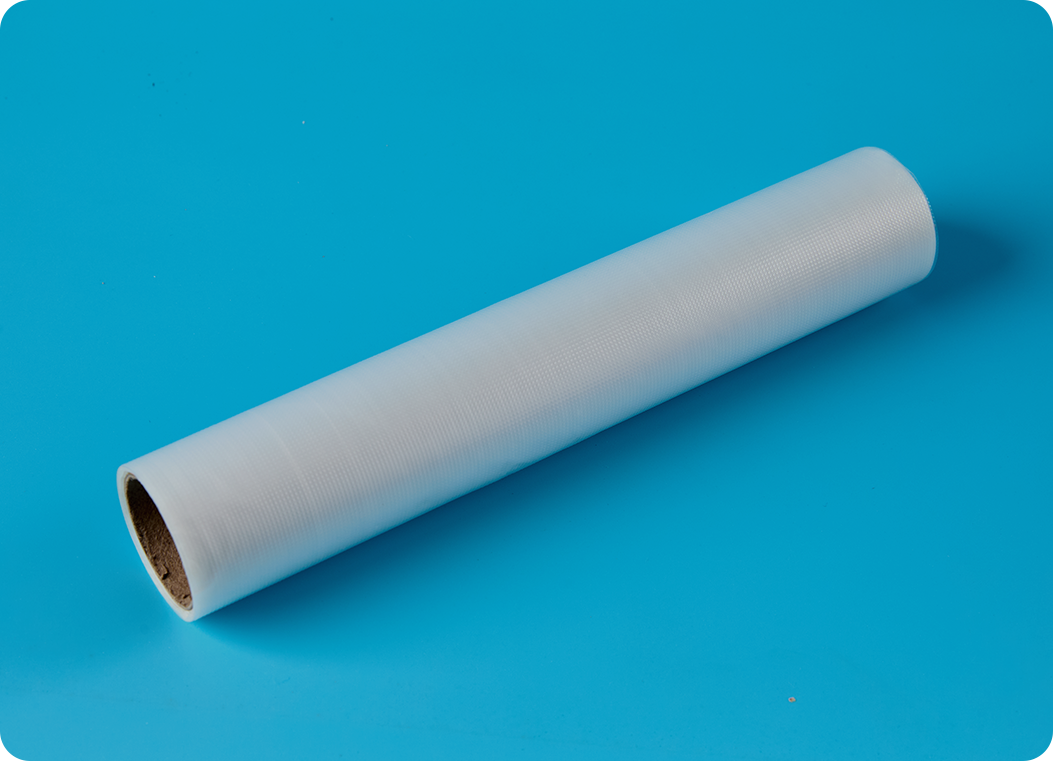
PV water-soluble film is a polyvinyl alcohol (PVA) based film engineered to dissolve in water at a specified temperature, typically between 4°C and 85°C depending on grade.
PVA is synthesised by hydrolysing polyvinyl acetate into a polymer chain lined with hydroxyl groups. Those hydroxyl groups form hydrogen bonds with water molecules, which is the chemical mechanism behind dissolution. The degree of hydrolysis controls the outcome: partially hydrolysed PVA retains acetate groups that limit crystallinity, so the film absorbs water and dissolves at cold temperatures, while fully hydrolysed PVA packs more tightly and requires hot water.
Manufacturers compound the base resin with plasticisers such as glycerol, release agents, processing aids, and sometimes colorants, then cast or blow the film to a finished thickness between 15 and 80 micrometers. Cast film lines produce the most uniform thickness, which matters for high-speed pouch sealing and consistent dissolution times.
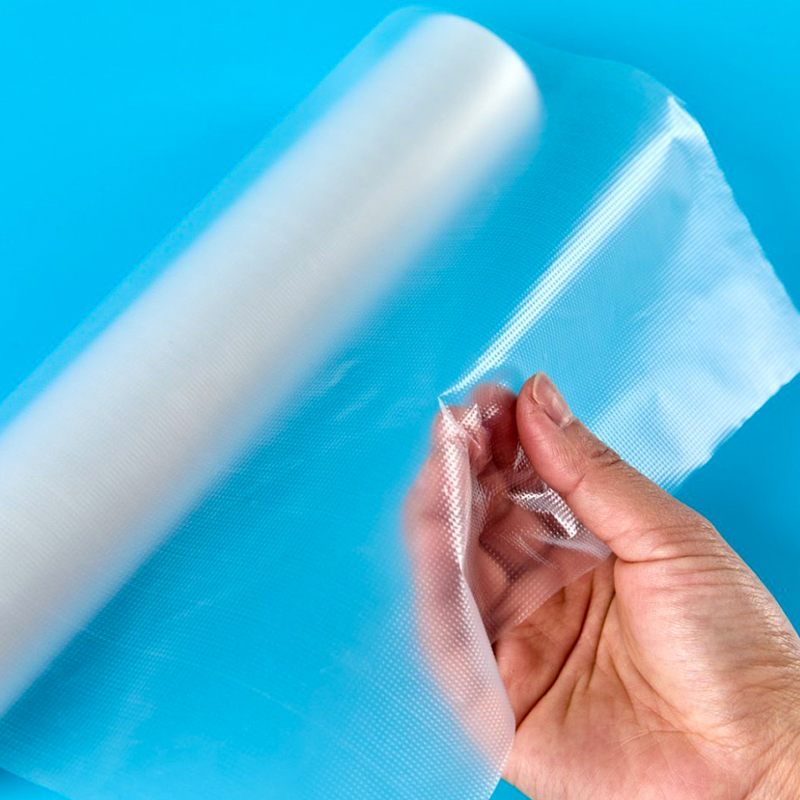
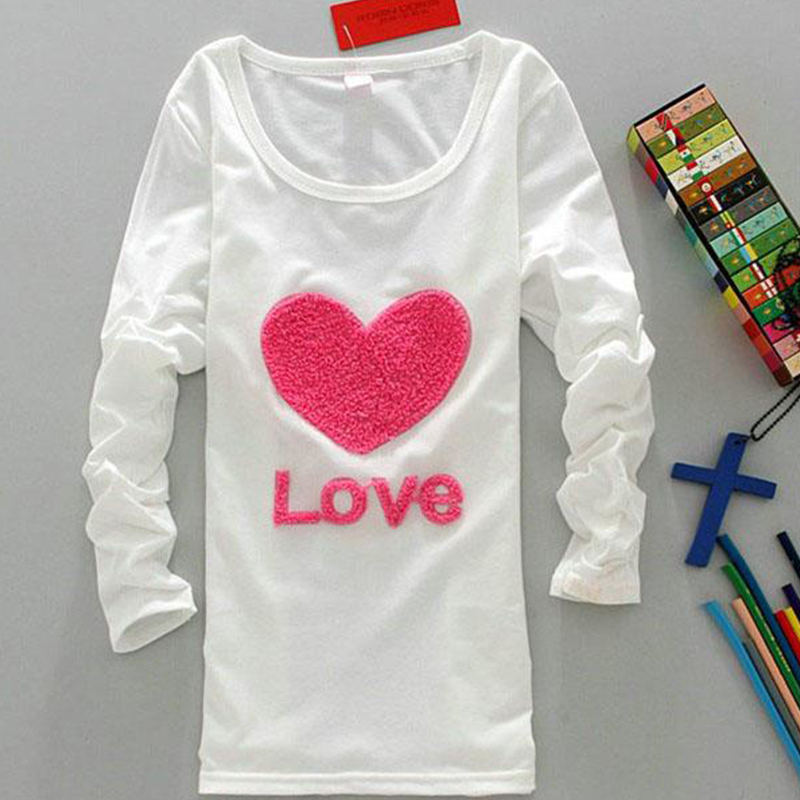 Cold Water-Soluble Film for Embroidery and PackagingThis film dissolves in room-temperature water within seconds, making it suitable for high-end embroidery, pesticide packaging, seed bags, and water transfer printing without exposing fabrics to heat.View Product →
PV Water-Soluble Film Properties That Determine Performance
Five measurable properties determine whether a PV water-soluble film grade fits your process: dissolution temperature, thickness tolerance, tensile strength, elongation at break, and heat seal strength.
Dissolution temperature is the first specification to lock down, because it directly dictates the end-user's water temperature requirement. Thickness tolerance matters for uniform seal formation and consistent visual quality on high-speed pouch machines. Tensile strength and elongation indicate how well the film will handle the mechanical stress of filling, sealing, and transport, and heat seal strength determines whether the pouch will open at the right moment in the wash cycle.
| Property | Cold-water grade | Medium grade | Hot-water grade |
| Dissolution range | 4–20°C | 30–50°C | 60–85°C |
| Typical thickness | 25–50 µm | 25–75 µm | 25–80 µm |
| Tensile strength | 25–35 MPa | 28–38 MPa | 30–40 MPa |
| Elongation at break | 150–300% | 180–320% | 200–350% |
| Common use | Laundry pods | Embroidery film | Water transfer printing |
When comparing datasheets, always check the test method behind the numbers. Dissolution time is meaningless without a stated water temperature and agitation rate, and tensile values differ between cast and blown film. A responsible supplier will publish both the standard and the measured figures.
Primary Applications Across Four Industrial Segments
PV water-soluble film serves four industrial segments: unit-dose detergent packaging, agrochemical containment, hydrographic transfer printing, and water-soluble bag conversion.
- Laundry detergent pods and dishwasher tablets: cold-water grades (4–20°C) that burst and dissolve within 60–120 seconds of contact with wash water.
- Agrochemical packaging: pre-measured pesticide or fertiliser doses enclosed in film that dissolves completely in the mixing tank, reducing operator exposure to concentrated chemicals.
- Hydrographic printing: hot-water grade film that carries printed patterns and dissolves after transferring the ink layer onto curved product surfaces.
- Hospital and industrial laundry: water-soluble bags that hold contaminated linens and dissolve during the wash cycle, so staff never handle the soiled contents.
Each application places a different weight on the same five properties. Detergent pods emphasise cold dissolution speed and seal integrity, hydrographic printing demands flatness and controlled residual ash, and laundry bags prioritise hot-water solubility and wet strength. For a more detailed selection walkthrough, read how to choose the right PV water-soluble film for packaging.
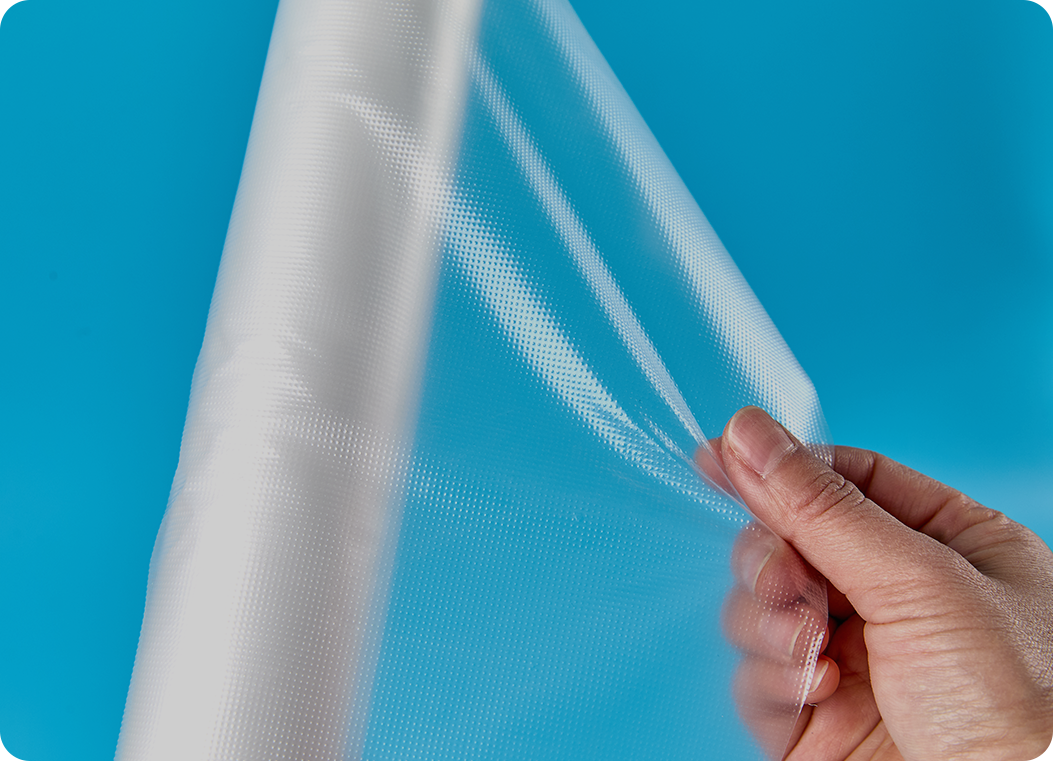
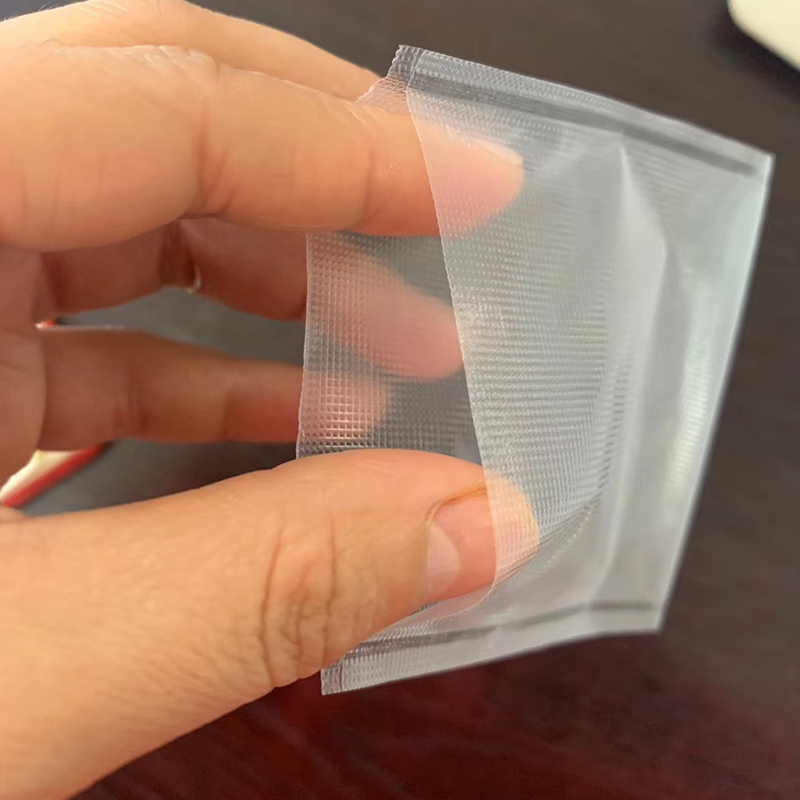 Cold Water Soluble PVA Bag for Detergent and Chemical PackagingThis biodegradable PVA bag dissolves in cold water and is ideal for laundry detergent pods, hospital laundry bags, pesticide liners, and other single-use applications where safe disposal is important.View Product →
How to Select the Right PV Water-Soluble Film for Your Process
Match the film's dissolution curve to the water temperature your customers will actually use, then verify seal strength and shelf-life stability under your packaging conditions.
Dissolves below 20°C; first choice for laundry pods, unit-dose sachets, and cold-wash applications. Requires stricter storage control because ambient humidity can soften the film before it reaches your line.
Dissolves above 60°C; suited for water transfer printing and industrial laundry bags. Offers longer shelf life in humid warehouses and higher mechanical stiffness during handling.
Use this five-step selection sequence when evaluating a new supplier or grade.
- Define the dissolution window from actual end-user water temperature and wash duration.
- Specify thickness from pouch weight, product sharpness, and drop-test requirements.
- Test seal strength on your own machine with your detergent or chemical fill.
- Run a 30-day storage trial at 30°C and 80 percent relative humidity.
- Validate dissolution time on production equipment before committing to a volume order.
Sourcing and Quality Considerations
Source PV water-soluble film from manufacturers that control hydrolysis level, thickness uniformity, and seal initiation temperature within tight tolerances across every production batch.
PVA film is a specialty material, and supplier capability varies widely. A genuine production entity should publish its process equipment, testing procedures, and batch-level data. Ask for dissolution time at three different temperatures, tensile and elongation values, heat seal strength, and a description of how the film is packed to control ambient moisture during transit. Also compare capacity claims against your volume forecast. A supplier operating multiple dedicated lines, for example Anhui Haita New Material Technology Co., LTD., which states a daily capacity of 500,000 square meters per product series, can absorb order growth without compromising lead times.
- Batch test data: dissolution time at 10°C, 20°C, and 40°C; tensile strength; elongation; seal strength.
- Thickness uniformity: plus or minus 5 percent across the web is a realistic target for cast film.
- Storage guidance: sealed packaging, below 30°C, below 50 percent relative humidity.
- Documentation: dissolution residue data, heavy metal limits, and food-contact statements where relevant.
The implementation details behind these numbers are covered in our guide to water-soluble film properties and selection guidance.
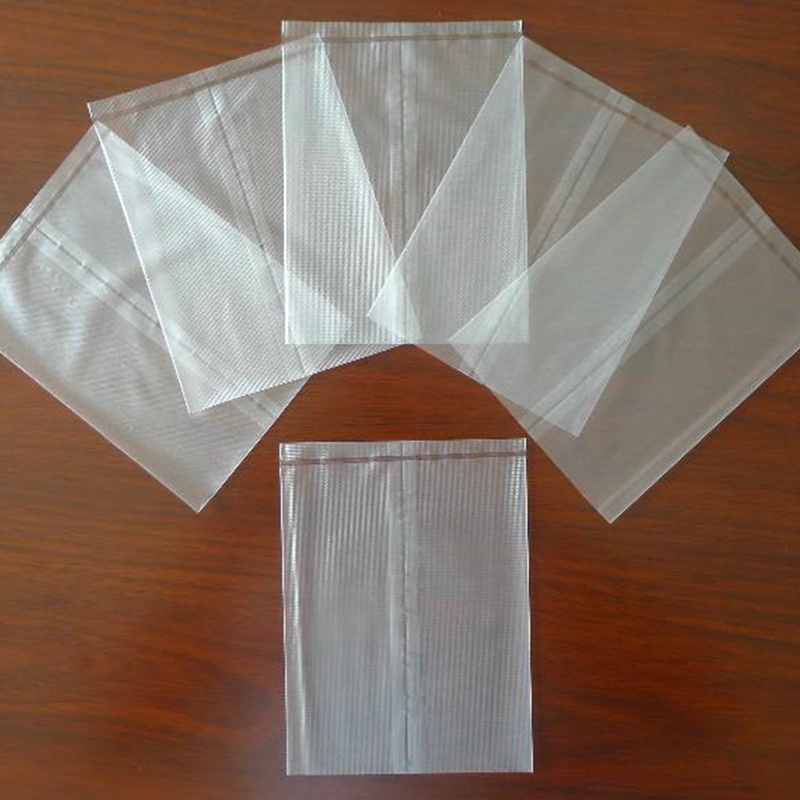 PV Biodegradable Water-Soluble Film Supplier OverviewThis film dissolves across a range of water temperatures depending on grade. Review supplier capabilities and technical articles to match hydrolysis level with your cold, medium, or hot water process.View Product →
Frequently Asked Questions
What temperature does PV water-soluble film dissolve at?
PV water-soluble film dissolves across a range of roughly 4°C to 85°C depending on the grade. Cold-water grades dissolve below 20°C, medium grades at 30–50°C, and hot-water grades above 60°C. The exact point is set by the degree of PVA hydrolysis, so always match the grade to the actual water temperature in the end-user's process.
Is PV water-soluble film biodegradable?
PV water-soluble film is water-soluble and biodegradable under the right conditions. PVA is assimilated by microorganisms commonly found in wastewater treatment systems, and the film leaves no solid residue. This distinguishes it from conventional plastic films that persist in the environment.
What thickness should I specify for laundry pod film?
Most laundry pod films are specified at 25 to 50 micrometers. Thinner films dissolve faster but may not survive filling and transport; thicker films give more puncture resistance but take longer to dissolve. Validate the balance with drop tests and sealed-pod trials before committing.
How should PV water-soluble film be stored?
Store PV water-soluble film in its original sealed packaging below 30°C and below 50 percent relative humidity. PVA films absorb ambient moisture, which lowers mechanical strength and can cause premature edge dissolution. Follow the manufacturer's stated shelf life and rotate stock on a first-in, first-out basis.