
 English
 中文简体
中文简体 Türk
TürkContent
- 1 What Exactly Is a Low-Temperature Water-Soluble Packaging Film?
- 2 How Dissolution Temperature Reshapes Your Packaging Line and Energy Cost
- 3 Use Cases Where Low-Temperature Water-Soluble Packaging Film Justifies the Switch
- 4 A Practical Specification Checklist for Low-Temperature Water-Soluble Packaging Film
- 5 Supplier Verification: What to Check Before You Buy Water-Soluble Packaging Film
- 6 Frequently Asked Questions
What Exactly Is a Low-Temperature Water-Soluble Packaging Film?
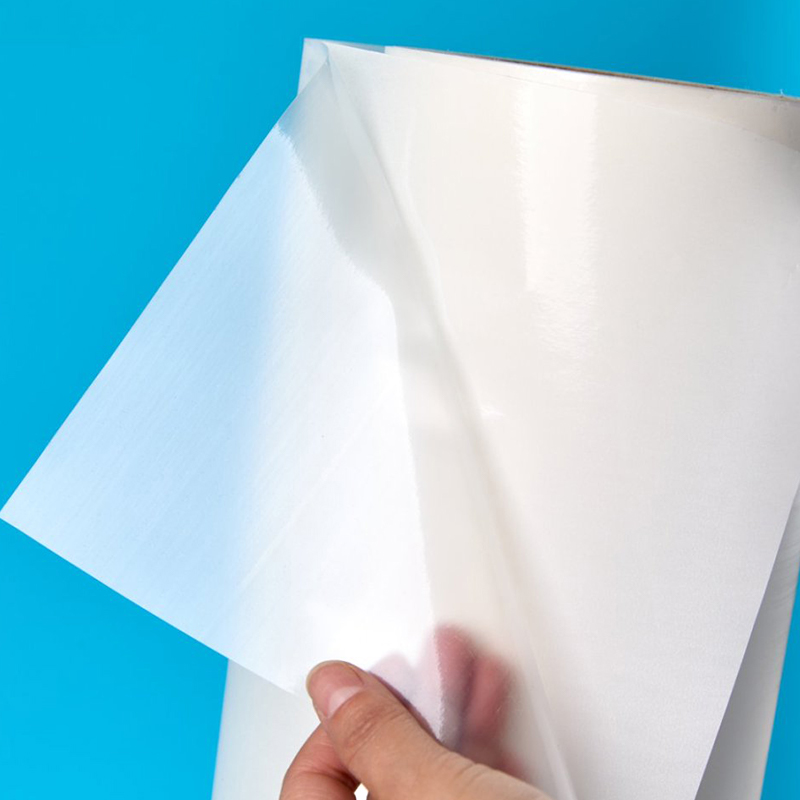
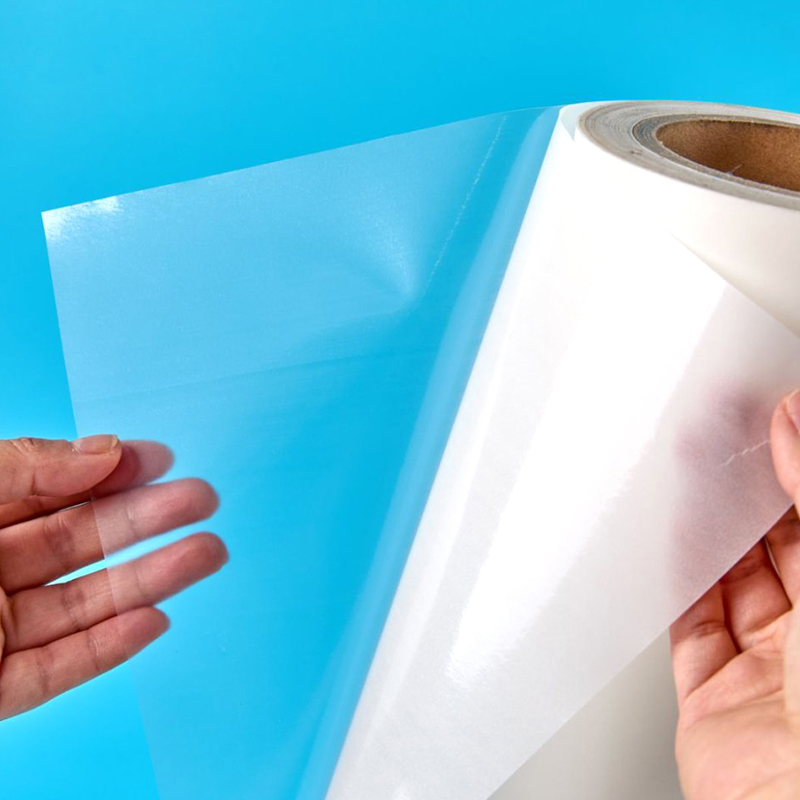
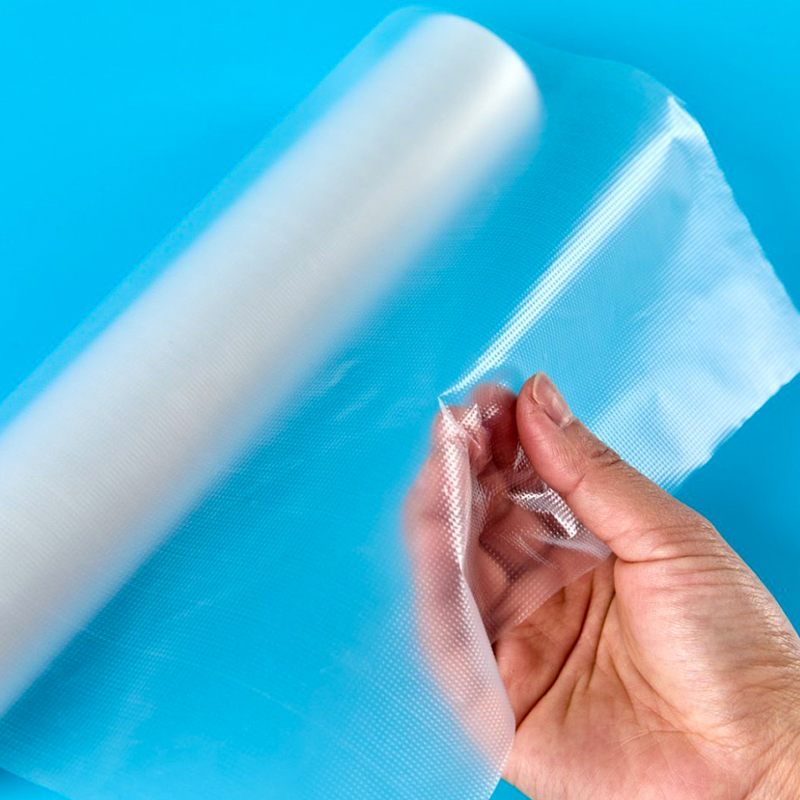
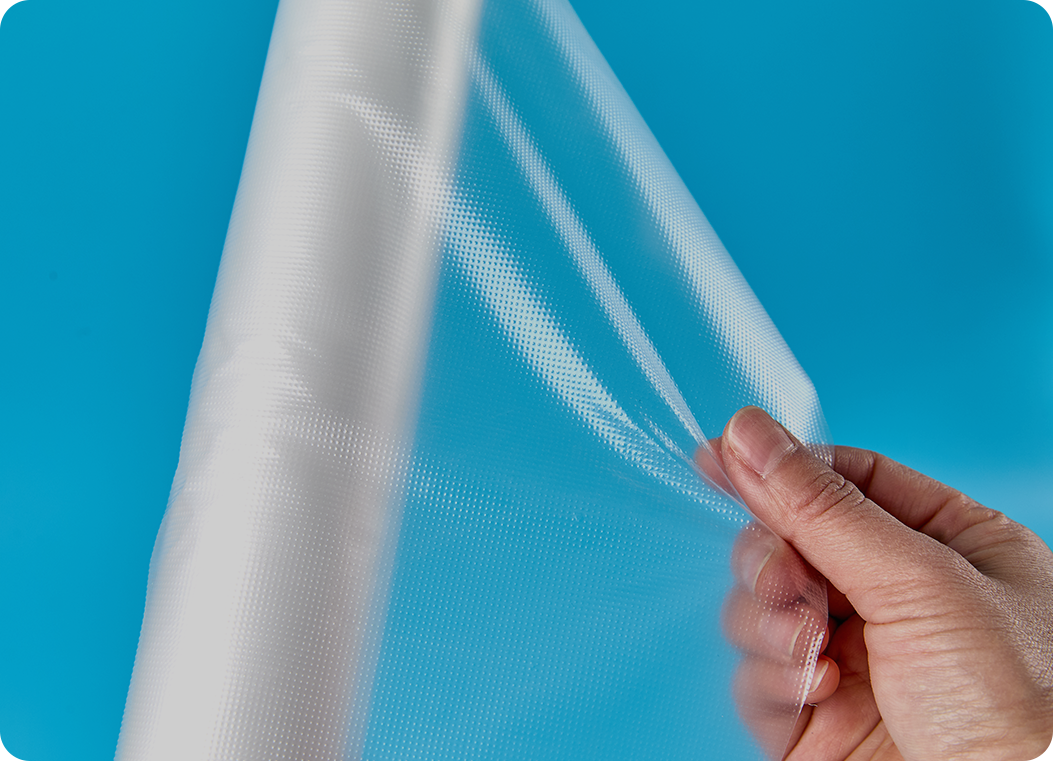
A low-temperature water-soluble packaging film is a PVA-based film formulated to dissolve completely in water between 20°C and 35°C, placing it between cold-water grades used for laundry pods and hot-water grades that require 60-90°C wash water.
That middle window matters more than the grade name suggests. Cold-water films, built for detergent pods, must dissolve even when a washing machine starts with 5-10°C water; achieving that requires higher plasticizer loading, which raises moisture sensitivity and tightens storage rules. Hot-water films resist humidity far better, but they need a heated bath that many field users simply do not have. A low-temperature film accepts ambient industrial water at 20-35°C while retaining practical tensile strength and a realistic storage window.
The dissolution point is set during resin synthesis and film casting. A lower degree of hydrolysis, lower molecular weight, or higher plasticizer loading shifts the solubility curve toward cooler water, each at the cost of mechanical strength and moisture pickup. A well-balanced low-temperature grade keeps tensile strength at or above 20 MPa and still clears a 5-minute dissolution target in 25°C water.
| Property | Cold-water | Low-temp | Hot-water |
| Dissolution window | 0-20°C | 20-35°C | 60-90°C |
| Typical dissolution time | 1-3 min | 2-5 min | 1-4 min |
| Tensile strength | 18-30 MPa | 20-35 MPa | 25-40 MPa |
| Humidity sensitivity | High | Moderate | Low |
| Main use | Laundry pods | Agro and industrial dosing | Hot-wash processes |
How Dissolution Temperature Reshapes Your Packaging Line and Energy Cost
Moving from a hot-water grade to a low-temperature water-soluble packaging film changes three things immediately: the energy needed to heat wash water, the cycle time of the dissolving station, and the range of actives that can be safely encapsulated.
Heating 1,000 liters of water from 20°C to 65°C requires roughly 52 kWh of thermal energy, so a line circulating 500 liters per day carries a heat load of about 26 kWh. Over a 300-day operating year, eliminating most of that load saves roughly 7,000 kWh of thermal energy.
Hot-water line
- Heated dissolution tank with thermostat and steam or electric input
- Longer cooling time before effluent discharge
- Excludes heat-sensitive enzymes and bleach activators
- Higher energy and maintenance cost per dose
Low-temperature line
- Ambient water feed with no dedicated heating loop
- Shorter cycle from load to drain
- Preserves enzymes, oxygen bleaches, and volatile actives
- Lower energy cost and simpler wash station
Use Cases Where Low-Temperature Water-Soluble Packaging Film Justifies the Switch
The strongest business cases for low-temperature water-soluble packaging film are dosing applications in which the end user pours the pack into ambient tap water, a cold mixing tank, or a low-energy wash cycle.
- Agrochemical sachets: dissolved directly in spray or mixing tanks; field operators rarely have hot water on site.
- Water-treatment chemical packs: measured doses of oxygen-based or chlorine-free actives that stay stable in cold dissolution.
- Hospital and industrial laundry bags: low-temperature wash cycles protect textiles and cut energy while the bag dissolves in the drum.
- Detergent and washing-bead pouches: a step up from cold-water film when the brand needs wider storage tolerance.
Laundry pods still belong to true cold-water film because European and North American wash cycles can start at 5-10°C. Low-temperature film fits the 20-35°C window of industrial water supplies, where chemical stability matters more than the last degree of solubility.
For packers that need true cold-water performance, the supplier's dedicated cold-water soluble film is the calibrated starting point.
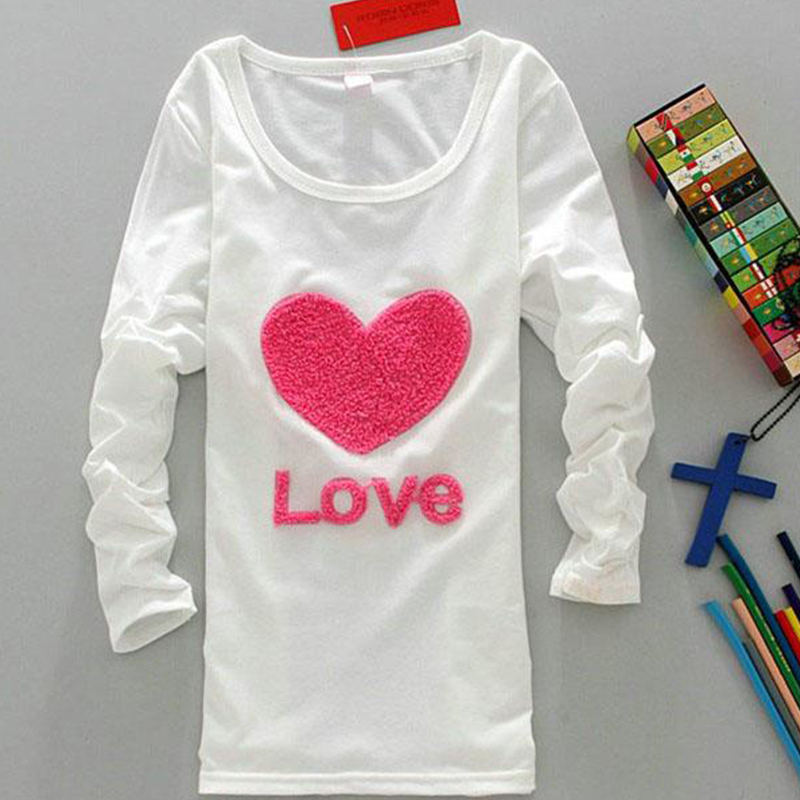 Cold Water-Soluble Embroidery Film in Customizable ThicknessesThis film dissolves quickly in room-temperature water, making it suitable for embroidery on fabrics that cannot tolerate heat. It also serves as a carrier for pesticide and seed packaging, with thickness and width options up to 70 microns and 2 meters.View Product →
For premeasured washing-bead doses delivered as ready-to-fill bags, a formed cold-water soluble bag is produced from the same film base.
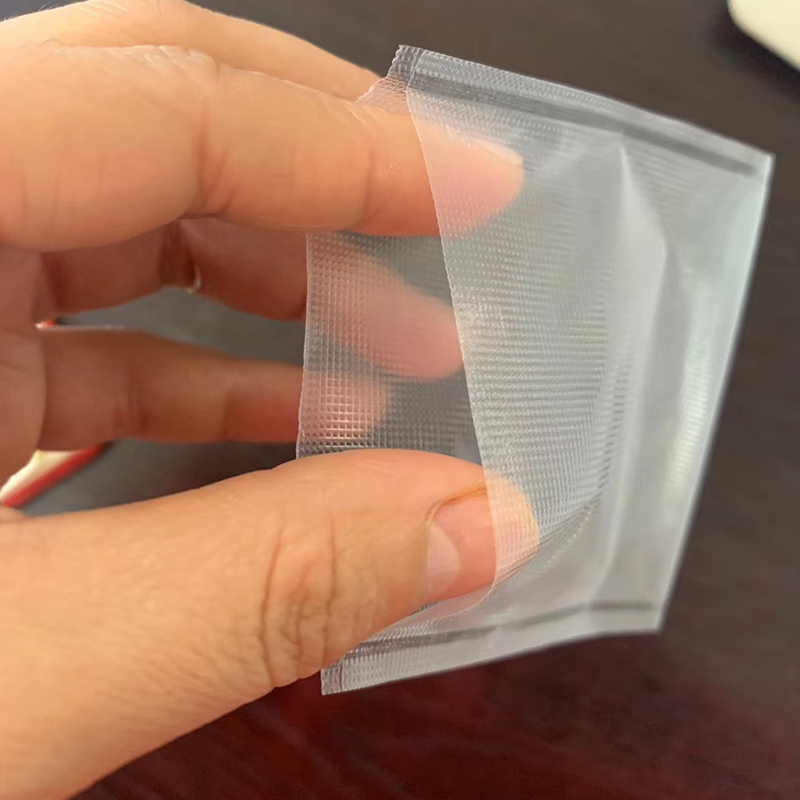 PVA Cold Water Soluble Bag for Detergent and Seed PackagingThese ready-to-fill bags, formed from a cold-water soluble film, enable premeasured doses for washing beads or other products. The PVA material is biodegradable and offers a safe, non-contact way to package cleaners, seeds, and hospital laundry items.View Product →
Low-temperature film is not a universal replacement. Strongly alkaline products, such as caustic-based cleaners, attack PVA and will shorten shelf life regardless of the solubility window. Long container transit through humid, high-temperature routes also demands a barrier bag or a more hydrolysis-resistant grade.
A Practical Specification Checklist for Low-Temperature Water-Soluble Packaging Film
To specify low-temperature water-soluble packaging film without guesswork, fix four numbers in the purchase contract: target dissolution temperature, maximum dissolution time, minimum tensile strength, and heat-seal temperature range, then require documented test evidence for every batch.
State the actual water temperature your customer will use, not the laboratory standard. A film rated at 35°C can fail in a facility where supply water arrives at 12°C in winter. The dissolution test should be run at that worst-case temperature with the agitation your equipment provides.
| Parameter | Target value | Verification method |
| Dissolution temperature | 20-35°C at your water temp | Stirred beaker test |
| Dissolution time | Max 5 min, no residue | Visual inspection with agitation |
| Tensile strength | 20 MPa min | Universal tester at 50 mm/min |
| Thickness tolerance | +/- 4 microns | Micrometer, 10-point average |
| Heat-seal window | 120-160°C | Sealer ramp test |
| Storage guidance | Max 60% RH, cool area | 3-month aging test |
Compare supplier datasheets across cold-water, low-temperature, and formed-bag formats before locking in a grade; the right supplier publishes the tests, not just the marketing numbers.
Supplier Verification: What to Check Before You Buy Water-Soluble Packaging Film
Verify three things before ordering low-temperature water-soluble packaging film in volume: batch-level dissolution data at your water temperature, thickness consistency across the roll, and a written humidity-storage recommendation tied to your shipping route.
- No dissolution test data at your actual water temperature
- No thickness tolerance on the technical datasheet
- Generic advice that the film "will dissolve in cold water"
- No heat-seal temperature recommendation for your machine
- Refusal to supply a 100-200 m pilot roll
At Anhui Haita New Material Technology Co., LTD., cold-water and low-temperature water-soluble films are produced on dedicated water-soluble film lines with documented batch testing and a reported daily capacity of 500,000 square meters per product series. The same manufacturing base also produces formed-bag versions for washing beads, giving buyers a single verified source for film and bag formats.
Frequently Asked Questions
How does low-temperature film differ from cold-water soluble film?
Cold-water soluble film is formulated to dissolve below 20°C, often at 5-10°C, for consumer laundry pods. Low-temperature water-soluble packaging film targets 20-35°C, which covers ambient industrial water supplies while offering better storage stability and stronger mechanical properties.
What water temperature should I use to dissolve low-temperature film?
Use the worst-case water temperature your end customer will see, not the average. If a facility receives 15°C supply water in winter, specify a film that dissolves completely at 15°C within the cycle time and verify it with a stirred beaker test.
How fast does low-temperature water-soluble packaging film dissolve?
At the rated temperature, most 25-40 micron grades clear the dissolution test in 2-5 minutes with moderate agitation. Thicker films for heavy chemical doses take longer, so match the thickness to the product weight and the dwell time available in the dissolving tank.
Does biodegradable water-soluble packaging film leave residue in wastewater?
Properly formulated PVA-based film biodegrades into water and carbon dioxide in standard wastewater conditions and should leave no visible residue in a clean dissolution test. Residual film or slime usually means the water temperature was too low, agitation was insufficient, or the batch was off-specification.