

 English
 中文简体
中文简体 Türk
TürkContent
- 1 Understanding PV water-soluble film in Industrial Packaging
- 2 Industry Standards and Market Developments (2024–2025)
- 3 Key Technical Criteria When Selecting PV water-soluble film
- 4 PV water-soluble film for Packaging vs Chemical Dosing Applications
- 5 Manufacturing Capability and Quality Control Considerations
- 6 Why Industrial Buyers Evaluate Long-Term Supply Stability
- 7
- 8 Frequently Asked Questions (FAQ)
Understanding PV water-soluble film in Industrial Packaging
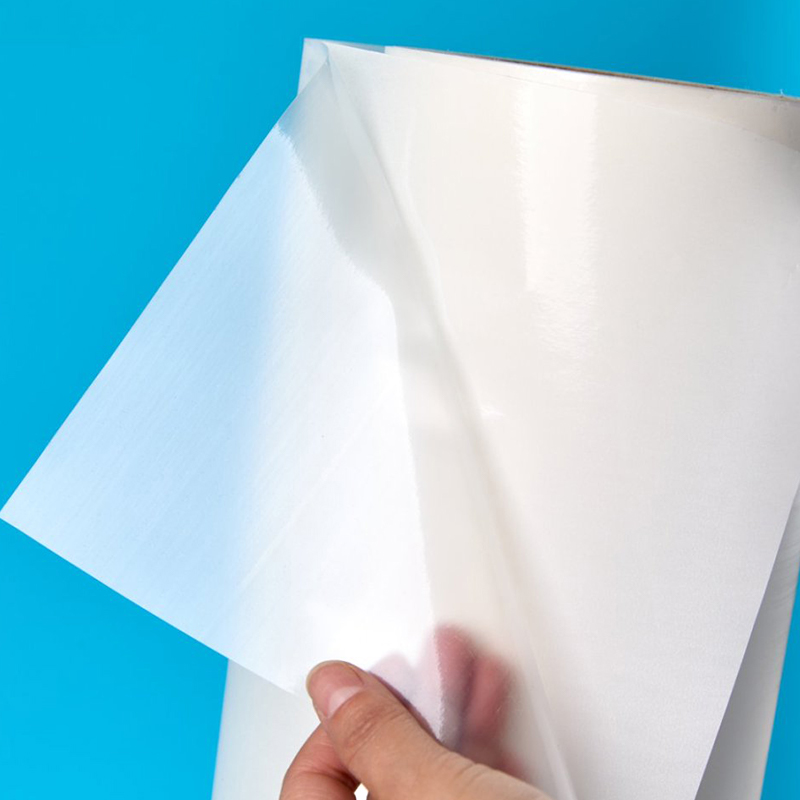
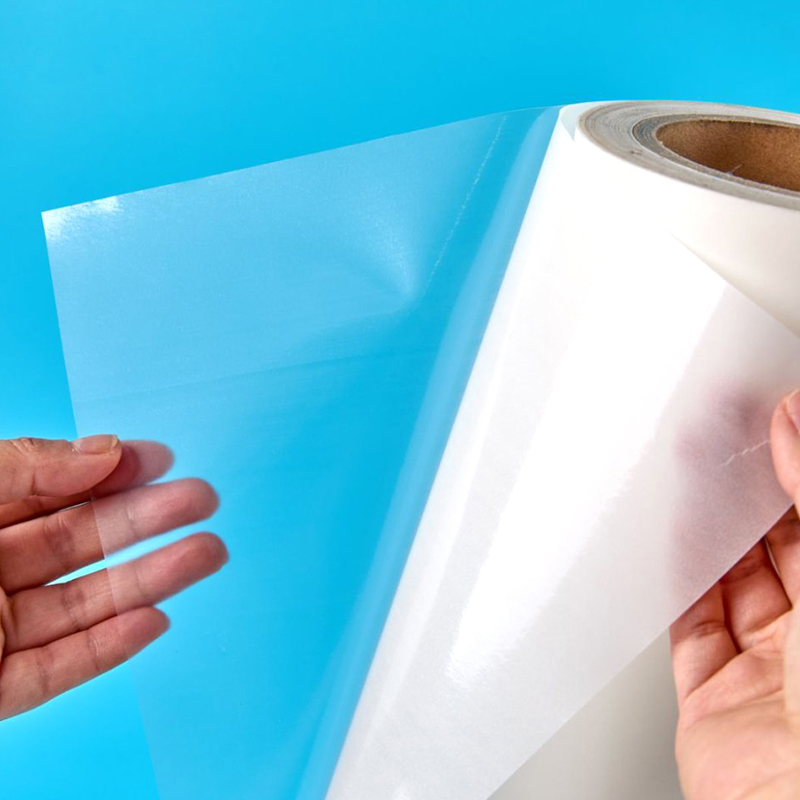
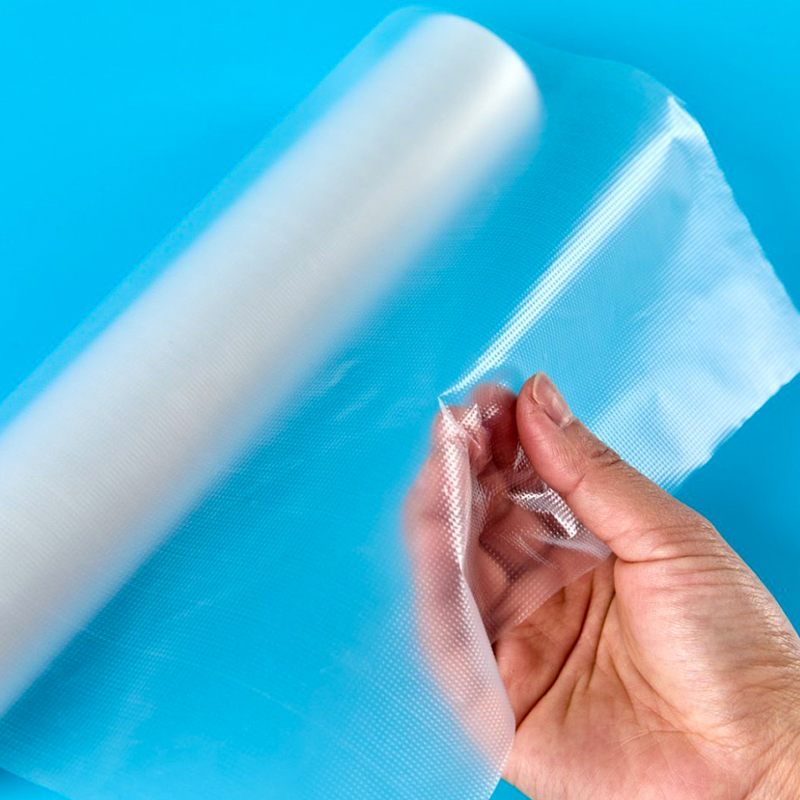
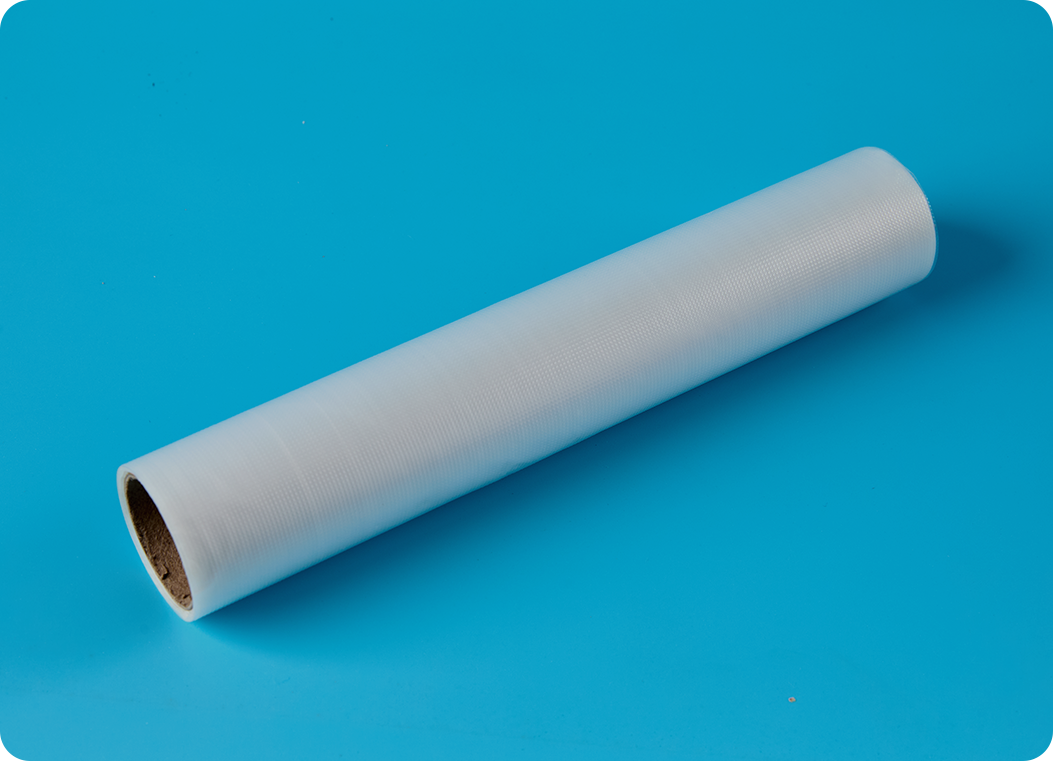
PV water-soluble film is a polymer-based functional material designed to dissolve completely in water under controlled conditions. It is widely used in unit-dose packaging, chemical dosing systems, and industrial handling scenarios where direct human contact or residual packaging waste must be minimized.
In industrial environments, especially chemical and detergent applications, PV water-soluble film for chemical dosing enables accurate material delivery while reducing handling risks and secondary contamination. In packaging, packaging grade PV water-soluble film focuses on consistent sealing performance, dimensional stability, and controlled dissolution behavior.
Industry Standards and Market Developments (2024–2025)
According to the latest guidance released by international standards organizations, water-soluble polymer films are increasingly evaluated based on dissolution temperature range, biodegradability pathways, and residue limits in industrial wastewater systems.
Recent technical updates emphasize the performance of cold water soluble PV film, driven by energy efficiency requirements and automated dosing systems that operate at ambient temperatures.
Source: International Organization for Standardization (ISO)
Market data published by international chemical associations indicates steady growth in industrial water-soluble packaging, particularly in agrochemical, detergent, and specialty chemical sectors from 2024 to 2025.
Source: European Chemical Industry Council (Cefic)
Key Technical Criteria When Selecting PV water-soluble film
Solubility Behavior and Dissolution Conditions
Solubility behavior directly determines whether a film can perform reliably in automated dosing or packaging systems. Industrial buyers must evaluate dissolution temperature, water agitation requirements, and dissolution time consistency.
| Factor | Packaging Applications | Chemical Dosing Applications |
| Water Temperature | Controlled, often warm water | Cold or ambient water systems |
| Dissolution Speed | Moderate, stable release | Rapid and complete dissolution |
| Residue Tolerance | Low | Extremely low |
Film Thickness and Mechanical Strength
PV water-soluble film thickness selection is a balance between load-bearing capability and dissolution efficiency. Thicker films offer improved tensile strength but require longer dissolution time.
| Thickness Range | Mechanical Strength | Typical Use Case |
| 30–50 μm | Moderate | Single-dose chemical sachets |
| 60–90 μm | High | Industrial bulk packaging |
Barrier Properties and Chemical Compatibility
Chemical compatibility testing ensures that the film maintains integrity during storage. Certain alkaline or oxidizing substances require formulation-adjusted PV films to prevent premature degradation.
PV water-soluble film for Packaging vs Chemical Dosing Applications
Although both applications use similar polymer bases, their functional priorities differ significantly.
| Evaluation Criteria | Packaging | Chemical Dosing |
| Primary Objective | Protection and containment | Accurate material release |
| Solubility Control | Delayed | Immediate |
| Handling Safety | Medium | Critical |
Manufacturing Capability and Quality Control Considerations
Industrial buyers often prioritize manufacturers with integrated production capabilities. Anhui Haita New Material Technology Co., LTD., established in 2003, operates as a technology-driven enterprise focused on polymer material research, development, production, and systemized quality control.
With large-scale water-soluble film production lines, independent R&D facilities, and intelligent manufacturing systems, the company supports consistent output exceeding 500,000 square meters per day across product series. This level of capacity ensures stability for long-term supply contracts and customized specifications.
Why Industrial Buyers Evaluate Long-Term Supply Stability
For industrial clients, selecting an industrial PV water-soluble film manufacturer is not only about material performance but also production continuity, ERP-controlled traceability, and environmental compliance. Long-term stability reduces requalification costs and operational risk across global supply chains.
Frequently Asked Questions (FAQ)
1. What determines the dissolution speed of PV water-soluble film?
Dissolution speed depends on polymer formulation, film thickness, and water temperature.
2. Is cold water soluble PV film suitable for automated systems?
Yes, it is commonly used in automated dosing systems operating at ambient conditions.
3. How do I select the right film thickness?
Thickness should match the weight of contents and required handling strength.
4. Can PV films handle aggressive chemicals?
Compatibility testing is required, and formulation adjustments may be necessary.
5. Why is manufacturer production scale important?
Large-scale production ensures supply consistency, quality stability, and cost control.