
 English
 中文简体
中文简体 Türk
TürkOn a form-fill-seal line, a batch of cold-water-soluble film that fails to release in a 20 degrees Celsius wash cycle does not just ruin a batch of laundry pods - it stops the entire line and forces a re-validation of every sealed dose. The same film that dissolves perfectly in a beaker can tear, block, or bridge when the machine runs at 60 packs per minute. Biodegradable water-soluble film is not one material with one specification; it is a family of polyvinyl alcohol (PVA) grades, and the difference between a workable grade and a costly one is almost always in the measurable details. This guide, written from the perspective of a film producer that has run PVA lines since 2003, covers the properties that matter, the grades that fit each process, and the supplier evidence you should demand.
Content
- 1 What Biodegradable Water-Soluble Film Is and How It Breaks Down
- 2 Five Performance Specs to Verify Before You Commit to a Supplier
- 3 Cold-Water vs. Medium-Temperature Film: Match the Grade to the Use Case
- 4 Where Biodegradable Water-Soluble Film Replaces Plastic in Real Production
- 5 What a Capable Manufacturer Needs to Prove Before the First Order
- 6 Biodegradable Water-Soluble Film: Buyer FAQ
What Biodegradable Water-Soluble Film Is and How It Breaks Down
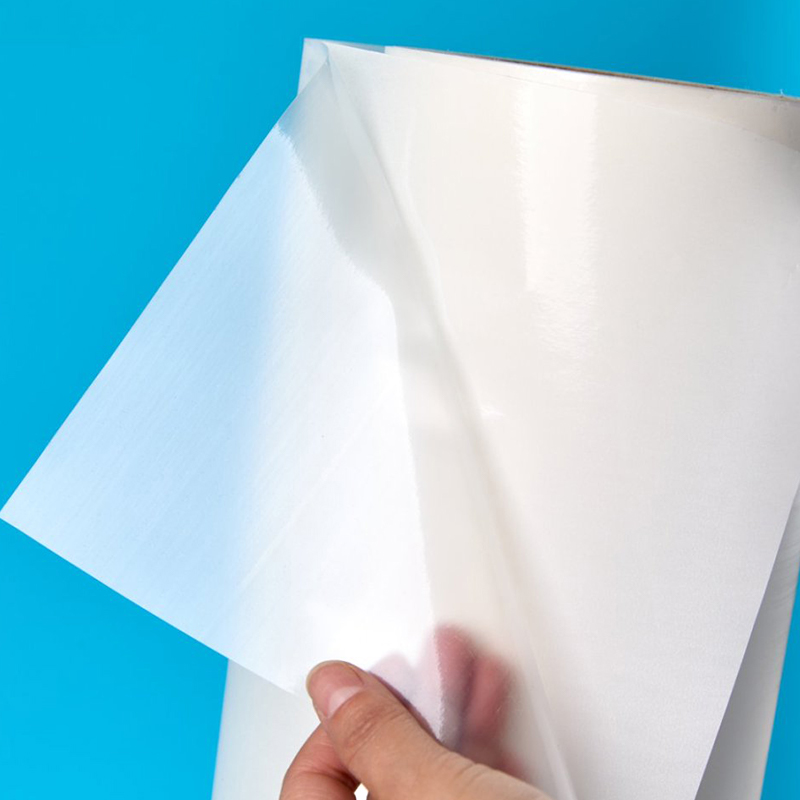
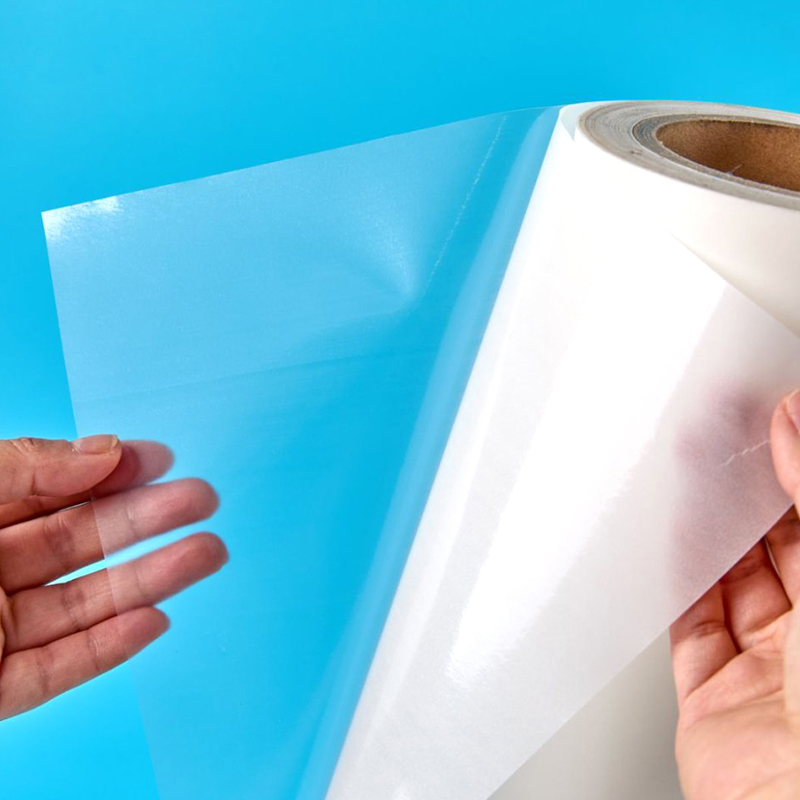
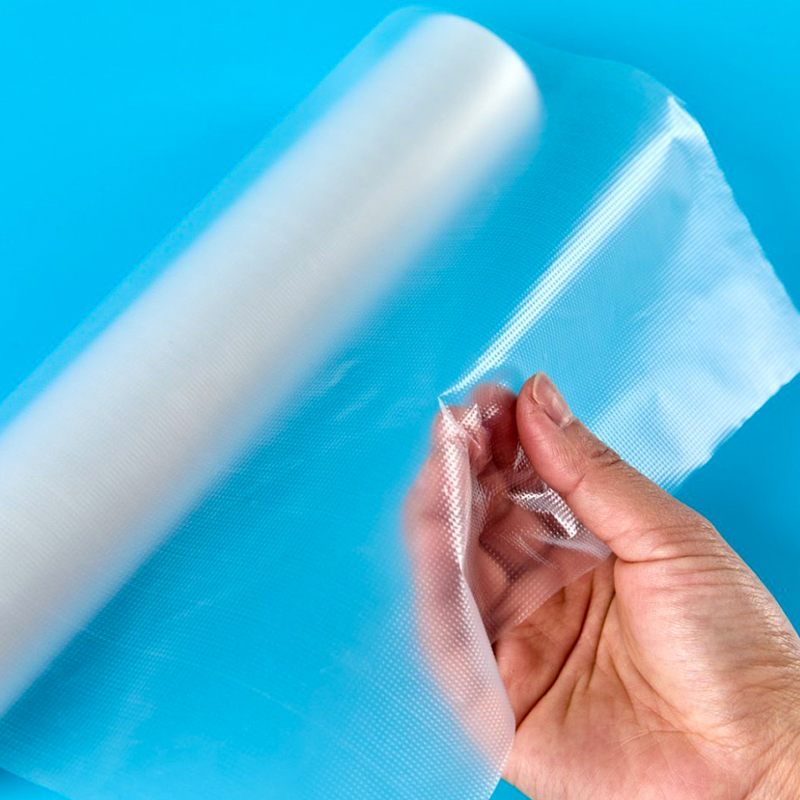
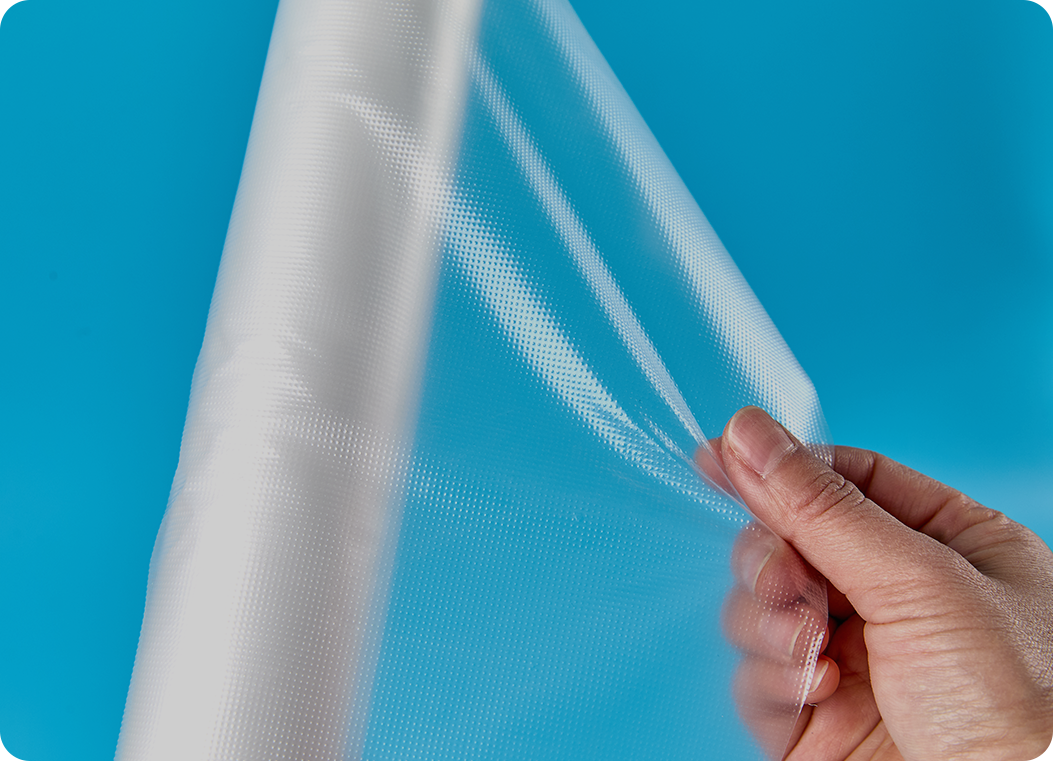
Biodegradable water-soluble film is a polyvinyl alcohol (PVA) sheet that dissolves when submerged in water and is then mineralized by microorganisms into carbon dioxide, water, and biomass.
The dissolution step is physical: water molecules penetrate the polymer matrix, break the hydrogen bonds between PVA chains, and cause the film to swell and disperse into fine fragments. The biodegradation step is biological: those fragments are consumed in aerobic environments such as wastewater sludge, soil, and compost. Because the two steps are different, a responsible supplier documents both with separate tests.
"Water-soluble" and "biodegradable" name two different mechanisms. A film can fully dissolve yet resist biodegradation, and a compostable film can fail to dissolve in cold water. Verify each property with its own test: ASTM D5271 or OECD 301B for biodegradation, and a temperature-controlled dissolution test for solubility.
In practice, commercial cold-water grades disperse in 30 seconds to 2 minutes at 20 to 25 degrees Celsius, while medium-temperature grades need a heated bath at 40 to 60 degrees Celsius. Under OECD 301B conditions, well-formulated PVA films typically reach 90 percent or more biodegradation within 60 days, which is why detergent pod films and agricultural sachets have become the most common industrial adopters.
Five Performance Specs to Verify Before You Commit to a Supplier
A technically sound water-soluble film grade is defined by dissolution temperature, tensile strength, heat-seal strength, thickness, and certified biodegradability, and each spec has a direct operational consequence.
Buyers who compare only price and thickness discover too late that a film either punches through on the pin chain, seals poorly at high line speed, or dissolves in the wrong wash cycle. The table below lists the five values to request before quoting.
| Performance spec | Typical range | Why it affects your line |
| Dissolution temperature | Cold: 10-25C; medium: 40-60C; hot: 70-90C | Selects the wash cycle or process bath that consumes the film |
| Film thickness | 25-75 microns | Thicker gauges resist punctures but slow dissolution and raise cost |
| Tensile strength (machine direction) | 20-40 MPa | Prevents web tearing during vertical form-fill-seal |
| Elongation at break | 150-400 percent | Absorbs vibration on high-speed rotating machinery |
| Ultimate biodegradation | 90 percent or more within 60 days | Required for environmental claims and EPR credit |
Thickness uniformity deserves special attention. A nominal 40 micron film that swings between 32 and 48 microns changes seal integrity, print registration, and dissolution speed across the same roll. Ask for the supplier's thickness profile report, not just the average gauge.
Cold-Water vs. Medium-Temperature Film: Match the Grade to the Use Case
Choose the film grade by the water temperature your customer actually uses, not by gauge or price, because the dissolution curve at real-use temperature is the single most reliable selection criterion.
A cold-water grade is engineered to dissolve in ambient water and is the standard choice for detergent pods, agrochemical sachets, and flushable packaging. A medium-temperature grade stays stable through room-temperature handling and dissolves in a heated bath, which suits hydrographic printing and textile processing where premature dissolution would destroy the work-in-progress.
Cold-water grade: 10-25C
- Dissolves in the wash or spray tank without added heat
- Lower energy cost at the customer site
- Requires dry storage below 60 percent relative humidity
- Best for unit-dose detergent, chemicals, and seed treatment
Medium-temperature grade: 40-60C
- Resists premature wet-out during printing and handling
- Higher mechanical strength for converting operations
- Needs bath temperature control on the process line
- Best for hydrographic transfer and embroidery backing
Storage and humidity also shift the curve. A cold-water roll left open in a humid warehouse absorbs moisture, softens, and dissolves faster on the low end while losing seal strength. The medium-temperature grade is more forgiving, which is why many converters run it for hydrographic and textile work even at slightly higher energy cost.
Where Biodegradable Water-Soluble Film Replaces Plastic in Real Production
Water-soluble PVA film displaces conventional plastics in four proven production settings: unit-dose detergent packaging, agrochemical sachets, hydrographic printing, and garment interlining.
- Laundry pods and detergent capsules: cold-water bag film seals 10 to 30 ml doses, dissolves during the wash, and leaves no visible residues on textiles.
- Agrochemical and biocide sachets: operators never touch the concentrate; the sachet dissolves in the spray tank, which removes the need to triple-rinse plastic containers.
- Hydrographic printing: the carrier film holds the printed pattern and dissolves during immersion, transferring the graphic onto the part without a release liner.
- Garment and embroidery: water-soluble nonwoven and film are stitched into the fabric and later rinsed out, creating lace, temporary backing, or release layers.
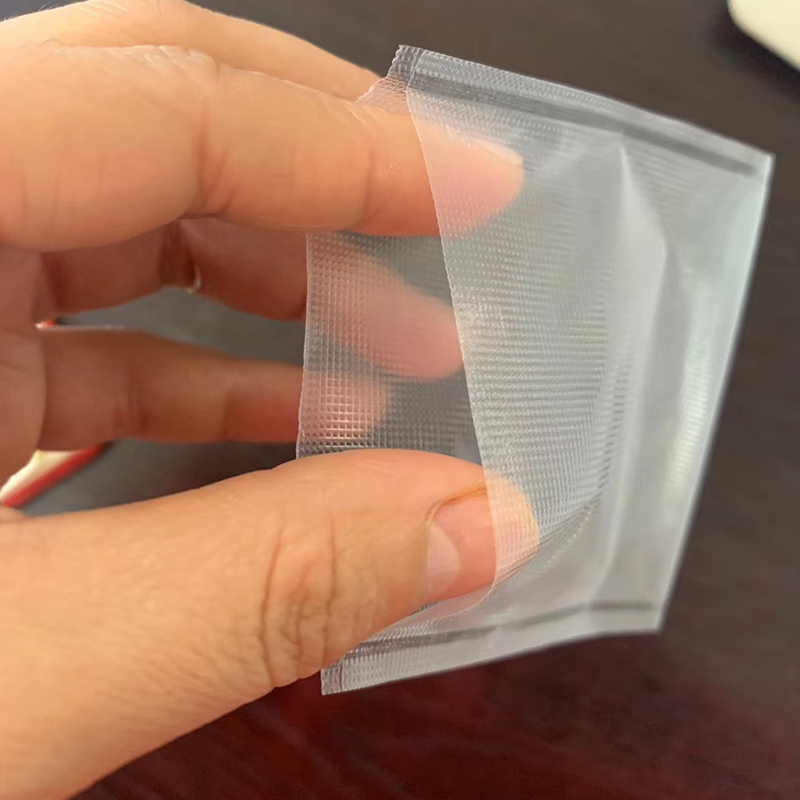 Cold Water Soluble PVA Film for Laundry Pod PackagingThis PVA-based film dissolves in cold water and biodegrades, making it suitable for unit-dose detergent bags. Its sealing and strength properties should be validated on actual filling equipment for reliable pod production.View Product →
For laundry pod converters, the bag film must seal cleanly at speed, hold siliconized liquids without blocking, and still break apart in the drum. That is a different grade from a general packaging film, and the sealing window should be verified on the actual filling machine.
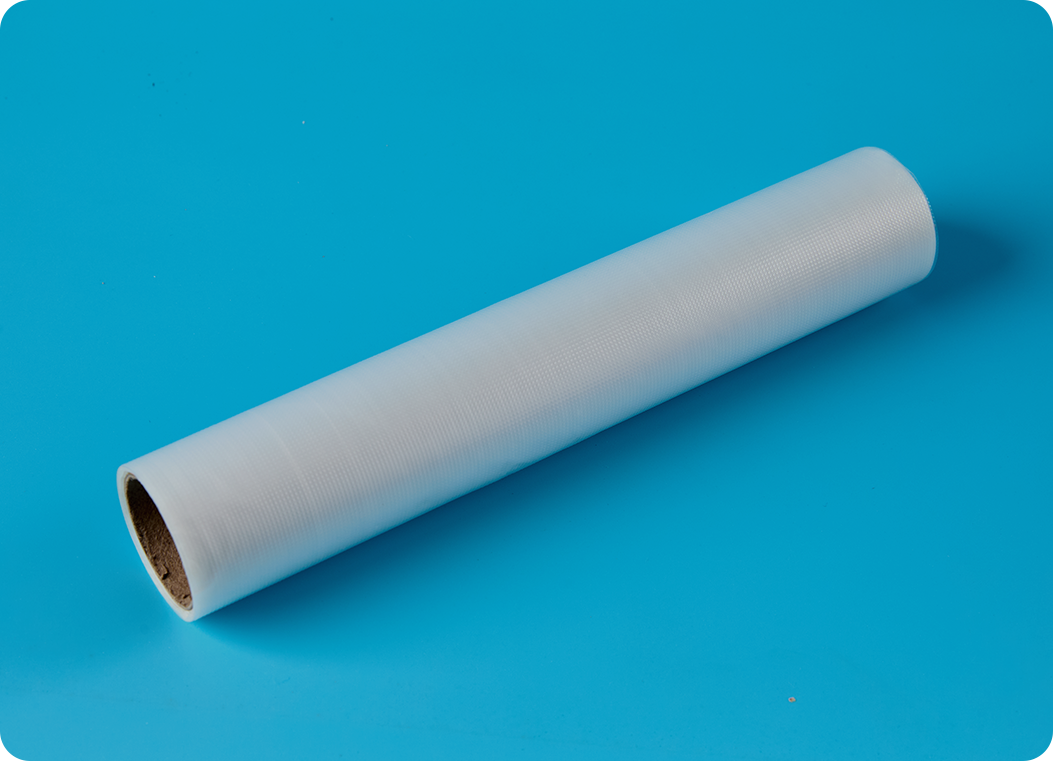
 Cold Water Soluble Film for Printing and ConvertingOffered in thicknesses up to 70 microns and widths up to 2 meters, this film suits printing, lamination, and cutting operations. Consistent thickness helps maintain print registration and clean cuts in sachet production.View Product →
For converters that print, laminate, and cut sachets, a general cold-water film with a tight thickness tolerance keeps print registration stable and guillotine cuts clean. The same film family is used across detergents, agricultural inputs, and dyes.
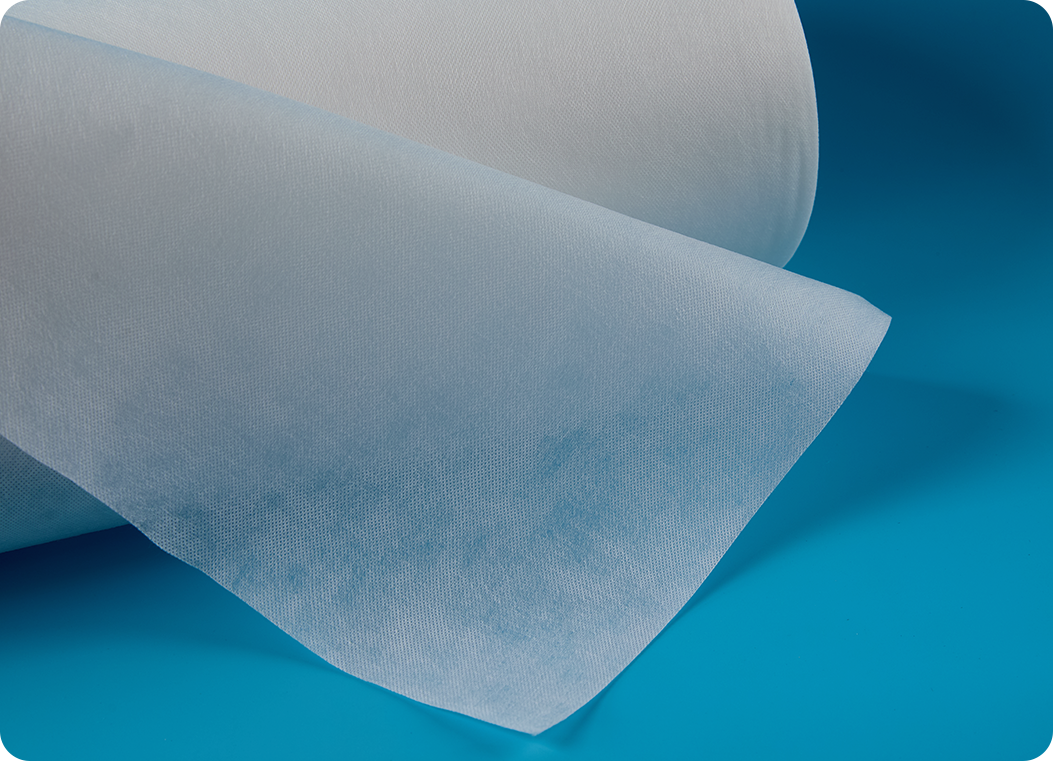
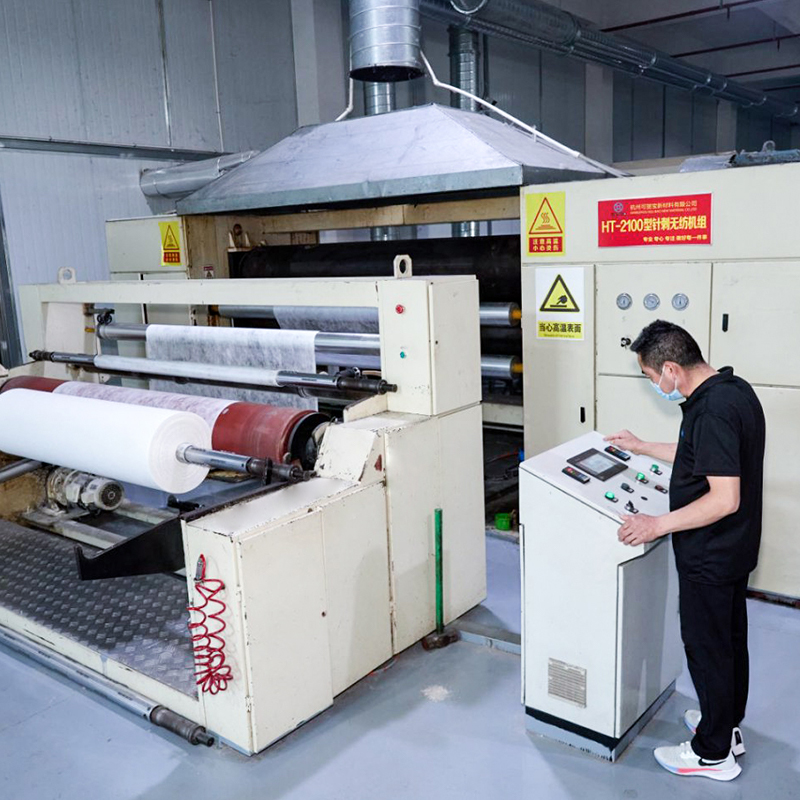 Cold Water Soluble Nonwoven Fabric for EmbroideryThis nonwoven dissolves in room-temperature water within seconds, leaving no residue. It provides temporary backing for embroidery on delicate fabrics and also finds use in medical and protective textiles requiring water solubility.View Product →
For textile and embroidery lines, a cold-water soluble nonwoven fabric provides dimensional stability on the embroidery hoop and rinses away completely, leaving no stiff backing in the finished garment.
A 30 to 40 micron water-soluble sachet replaces a multi-layer plastic structure that can weigh several times more. In waste accounting terms, the residual packaging fraction per dose drops to a single water-soluble layer.
What a Capable Manufacturer Needs to Prove Before the First Order
Manufacturing capability is proven by pilot-line sampling, documented dissolution curves, sealed-batch traceability, and audited capacity, not by brochure language or free samples alone.
A credible supplier should answer four audit questions before a purchase order is placed:
- Which grades are produced in-house, and what is the daily capacity per product series?
- What testing equipment covers incoming polymer, extrusion, and finished film inspection?
- How is batch traceability maintained between the resin silo and the finished roll?
- What dissolution and biodegradation documents are attached to each batch?
A production entity with relevant scale, Anhui Haita New Material Technology Co., LTD., has run water-soluble film lines since 2003 and operates central material control plus a self-developed ERP. The company reports a daily capacity of up to 500,000 square meters per product series and annual polymer consumption above 5,000 tons, which supports consistent sampling, fast re-runs, and batch-level quality records.
Ask for the dissolution curve of the exact batch you buy, not a generic datasheet. A five-point curve from 10 to 50 degrees Celsius tells you more about line performance than a 20-page brochure.
Biodegradable Water-Soluble Film: Buyer FAQ
Is water-soluble film the same as compostable film?
No. Water-soluble film dissolves in water, while compostable film must break down in a composting environment. Some PVA films pass biodegradation tests in sludge and soil, but they are not automatically accepted under compost standards such as EN 13432. Request the specific test report for your disposal route.
How long does biodegradable water-soluble film take to disappear?
In agitated water, a 30 micron cold-water grade disperses in roughly 30 seconds to 2 minutes at 20 to 25 degrees Celsius. The dissolved fragments then biodegrade over weeks rather than years, with well-formulated grades reaching 90 percent or more biodegradation within 60 days under OECD 301B conditions.
Can it run on existing packaging equipment?
Most vertical and horizontal form-fill-seal machines can run PVA film, but sealing jaw temperature, dwell time, and web tension must be confirmed. PVA film is humidity-sensitive, so the work area needs climate control to prevent softening or blocking.
What storage conditions keep cold-water film shelf-stable?
Store film below 30 degrees Celsius and below 60 percent relative humidity, sealed in its original moisture barrier. Under those conditions, a typical cold-water grade remains processable for 12 to 24 months.