
 English
 中文简体
中文简体 Türk
TürkContent
What Is Water-Soluble Film?
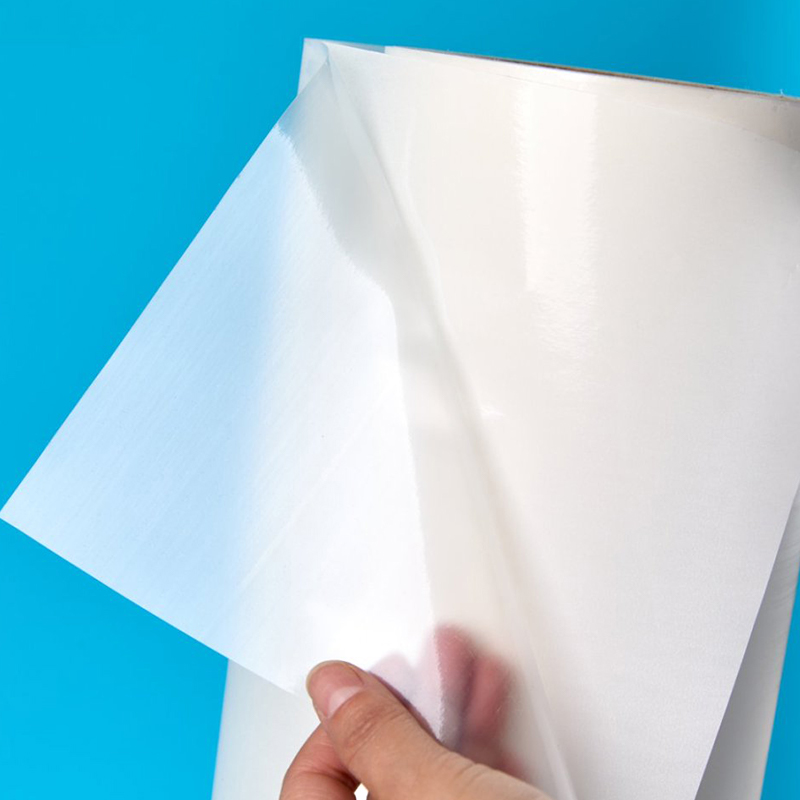
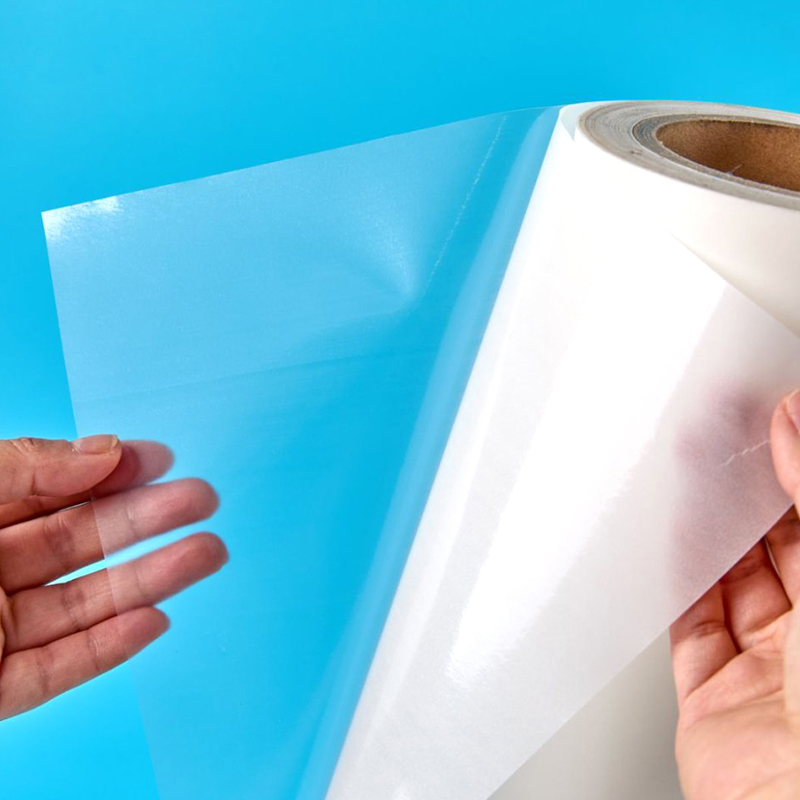
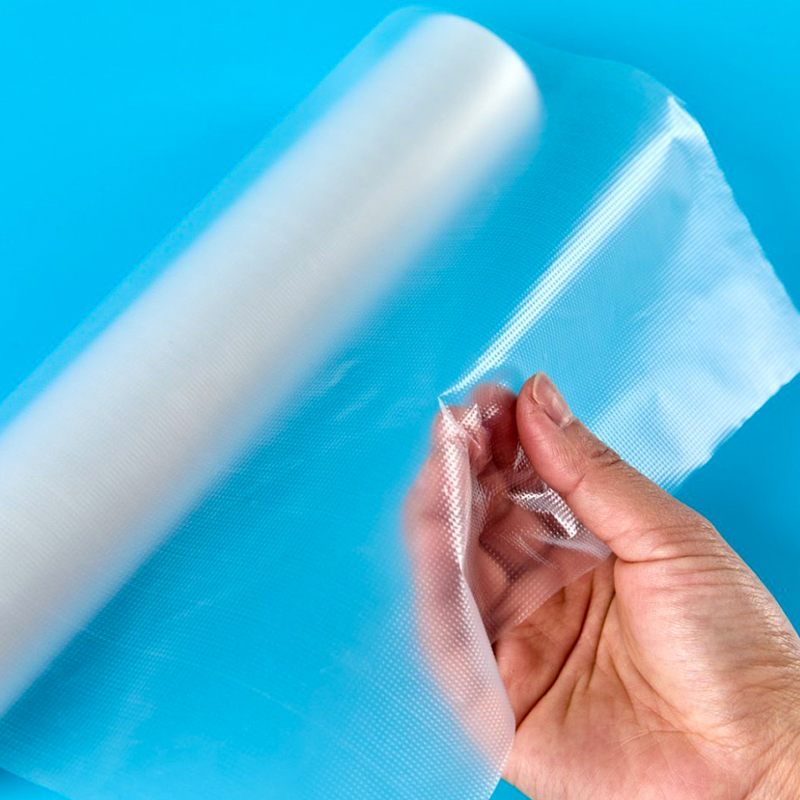
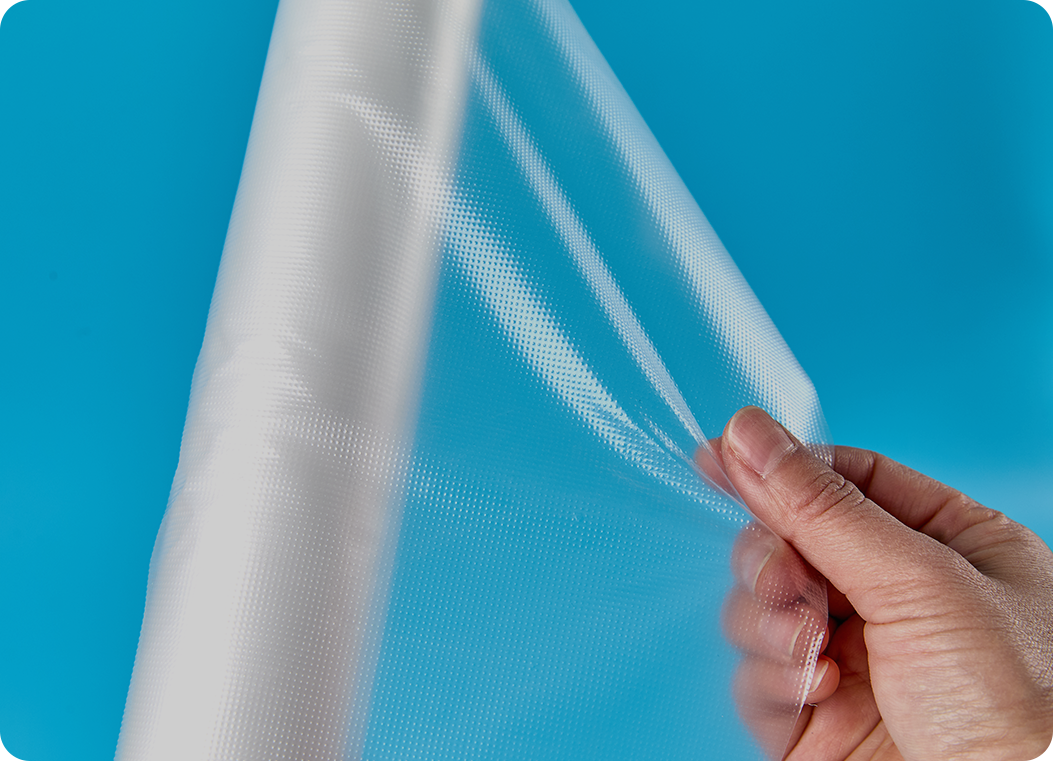
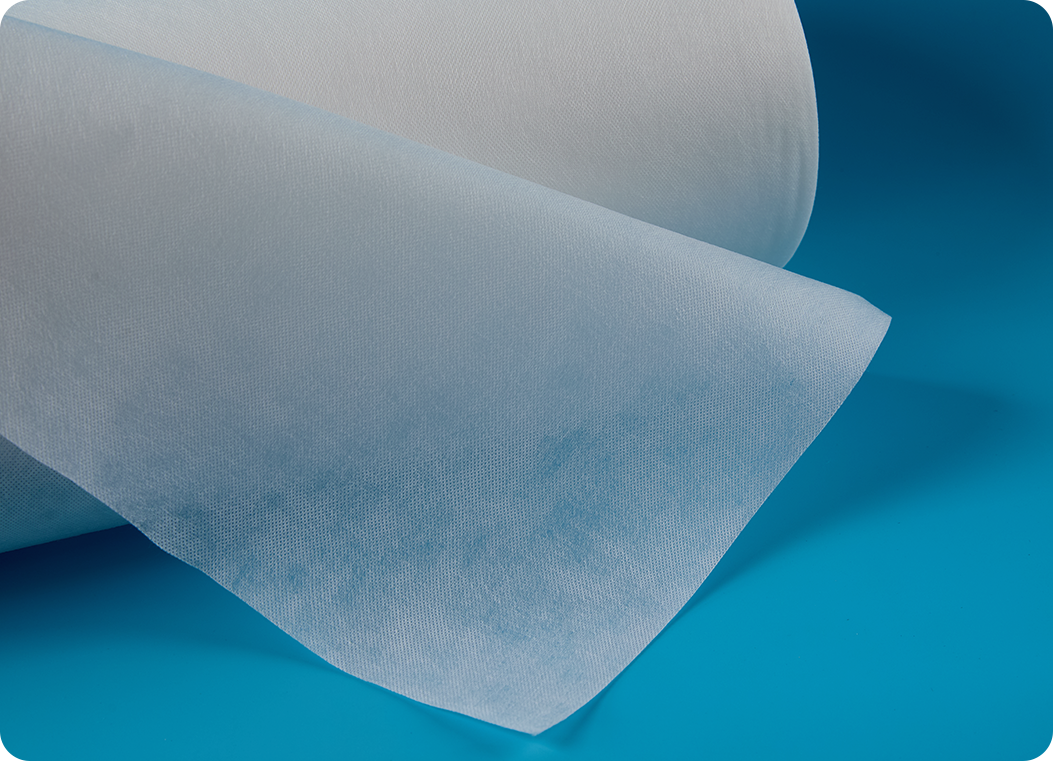
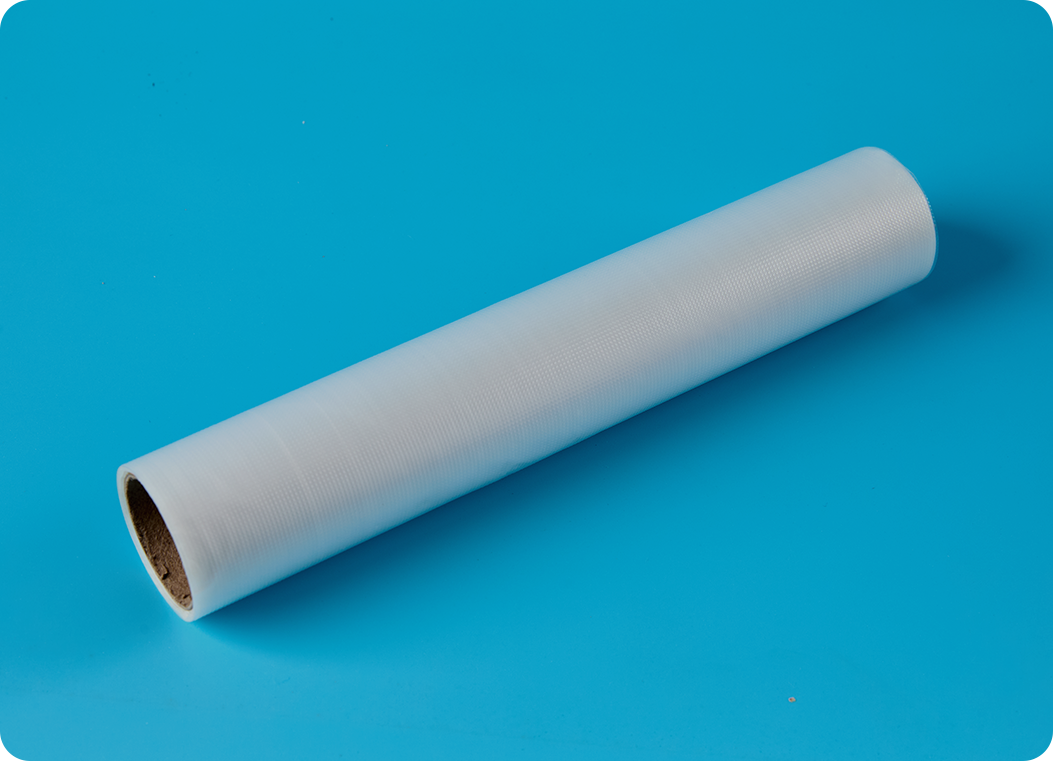
Water-soluble film is a thin, flexible plastic material — most commonly made from polyvinyl alcohol (PVA) — engineered to dissolve completely when it comes into contact with water. Unlike conventional plastic films that resist moisture by design, water-soluble film is built to do the opposite: break down into a harmless PVA solution within seconds to minutes, depending on formulation, water temperature, and film thickness. This single property has made it one of the most versatile specialty packaging materials on the market, bridging the gap between the convenience of plastic film and the environmental demand for materials that don't persist as waste.
The base polymer, PVA, is itself unusual among plastics because it is water-soluble by nature rather than through an additive or coating. This means the film doesn't leave behind microplastic fragments or a plastic residue after dissolution — the polymer chains themselves separate and disperse into water, and under the right wastewater treatment conditions, PVA can be further broken down by naturally occurring microorganisms. That combination of functional plastic-like properties during use, and complete disappearance after use, is the defining characteristic that sets water-soluble film apart from every other packaging film category.
Because the dissolution behavior can be precisely engineered — adjusting for cold water versus hot water solubility, dissolution speed, and mechanical strength — water-soluble film isn't a single uniform product but a family of grades tailored to very different end uses, from single-dose detergent pouches to agricultural chemical packaging to technical textile applications.
How Water-Soluble Film Is Manufactured
Water-soluble film production begins with PVA resin, which is dissolved in water along with plasticizers, and in many formulations, small amounts of other functional additives that adjust flexibility, dissolution rate, or heat sealability. This aqueous PVA solution is then cast onto a heated, moving stainless steel belt or drum in a continuous casting process, where controlled evaporation removes the water content and leaves behind a uniform, thin polymer film.
Thickness control during casting is one of the most critical steps in the entire manufacturing process, since even small variations directly affect dissolution speed, tensile strength, and how the film behaves during high-speed packaging line operations. Most commercial water-soluble films are produced in the 20 to 100 micron range, with thinner films dissolving faster but offering less mechanical strength, and thicker films holding up better to handling and transport but taking longer to fully dissolve.
After casting, the film is wound into large master rolls under carefully controlled humidity conditions, since PVA film is naturally sensitive to ambient moisture even before intentional dissolution — a poorly humidity-controlled storage or shipping environment can cause the film to become tacky, brittle, or dimensionally unstable before it ever reaches the customer. Reputable manufacturers ship water-soluble film in moisture-barrier packaging specifically to protect this sensitivity during transit and storage.
Key Properties That Define Film Performance
Dissolution temperature range is the single most important spec when selecting a water-soluble film, since different formulations are engineered to dissolve reliably in cold water starting around 10°C, or only in warmer water starting around 30–40°C or higher. Cold-water-soluble film is standard for laundry and dishwasher unit-dose products, since consumers expect the pod to fully disappear in a standard wash cycle regardless of water temperature setting, while hot-water-only films are sometimes deliberately chosen for industrial applications where premature dissolution during storage or handling in humid environments needs to be avoided.
Tensile strength and elongation matter just as much for any film destined for high-speed automated packaging equipment, since the film needs to withstand the mechanical stress of forming, filling, and sealing without tearing, while still being thin enough to dissolve quickly once in use. This is why film suppliers typically offer several grades differentiated by thickness and reinforcement level, allowing packagers to select a film matched to their specific filling line speed and product weight rather than using a single generic film across all applications.
Heat sealability is another practical consideration, since most water-soluble film packaging — from detergent pods to agrochemical sachets — relies on heat sealing to form the final pouch. Films formulated for strong, consistent heat seals reduce production line rejects and prevent premature leakage of the pouch's contents before the intended point of use, which is especially critical for products like concentrated agrochemicals where a compromised seal poses both a waste and a safety concern.
Major Applications Across Industries
Laundry & Dishwasher Pods
The best-known use of water-soluble film is as the outer shell of single-dose laundry and dishwasher detergent pods, where the film fully dissolves in the wash cycle, releasing the concentrated detergent formula directly into the water without any packaging waste left behind.
Agrochemical Packaging
Water-soluble film is widely used for pre-measured pesticide, herbicide, and fertilizer packets, allowing farm workers to add the entire sealed pouch directly into a spray tank without ever handling the concentrated chemical directly, significantly improving operator safety.
Embroidery & Textile Backing
In technical embroidery, water-soluble film serves as a temporary stabilizing backing that holds fabric steady during stitching, then simply washes away afterward, leaving no residue or backing material behind on the finished textile.
Hygiene & Medical Products
Some hygiene and medical disposal applications use water-soluble film for flushable or dissolvable packaging components, where the film needs to break down reliably in wastewater systems without contributing to clogging or downstream contamination.
General thickness and application ranges for common water-soluble film grades.
Environmental Profile and Biodegradability
Water-soluble film is frequently positioned as an environmentally favorable alternative to conventional plastic packaging, and the core of that claim rests on PVA's genuine water solubility combined with its potential for biodegradation under the right conditions. Once dissolved, PVA disperses into water as individual polymer chains rather than remaining as visible plastic fragments, which already distinguishes it from the microplastic pollution associated with many conventional films that merely break apart physically rather than dissolving.
Full biodegradation, however, depends heavily on the receiving environment. In municipal wastewater treatment plants equipped with the right microbial populations and adequate retention time, dissolved PVA can be substantially broken down before treated water is released. In environments lacking those specific microbial conditions, dissolved PVA may persist in water for longer periods, which is why film manufacturers and environmental researchers continue to refine formulations aimed at improving biodegradation rates across a wider range of real-world wastewater conditions.
For buyers evaluating water-soluble film on environmental grounds, it's worth requesting specific biodegradation test data, such as OECD 301 series results, rather than relying on the word "soluble" alone, since dissolution and biodegradation are related but distinct properties — a film can dissolve quickly while still taking considerable time to fully biodegrade in a given environment.
How to Choose the Right Water-Soluble Film Grade
Selecting the correct water-soluble film starts with clearly defining the dissolution environment the finished product will actually encounter — cold tap water, a hot wash cycle, an agricultural spray tank, or a wastewater system — since a mismatch between film formulation and end-use water temperature is the most common cause of packaging that either dissolves too slowly for consumer expectations or, worse, fails prematurely during storage or transport.
Packaging line compatibility is the next major factor: high-speed vertical or horizontal form-fill-seal equipment places different mechanical demands on film than manual or semi-automated packing processes, so confirming a film's tensile strength, heat-seal range, and recommended running speed against the actual equipment specifications avoids costly downtime from film jams or seal failures after a supplier switch.
Finally, working with a supplier that can provide consistent thickness tolerances, proper humidity-controlled packaging for shipment, and transparent technical data sheets covering dissolution rate, tensile strength, and biodegradation testing gives buyers the clearest picture of how a given water-soluble film will actually perform in production, rather than relying on generic marketing claims that don't reflect grade-specific performance differences.