 English
 中文简体
 Türk
Most embroidery production problems are not caused by the stitching itself; they are caused by the material that holds the fabric still. Tear-away backing leaves lint, cut-away backing requires scissors, and neither disappears after the final wash. Water-soluble textile accessories solve this by forming a temporary support layer that dissolves completely once exposed to water. For factories running lace, freestanding embroidery, or appliqué work, this one substitution can eliminate a manual trimming station and reduce defect rates caused by backing residue.
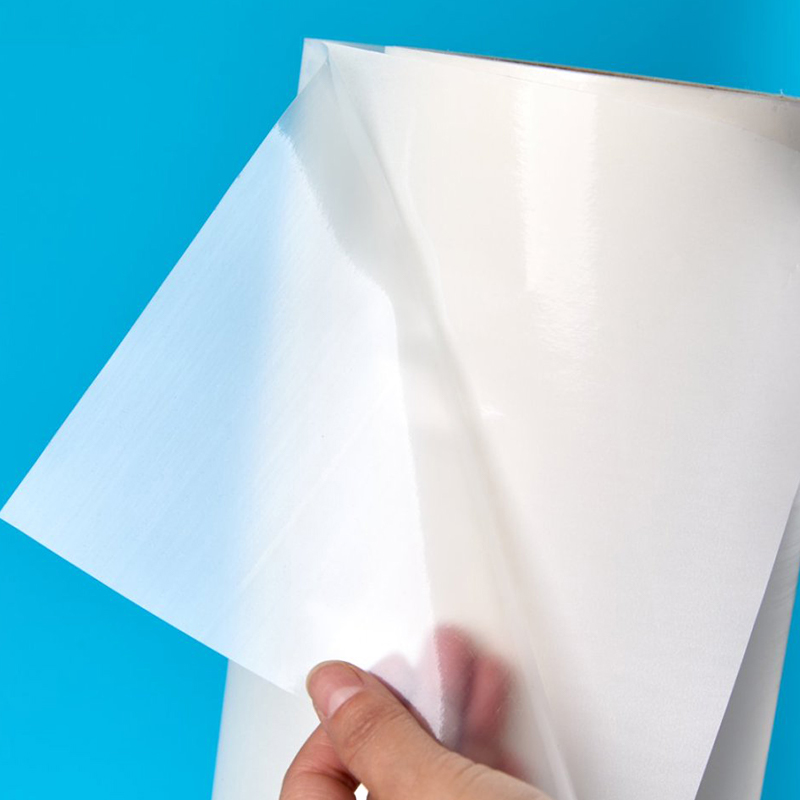
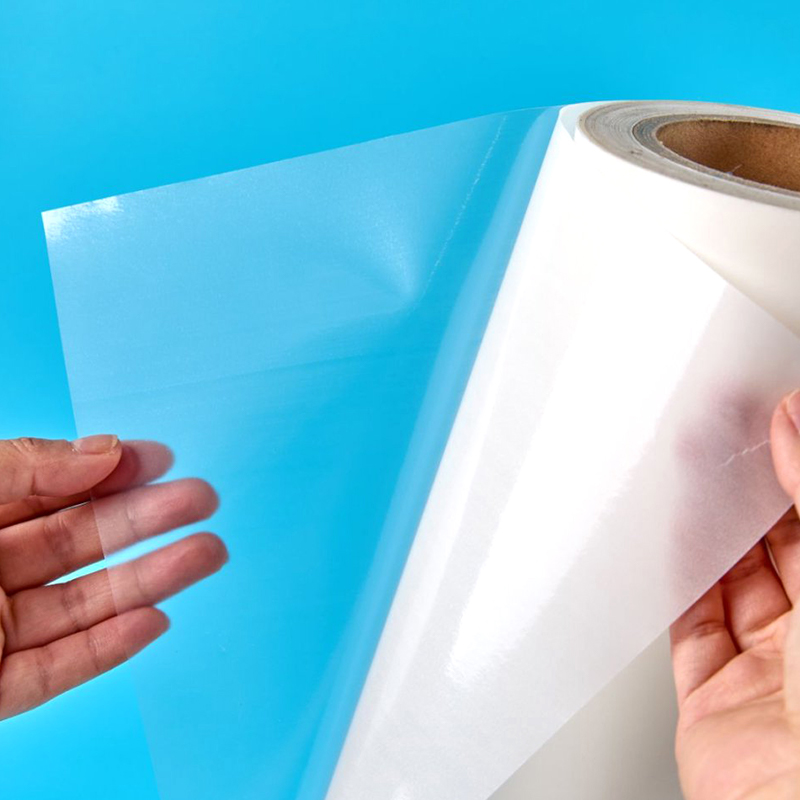
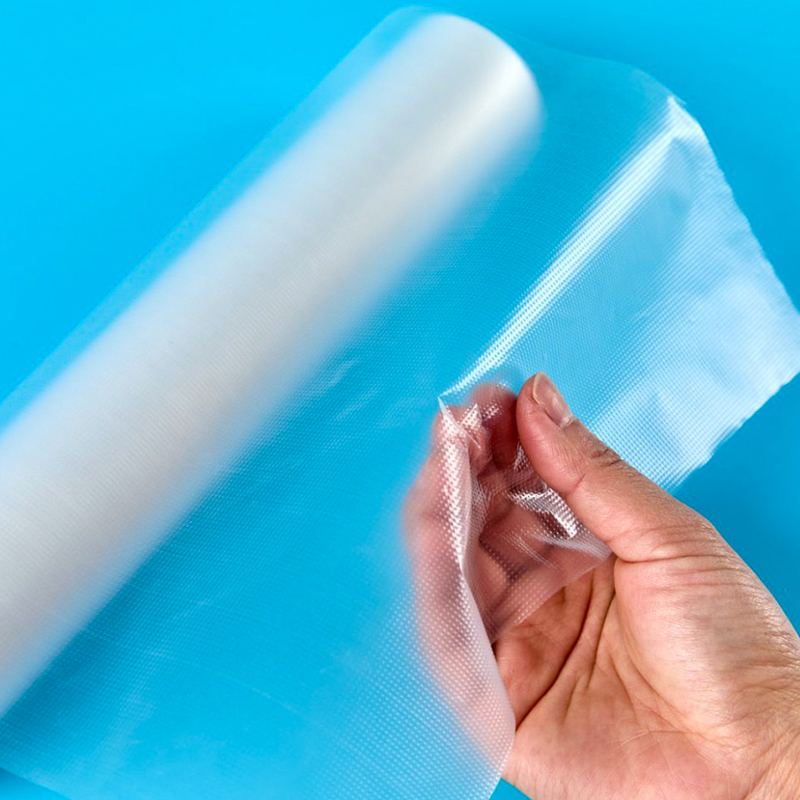
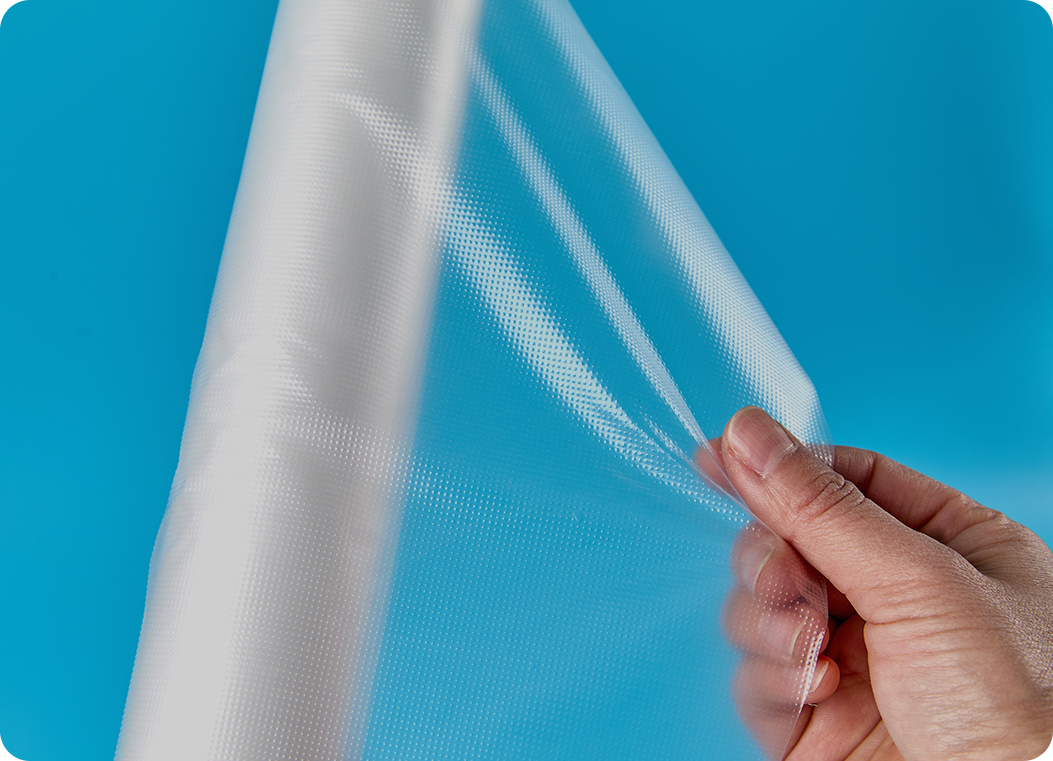
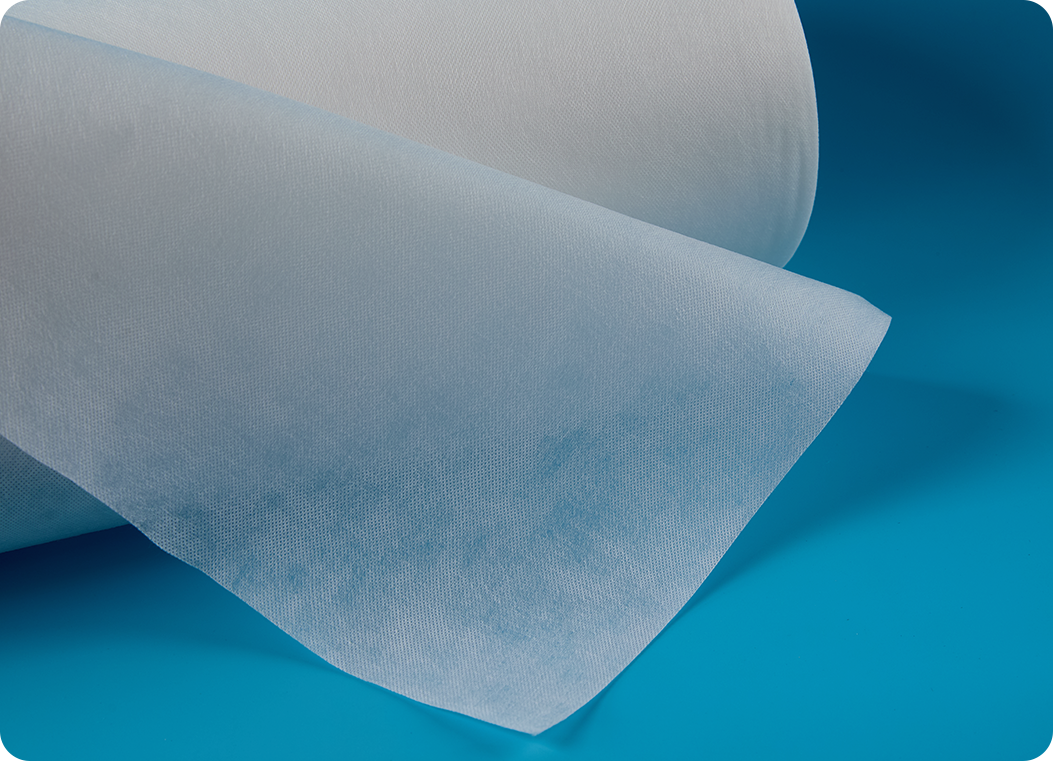
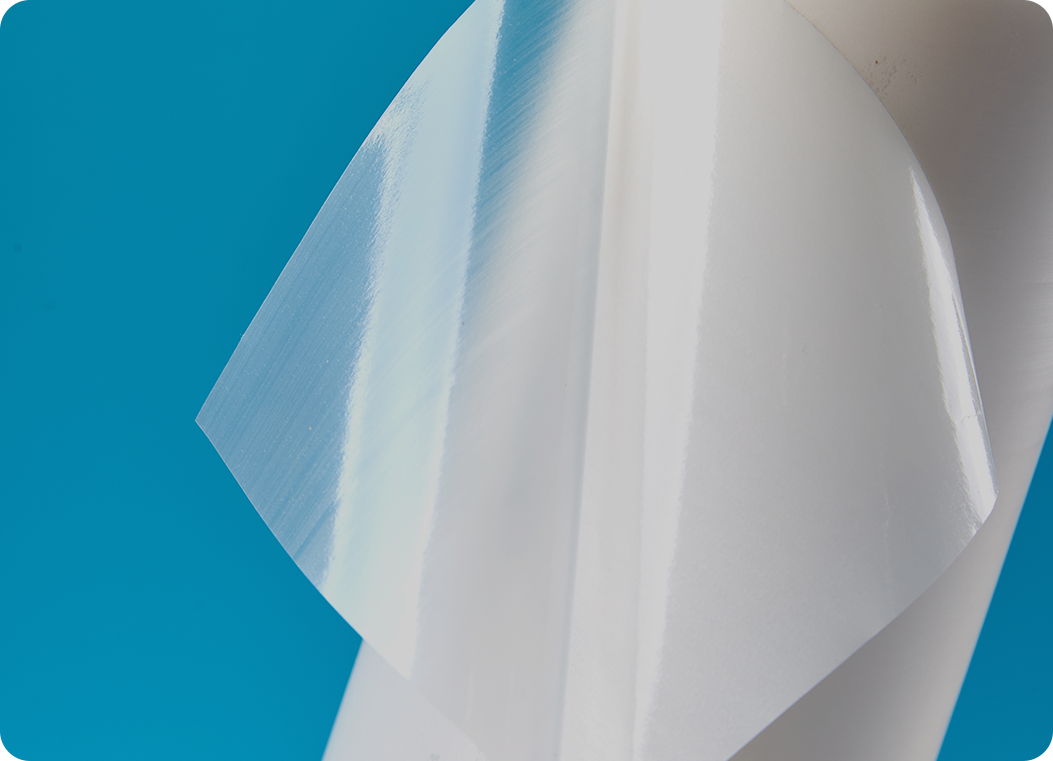
Water-soluble textile accessories are auxiliary materials made from polyvinyl alcohol (PVA) or modified copolymers. They are supplied as nonwoven webs, films, and interlinings, and they are engineered to dissolve within a controlled window of temperature and time. A correct wash-off leaves a clean textile surface with no residual backing, fibre, or adhesive haze.
Content
- 1 What Are Water-Soluble Textile Accessories and How Do They Work?
- 2 Selecting Water-Soluble Textile Accessories by Dissolution Temperature
- 3 Comparing Water-Soluble Backings with Traditional Interlinings
- 4 Sourcing Water-Soluble Textile Accessories: What to Verify with Suppliers
- 5 A Proven Workflow in Embroidery Production
- 6 Frequently Asked Questions About Water-Soluble Textile Accessories
What Are Water-Soluble Textile Accessories and How Do They Work?
Water-soluble textile accessories are temporary support materials that dissolve entirely in water at a set temperature, leaving no residue on the finished garment.
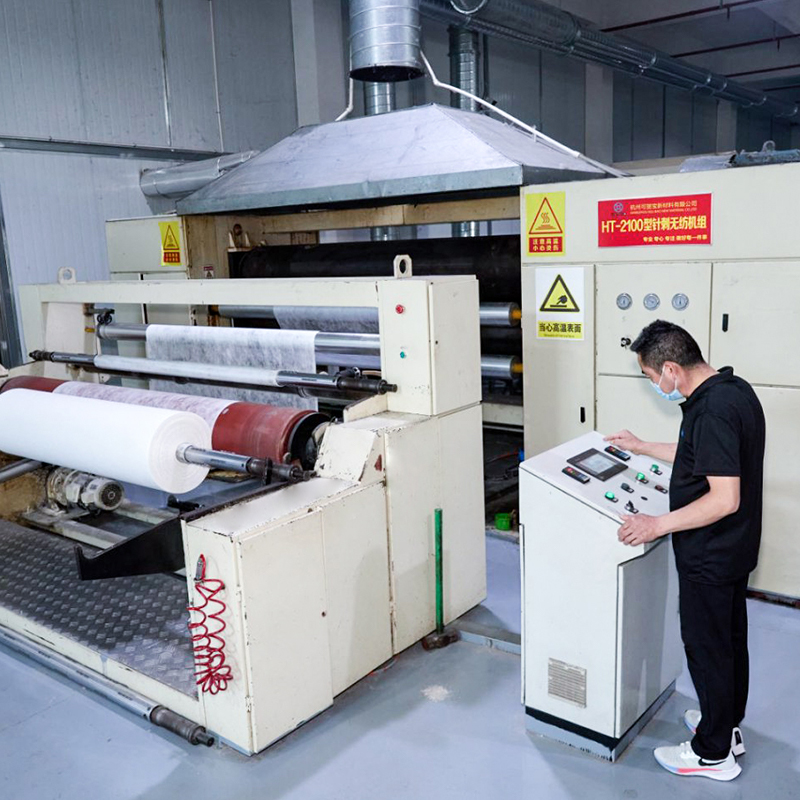
The base polymer in most water-soluble textile accessories is PVA, a polymer that forms a strong film when dry and breaks apart when immersed in water. Manufacturers control the dissolution point by adjusting the degree of hydrolysis, plasticizer content, and web density. That is why a cold-water-soluble nonwoven behaves differently from a warm-water-soluble grade even when both look similar on the roll.
| Grade | Dissolving temperature | Typical wash-off time | Primary use |
| Cold-water-soluble nonwoven | 20-30C | 2-6 min | Lace, freestanding embroidery, wash-away backing |
| Medium-water-soluble nonwoven | 40-60C | 1-3 min | Garment backing, cutwork, applique |
| Warm-water-soluble nonwoven | 70-90C | 30-90 sec | Dense embroidery, industrial washing lines |
| Self-adhesive water-soluble nonwoven | 20-60C | 1-4 min | Anti-slip stabilizer, temporary bonding |
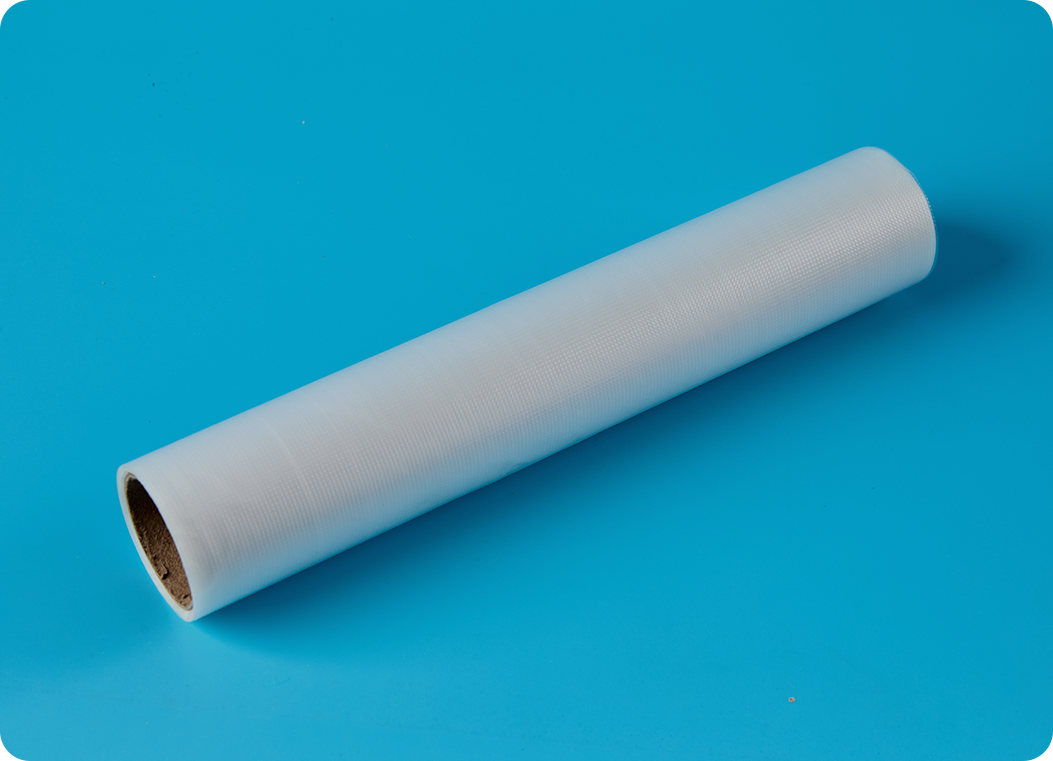
 Cold Water-Soluble Nonwoven Fabric for Heat-Sensitive EmbroideryThis nonwoven dissolves in room-temperature water within about ten seconds, making it suitable for embroidering fabrics that cannot withstand high-temperature washing. Its low dissolution point directly addresses the need to match materials to temperature-sensitive production processes.View Product →
Selecting Water-Soluble Textile Accessories by Dissolution Temperature
The first sourcing decision for water-soluble textile accessories is dissolution temperature, because it dictates which fabrics, machine cycles, and post-treatment processes the material can work with.
Cold-water grades (20-30C) suit silk, rayon, and delicate knits that cannot survive a hot wash. Medium grades (40-60C) are the workhorse for cotton and polyester garments, dissolving quickly in an industrial washer without stressing the fabric. Warm-water grades (70-90C) meet the short dwell times of high-throughput embroidery lines, where the backing must clear out of dense stitch fields in less than two minutes.
Water hardness adds another variable. Hard water above 250 ppm total dissolved solids can leave mineral deposits on the fabric during wash-off. If the local supply is hard, use a softened rinse or choose a nonwoven grade formulated for industrial washing conditions.
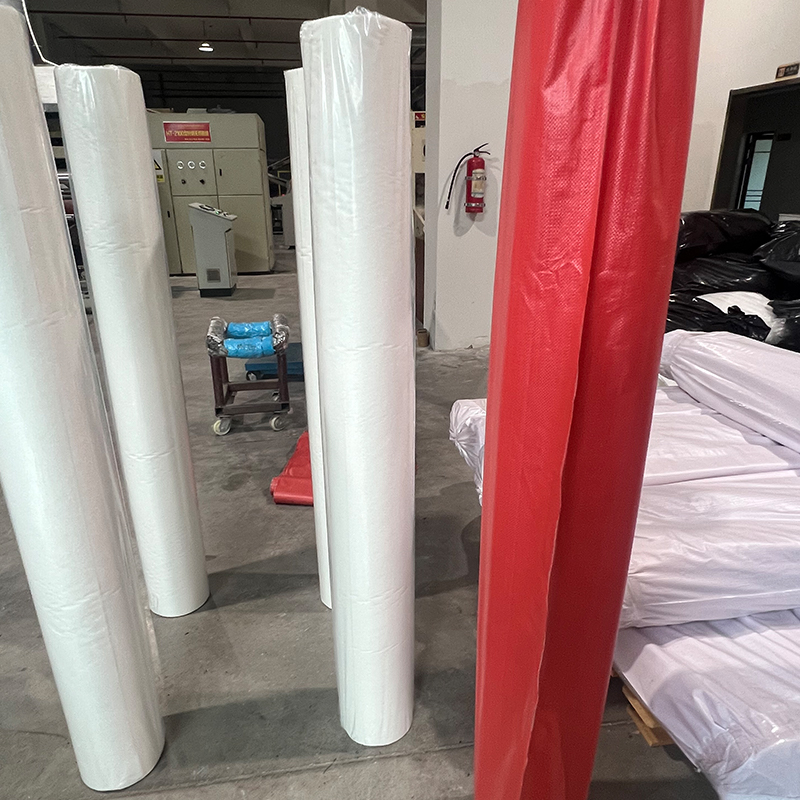 Medium-Warm Water-Soluble Nonwoven Fabric for Controlled Wash-OffThis medium-warm water-soluble nonwoven offers a balanced dissolution profile for embroidery backing, providing reliable removal while maintaining stability during stitching. It suits processes that require careful wash-off planning, especially where water hardness and residue-free results are important.View Product →
Comparing Water-Soluble Backings with Traditional Interlinings
Compared with traditional interlinings, water-soluble textile accessories eliminate residue and manual trimming, but they require a controlled water-based wash-off that must be planned into the production line.
For high-end embroidery, the comparison is not about purchase price; it is about total cost per finished piece. A tear-away backing costs less per metre, but it adds a trimming step, can leave visible fibre ends, and is difficult to use on sheer or open fabrics. A water-soluble nonwoven costs more per metre, yet it disappears in the wash, which often removes the need for a dedicated trimming operator.
Water-Soluble Backings
- Dissolve completely in hot or cold water
- No visible residue on reverse or face fabric
- Support sheer fabrics and freestanding lace
- Require wash-off and drying capacity
Traditional Backings
- Lower material cost per metre
- Need trimming or tearing after stitching
- Can shift during dense sewing
- Leave lint or backing shadows on translucent fabrics
On translucent mesh sportswear, a tear-away backing often leaves visible fibre ends along the needle holes. Water-soluble backing removes that failure mode completely because the support layer is physically gone. On dense logo patches, the nonwoven also prevents the top thread from sinking into the backing, which keeps letter edges crisp.
Sourcing Water-Soluble Textile Accessories: What to Verify with Suppliers
Sourcing water-soluble textile accessories requires verifying four variables: GSM, dissolution profile, moisture protection, and lot-to-lot consistency.
Fabric weight is the starting point. Light 30 gsm nonwovens are used for simple lettering, while 80-120 gsm grades support high-density fill and chenille. The dissolution profile must be documented with the actual water temperature, time, and agitation level. Because PVA is hygroscopic, moisture-proof packaging is not optional: film exposed to humid air can begin to dissolve inside the roll, causing blocked needles and poor feeding.
- GSM and thickness tolerance (30-120 gsm range)
- Documented dissolution curve for cold, medium, or warm water
- Moisture barrier packaging and shelf-life data
- Roll width, splicing, and core quality
- Batch-to-batch consistency report from the production line
- Sample wash-off test before bulk order
Samples should not be evaluated visually alone. Measure the dissolution time and feel the fabric after drying. Some lower-cost nonwovens leave a stiff residue caused by plasticizer migration into the yarns. A good supplier will provide a recommended water-to-fabric ratio and a drying temperature. The most common quality issue in water-soluble textile accessories is not initial solubility but inconsistent solubility between rolls from different production shifts.
A Proven Workflow in Embroidery Production
Water-soluble textile accessories work in four predictable steps: hooping, stitching, dissolving, and drying. The production sequence matters more than the material price.
If the roll has absorbed humidity, the backing will shrink during stitching. If the wash-off temperature is too low, the nonwoven may break into pieces but leave a film haze on dense satin columns. Follow these steps for clean results.
- Hoop with the correct tension. Place the water-soluble accessory under the fabric and use a hoop tension slightly lower than for tear-away backing, because the nonwoven can soften as it absorbs moisture from the face fabric.
- Stitch the design with balanced density. For satin stitches, reduce needle penetration by about 10% compared with cut-away backing, and make sure the bobbin thread tension is stable.
- Wash off at the documented temperature. Use a tunnel washer or immersion bath with the supplier's recommended time. Do not use high-abrasion machines for delicate cold-water grades.
- Dry and inspect under a light table. Check for residual backing in deep stitch fields, especially at the start and stop points of each color change.
The chart represents a typical medium-water-soluble nonwoven. In production, the curve shifts with fabric load, detergent chemistry, and water hardness, so run a quick dissolution test at the start of each shift.
In appliqué and patch work, a thin embroidery hot-melt adhesive film is often paired with water-soluble backing to bond layers before the wash-off step. This combination keeps the motif flat during stitching and allows the water-soluble accessory to hold the outer edge without shifting.
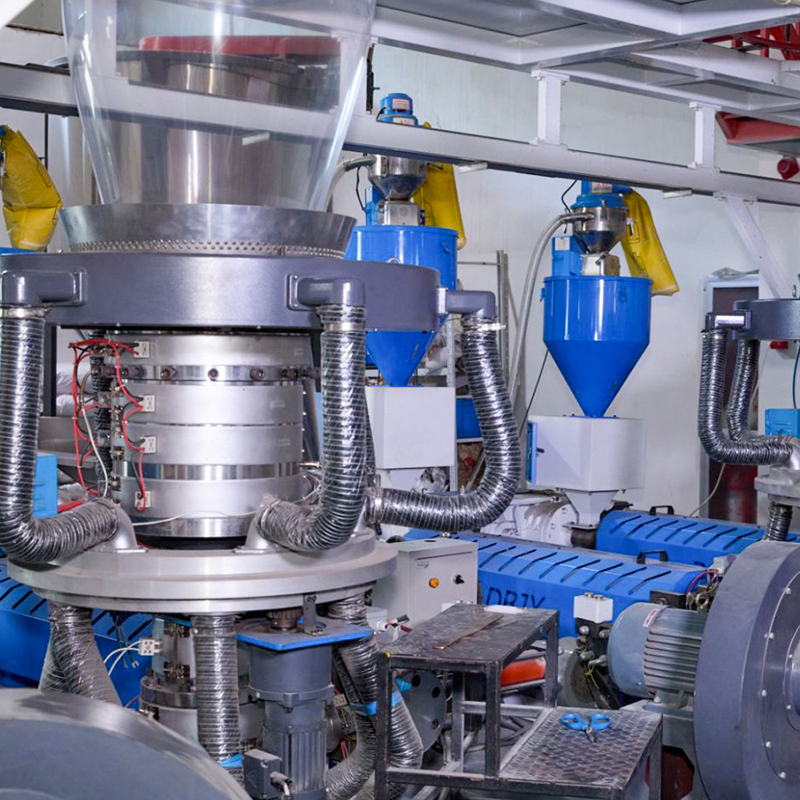 Embroidered Hot-Melt Adhesive Film for Residue-Free BondingThis hot-melt adhesive film bonds fabric layers before wash-off and peels away cleanly without residue, making it a practical companion to water-soluble backings in appliqué work. Its low activation temperature protects fabrics and threads from heat damage and meets high standards for children's clothing embroidery.View Product →
Frequently Asked Questions About Water-Soluble Textile Accessories
Can I use cold-water-soluble nonwoven for dense satin stitching?
Yes, but only if the design has moderate stitch density and the face fabric can survive a cold-water rinse. For high-density satin or chenille, choose a medium- or warm-water-soluble grade with higher GSM, because it resists needle pressure longer.
How long do water-soluble textile accessories last in storage?
In sealed moisture-barrier packaging, PVA-based nonwovens typically stay stable for 6-12 months at 20-25C and under 60% relative humidity. Once opened, the roll should be used within 2-4 weeks and stored in a dry cabinet.
What water temperature should be used for wash-away embroidery backing?
Use the temperature specified by the supplier. Cold-water grades dissolve at 20-30C, medium grades at 40-60C, and warm-water grades at 70-90C. Test a sample each shift because incoming water temperature varies by season.
Are water-soluble nonwoven and water-soluble film the same?
No. Nonwoven is a fibrous web used as backing or interlining, while film is a continuous dense sheet used for bags, packaging, and transfer processes. Both dissolve in water, but their mechanical properties and applications differ.