 English
 中文简体
 Türk
An embroidery plant in Dongguan ran 1.6 m wide cold-water-soluble nonwoven through a direct inkjet line with the platen at 45 deg C. The first 400 m looked perfect; by the end of the shift the web had curled, the pigment film had lost adhesion, and an entire roll was scrapped. The failure was not the printer or the ink. It was the material grade. Water-soluble nonwoven printing fails fast when process heat crosses the substrate's rated dissolution point, and it fails at scale.
Water-soluble nonwoven printing is the process of applying ink, patterns, or alignment marks onto a polyvinyl alcohol (PVA) nonwoven that is engineered to dissolve completely in water at a controlled temperature. The printed carrier must hold registration during handling, embroidery, or sewing, then disappear cleanly in a wash bath. This guide covers the temperature limits, the methods that work in production, the grade choices, and the sourcing checks that prevent an expensive bad run.
Content
- 1 What Is Water-Soluble Nonwoven Printing?
- 2 Why Low-Temperature Printing Is the Core Constraint on Dissolvable Substrates
- 3 Comparing Printing Methods for Water-Soluble Nonwoven
- 4 Matching Nonwoven Grades to the Print Job
- 5 Sourcing Print-Ready Water-Soluble Nonwoven: A Practical Checklist
- 6 Frequently Asked Questions About Print-Grade Nonwoven
What Is Water-Soluble Nonwoven Printing?
Water-soluble nonwoven printing is the application of ink onto a PVA-based dissolvable fabric that acts as a temporary carrier and is removed by water after the downstream process is complete.
Unlike conventional textile printing, where the goal is a wash-fast, durable print, printing on a water-soluble nonwoven has the opposite objective. The print only needs to survive a short handling window: unwinding, printing, drying, embroidering or sewing, and then dissolving. That shift in objective changes the material priorities. Dimensional stability, curl resistance, and predictable dissolution matter more than color fastness or abrasion resistance.
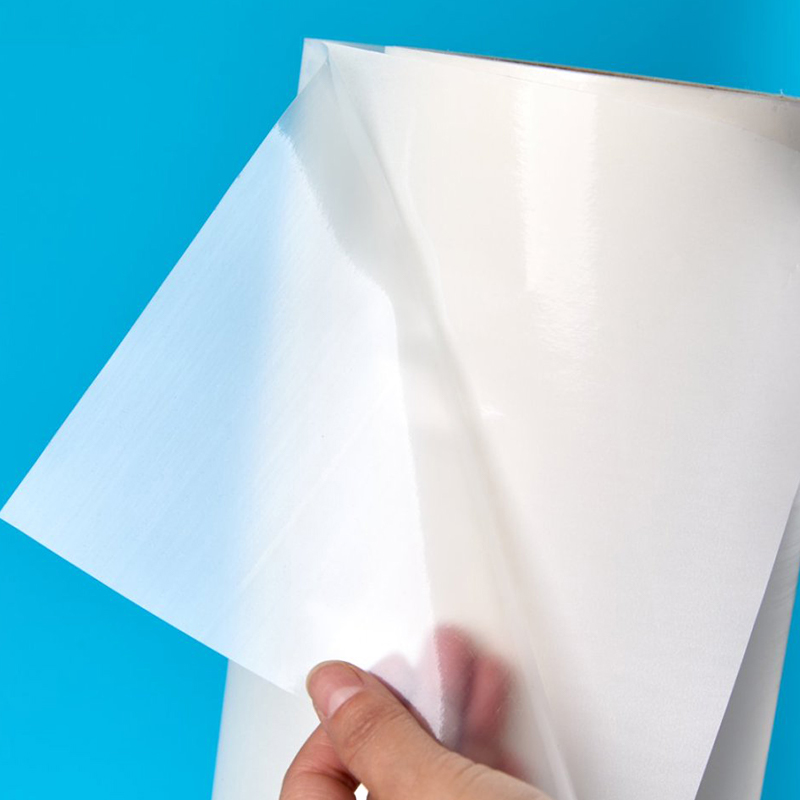
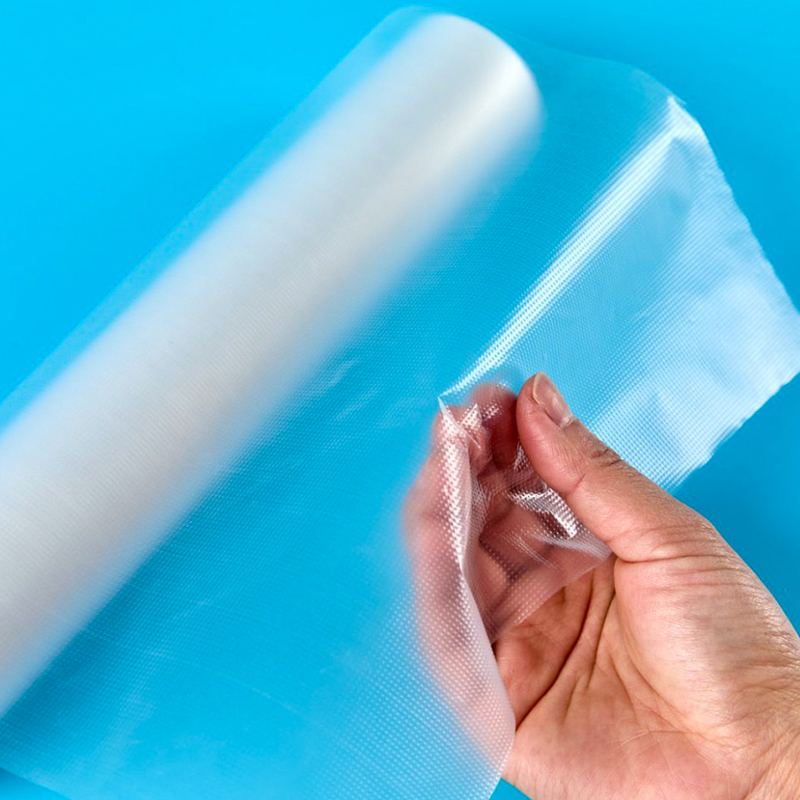
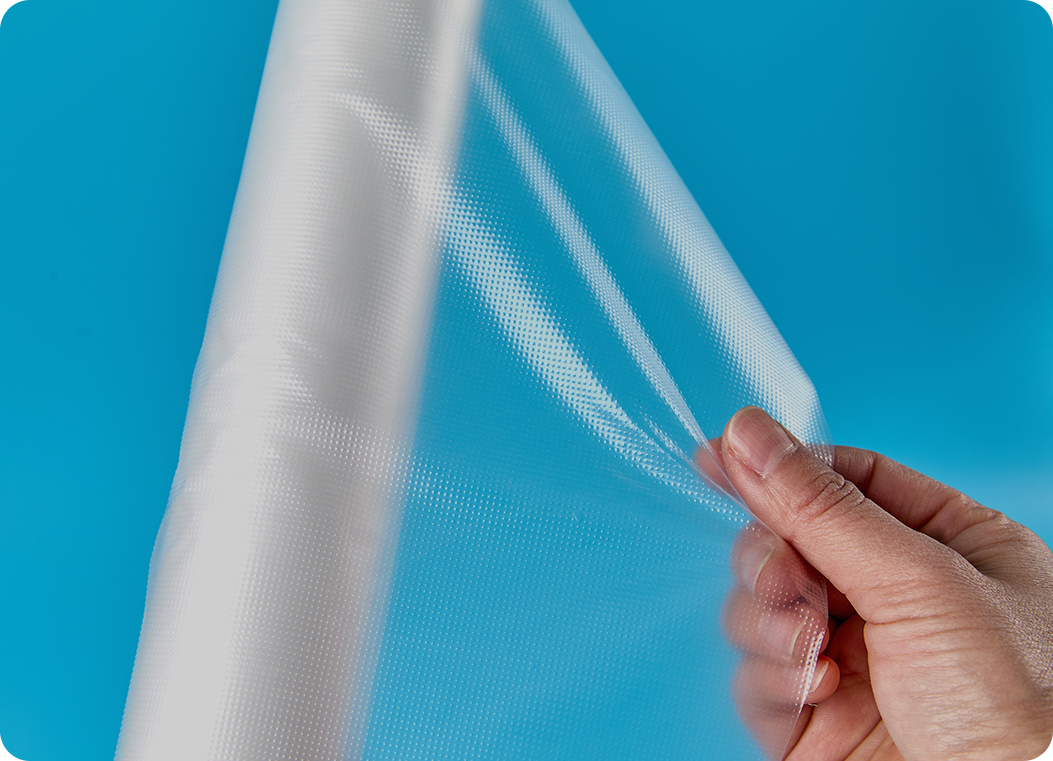
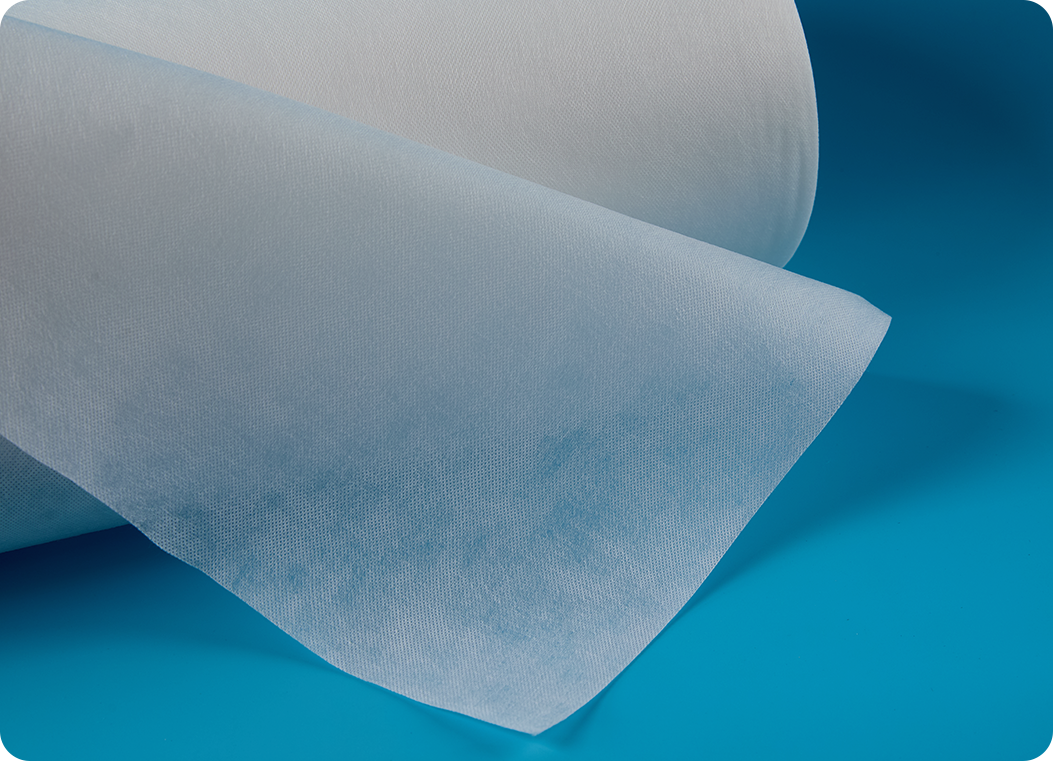
The substrate is usually a 20 to 60 gsm nonwoven made from PVA fibers. It is biodegradable and designed to break down in water, with typical dissolution times between 20 and 90 seconds at the rated temperature. Printers use it for embroidery backing, appliqué motifs, temporary garment markers, and water-soluble interlining — all cases where the carrier must vanish without residue. Choosing the right starting point is easier with a side-by-side look at water-soluble nonwoven fabric grades and their properties.
Why Low-Temperature Printing Is the Core Constraint on Dissolvable Substrates
Low-temperature printing is the only practical route for water-soluble nonwoven because standard dissolvable grades soften, curl, or begin dissolving at 30 to 60 deg C, which is far below the curing temperature of conventional textile inks.
PVA is hydrophilic and partly thermoplastic. Heat accelerates its interaction with moisture, and the moment a printed web absorbs heat beyond its rated window, three things happen: the fibers begin to relax, the surface becomes tacky, and the roll starts to curl at the edges. That is the failure mode seen in the opening scenario. Inkjet platens, screen-printing dryers, and heat-transfer presses all generate enough heat to trigger it.
Low-temperature printing nonwoven is a specific grade formulated to accept pigment inks without entering the dissolution window during processing. It typically stays dimensionally stable at 50 to 60 deg C and still dissolves cleanly at 25 to 35 deg C in the wash bath. It is the default recommendation for direct-print appliqué and embroidery-backed graphic work.
 Low-Temperature Printing Water-Soluble Nonwoven FabricDesigned for direct-print appliqué and embroidery-backed graphics, this grade accepts pigment inks at 50–60°C while dissolving cleanly in a 25–35°C wash bath, making it a practical choice for heat-sensitive materials.View Product →
Comparing Printing Methods for Water-Soluble Nonwoven
Screen printing and piezoelectric inkjet are the two production-proven methods for water-soluble nonwoven; roller printing works for high volume, and conventional heat transfer is not viable for standard dissolvable grades.
| Method | Working temperature | Ink system | Resolution | Typical use |
| Screen printing | 15 to 40 deg C air-dry | Pigment or water-reduced screen inks | 100 to 250 mesh | Repeat motifs, embroidery backing |
| Piezoelectric inkjet | 20 to 50 deg C platen | Pigment or solvent-based inks | 720 to 1440 dpi | Short runs, logos, alignment marks |
| Roller / gravure | 20 to 60 deg C drying | Pigment inks with low-temp binder | 200 to 400 dpi | Continuous high-volume patterns |
| Heat transfer | 120 to 200 deg C press | Not suitable for standard grades | n/a | Causes premature dissolution |
- Water-based reactive inks are a direct risk: they carry moisture into the PVA web and lower the effective dissolution threshold.
- Screen-printing dryers above 60 deg C will tackify low-temperature grades before the ink film cures.
- Heat-transfer presses at 120 deg C and above turn standard water-soluble nonwoven into a sticky sheet instead of a printed carrier.
Matching Nonwoven Grades to the Print Job
The grade you print on decides dissolution speed, wet-tension strength, and whether the carrier can survive embroidery tension without tearing.
A printed carrier needs two properties that pull in opposite directions. It must stay strong during embroidery, then break apart quickly in water. Suppliers resolve the conflict with different dissolution-temperature grades.
| Grade | Dissolution temp | Dissolution time | Print behavior | Typical application |
| Cold-water soluble | up to 20 deg C | 20 to 40 s | Stable at low platen heat; keep process below 50 deg C | Embroidery backing, tap-water removal |
| Low-temperature printing | 25 to 35 deg C | 30 to 60 s | Formulated for pigment ink pick-up without curl | Direct-print appliqué motifs |
| Medium / warm water soluble | 40 to 60 deg C | 40 to 90 s | Higher wet-tension; needs a warm wash bath | Structured garments, water-soluble interlining |
| Self-adhesive | Grade-dependent | Grade-dependent | Peel-and-stick layer keeps printed layers registered | Patches, labels, layered embroidery |
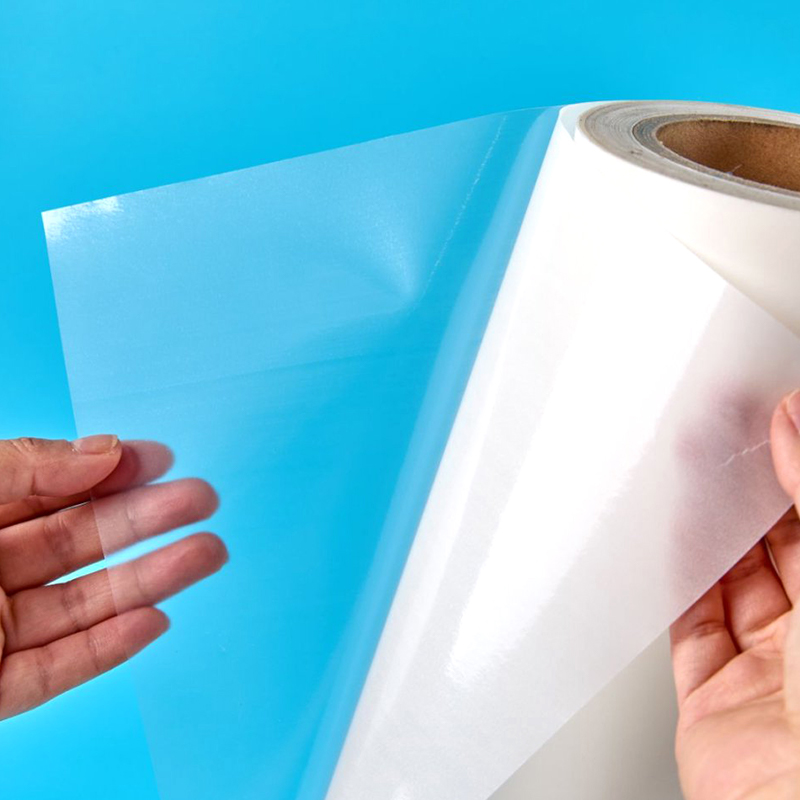
Cold-water grades shorten the wash cycle and cut energy costs, which is why they dominate embroidery. If your printed part must hold position across multiple needle passes, a cold-water-soluble nonwoven removes the carrier fastest. For layered embroidery and patch positioning, a self-adhesive variant keeps printed layers aligned before the first needle pass.
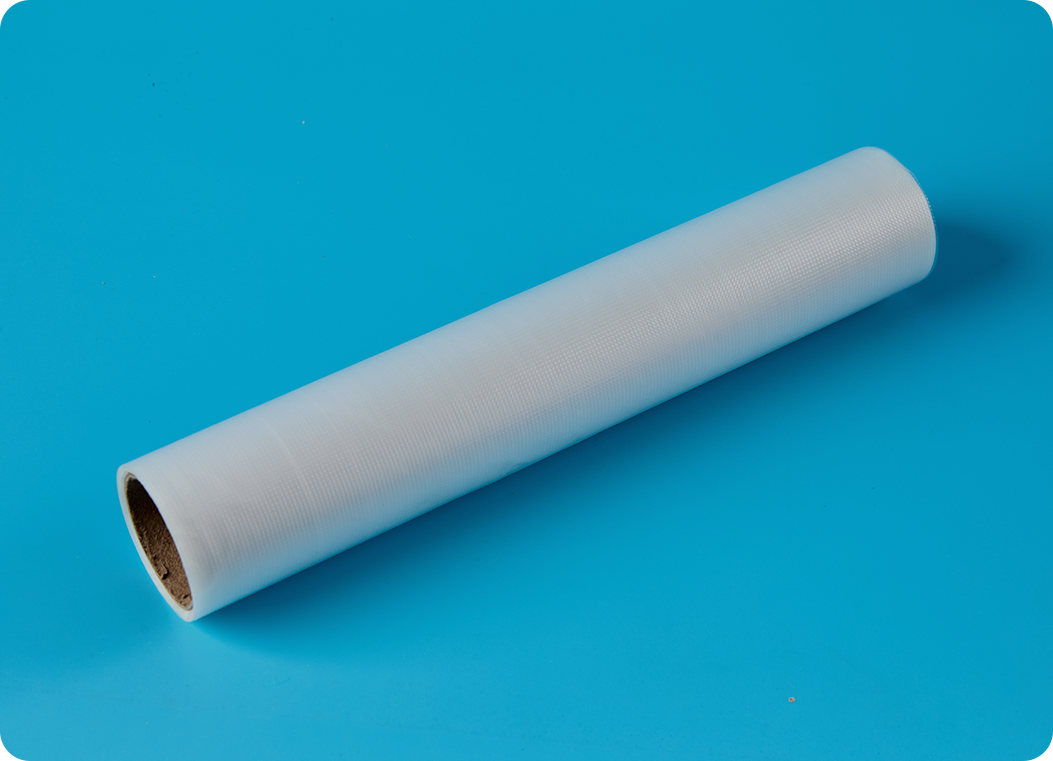
 Cold-Water-Soluble Nonwoven Fabric for EmbroideryThis PVA-based nonwoven dissolves in room-temperature water in about ten seconds, protecting high-end fabrics from heat damage. It supports dense embroidery and finds uses across medical, home textile, and protective wear applications.View Product →
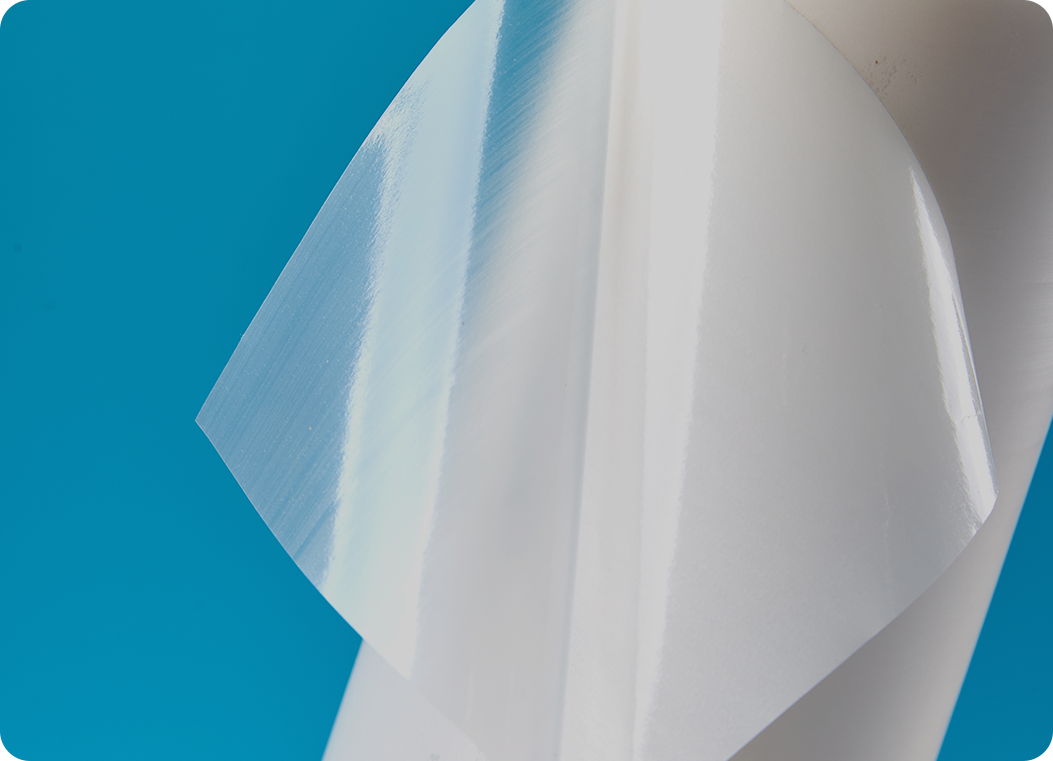
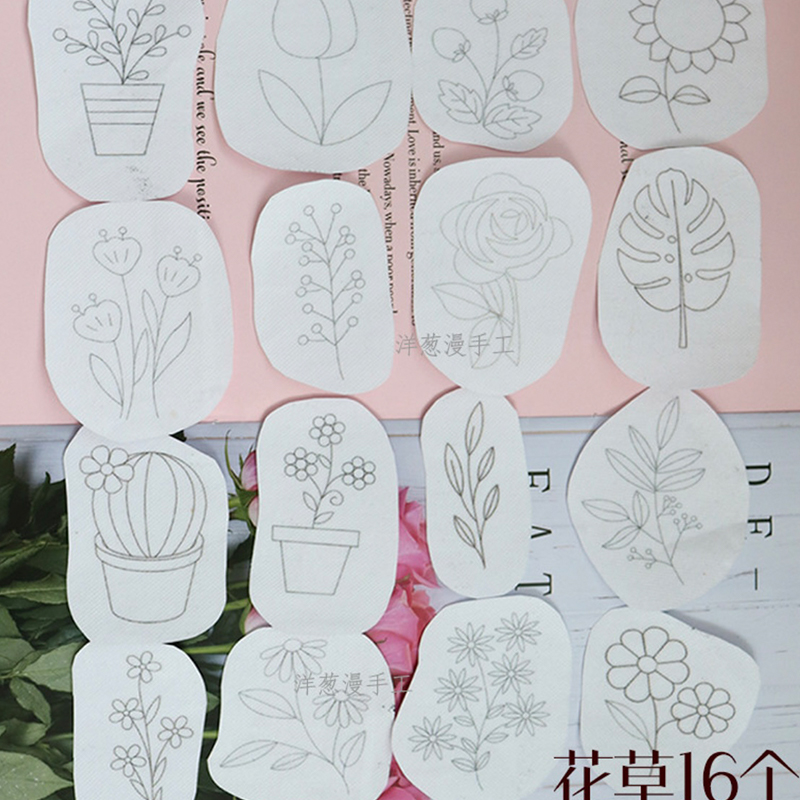 Self-Adhesive Water-Soluble Nonwoven FabricFeaturing a sticky backing and high transparency, this nonwoven holds printed layers and complex patterns in place during multi-needle embroidery, then rinses away completely to leave only the stitched design.View Product →
Sourcing Print-Ready Water-Soluble Nonwoven: A Practical Checklist
Before you place a volume order for print-ready water-soluble nonwoven, verify four performance points: rated dissolution temperature, gsm uniformity, curl resistance, and ink-film adhesion with your own ink system.
A material data sheet gives you the rated numbers, but it does not tell you how the roll behaves on your printer. Buyers who skip the trial run discover the hard way that two suppliers' "cold-water soluble" grades behave completely differently on the same platen.
- Rated dissolution temperature, with an onset tolerance of plus or minus 5 deg C.
- Gsm uniformity across the roll width; specify 20 to 60 gsm and measure edges versus center.
- Curl resistance at your actual platen temperature for at least 20 minutes.
- Ink-film adhesion after drying, using the exact ink you run in production.
- Lot traceability and batch certificates for every roll.
- Storage protocol: keep rolls sealed below 50 percent relative humidity.
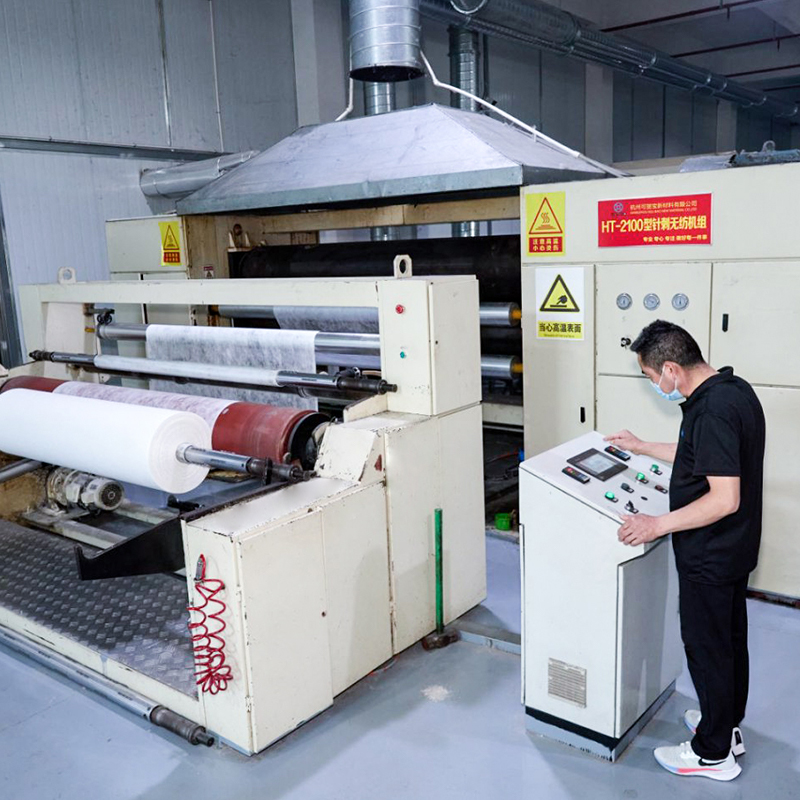
A manufacturer that controls the full line — from PVA raw material to nonwoven forming, printing-compatible finishing, slitting, and testing — can usually document these points. Anhui Haita New Material Technology Co., Ltd., for example, has run a water-soluble material production line since 2003, with each product family rated at 500,000 m2 of daily capacity and annual material consumption above 5,000 tonnes. That scale matters because printing-grade nonwoven is consumed in roll form, and roll-to-roll consistency is the variable that separates a smooth run from a stoppage.
Frequently Asked Questions About Print-Grade Nonwoven
Can I print on water-soluble nonwoven with a standard inkjet printer?
Yes, if the printer uses pigment or solvent-based inks and the platen temperature stays below the grade's activation threshold. Water-based dye inks carry moisture into the PVA web and will cause curling.
What water temperature dissolves water-soluble nonwoven?
It depends on the grade: cold-water grades dissolve up to 20 deg C, low-temperature printing grades at 25 to 35 deg C, and medium or warm-water grades at 40 to 60 deg C. Always confirm the rated value with the supplier and test the batch.
Why does printed nonwoven curl in the printer?
Curl is a heat and moisture response. The platen is too hot, the ink is too wet, or the grade was not designed for printing. Reduce the platen temperature, switch to a low-temperature printing grade, and run a 20-minute exposure test.
How long does printed water-soluble nonwoven take to dissolve?
Most grades dissolve in 20 to 90 seconds at their rated water temperature. Cold-water grades are the fastest, while warm-water grades trade speed for higher wet-tension during sewing and embroidering.