 English
 中文简体
中文简体 Türk
TürkContent
What Is Water-Soluble Nonwoven Fabric?
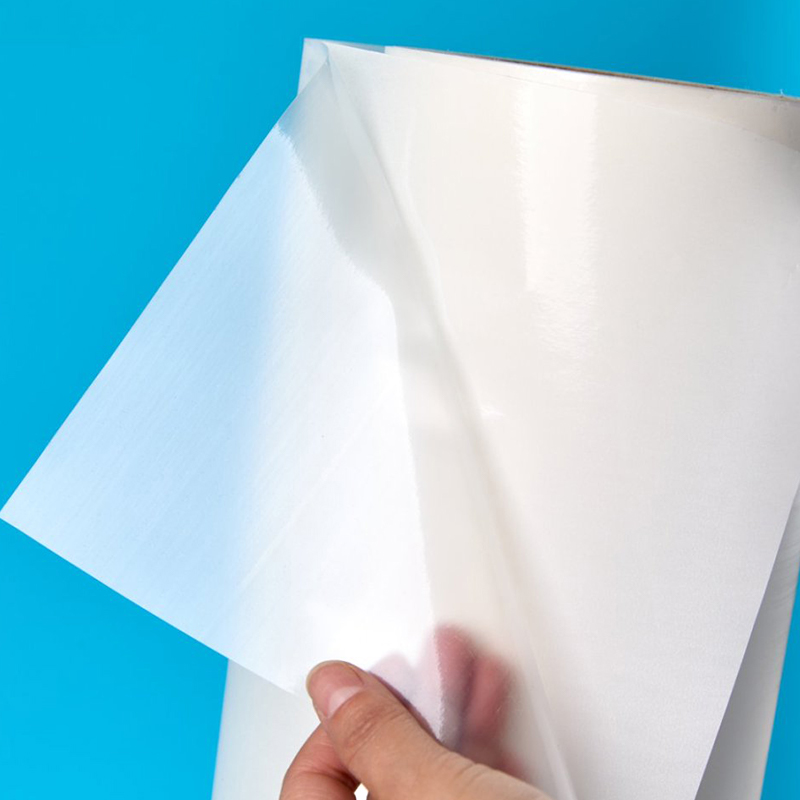
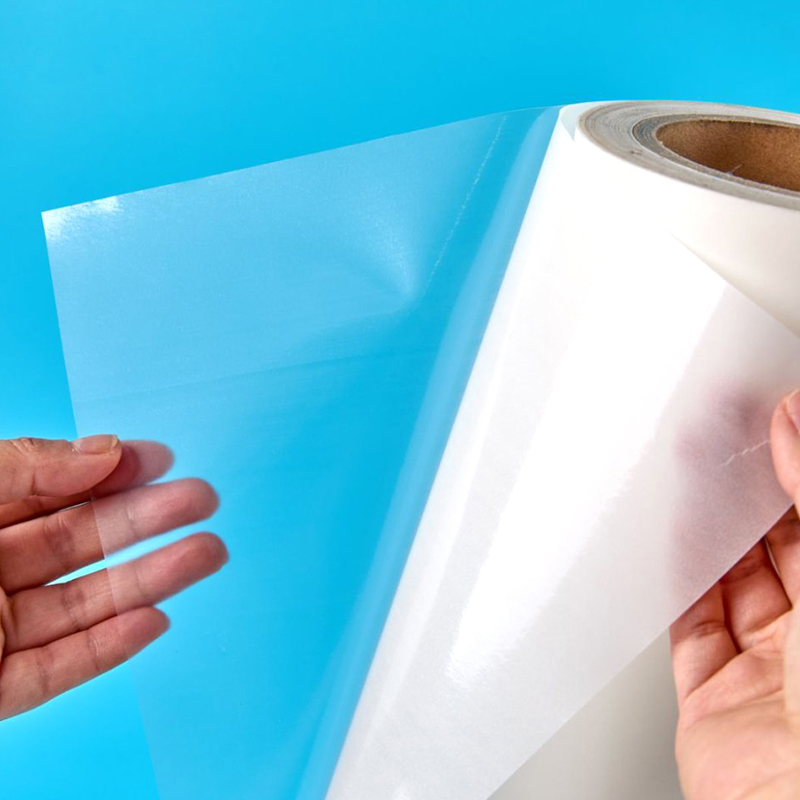
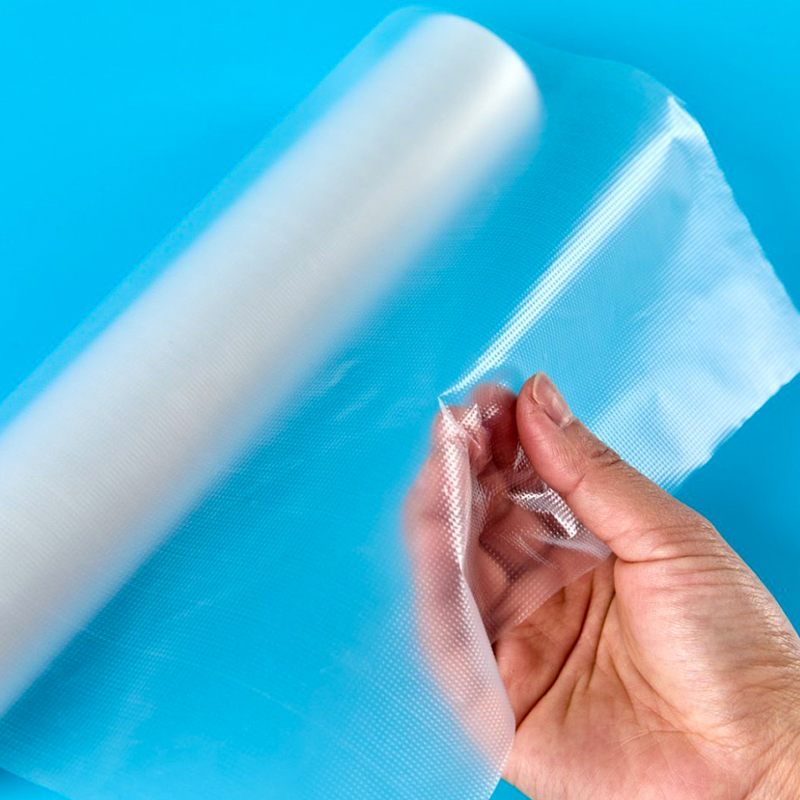
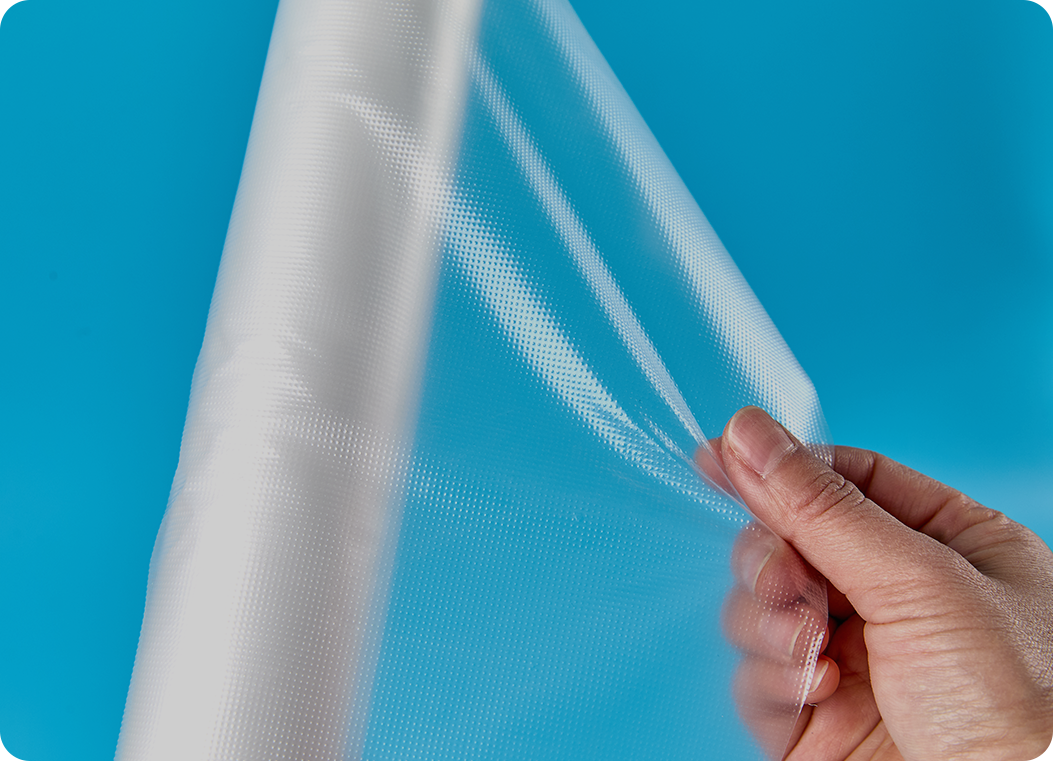
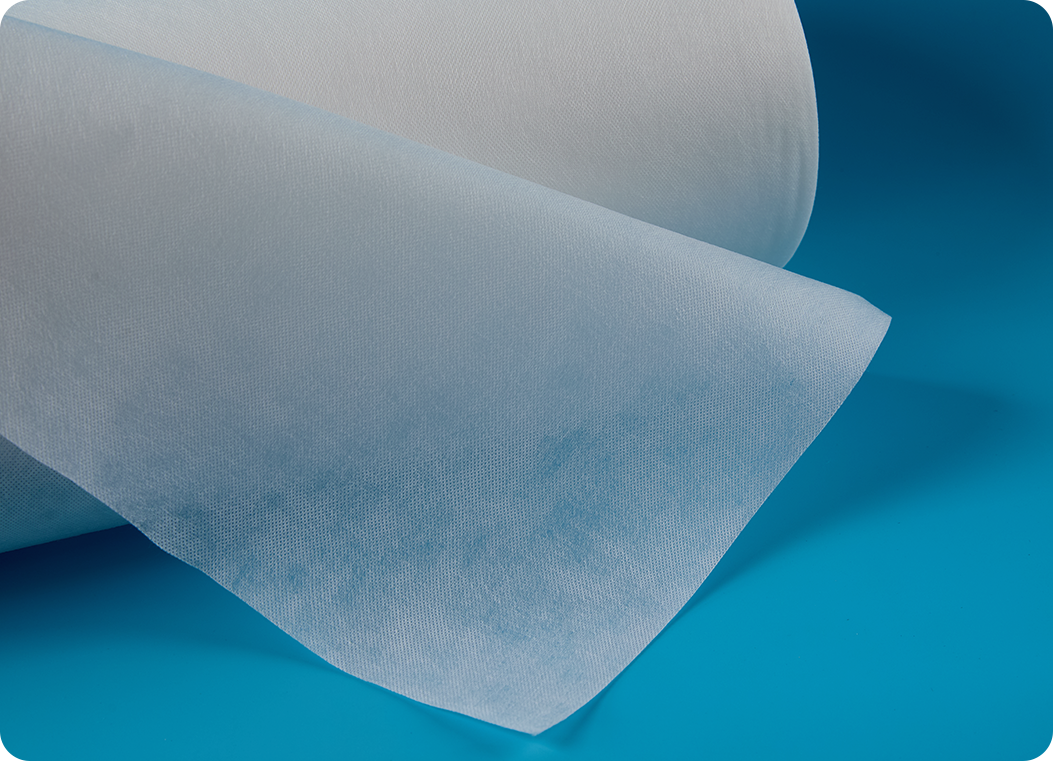
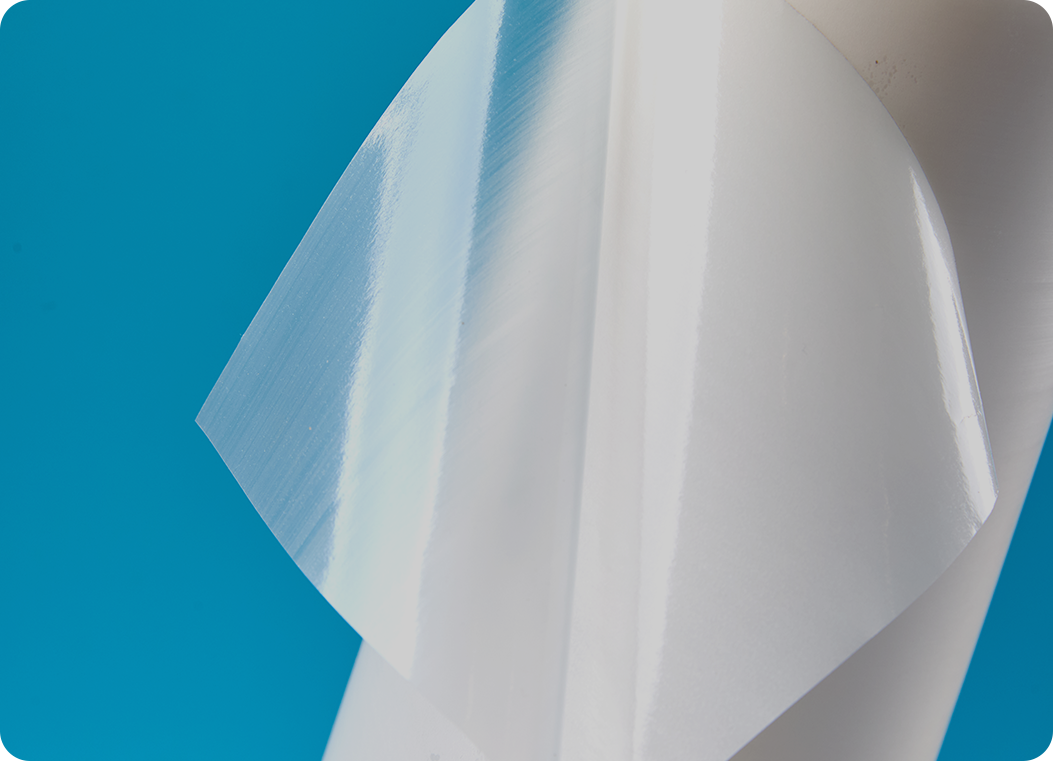
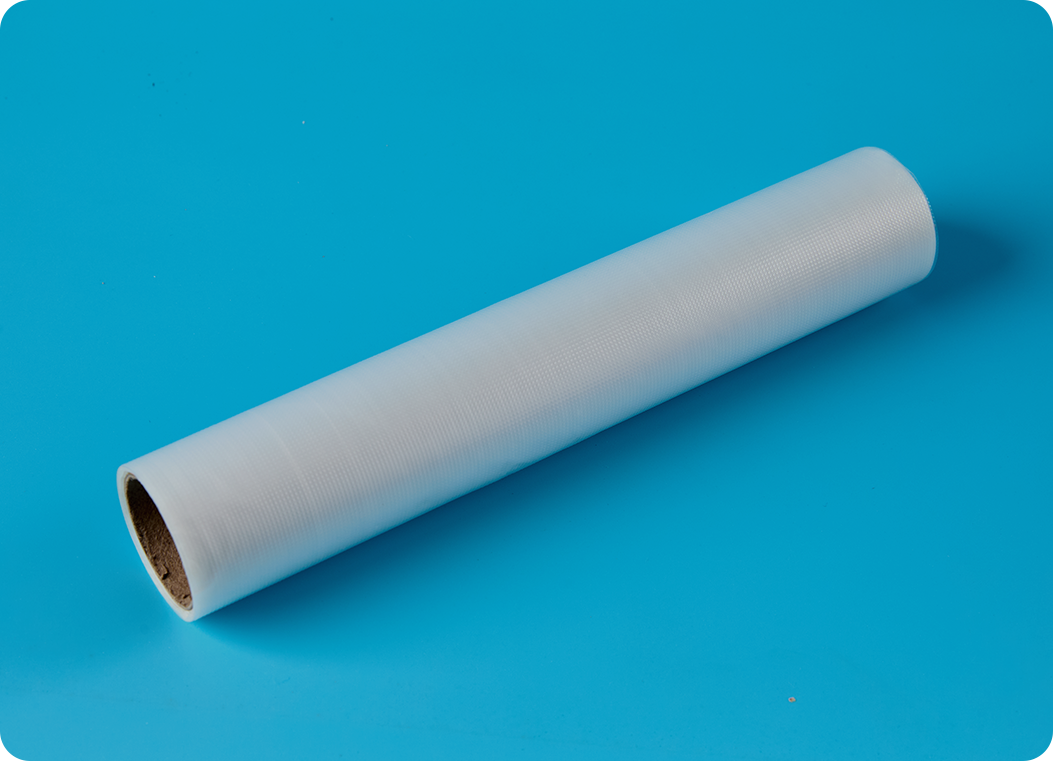
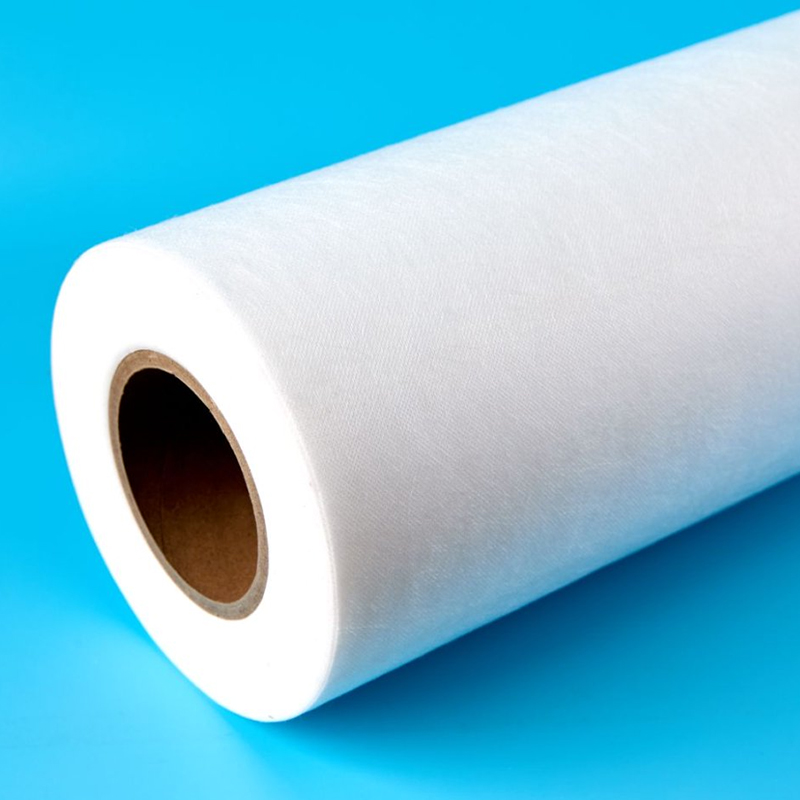
Water-soluble nonwoven fabric is an engineered textile that fully dissolves in water at specific temperatures, leaving no residue behind. It is manufactured primarily from polyvinyl alcohol (PVA) fibers, a synthetic polymer with a unique combination of film-forming, emulsifying, and adhesive properties that make it responsive to water. Unlike conventional nonwovens, which persist in the environment after use, water-soluble nonwovens break down completely — a characteristic that drives demand across embroidery, medical, hygiene, and packaging industries.
The dissolution behavior is governed by the degree of hydrolysis and polymerization of the PVA resin. Cold-water-soluble grades typically dissolve below 25°C, while hot-water-soluble versions require temperatures of 60°C or above. This spectrum of solubility thresholds allows manufacturers to tailor the material to highly specific end-use requirements.
Key Properties and Technical Characteristics
The performance profile of water-soluble nonwoven fabric makes it distinctly different from standard substrates. Core properties include:
- Complete water solubility: Dissolves fully without leaving fiber fragments or harmful byproducts, making it suitable for applications that demand clean dissolution.
- Mechanical stability before contact with water: Dry tensile strength is sufficient for machine handling, stitching, and lamination processes under normal ambient humidity conditions.
- Biodegradability: PVA is biodegradable under aerobic conditions in standard wastewater treatment systems, with studies indicating over 99% removal efficiency in activated sludge environments.
- Chemical compatibility: Resistant to oils, greases, and most organic solvents, enabling use in chemically active environments without premature degradation.
- Variable basis weight: Available in a range typically spanning 20 g/m² to 60 g/m², accommodating lightweight embroidery backings and heavier industrial applications.
Storage conditions matter. Because PVA fiber is hygroscopic, water-soluble nonwovens must be kept in sealed, low-humidity environments. Exposure to moisture above approximately 65% relative humidity can initiate partial dissolution and compromise structural integrity before intended use.
Industrial and Commercial Applications
Water-soluble nonwoven fabric serves as a functional substrate across a wide range of industries, each exploiting the dissolution property in a different way.
Embroidery and Textile Production
This remains the largest single application segment. Water-soluble nonwoven is used as a topping or backing in machine embroidery — placed over delicate fabrics like lace, mesh, or toweling to stabilize the surface during stitching. Once embroidery is complete, the backing dissolves in a rinse cycle, leaving only the stitch pattern. This eliminates the need to tear away traditional stabilizers and prevents distortion of open-weave or pile fabrics.
Medical and Hygiene Products
Hospitals and laundry services use water-soluble bags and wraps made from this material for the safe handling of soiled linen and contaminated garments. The sealed bag can be placed directly into a washing machine without manual handling, reducing cross-contamination risk. Regulatory frameworks in several countries recognize PVA-based soluble packaging as an approved infection control measure in healthcare settings.
Agricultural Seed Tapes and Cassettes
Water-soluble nonwoven serves as a carrier medium for pre-spaced seeds in precision agriculture. Seeds are encased in or sandwiched between layers of the fabric, which is then laid into a prepared furrow. Upon irrigation or rainfall, the fabric dissolves and releases the seeds at exact intervals — improving germination rates and eliminating manual thinning labor.
Packaging for Pre-Dosed Chemicals
Detergent pods, laundry sheets, and agricultural chemical sachets use water-soluble nonwoven or film composites to encapsulate precise dosages. The operator handles a dry, stable packet, while the active chemistry releases only at the point of use — improving safety, reducing measurement errors, and cutting packaging waste.
Cold-Water vs. Hot-Water Soluble: Choosing the Right Grade
Selecting between cold-water and hot-water soluble grades is a critical specification decision. The table below summarizes the primary differences:
| Parameter | Cold-Water Soluble | Hot-Water Soluble |
|---|---|---|
| Dissolution temperature | Below 25°C | 60°C – 90°C |
| Humidity sensitivity | High — requires sealed storage | Moderate |
| Typical applications | Seed tapes, delicate embroidery, cold-wash laundry bags | Medical laundry bags, industrial chemical sachets |
| Mechanical strength | Lower tensile strength | Higher tensile strength |
| Processing compatibility | Avoid high-humidity environments | More robust in ambient conditions |
For embroidery applications involving delicate or temperature-sensitive base fabrics, cold-water soluble grades are preferred. In medical laundry contexts where hygienic washing at high temperatures is mandated by infection control protocols, hot-water grades provide better handling integrity throughout the wash cycle preparation phase.
Environmental Profile and Sustainability Considerations
The environmental credentials of water-soluble nonwoven fabric are frequently cited, but require nuanced evaluation. PVA does not generate microplastic particles upon dissolution — a significant advantage over conventional synthetic nonwovens such as polyester or polypropylene, which fragment into persistent micro-fibers during washing. This distinction has made PVA-based substrates increasingly relevant as regulatory pressure on microplastic emissions intensifies globally.
However, the biodegradability of PVA depends heavily on the conditions of the receiving water system. In conventional municipal wastewater treatment plants equipped with activated sludge processing, PVA is effectively metabolized by microorganisms. Direct discharge into cold, low-activity water bodies may slow degradation considerably. End-users should verify that their local wastewater infrastructure is compatible with PVA dissolution before positioning the material as a zero-impact solution.
From a lifecycle perspective, water-soluble nonwoven eliminates the solid waste stream associated with conventional backing materials that are cut away and landfilled after embroidery or other processing. Life cycle assessments comparing PVA-based nonwovens against polyester stabilizers have reported reductions in solid waste generation of up to 80% in embroidery production lines that switch to water-soluble substrates.
Procurement and Quality Evaluation Criteria
When sourcing water-soluble nonwoven fabric, buyers should evaluate suppliers against the following technical and commercial parameters:
- Dissolution consistency: Request test data confirming complete dissolution at the stated temperature within a defined time window — typically 30 to 120 seconds for quality grades.
- Basis weight tolerance: Tight weight uniformity (±5% or better) is critical for consistent machine handling and predictable performance in automated embroidery or sealing equipment.
- Residue-free dissolution: Verify that no visible or tactile residue remains after dissolution, particularly for applications involving colored garments or sensitive substrates where PVA film deposits could cause staining.
- Roll width and surface finish: Confirm that roll dimensions and surface texture are compatible with existing embroidery frames, sewing equipment, or packaging machinery.
- Shelf life and packaging: Quality suppliers will package rolls in moisture-barrier film with desiccants, guaranteeing a minimum shelf life of 12 to 24 months under recommended storage conditions.