
 English
 中文简体
中文简体 Türk
TürkContent
- 1 What is Biodegradable water‑soluble film?
- 2 Key advantages: water soluble film packaging benefits
- 3 Common applications and use cases
- 4 How how biodegradable water soluble film degrades in water — degradation mechanism & best practices
- 5 How to choose the right water‑soluble film for your project
- 6
- 7 FAQ
What is Biodegradable water‑soluble film?
Definition and material composition
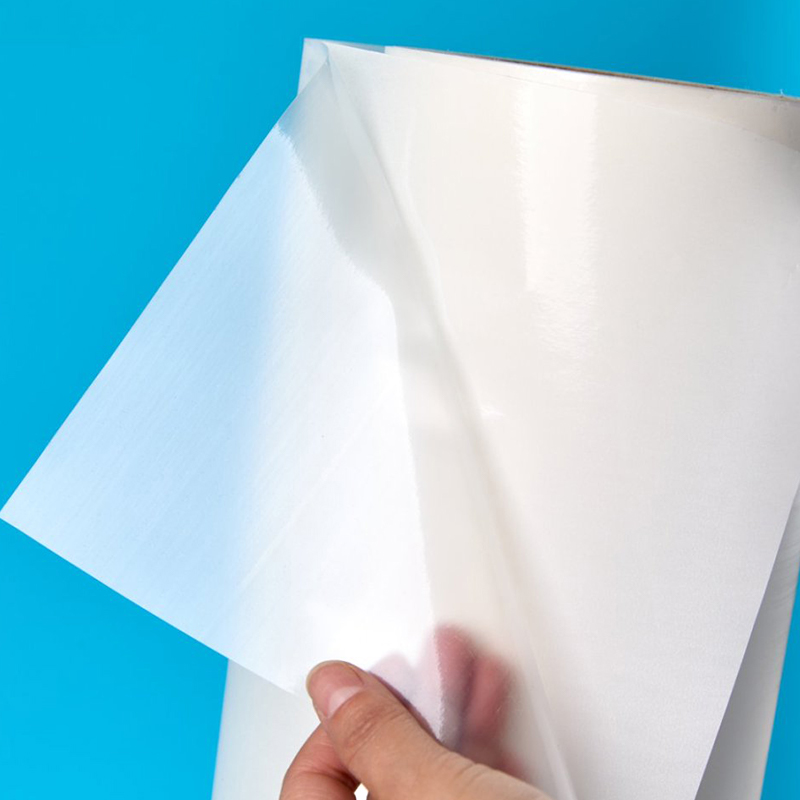
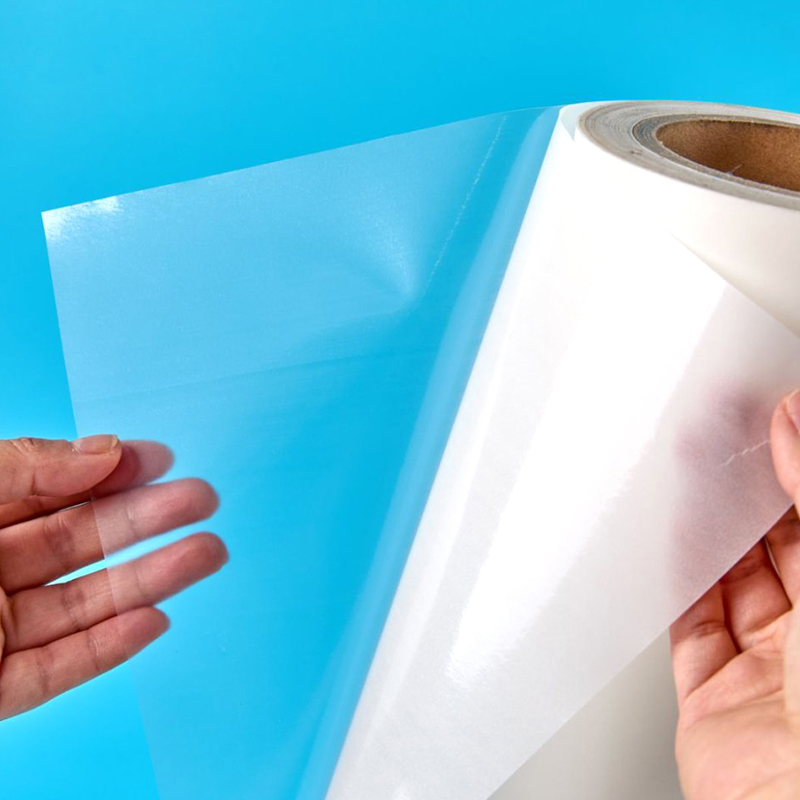
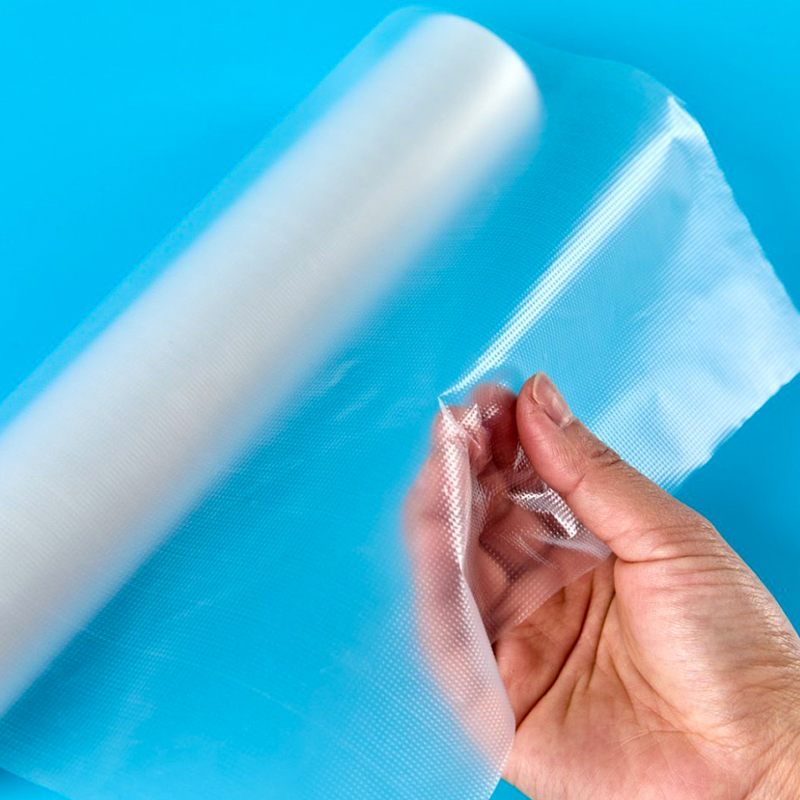
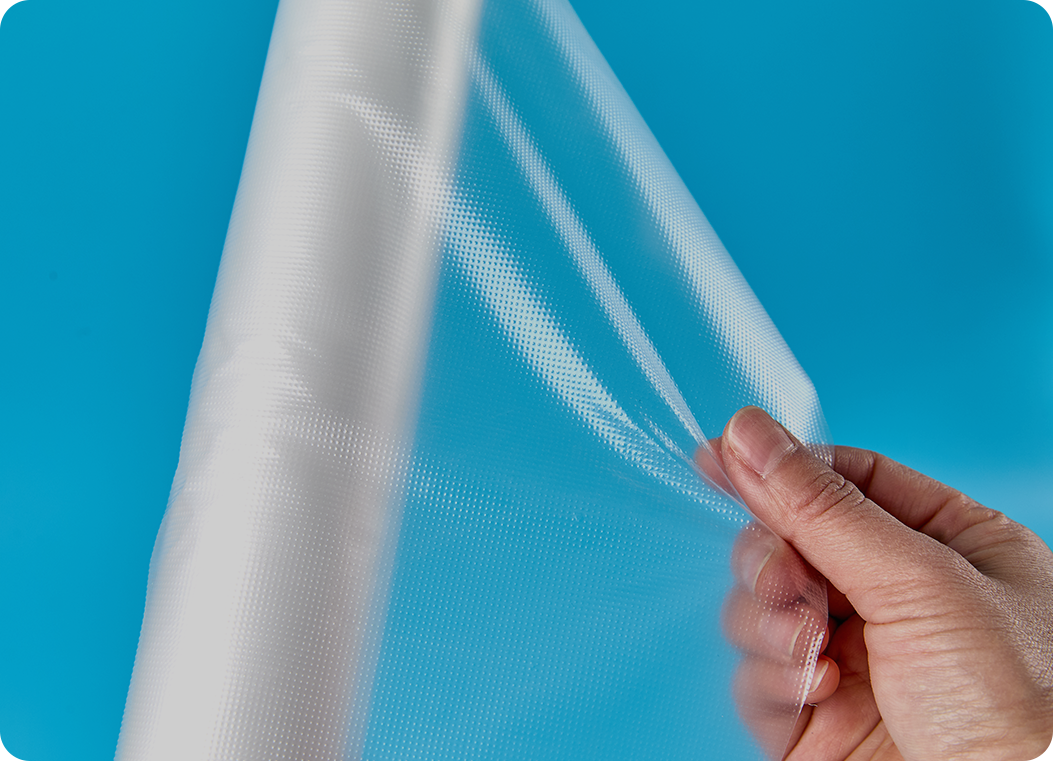
Biodegradable water‑soluble film refers to a class of packaging films that dissolve or disperse in water and are capable of biodegradation under appropriate environmental conditions. These films are typically made from water‑soluble polymers such as polyvinyl alcohol (PVA), or from biodegradable polymers like poly(hydroxybutyrate‑co‑valerate) (PHBV) or polylactic acid (PLA) blends. The goal is to provide a packaging material that combines the convenience of water‑soluble dissolution (useful for single‑dose packaging, sachets, detergent pods, etc.) with environmental sustainability — meaning the material can break down into non‑toxic byproducts (e.g., CO₂ and water) rather than persisting as plastic waste. In many recent patents and industrial implementations, such films are formulated to ensure sufficient mechanical strength, appropriate water‑solubility, and controlled biodegradation behavior so that they can safely enter composting, wastewater treatment, or natural degradation pathways without long‑term environmental harm. :
- Water‑soluble polymers (e.g. PVA) — dissolve in water, suitable for immediate‑release applications.
- Biodegradable polymers (e.g. PHBV, PLA blends) — may dissolve or disperse and subsequently biodegrade under microbial or compost conditions.
- Hybrid/composite films — combining water‑solubility and biodegradability to optimize both functionality and environmental impact.
How it differs from conventional plastic film
Traditional plastic films — such as those made from polyethylene (PE), polypropylene (PP), or other petrochemical‑derived polymers — are designed for durability, moisture barrier, and long-term integrity. However, these traits make them persist in the environment for decades or longer, contributing to plastic pollution. In contrast, biodegradable water‑soluble film is engineered to dissolve or disintegrate on contact with water (or under composting/waste‑treatment conditions) and then biodegrade, thereby avoiding the accumulation of persistent microplastics. This fundamental difference in end-of-life behavior distinguishes water‑soluble biodegradable films as a sustainable alternative to conventional plastic packaging.
- Conventional plastics: durable, non‑degradable, long‑lasting waste burden.
- Biodegradable water‑soluble films: transient — dissolves, disperses, then biodegrades, reducing long‑term environmental impact.
- Allows safe disposal via composting, wastewater treatment, or industrial composting — unlike conventional plastics.
Key advantages: water soluble film packaging benefits
Environmental and waste management benefits
One of the primary motivations for adopting biodegradable water‑soluble film is its potential to significantly reduce packaging waste and lessen environmental pollution. Because these films can dissolve in water and then biodegrade, packaging waste does not accumulate as persistent plastic — thereby reducing landfill burden, marine litter, and microplastic contamination. Additionally, water‑dissolvable packaging can simplify disposal: for many applications, the user only needs to drop the pouch or film into water (e.g. a sink, washing machine, or compost bin), eliminating the need for recycling or special disposal routes. This benefit aligns with increasing regulatory pressure and consumer demand for sustainable, low‑waste packaging.
- Reduced landfill and marine pollution due to biodegradation or water‑treatment compatibility.
- Lower environmental footprint compared to traditional plastic packaging.
- Simplified end-of-life disposal — user convenience improves adoption.
- Supports circular or “zero‑waste” packaging strategies for companies and consumers.
Functional advantages: dissolvability, sealing, convenience
Besides environmental merits, biodegradable water‑soluble film offers functional benefits that traditional packaging does not. Because of its water‑soluble nature, it enables single-dose, pre‑measured packaging — ideal for detergents, cleaning products, agrochemicals, and other water-dispersed formulations. The film can be heat‑sealed into pouches or sachets, protecting contents from moisture or contamination until use. Upon contact with water, the film dissolves cleanly, releasing the contents without needing manual handling of powders or liquids. This improves user convenience, dosing accuracy, and reduces packaging waste. Many modern formulations are engineered to ensure sufficient heat‑seal strength and moisture barrier during storage, while still maintaining rapid dissolution when submerged. :
- Enables pre‑measured single‑dose packaging (ideal for detergents, cleaning agents, agrochemicals).
- Provides moisture protection and hygienic sealing during storage and transport.
- Simplifies user handling — no measuring or pouring powders; just drop the pouch into water.
- Improves dosing accuracy, reduces waste and spillage, enhances user convenience.
Common applications and use cases
Biodegradable water soluble film for detergent pods
One of the most widespread applications of biodegradable water‑soluble film lies in the manufacturing of single‑dose detergent or cleaning product pods. In such use cases, the film is formed into small pouches containing measured quantities of detergent, laundry agents, dishwashing powder or liquid. When the pouch is immersed in water — for example, in a washing machine or dishwasher — the water‑soluble film dissolves, releasing the active cleaning agents. This packaging format eliminates the need for messy measuring and reduces the risk of overuse or spillage. Moreover, once dissolved and used, the film fragments enter wastewater and (depending on wastewater treatment or biodegradation conditions) may degrade further, reducing persistent plastic waste. Many innovations in this field focus on optimizing film composition to balance water‑solubility, sealing strength, storage stability, and biodegradability — making them a practical and environmentally responsible solution for detergent packaging. :
- Laundry detergent pods, dishwasher pods, multipurpose cleaning pods.
- Pre‑measured dosing for powdered or liquid detergents — convenience + accuracy.
- Reduced packaging waste compared to traditional rigid or flexible plastic bottles.
- Safe dissolution in water without residue or plastic fragments (given proper wastewater treatment or composting systems).
Compostable water soluble film for agriculture chemicals
Beyond consumer detergents, compostable water soluble film for agriculture chemicals is emerging as an eco‑friendly alternative for packaging seeds, fertilizers, pesticides, and agrochemicals. Farmers and agricultural product producers can use water‑soluble biodegradable pouches to house dose‑controlled quantities of agrochemicals. Once the pouch is dissolved or dispersed in water (e.g. for spraying), the film dissolves, delivering the contents and minimizing plastic waste. Moreover, if the film is based on biodegradable polymers (e.g. PHBV or PLA blends) rather than just PVA, it can further break down in soil or compost, reducing environmental impact. This application addresses the long‑standing concern of plastic pollution from traditional agrochemical packaging and aligns with sustainable agriculture practices and regulatory push for greener packaging.
- Fertilizer, pesticide, or seed packaging — precise dosing and easy dissolution for spraying or soil mixing.
- Reduced plastic waste in agricultural environments — beneficial for soil health and biodiversity.
- Potential for composting or soil‑degradation post‑use (depending on polymer composition and environmental conditions).
- Facilitates compliance with sustainable agriculture packaging regulations and eco‑certifications.
Eco friendly water‑soluble film for single use packaging in consumer goods
Another significant use case for eco friendly water‑soluble film for single use packaging lies in consumer goods beyond detergents and agriculture — for example, single‑use sachets of personal care items (shampoo, conditioner, body wash), small‑dose food seasoning or supplements (where water‑soluble pouch dissolves or disperses), or even disposable cleaning wipes. In these applications, water‑soluble biodegradable film offers a blend of convenience, hygiene, and sustainability. Manufacturers can produce flexible pouches that protect the product during shipping and storage, then dissolve or degrade after dispensing, eliminating packaging waste. Importantly, such approaches support consumer demand for sustainable alternatives while preserving practicality and user experience.
- Single‑use sachets for personal care: shampoo, body wash, liquid soaps, etc.
- Food seasonings, water‑dissolvable supplements or instant drink mixes packaged in dissolvable pouches.
- Disposable wipes or cleaning products where the film dissolves or degrades after use.
- Reduction of single‑use plastic waste in everyday consumer goods packaging.
How how biodegradable water soluble film degrades in water — degradation mechanism & best practices
Key factors influencing degradation (material, environment, composting)
The degradation behavior of biodegradable water‑soluble film depends heavily on the material used (e.g. PVA, PHBV, PLA), environmental conditions (water temperature, microbial presence, humidity, pH), and disposal method (wastewater system, composting, landfill, soil). For example, biodegradable polymers like PLA decompose via hydrolysis and microbial degradation, ultimately breaking down into benign substances such as CO₂ and H₂O under favorable conditions. In controlled composting environments (adequate temperature, moisture, microbes), PLA-based films may reach near‑complete degradation over a matter of weeks. However, in ambient soil or cold water without sufficient microbial activity, degradation can be substantially slower or incomplete. Thus, proper disposal (e.g. industrial composting, municipal water treatment) plays a critical role in realizing the environmental benefits. :
- Polymer type — biodegradable polymers (PHBV, PLA) degrade via microbial/enzymatic hydrolysis; pure water‑soluble polymers (PVA) dissolve but may not biodegrade fully without treatment.
- Environmental conditions — temperature, microbial presence, moisture, pH affect degradation rate.
- Disposal route — composting, wastewater treatment, industrial biodegradation facilities accelerate breakdown; simple littering or landfill may reduce effectiveness.
- Time to degrade — varies significantly: weeks in optimized compost, months or longer in unfavorable conditions.
Proper disposal methods and certifications to look for
To ensure that biodegradable water‑soluble film delivers on its sustainability promise, it is essential to adopt correct disposal methods and, where possible, choose films certified for biodegradability or compostability. Users should verify whether the film is compostable under industrial composting standards or merely water‑soluble. For example, packages intended for detergent pods might be dissolved in washing machines or sinks and treated via municipal wastewater systems, whereas films used in agricultural or consumer‑goods packaging may require composting or industrial degradation. Certifications or compliance marks (e.g. for compostable plastics or biodegradable materials) offer added assurance that the film will break down fully under specified conditions. When deploying such films at scale — for product lines or packaging operations — manufacturers and packaging engineers must evaluate the likely end‑of-life routes (household wastewater, composting, landfill) and select materials appropriately.
- Choose films certified compostable/biodegradable under recognized standards (industrial compost, home compost, wastewater safe, etc.).
- Advise users on correct disposal: dissolving in water for pods, composting for soil‑degradable films.
- Avoid littering — even biodegradable films need suitable waste‑treatment environments to degrade effectively.
- Ensure local waste infrastructure (composting, wastewater treatment) can handle biodegradable or water‑soluble polymers.
How to choose the right water‑soluble film for your project
Material types (PVA, PHBV, PLA…) and compatibility
Selecting the right film for a packaging project requires balancing water‑solubility, mechanical strength, storage stability, and biodegradability. If the priority is rapid dissolution and dispensing (e.g. detergent pods, single‑dose cleaning products), a high‑quality water‑soluble polymer like PVA might be suitable. If long‑term environmental impact and biodegradability are more important — especially for applications where films may end up in soil or compost — then biodegradable polymers such as PHBV or PLA blends (or composite films) are more appropriate. It is also common to see hybrid films combining water‑solubility and biodegradability traits. When choosing, consider the intended use case, storage conditions (moisture, temperature), sealing and packaging process (heat sealing compatibility), and end‑of-life disposal path.
- PVA-based films — suitable for quick-dissolve, single-dose water applications; ensure water‑solubility and easy dissolution.
- PHBV / PLA films (or blends) — offer biodegradability under composting or soil conditions; ideal for eco‑conscious packaging.
- Composite or laminated films — combine physical strength, water‑solubility, and environmental degradation properties.
- Check compatibility with your sealing and filling equipment (e.g. heat‑seal requirements, film thickness, moisture barrier).
Practical considerations — water solubility speed, sealing temperature, product safety
Beyond material composition, practical packaging requirements often drive the choice of film. For instance, water‑soluble films must dissolve at a reliable speed in intended conditions (cold water, hot water, sink, washing machine, etc.). At the same time, during storage and transport, the film needs to provide sufficient moisture barrier and mechanical strength so that contents remain safe and dry. For heat‑sealed sachets or pouches, the film must withstand sealing temperatures without premature degradation. Additionally, for consumer safety and regulatory compliance, the film materials and any additives must be non‑toxic, non‑hazardous, and compliant with packaging safety standards. Considering these factors ensures that the adoption of biodegradable water‑soluble film is practical, safe, and effective.
- Verify dissolution time under intended usage (cold water, hot water, sink, machine wash, etc.).
- Ensure sealing method (e.g. heat‑seal) is compatible with film composition and does not degrade functionality.
- Assess storage conditions: moisture, humidity, temperature during transit and warehousing.
- Confirm material safety and regulatory compliance (e.g. non‑toxicity, food or chemical contact safety if relevant).
FAQ
What is the difference between biodegradable water‑soluble film and traditional plastic film?
The main difference lies in end‑of‑life behavior. Traditional plastic films (like polyethylene or polypropylene) are durable and persistent: after disposal they remain largely intact for decades, contributing to plastic pollution and microplastic accumulation. In contrast, biodegradable water‑soluble film is designed to dissolve in water (or disperse) and subsequently biodegrade under favorable conditions (such as composting or wastewater treatment), breaking down to benign substances like CO₂ and water. This significantly reduces long‑term environmental burden. Additionally, water‑soluble films facilitate single‑dose packaging and easier disposal (e.g. dissolving in water), offering functional conveniences that traditional plastic cannot match.
Can water‑soluble film be composted at home?
It depends on the material. If the film is based on biodegradable polymers such as PLA or PHBV (or their blends), it may be suitable for home composting — provided the compost pile maintains adequate moisture, temperature, and microbial activity. However, films made purely from water‑soluble polymers (e.g. PVA) may dissolve in water but not fully biodegrade in home compost environments. Therefore, when purchasing or specifying water‑soluble film for compostable packaging, it’s important to verify whether the film carries a recognized compostability certification (home or industrial), and to ensure your compost setup meets the required conditions.
Will water‑soluble film cause microplastic pollution?
If properly formulated and disposed, biodegradable water‑soluble film should not contribute to long-term microplastic pollution. Water‑soluble polymers dissolve and disperse in water, and biodegradable polymers degrade under microbial or composting conditions. However, the environmental impact depends heavily on disposal conditions. If the film dissolves but enters wastewater systems that lack adequate treatment or biodegradable facilities, fragments might persist. Similarly, if disposed of in cold soil or landfill without microbial activity, degradation may be slow or incomplete. Therefore, to avoid microplastic pollution, it’s important to ensure that water‑soluble films are sent to composting facilities or treated in systems designed to handle biodegradable or dissolvable polymers.