
 English
 中文简体
中文简体 Türk
TürkContent
Unlocking the Science and Technology Behind Dissolvable Films
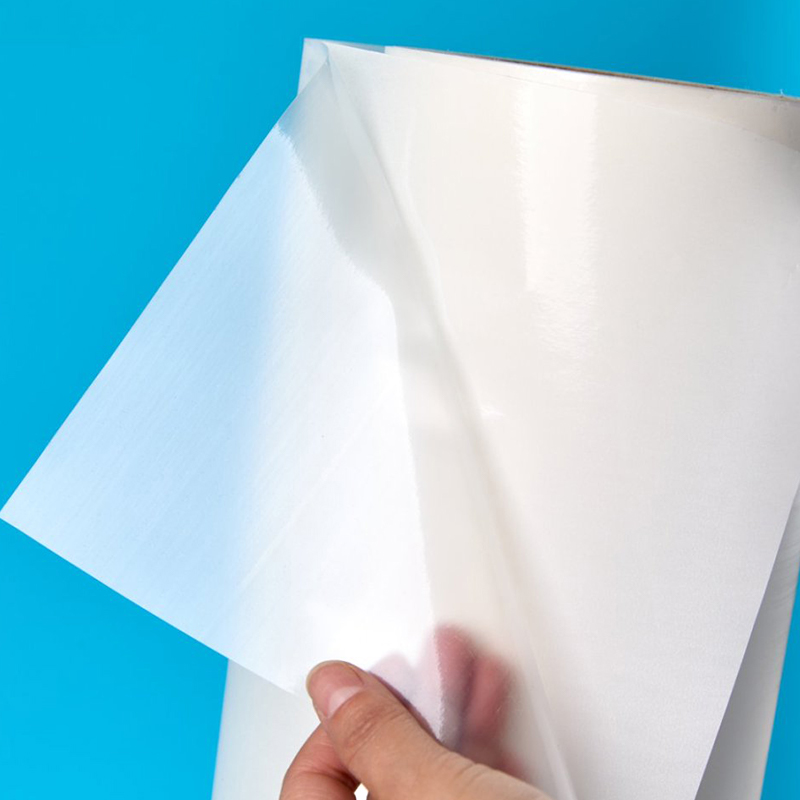
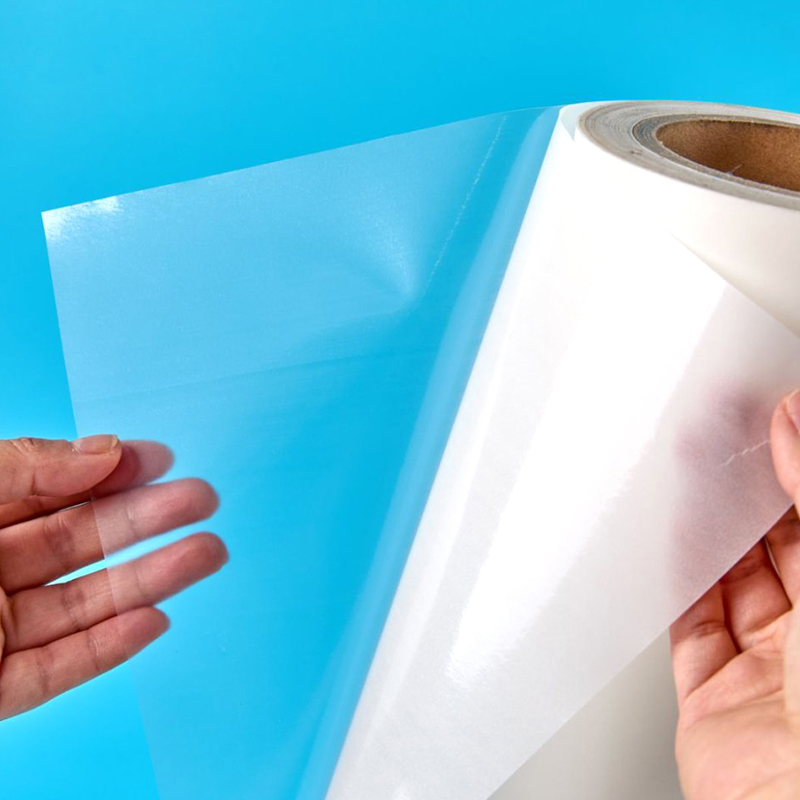
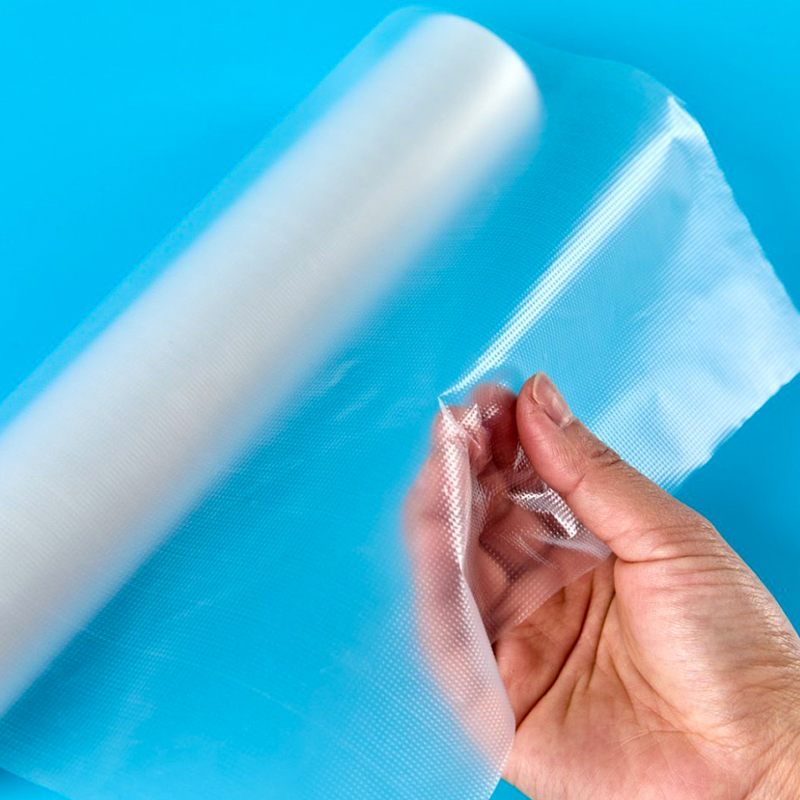
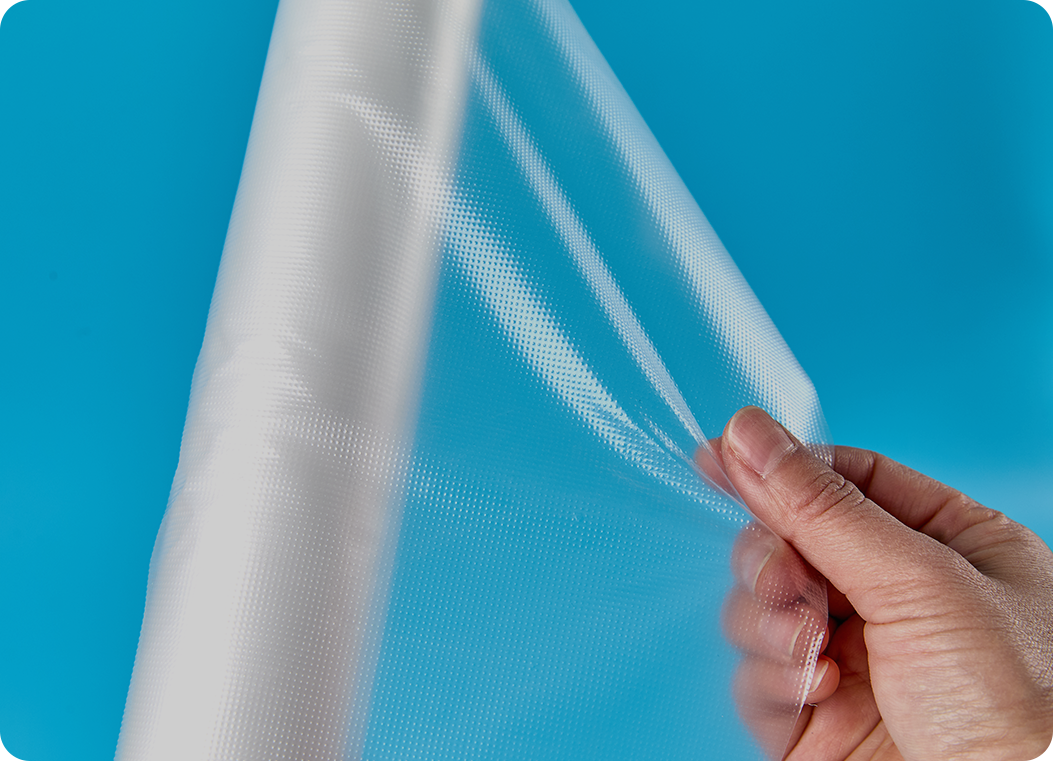
Cold water-soluble film represents a paradigm shift in functional polymer materials, moving beyond conventional plastics toward intelligent, user-friendly, and environmentally conscious solutions. This advanced material is engineered from specially formulated polymers, primarily polyvinyl alcohol (PVOH) and its copolymers, which are processed to exhibit precise solubility characteristics in low-temperature aqueous environments. Unlike standard plastics that persist for centuries, these films undergo a controlled dissolution process where water molecules penetrate the polymer matrix, break hydrogen bonds, and solvate the polymer chains, resulting in a non-toxic, biodegradable solution. The significance of this technology extends far beyond mere novelty; it addresses critical global challenges related to single-use plastic waste, user safety in handling hazardous substances, and the demand for precision in product dosing. Companies at the forefront of this field, such as Anhui Haita New Material Technology Co., LTD., integrate sophisticated material science with large-scale intelligent manufacturing. With capabilities spanning from independent R&D laboratories equipped with experimental gear to full-scale production lines—including large water-soluble film production lines, precision slitters, and central material control systems—they exemplify how modern industry can produce high-performance, sustainable materials at scale, with daily outputs reaching hundreds of thousands of square meters to serve global markets.
Core Material Properties and Performance Metrics
The efficacy of cold water-soluble film is determined by a complex interplay of physical and chemical properties. These are not standalone characteristics but a synergistic set of parameters that must be balanced for each specific application.
- Activation Temperature and Solubility Profile: The defining feature is its ability to dissolve rapidly in cold water, typically defined as water below 15-20°C (59-68°F). This is achieved by tailoring the degree of hydrolysis and polymerization of the base resin. A film's solubility profile must be precise—remaining stable in humid conditions but activating completely within a defined time frame upon immersion.
- Mechanical Integrity and Barrier Performance: In its dry state, the film must possess sufficient tensile strength, tear resistance, and flexibility to withstand packaging, printing, shipping, and handling. Concurrently, it often serves as an excellent barrier to gases (like oxygen), aromas, fats, and oils, crucial for protecting sensitive contents such as agrochemicals or concentrated detergents from degradation.
- Dissolution Rate and Residue Formation: The rate is influenced by water temperature, agitation, film thickness, and specific formulation. Complete dissolution without forming sticky gels or visible residues is paramount for user experience and functional performance, especially in applications like laundry where residue on fabrics is unacceptable.
- Environmental and Biological Fate: True cold water-soluble films are designed to be inherently biodegradable. The dissolved polymer solution is readily metabolized by microorganisms in water treatment plants or natural environments, breaking down into water, carbon dioxide, and biomass, thus aligning with circular economy principles and leaving no microplastic pollution.
To illustrate the critical differences between cold-water soluble films and other related materials, consider the following comparison presented first in sentence form and then in a table. Cold water-soluble films are specifically engineered to dissolve rapidly in low-temperature water, offering convenience and energy savings, whereas hot water-soluble films require elevated temperatures to activate, consuming more energy. In contrast, traditional low-density polyethylene (LDPE) films are non-soluble and persist in the environment for hundreds of years, contributing to plastic pollution. Biodegradable plastics, such as certain polyesters, may break down under specific composting conditions but do not offer the immediate, user-triggered dissolution in water that defines soluble films.
| Material Type | Solubility Trigger | Primary Environmental Fate | Typical Use-Case |
|---|---|---|---|
| Cold Water-Soluble Film | Dissolves in water <20°C | Biodegrades after dissolution | Detergent pods, agrochemical sachets |
| Hot Water-Soluble Film | Dissolves in water >60°C | Biodegrades after dissolution | Industrial dye bags, some dishwasher tabs |
| Traditional LDPE Plastic Film | Insoluble | Persists, fragments into microplastics | Generic packaging, bags |
| Compostable Bioplastic Film | Insoluble in water, degrades in soil/compost | Industrial composting required | Food service ware, organic waste bags |
Advanced Manufacturing and Quality Assurance
The transformation of raw polymer resins into consistent, high-performance cold water-soluble film is a feat of precision engineering. The process typically begins with the creation of a viscous aqueous solution of the polymer, plasticizers, and modifiers. This solution is then cast onto a highly polished, temperature-controlled drum or an endless steel belt. The controlled evaporation of water in multi-zone drying ovens is critical; too rapid drying can cause defects, while too slow can affect crystallinity. The resulting film is then conditioned to a specific moisture content—a key parameter affecting its brittleness and solubility—before being precision-slitted and wound. A manufacturer's capability is defined by its control over this entire chain. Anhui Haita New Material Technology Co., LTD., for instance, operates within an integrated ecosystem that includes self-developed ERP management systems and central material control, ensuring traceability and consistency. Their suite of equipment—from reaction kettles for polymer modification to high-precision slitting machines and bag-making lines—enables them to tailor film properties like thickness, dissolution speed, and strength to meet the exacting demands of niche applications, supporting an annual material consumption of over 5,000 tons across their product series.
Five High-Value, Low-Competition Applications for Soluble Film Technology
The true potential of cold water-soluble film is realized in targeted applications that solve specific problems. These niches often combine demands for safety, convenience, precision, and sustainability, creating ideal use cases where the film's unique properties deliver unmatched value. By focusing on these specialized areas, manufacturers and innovators can develop products with clear differentiation and address markets with growing, yet underserved, demand.
Cold water-soluble film for detergent pods
This application sits at the intersection of consumer convenience, sustainable design, and evolving household habits. While detergent pods are commonplace, the specific formulation of the film for pods designed to perform optimally in cold wash cycles is a sophisticated niche. Cold-water washing is increasingly popular due to its energy-saving benefits and ability to preserve fabric color and integrity. However, a pod with a standard film may not fully disintegrate in cold water, leading to trapped detergent, residue on clothing, and consumer dissatisfaction. Therefore, developing a cold water-soluble film for detergent pods requires precise engineering. The film must have a lower gel point and modified polymer architecture to ensure rapid film breakdown and complete release of surfactants and enzymes even in chilly water. This involves balancing solubility speed with sufficient durability to prevent premature dissolution due to ambient humidity during storage or rupture during mechanical handling in packaging and transit. The success in this niche directly impacts the efficacy of the cleaning product and the user's perception of the brand's commitment to performance and sustainability.
Biodegradable seed tape with cold water-soluble film
Gardening and precision agriculture are being revolutionized by this ingenious application. Seed tape is a product where seeds are pre-spaced and embedded within a narrow strip of material. Traditional seed tape uses paper or other biodegradable substrates that break down in soil. The innovation lies in using biodegradable seed tape with cold water-soluble film as the carrier. The gardener simply unrolls the tape into a furrow, covers it with soil, and waters. The film dissolves rapidly upon contact with water, releasing the seeds at the perfect, predetermined spacing while potentially delivering a starter dose of fertilizer or protective agent integrated into the film matrix. This eliminates the wasteful and tedious process of thinning seedlings, conserves seeds, and ensures optimal plant growth conditions. For the manufacturer, this niche requires film that is thin enough for easy dissolution yet strong enough for mechanical dispensing, and crucially, fully compatible with and non-toxic to seed germination. It represents a fusion of material science with agronomy, creating a smart product for both home gardeners and commercial horticulturists.
Water-soluble film for agrochemical packaging
In the agricultural sector, safety and precision are non-negotiable. The handling of concentrated pesticides, herbicides, and fertilizers poses significant risks to farm workers through dermal exposure and inhalation of toxic dust. Water-soluble film for agrochemical packaging, in the form of pre-measured sachets or pouches, provides an elegant solution. Workers can handle the sealed, film-encased unit dose without direct contact with the chemical. The entire sachet is then thrown into the spray tank mixer. As the tank fills with water, the film dissolves completely, releasing the precise amount of active ingredient. This "closed system" packaging minimizes exposure, reduces measurement errors, and eliminates the need to clean and dispose of contaminated packaging. The technical challenge here is immense: the film must be chemically resistant to a wide array of aggressive agrochemicals during storage, yet dissolve reliably in often cold, hard water from farm wells. It must also have excellent seal integrity to prevent leakage. This niche is driven by stringent agricultural safety regulations and a growing emphasis on responsible chemical management.
Cold water-soluble film for hospital laundry bags
Infection control in healthcare settings is a critical, continuous challenge. Soiled linens from patient rooms can be laden with pathogens. The traditional process of collecting, transporting, and manually sorting these linens exposes laundry staff to significant biohazard risks. Cold water-soluble film for hospital laundry bags offers a breakthrough in operational hygiene. Contaminated linens are placed directly into these dissolvable bags at the point of generation. The sealed bag is then transported to the laundry facility and loaded directly into the industrial washer. During the initial cold pre-rinse or wash cycle, the bag dissolves completely, releasing its contents for cleaning without any manual opening or handling of the soiled items. This closed-loop system drastically reduces the risk of cross-contamination and aerosolization of pathogens. The film for this application requires exceptional dry tensile and tear strength to hold heavy, wet linens, combined with a dissolution profile that aligns perfectly with institutional laundry protocols. It is a prime example of how a smart material can directly enhance worker safety and institutional infection control standards.
Pre-portioned packs with cold soluble film
Across multiple industries—from food service and industrial manufacturing to swimming pool maintenance and dyeing—there exists a common need for precise, clean, and safe handling of powdered or granular additives. Measuring out dyes, water treatment chemicals, concrete additives, or specialty food ingredients can be messy, inaccurate, and hazardous. Pre-portioned packs with cold soluble film solve these issues. Each pack contains an exact, pre-measured quantity of product. The user simply adds the entire pack to a mixing vessel filled with water. The film dissolves quickly, even in cold water, releasing the contents without dust, spillage, or measurement error. This ensures consistency in end-product quality (like consistent dye lots in textiles), improves worker safety by minimizing exposure to irritants or toxins, and enhances operational efficiency. The niche demand lies in customizing the film's chemical resistance to the specific packed substance (e.g., high pH for pool chemicals, compatibility with organic dyes) and ensuring robust seals for long shelf life. It transforms a operational chore into a simple, error-proof process.

Future Trajectories and Strategic Considerations for Adoption
The evolution of cold water-soluble film technology is far from static. Future advancements will likely focus on enhancing performance boundaries, expanding material sources, and integrating with digital technologies. We can anticipate developments in films that dissolve across an even wider temperature range with greater predictability, and multi-layer co-extruded films that combine instant cold-water solubility with enhanced moisture vapor barriers or printable outer layers. Research into bio-based polymers as alternatives to PVOH, derived from sustainable feedstocks, will further bolster the environmental credentials of these materials. From a strategic perspective, companies considering adoption must conduct a thorough analysis. This involves evaluating the total cost of ownership (not just material cost per unit but gains in safety, reduced waste disposal, and brand enhancement), ensuring compatibility with existing filling and packaging machinery, and understanding the specific regulatory landscape for their industry and region, particularly regarding biodegradability claims and food contact status where applicable. Partnering with an experienced and capable manufacturer is crucial. A partner like Anhui Haita New Material Technology Co., LTD., with its vertical integration from R&D to large-scale production, intelligent manufacturing systems, and commitment to serving global customers, can provide the technical support and consistent quality necessary to successfully integrate this transformative material into innovative and responsible products for the future.