 English
 中文简体
中文简体 Türk
TürkContent
Understanding the Core Technology: Embroidery hot-melt film
The Chemical Composition and Functionality
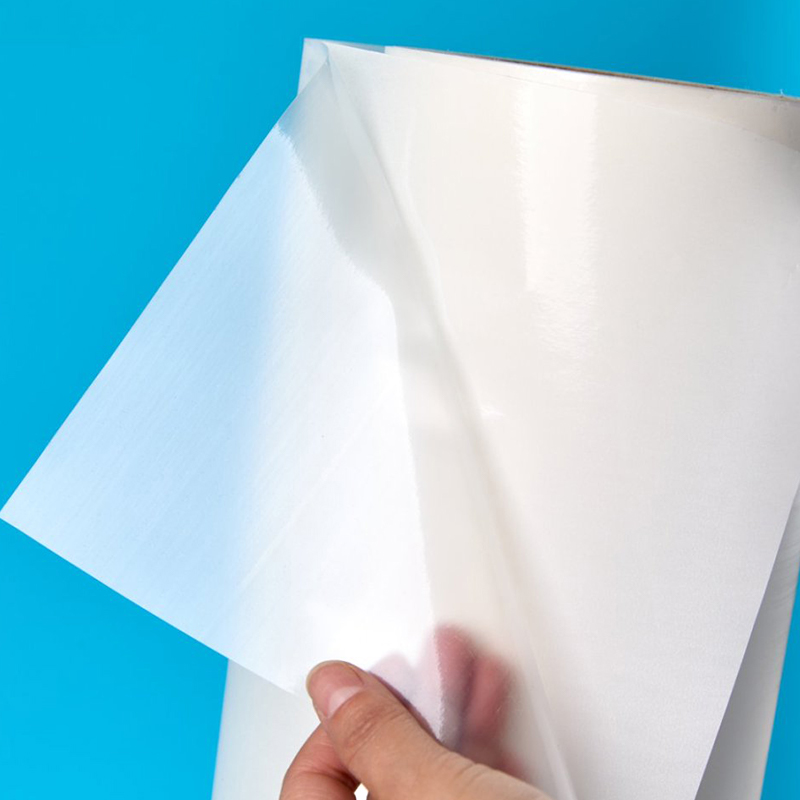
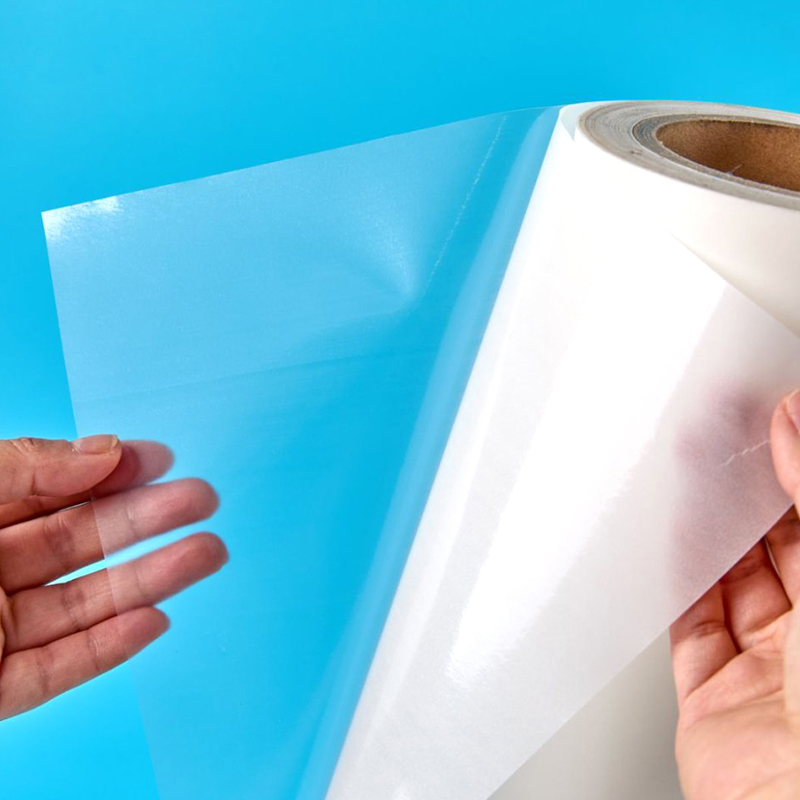
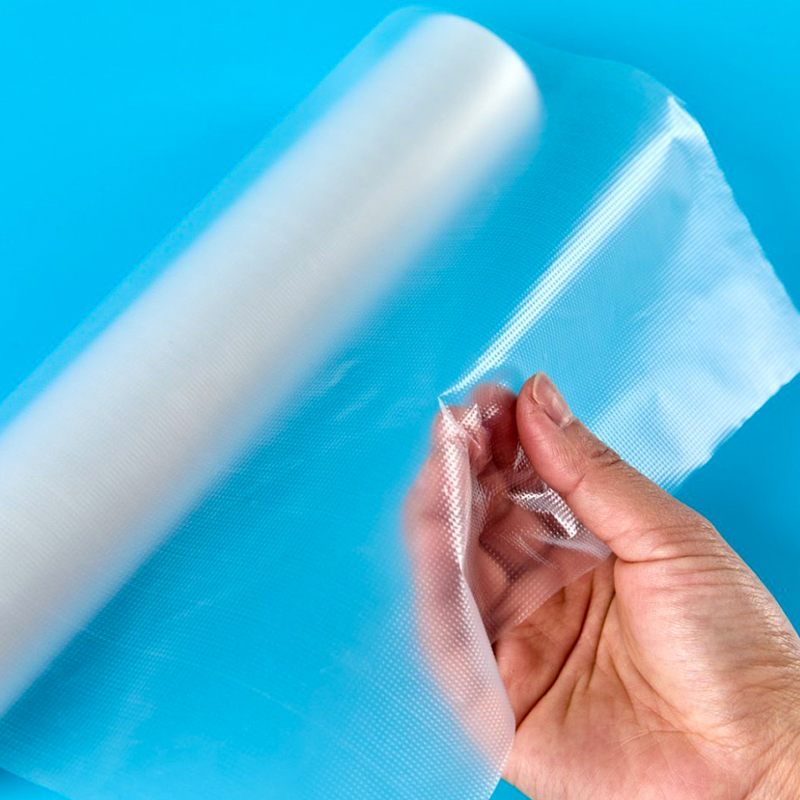
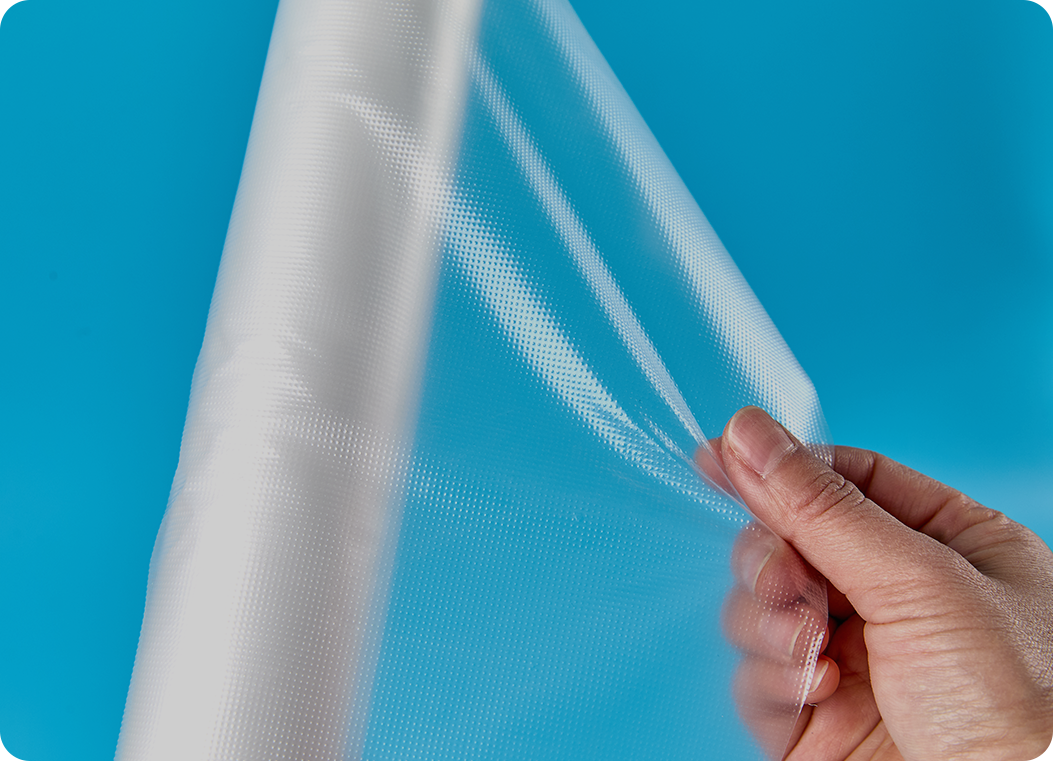
The introduction of Embroidery hot-melt film has fundamentally reshaped the textile industry's approach to stabilization and application, moving beyond traditional, cumbersome cut-away or tear-away backings. This innovative material, at its core, is a specialized thermoplastic adhesive, usually supplied in a thin, continuous film form. The main function of this polymer-based layer is to act as a robust, yet discreet, bonding agent that is activated by heat, hence the "hot-melt" designation. When exposed to a specific temperature and pressure, the film transitions from a solid state to a low-viscosity liquid, flowing into the fabric's interstices and creating a permanent, firm bond. This process provides superior stabilization to the embroidery substrate, preventing needle abrasion, puckering, and fabric distortion during the high-speed operation of a machine. Choosing the right film, based on its chemical backbone (such as EVA, PES, or TPU), is critical as it dictates the activation temperature, washing resistance, and final hand-feel of the finished embroidered piece. The precise formulation ensures that the adhesive layer maintains a strong, lasting bond without migrating or bleeding through the fabric, offering a clean and professional finish that is invisible to the eye but structurally integral to the embroidery's integrity.
- Enhanced Stability: Provides a uniform, permanent foundation that prevents stitch distortion.
- Reduced Material Waste: Unlike traditional stabilizers, the film becomes a part of the garment, eliminating post-production trimming.
- Clean Finish: Offers a smooth, non-scratchy finish on the back of the embroidery, improving wearer comfort.
- Versatility: Compatible with a vast range of materials, from natural fibers to complex synthetics.
| Polymer Type | Description & Key Benefit | Ideal Application | Activation Range |
| EVA (Ethylene Vinyl Acetate) | Highly cost-effective with low activation temperature. Excellent for general fabric bonding. | Standard cotton, polyester blends, and promotional items. | $90^\circ\text{C} - 110^\circ\text{C}$ |
| PES (Polyester) | Superior wash resistance and dry-cleaning compatibility. Excellent durability. | Workwear, outdoor apparel, and items requiring frequent washing. | $120^\circ\text{C} - 150^\circ\text{C}$ |
| TPU (Thermoplastic Polyurethane) | Exceptional elasticity and soft hand-feel. Ideal for stretch and performance fabrics. | Activewear, intimate apparel, and thin, delicate stretch textiles. | $110^\circ\text{C} - 130^\circ\text{C}$ |
Evolution of Heat-Activated Embroidery Backing Film for Delicate Fabrics
The development of heat-activated embroidery backing film for delicate fabrics represents a significant leap from the days when embroiderers had to grapple with stiff, traditional stabilizers that often compromised the drape or feel of lighter materials. Traditional backings, while providing necessary stability, could be too heavy or require post-embroidery removal (either by cutting or tearing), which carried the risk of distorting the fine threads or damaging the sheer fabric. The new generation of hot-melt films, particularly those with a TPU or low-melt PES base, are engineered to offer high-shear strength during stitching while maintaining an incredibly light weight and soft texture after application. For materials like silk, chiffon, or fine knits, where the final 'hand-feel' is paramount, these films are invaluable. They bond seamlessly with the fabric's structure at lower activation temperatures—a crucial feature to prevent heat-related damage, scorching, or shrinkage in temperature-sensitive textiles. This evolution ensures that even the most intricate and thread-dense designs can be executed flawlessly on materials previously considered too challenging for machine embroidery, preserving the fabric's original elegance and flow.
- Preservation of Drape: Maintains the natural flow and softness of sheer and light-weight textiles.
- No Residue: Eliminates the sticky or rough remnants left by some traditional backings.
- Low-Temperature Activation: Protects sensitive fabrics from thermal damage and discoloration.
- Invisible Support: The film's thinness ensures it remains virtually undetectable within the finished garment.
Optimizing Your Craft: Application and Technique
Mastering the Best Application Methods for Embroidery Hot-Melt Adhesive Film
Achieving optimal adhesion with Embroidery hot-melt film hinges on mastering the application process, which primarily involves controlled heat and pressure. The two main approaches are using an industrial heat press or a commercial-grade iron. For professional, high-volume production, a heat press is considered one of the best application methods for embroidery hot-melt adhesive film. A heat press guarantees uniform temperature distribution, consistent pressure across the entire surface, and precise timing—all critical variables for a successful bond. The pressure ensures the molten adhesive penetrates and locks into the fabric weave, while the accurate temperature prevents under-activation or overheating. Conversely, when using an iron, which is common in smaller studios, the operator must apply even, consistent pressure manually, moving the iron slowly across the film to prevent hot spots or areas of incomplete bonding. Regardless of the method, pre-testing on scrap material is non-negotiable to determine the exact time and temperature required for the specific film and fabric combination. Too little heat or time will result in a weak, easily delaminated bond, while too much can damage the fabric or cause the adhesive to flow excessively.
- Preparation is Key: Always pre-press the fabric to remove wrinkles and moisture.
- Correct Tooling: Use a silicone sheet or release paper to protect your heat press platen from adhesive residue.
- Uniform Pressure: Ensure pressure is applied evenly, especially when using an iron, to avoid air bubbles.
- Cool Down: Allow the bond to cool completely before attempting to handle or stress the fabric.
| Application Method | Parameter: Temperature | Parameter: Time | Parameter: Pressure | Best Use Case |
| Industrial Heat Press | $\pm 5^\circ\text{C}$ of film manufacturer's spec. | $10 - 20$ seconds | Medium-High ($\approx 40-60$ PSI) | Volume production, large logos, consistent quality. |
| Commercial Iron | Wool/Cotton setting (medium-high heat, no steam). | $15 - 30$ seconds (press and hold) | Firm manual pressure. | Small batch, sampling, home-based embroidery. |
A Guide on How to Use Iron-On Backing Film for Embroidery Stabilization
For small businesses and hobbyists, mastering how to use iron-on backing film for embroidery stabilization is a cost-effective alternative to industrial equipment, providing excellent results when executed correctly. The process begins with cutting the Embroidery hot-melt film to the required size, ensuring it covers the entire area that will be hooped and embroidered. Place the film on the reverse side of your fabric, with the adhesive side facing down toward the material. Use a dry iron (steam turned off) set to the recommended temperature for the specific film, typically in the medium-high range (like the "Wool" setting). Crucially, the iron should not be dragged or moved quickly; instead, you must press down firmly and hold for $15-30$ seconds, then lift and overlap the next section. This 'press-and-lift' technique is vital to ensure the heat and pressure are concentrated, allowing the adhesive to fully melt and penetrate the fabric weave, creating a secure and durable bond. Once the entire area is pressed, allow the material to cool completely before hooping—hooping a warm material can lead to immediate distortion. This iron-on method, when performed with precision, delivers a professional level of stabilization necessary to produce high-quality, dense stitch-outs without the fabric shifting or stretching.
- Ensure Even Coverage: Overlap your press applications slightly to avoid unbonded 'skip' areas.
- No Steam: Moisture can interfere with the hot-melt process, leading to a weak bond.
- Use a Protective Sheet: A thin cotton cloth or parchment paper between the iron and the fabric prevents scorching and adhesive transfer.
- Wait to Cool: Cooling allows the adhesive to re-solidify into a strong, permanent thermoset bond.
Advanced Considerations: Performance and Sustainability
Preventing Defects: Troubleshooting Puckering with Embroidery Stabilizer Film
Puckering, a common and frustrating defect where the fabric draws up around the embroidered area, is often the result of an imbalance in tension between the stitches, the fabric, and the stabilizer. Effective troubleshooting puckering with embroidery stabilizer film requires a multi-faceted approach, but the foundation lies in utilizing a high-quality Embroidery hot-melt film. Unlike traditional stabilizers, which merely support the fabric, the film chemically bonds to the fibers, essentially fusing the stabilizer and fabric into a single, reinforced substrate. This permanent fusion drastically minimizes the fabric's ability to stretch or distort under the high tension and speed of the embroidery machine. Key issues contributing to puckering include under-stabilization, incorrect hooping tension, or an excessive stitch density for the fabric type. When puckering occurs, the first step should be to verify the adhesive film’s activation parameters (time, temperature, pressure) to ensure the bond is complete. If the bond is secure, the next steps involve adjusting the embroidery machine’s top thread tension and ensuring the fabric is hooped "drum-tight" without being over-stretched. The film acts as a crucial buffer, managing the tension and preventing the fabric from migrating inward—a primary cause of the undesirable "frame" effect around the design.
- Verify Bond: Ensure the hot-melt film is fully and permanently adhered; a weak bond is equivalent to no stabilization.
- Adjust Digitizing: Lower the stitch density and add pull compensation to the design file itself.
- Check Hooping: Fabric must be taut and wrinkle-free in the hoop, without being unduly stretched.
- Needle Size: Use the smallest needle size appropriate for the thread to minimize fabric disruption.
| Puckering Cause | Thermal Film Solution/Action |
| Inadequate Stabilization (Fabric stretch) | Ensure use of medium-to-heavy weight Embroidery hot-melt film for high stitch counts. |
| Insufficient Heat Press Time/Pressure | Re-press with increased time and verified pressure to achieve complete adhesive flow/bond. |
| High Thread Tension (pulling effect) | The embroidery stabilizer film provides counter-tension; reduce top thread tension for a balanced result. |
The Shift to Eco-Friendly Hot-Melt Film for Machine Embroidery
As global manufacturing shifts towards greater sustainability, the demand for greener alternatives in textile consumables has led to the emergence of eco-friendly hot-melt film for machine embroidery. Traditional films, often based on petrochemical polymers, pose end-of-life challenges. The new generation of eco-films is increasingly utilizing renewable or bio-based polymers, such as certain types of thermoplastic polyurethane (TPU) or bio-derived polyesters, which are designed for biodegradability or easy recycling. These films offer the same high-performance stabilization and permanent bonding as their traditional counterparts but significantly reduce the environmental footprint of the embroidered garment. For companies targeting conscious consumers or those adhering to strict European textile standards, adopting eco-friendly hot-melt film for machine embroidery is not just an ethical choice but a strategic business imperative. These sustainable options often carry third-party certifications (like OEKO-TEX or various compostability standards) that guarantee non-toxicity and environmental safety, providing a key competitive advantage in a rapidly greening market. This commitment to sustainable input materials ensures that the finished, decorated textile meets the highest standards for both quality and ecological responsibility.
- Reduced Carbon Footprint: Manufacturing processes often use less energy and rely on renewable resources.
- Biodegradability: Certain formulations break down more quickly and safely in specific industrial conditions.
- Non-Toxic Composition: Free from heavy metals, formaldehyde, and other harmful substances.
- Market Appeal: Meets the growing consumer and brand demand for sustainable textile decoration.
| Feature | Traditional Hot-Melt Film | Eco-Friendly Hot-Melt Film |
| Polymer Source | Primarily petroleum-based. | Bio-based, recycled, or rapidly biodegradable polymers. |
| End-of-Life Disposal | Long-term landfill permanence. | Designed for industrial composting or recycling streams. |
| Certifications Focus | Primarily performance/adhesion standards. | OEKO-TEX, GOTS, Compostability/Bio-Based content. |
FAQ (Frequently Asked Questions)
What is the optimal temperature range for activating Embroidery hot-melt film?
The optimal activation temperature for Embroidery hot-melt film is highly dependent on its chemical composition, but most films fall within the $90^\circ\text{C}$ to $150^\circ\text{C}$ range. For EVA-based films, the temperature is typically lower, closer to $100^\circ\text{C}$, making them suitable for synthetic or heat-sensitive materials. Polyester (PES) and Polyurethane (TPU) films, which offer superior wash durability and elasticity, often require higher temperatures, sometimes reaching $145^\circ\text{C}$ or more. It is absolutely crucial to consult the film manufacturer's specifications for the exact melting point and suggested application parameters. Using a temperature outside the optimal range—too low will result in a weak, partial bond (delamination), while too high risks damaging the fabric or degrading the adhesive's performance. Furthermore, the mass and type of fabric also influence the necessary settings, as thicker materials absorb heat more slowly, potentially requiring increased dwell time rather than a higher temperature.
Can heat-activated embroidery backing film for delicate fabrics be used on stretch materials?
Yes, heat-activated embroidery backing film for delicate fabrics is not only suitable but often the preferred stabilizer for stretch materials like spandex, Lycra, and performance knits, provided you choose a film with a high degree of elasticity. For these applications, Thermoplastic Polyurethane (TPU) based Embroidery hot-melt film is the industry standard. TPU is highly flexible and can elongate and recover with the garment without cracking, stiffening, or causing the dreaded ‘tenting’ effect around the embroidery. Using a rigid film on stretch fabric is a common mistake that immediately voids the garment's stretch capacity and causes puckering or cracking of the bond. Proper hooping—stretching the fabric only to a natural tension, not maximum stretch—combined with a flexible hot-melt film ensures that the embroidered design maintains its smooth appearance, even when the garment is worn and stretched during activity.
How does eco-friendly hot-melt film for machine embroidery affect wash fastness?
The wash fastness of eco-friendly hot-melt film for machine embroidery is engineered to be comparable to, and in some cases, exceed that of traditional films. Modern sustainable chemistry ensures that the bio-based polymers, while designed for environmental end-of-life, maintain the necessary covalent and mechanical adhesion required for industrial washing. High-quality eco-friendly hot-melt film for machine embroidery typically meets stringent requirements for resistance to water, detergent, and heat exposure up to $60^\circ\text{C}$ or higher. The long-term performance is tied to the initial application; a fully cured and properly bonded eco-film will resist delamination throughout the garment's life cycle. Brands should look for supplier data and testing reports confirming high wash-cycle durability, ensuring the commitment to sustainability does not compromise the longevity or quality of the finished embroidered product.