 English
 中文简体
 Türk
During a prototype run of automotive door panels, edge lifting appeared on a polypropylene substrate the same week the line switched from a high-cost TPU web to a cheaper generic adhesive. The fault was not press tuning; it was polymer chemistry. Polypropylene has a surface energy of roughly 29-31 mN/m, below the wetting threshold of most polar adhesives. Only a polyolefin-based film spreads and anchors on it reliably. That is the core case for PO hot-melt adhesive film.
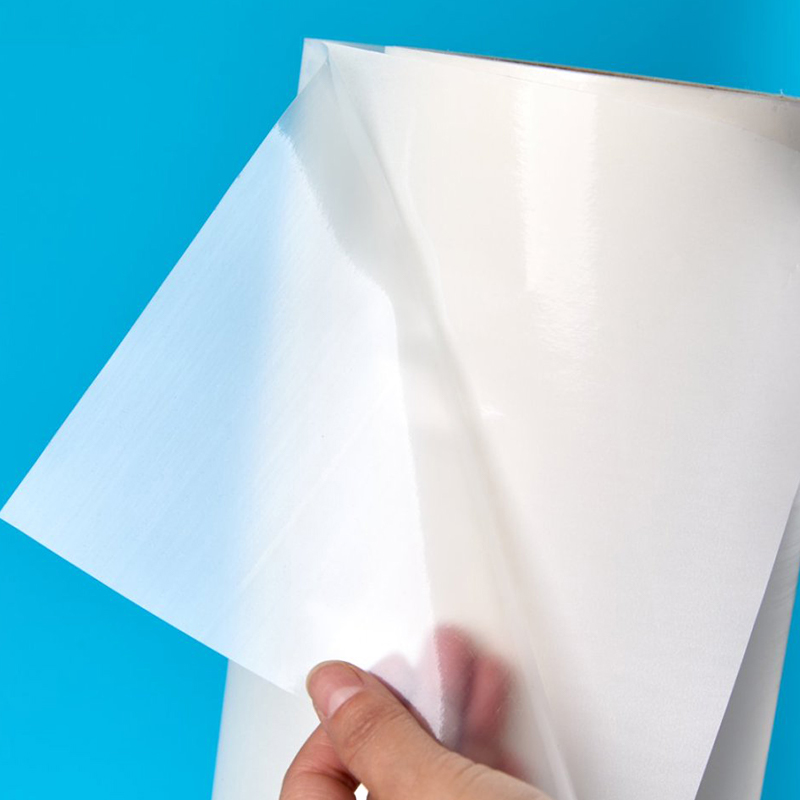
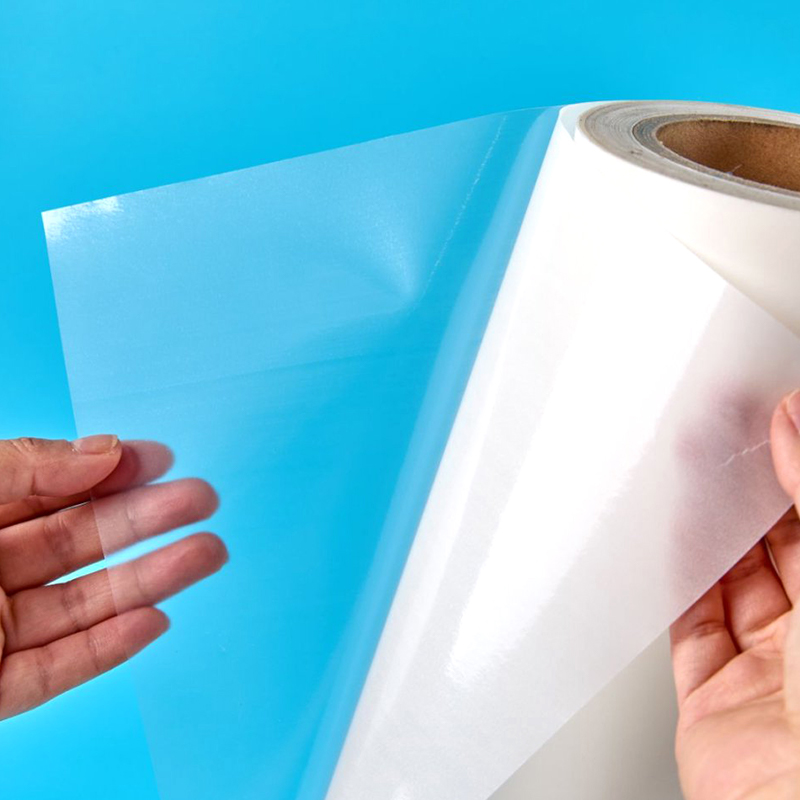
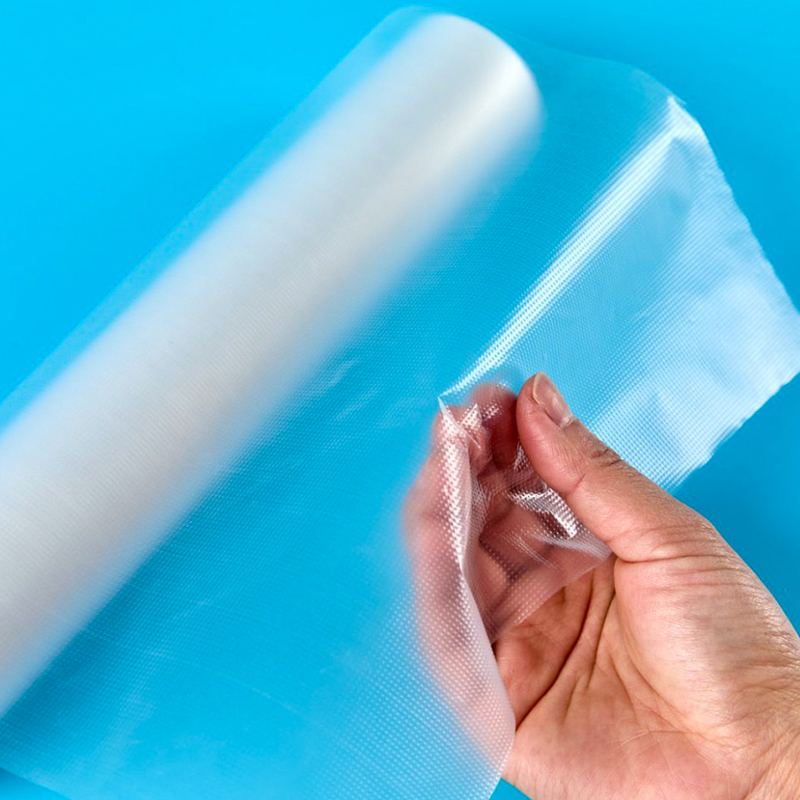
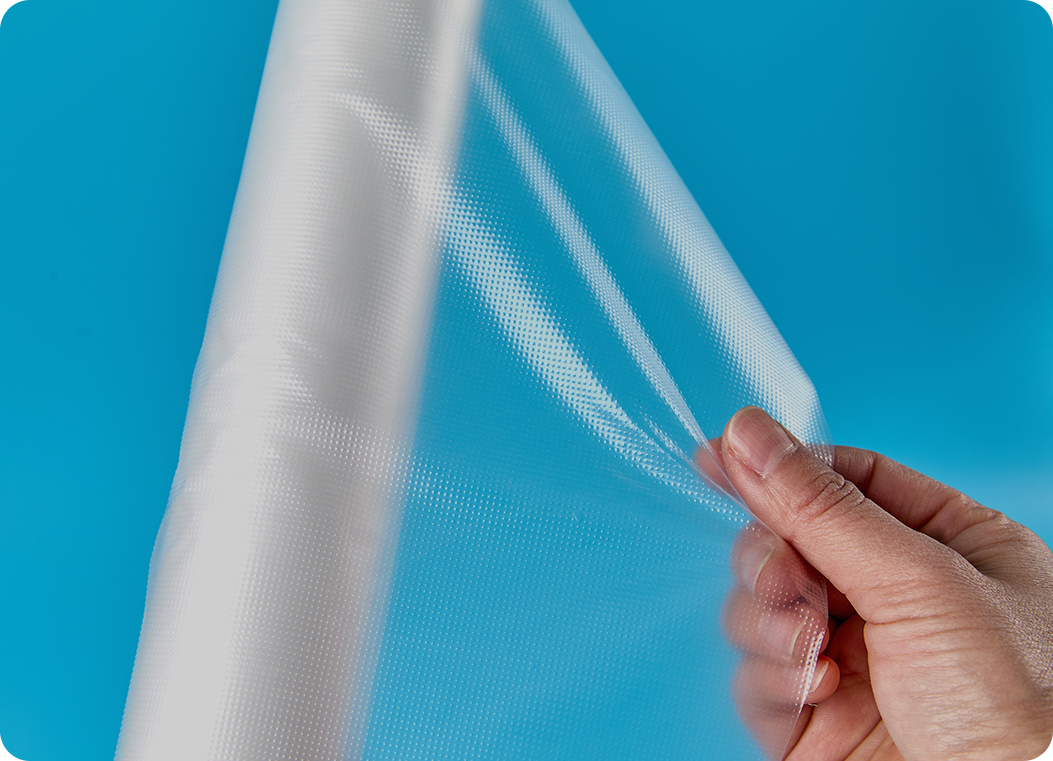
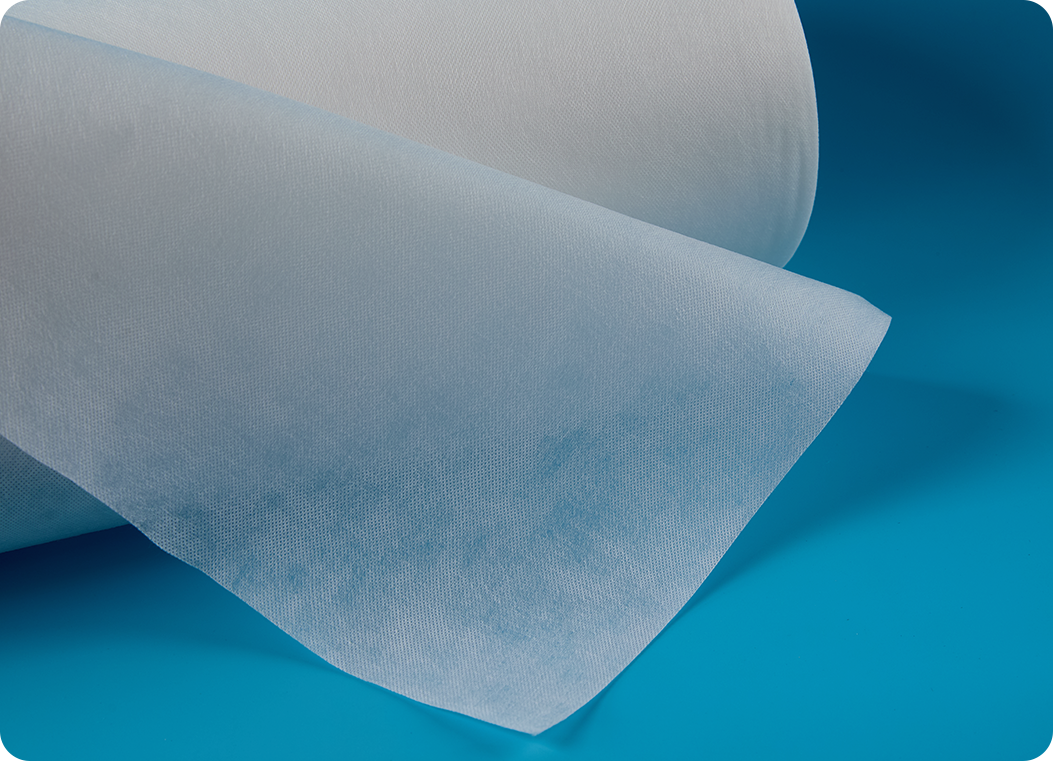
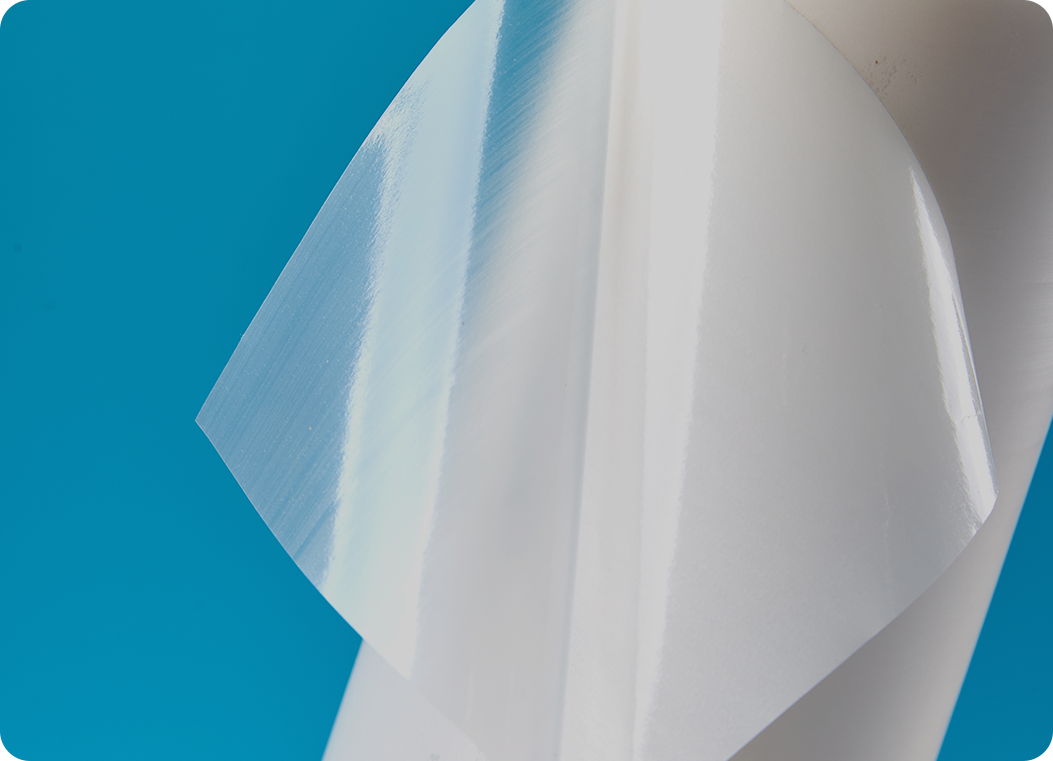
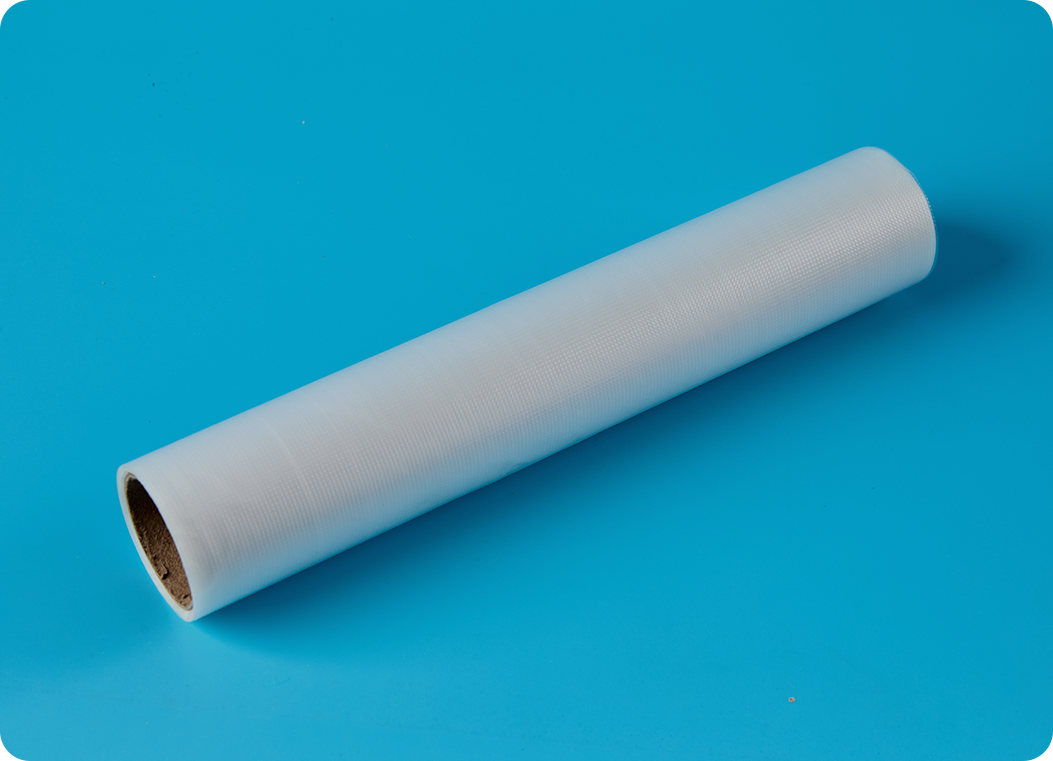
PO hot-melt adhesive film is a solvent-free thermoplastic web that melts under heat and pressure, wets the substrate, and forms a structural bond as it cools. Typical grades activate between 120 and 160 °C, ship in widths up to 1800 mm at grammages from 15 to 200 GSM, and contain no isocyanates or volatile organic compounds. The sections below explain the bonding mechanism, the substrate combinations where PO film outperforms TPU, PA, and EVA, and the specifications that determine whether a grade will work on your line.
Content
- 1 What Is PO Hot-Melt Adhesive Film and How Does It Bond?
- 2 Why PO Hot-Melt Adhesive Film Excels on Low-Energy Plastics
- 3 Typical Applications and Material Combinations
- 4 Key Specifications to Verify Before Ordering PO Hot-Melt Adhesive Film
- 5 PO vs TPU vs PA vs EVA: Selection Factors
- 6 Frequently Asked Questions
What Is PO Hot-Melt Adhesive Film and How Does It Bond?
PO hot-melt adhesive film is a polyolefin-based thermoplastic adhesive web that bonds substrates by melting under heat, wetting the surface, and solidifying into a structural layer during cooling. It does not cure, crosslink, or emit solvents; the bond is a physical phase change that can be repeated within the film's temperature limits.
Unlike moisture-cure polyurethane or two-part epoxy systems, PO film needs no chemical reaction and no clamping time. The adhesive softens at its activation temperature, flows into the micro-roughness of both surfaces, and locks in place as the line cools it under pressure. Press temperature and dwell time must match the grade: a film activated at 140 °C will not flow properly at 120 °C, and running above roughly 170 °C risks oxidation and odor.
Three practical properties explain why engineers choose it:
- Controlled grammage and thickness: typical films range from 15 to 200 GSM, which sets bondline thickness and uniformity.
- Broad width availability: webs up to 1800 mm enable roll-to-roll lamination on standard fabric and filter lines.
- Clean processing: no solvents, no isocyanates, and no post-cure waiting, so parts move to the next operation shortly after cooling.
PO hot-melt adhesive film: a polyolefin-based thermoplastic film used as a dry adhesive interlayer that activates at 120-160 °C and bonds low-surface-energy materials that polar adhesives cannot wet reliably.
Why PO Hot-Melt Adhesive Film Excels on Low-Energy Plastics
The main reason engineers specify PO hot-melt adhesive film is reliable adhesion to low-energy plastics such as PP, PE, and EPDM - surfaces where TPU, PA, and EVA films deliver weak bonds.
Adhesion starts with wetting. A substrate's critical surface energy determines how easily a molten adhesive spreads. Polypropylene sits near 29-31 mN/m and polyethylene near 30-31 mN/m. Polar TPU and PA melts need higher surface energy to anchor, which is why they bead up or peel on PP. Because PO film shares the same nonpolar chemistry, its melt wets these plastics without corona treatment or primer on many parts.
On untreated polypropylene, PO hot-melt adhesive film typically delivers 25-35 N/25mm peel strength - roughly two to three times the values measured with TPU, PA, or EVA films on the same substrate.
| Substrate | Surface energy (mN/m) | Bond result with PO film |
| Polypropylene (PP) | 29-31 | Excellent, no primer needed |
| Polyethylene (PE) | 30-31 | Good on untreated film, excellent with corona |
| EPDM rubber | 30-33 | Excellent |
| PET (polyester) | 41-44 | Good, no primer |
| Polyamide (nylon) | 42-46 | Good; TPU often preferred for flexibility |
The chart and the table reflect one rule: match the adhesive's polarity to the substrate. The closer the surface energies, the stronger the wetting and the fewer pre-treatments your process needs.
Typical Applications and Material Combinations
Lamination engineers choose PO hot-melt adhesive film when the bondline must be light, uniform, and chemically resistant on polyolefin-rich assemblies, from automotive trim to filter media.
The dry-web format solves alignment problems that liquid adhesives create. A film is laid between the layers, heated, and pressed, so there is no squeeze-out, no nozzle clogging, and no wet edge to clean. Common material combinations include the following.
| Application | Material combination | Typical film specification |
| Automotive interior trim | Fabric / polypropylene door panel | 80-120 GSM, 130-150 °C activation |
| Filter assembly | Pleated media / PP frame | 40-60 GSM, 125-140 °C activation |
| Protective clothing | Nonwoven / PE film | 60-100 GSM, 120-140 °C activation |
| Decorative panels | Coated aluminum / PP foam | 100-150 GSM, 140-160 °C activation |
Metal assemblies need a different grade. For aluminum plate or foil lamination, use a metal bonding film with higher melt flow and pressure tolerance so the adhesive wets the oxide layer and keys into it mechanically.
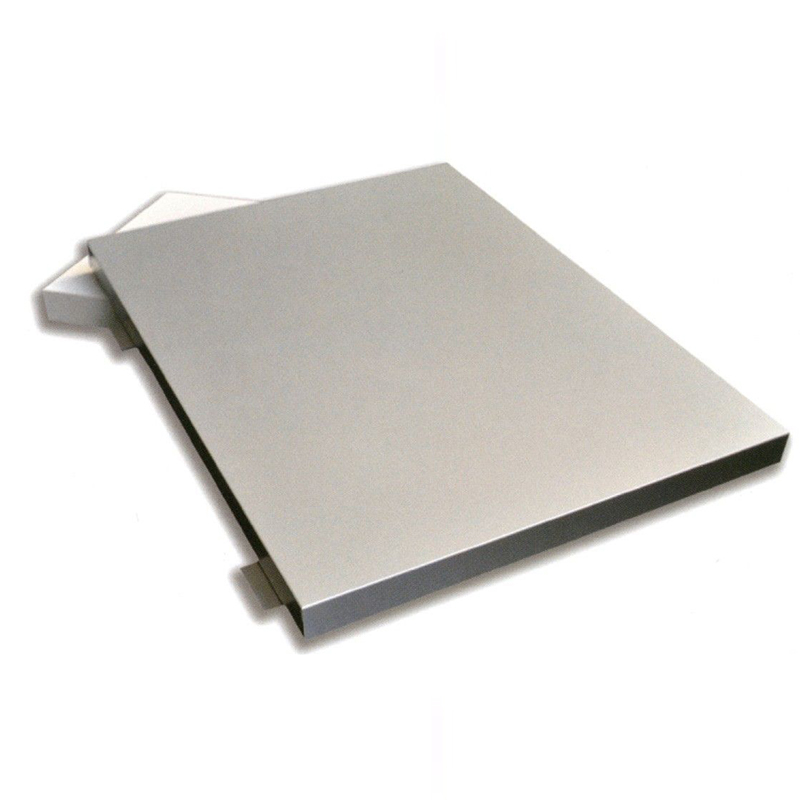 Metal Bonding Film for Aluminum and Stainless Steel LaminationThis adhesive film is formulated for permanent bonding of metal assemblies such as aluminum plates and stainless steel, offering higher melt flow and pressure tolerance to wet oxide layers effectively.View Product →
When the assembly contains PP or PE, start the trial with a PO grade before testing TPU or PA. In practice this saves one full round of press trials, because PO is the only one of the four film families that wets these substrates without pre-treatment.
Key Specifications to Verify Before Ordering PO Hot-Melt Adhesive Film
Three numbers determine whether a PO hot-melt adhesive film works on your line: activation temperature, grammage, and web width. A chemically suitable film with the wrong melting point or thickness will still fail bond and handling tests.
| Specification | Typical range | Why it matters |
| Grammage | 15-200 GSM | Controls bondline thickness and peel strength |
| Film thickness | 0.03-0.20 mm | Affects gap filling and melt flow |
| Activation temperature | 120-160 °C | Must match press heating capability |
| Web width | Up to 1800 mm | Determines material utilization in cutting |
| Roll length | 100-500 m | Sets changeover frequency on the line |
| Shelf life | 6-12 months | Affects inventory planning and stock rotation |
Beyond the datasheet, confirm these points before a production order:
- Request a trial roll of 200-300 m before committing a full production batch.
- Send representative substrates - actual PP, PE, or coated metal panels - for peel or shear testing.
- Confirm grammage tolerance and lot-to-lot consistency data from the manufacturer.
- Check storage conditions: keep rolls below 30 °C, away from direct sunlight and humidity.
For a structured side-by-side comparison of the two most common film families, the PO and TPU hot-melt adhesive film selection guide covers the decision criteria in detail.
Sourcing advice: a manufacturer with in-house testing can run a peel test on your actual material stack within days. An unresponsive supplier will cost you weeks of trial production later.
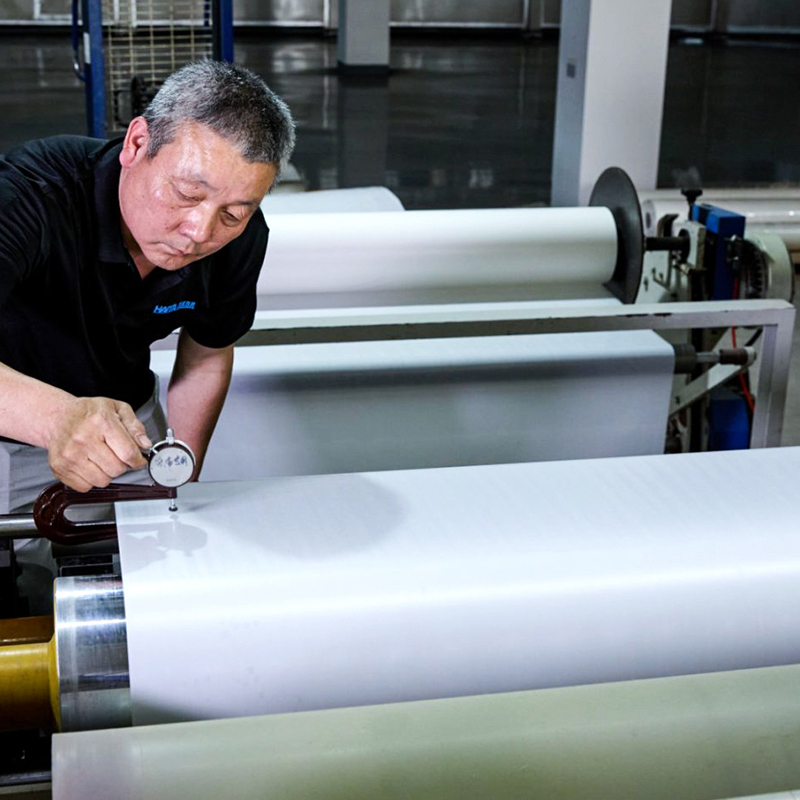 PO Hot Melt Adhesive Film for Low-Energy Plastics and TextilesA polyolefin-based adhesive film suited for PP, PE, and fabric bonding without pre-treatment, providing chemical resistance and cost efficiency while enabling quick peel testing with responsive suppliers.View Product →
PO vs TPU vs PA vs EVA: Selection Factors
Choose PO film for low-energy plastics, chemical resistance, and cost efficiency. Choose TPU for elastic seams that survive repeated washing. Choose PA for service temperatures above 150 °C, and choose EVA only for low-temperature lamination of polar materials.
| Property | PO | TPU | PA | EVA |
| Activation temperature | 120-160 °C | 110-150 °C | 130-180 °C | 70-100 °C |
| Adhesion to PP/PE | Excellent | Weak | Weak | Moderate |
| Low-temperature flexibility | Good | Excellent | Moderate | Poor |
| Wash resistance | Moderate | Excellent | Good | Low |
| Chemical resistance | Excellent | Good | Good | Moderate |
| Relative cost | Low | High | Medium-high | Low |
TPU remains the first choice for sportswear seams and elastic laminates where flex fatigue and wash durability dominate. PA film has a higher temperature ceiling for industrial parts that see sustained heat. EVA is cheaper but migrates, yellows, and softens in demanding environments. PO sits in the middle of the cost scale with the widest substrate tolerance, which is why it dominates automotive trim, filtration, and packaging lamination.
Rule of thumb: if the assembly contains PP or PE, start with PO. If wash durability is the priority, evaluate TPU. If the finished part sees sustained heat above 150 °C, PA is the candidate.
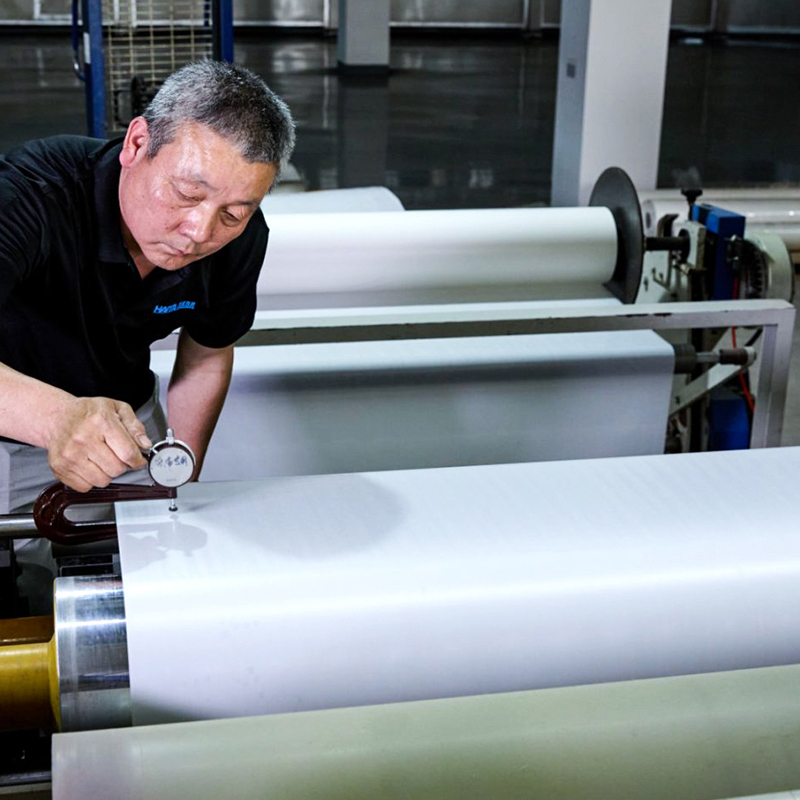 TPU Hot Melt Adhesive Film for Wash-Durable Elastic SeamsAn elastic, water-resistant TPU film ideal for seamless underwear, shoe fitting, and reflective materials, with excellent washing resistance and uniform thickness for repeated-use applications.View Product →
Frequently Asked Questions
Answers to the questions buyers ask most often before ordering PO hot-melt adhesive film.
At what temperature does PO hot-melt adhesive film activate?
Most PO grades activate between 120 and 160 °C. The exact value is on the technical datasheet and can be verified with a DSC curve or a heat-seal tester. Running below the activation range leaves the film un-melted and the bond weak; running above roughly 170 °C risks oxidation and odor.
Can PO hot-melt adhesive film bond fabric to polypropylene without a primer?
Yes. PO film is the most reliable no-primer option for PP and PE in standard lamination. The nonpolar adhesive chemistry matches the low surface energy of these plastics, producing peel strengths in the range of 25-35 N/25mm on untreated polypropylene in typical tests.
What is the shelf life of PO hot-melt adhesive film?
Under dry storage below 30 °C and away from direct sunlight, most PO films retain their bonding performance for 6-12 months. High humidity can cause surface blocking and reduce wetting, so re-test peel strength before using aged rolls in production.
Is PO hot-melt adhesive film suitable for outdoor or chemical exposure?
PO films resist moisture, most dilute acids and alkalis, and automotive fluids better than EVA films. For parts that face severe flex fatigue or solvent immersion, TPU is generally safer; for UV-exposed outdoor assemblies, confirm that the chosen grade contains appropriate stabilizers.
Need a starting specification for a trial? Send your substrate stack and press temperature to Anhui Haita New Material Technology Co., LTD. and ask for a recommended PO film grade and initial lamination parameters.