 English
 中文简体
 Türk
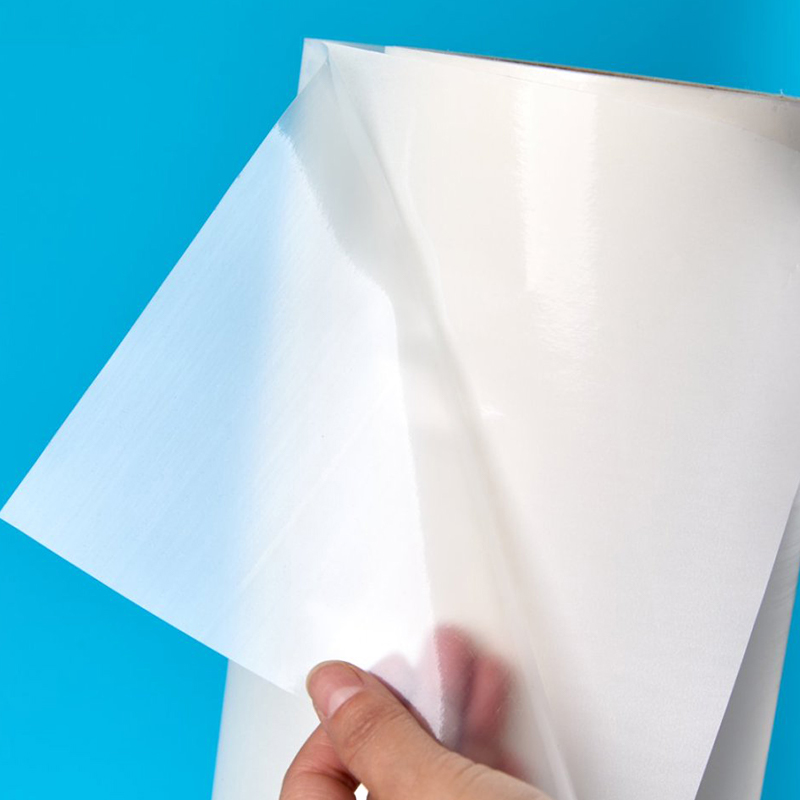
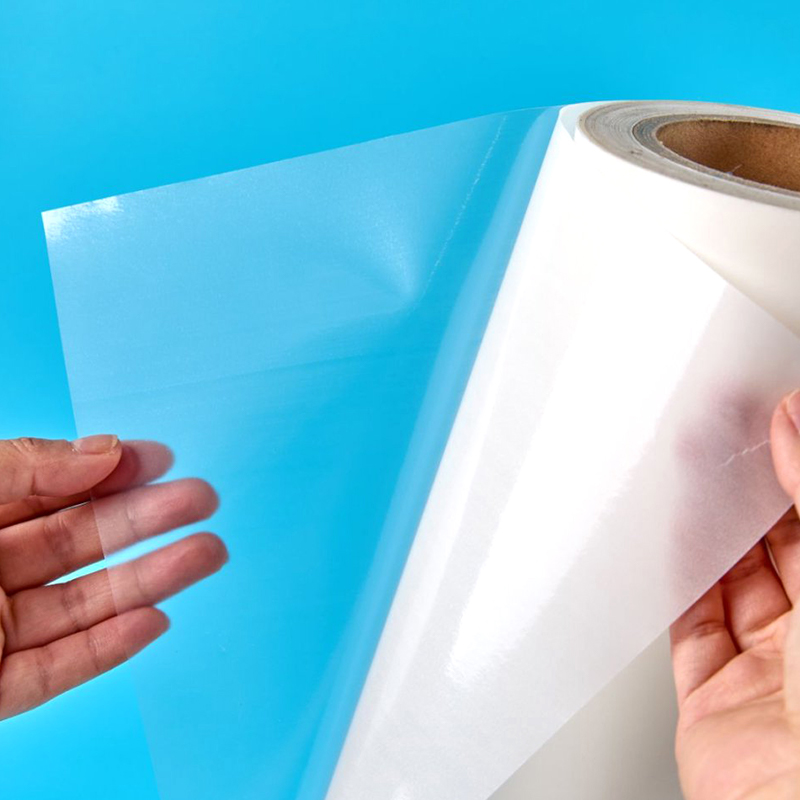
A production run of 5,000 embroidered logos on stretch-knit polo shirts exposes the weak point of every embroidery table: the fabric shifts under the needle, the top ply wrinkles, and the aerosol adhesive leaves a sticky film on the machine frame and the finished garment. Replacing that step with self-adhesive water-soluble nonwoven fabric changes the process from the first placement. The sheet bonds to the textile with light hand pressure, holds the embroidery zone stable through the full stitch cycle, and dissolves completely when the piece reaches the wash — no spray booth, no drying wait, and no separate heat-bonding station.
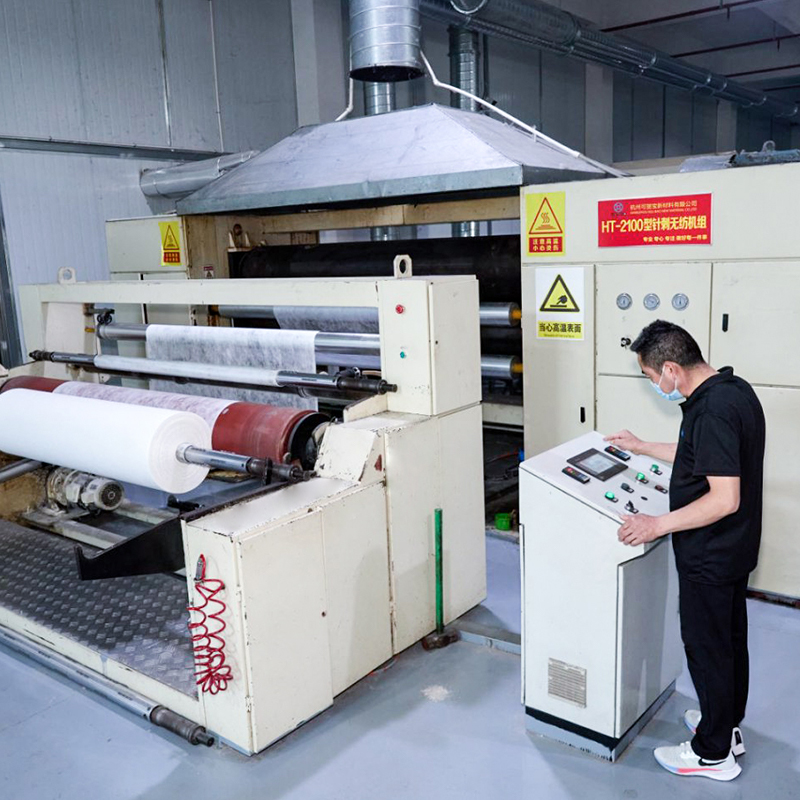
The material decisions are not decorative: dissolution temperature, gram weight, and adhesive behavior each change the production outcome. Anhui Haita New Material Technology Co., Ltd. has manufactured water-soluble nonwoven lines since 2003 and offers cold, medium-warm, low-temperature printing, and self-adhesive grades under the Ecostar product family, so the references below are grounded in roll production rather than generic textile theory.
Content
- 1 Why Self-Adhesive Water-Soluble Nonwoven Fabric Replaces Spray Adhesive
- 2 Cold, Medium, and Warm Water Grades: Pick the Dissolution Window First
- 3 Dissolution Speed Depends on Temperature and Gram Weight
- 4 Storage and Handling: Why Humidity Is the Real Quality Risk
- 5 Sourcing Self-Adhesive Water-Soluble Nonwoven Fabric: A Five-Point Checklist
- 6 Frequently Asked Questions
Why Self-Adhesive Water-Soluble Nonwoven Fabric Replaces Spray Adhesive
Self-adhesive water-soluble nonwoven fabric eliminates the two most common setup failures in embroidery and applique work: repositioning drift and adhesive residue. The pressure-sensitive face grips the garment at the point of placement, while the opposite face still accepts needle penetration without flagging or puckering.
Standard water-soluble nonwoven fabric needs a separate adhesive — spray, adhesive web, or heat-activated film. That adds a workstation, a venting requirement, and a consumable cost that never appears on the material spec sheet. In high-mix production, the error shows up as misaligned hoops, adhesive bleed-through around the stitch area, and needles gummed up by residue.
Standard grade
- Requires spray or web adhesive applied before placement
- Placement locks in when the adhesive cures
- Repositioning distorts the nonwoven web
- Separate drying and ventilation step required
- Extra consumable cost added to every roll
Self-adhesive grade
- Bonds directly with light hand pressure
- Placement can be corrected within seconds
- No spray overspray on machine or fabric
- No drying wait between placement and hooping
- Adhesive dissolves in the same wash cycle
Switch the same embroidery table from spray to self-adhesive rolls and the machine frame stays clean, re-hooping interruptions drop, and the operator no longer handles solvent-based aerosol cans. The adhesive is formulated from water-compatible polymers, so it breaks down in the same rinse bath as the nonwoven substrate.
Cold, Medium, and Warm Water Grades: Pick the Dissolution Window First
The dissolution temperature is the specification that decides whether the stabilizer survives the stitch phase and then fully disappears in the finishing line. Choosing the wrong window is the most frequent sourcing error, because a grade that dissolves at 20 C will fail in a 60 C finishing bath, and a warm-water grade will leave fibers in cold-rinse garments.
Manufacturers rate water-soluble nonwoven grades by the water temperature at which the web disintegrates. The table below shows the typical classes used on garment and embroidery lines.
| Grade | Dissolution temperature | Typical dissolve time | Primary use |
| Cold water-soluble | 20 C and below | 90-180 s | Home-laundry embroidery, cold-rinse apparel |
| Medium-warm water-soluble | 40-60 C | 45-120 s | Industrial finishing baths, quilting, applique |
| Low-temperature printing | 50-80 C | 30-90 s | Transfer printing, screen-printed top plies |
| Self-adhesive | 20-60 C depending on base | 60-180 s | Embroidery top ply, temporary bonding |
Dissolve times are typical lab values for 25-40 gsm webs with moderate agitation. Actual time changes with gram weight, water hardness, and mechanical action.
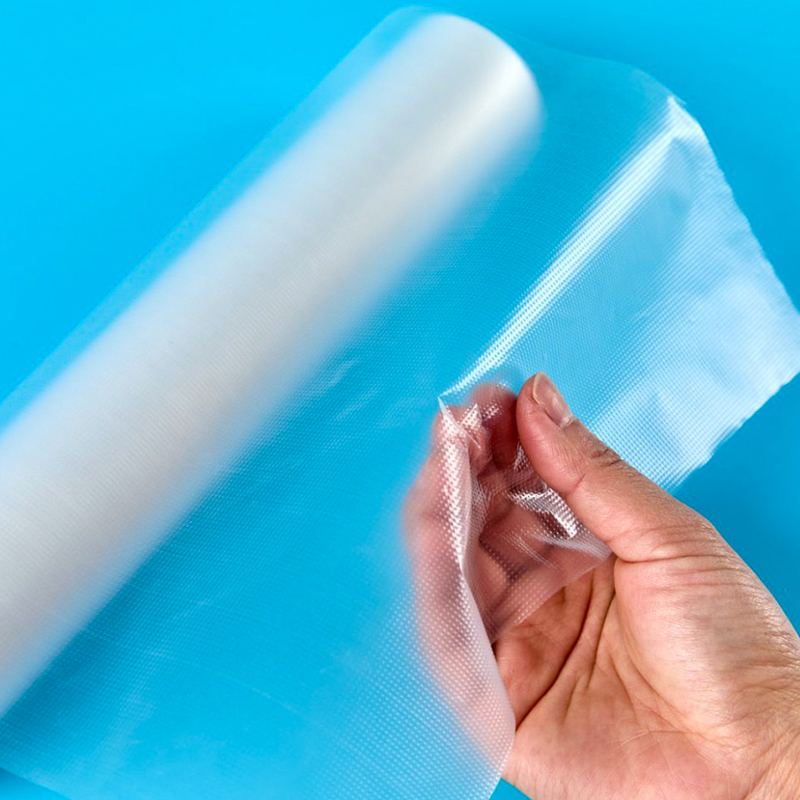
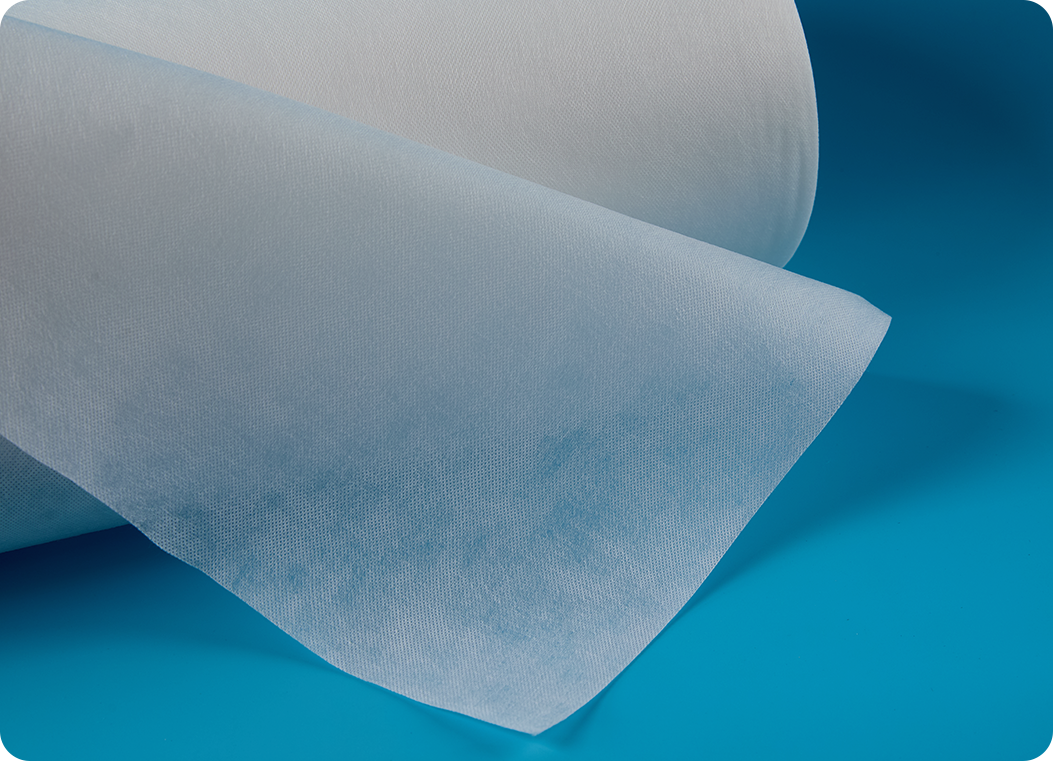
 Low-Temperature Water-Soluble Nonwoven Fabric for EmbroideryThis PVA-based nonwoven dissolves in room-temperature water within seconds, making it ideal for embroidering heat-sensitive fabrics. Its specifications can be customized up to 100 gsm and 2 meters wide.View Product →
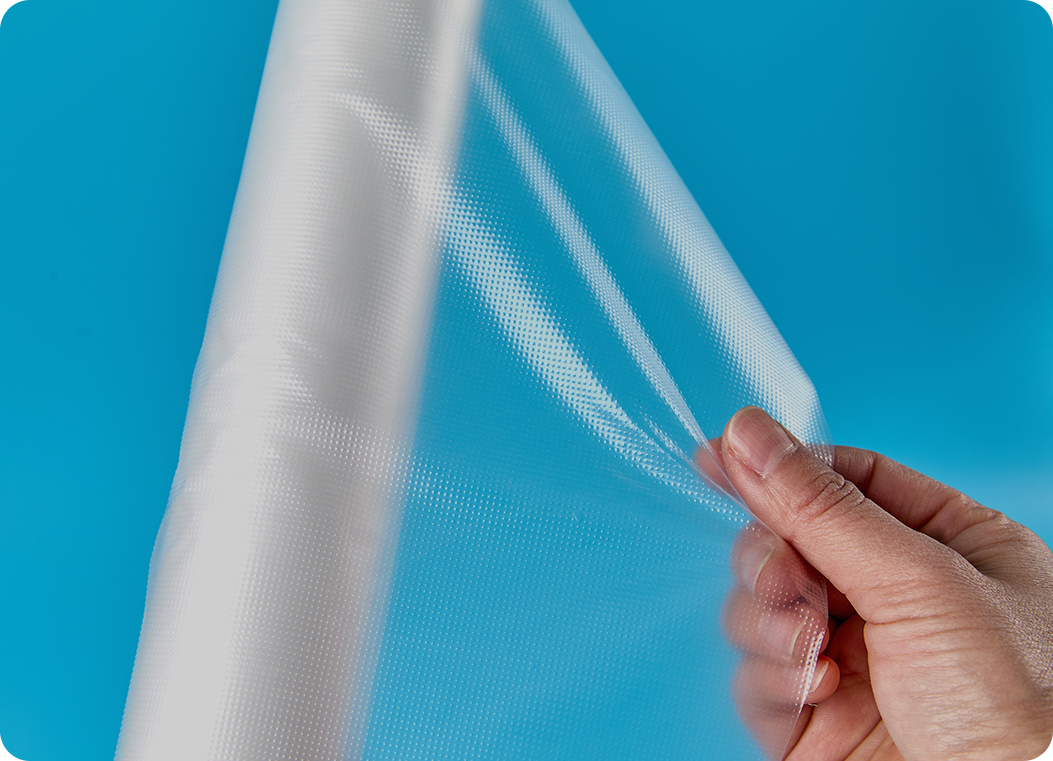
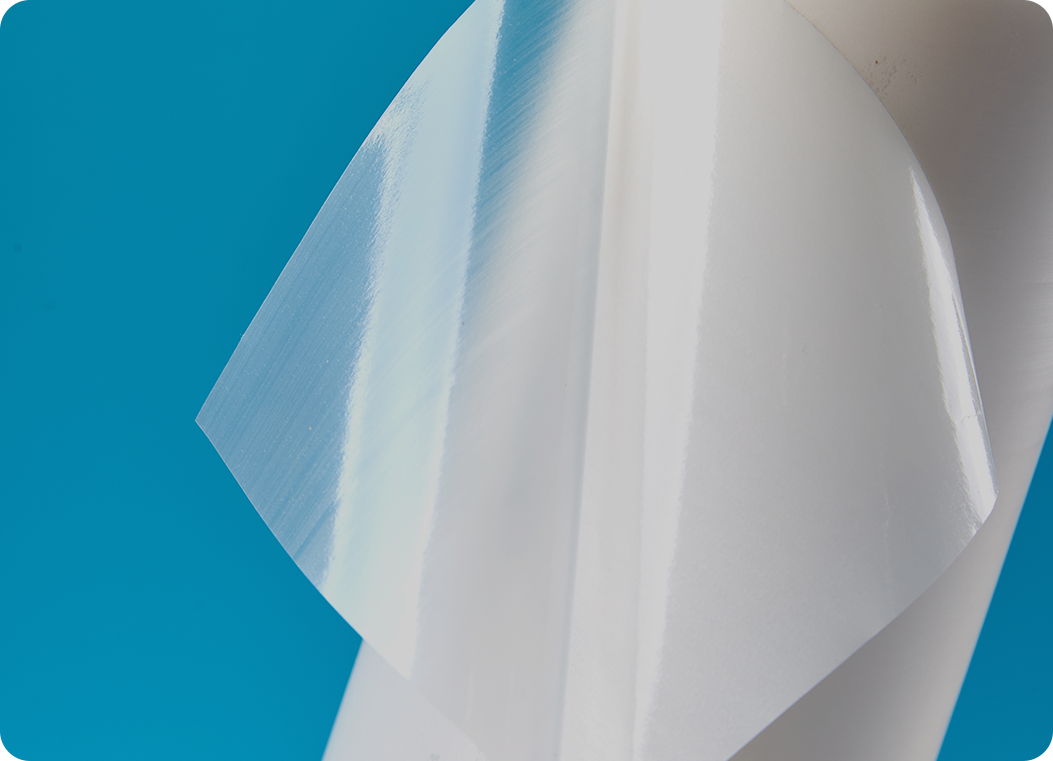
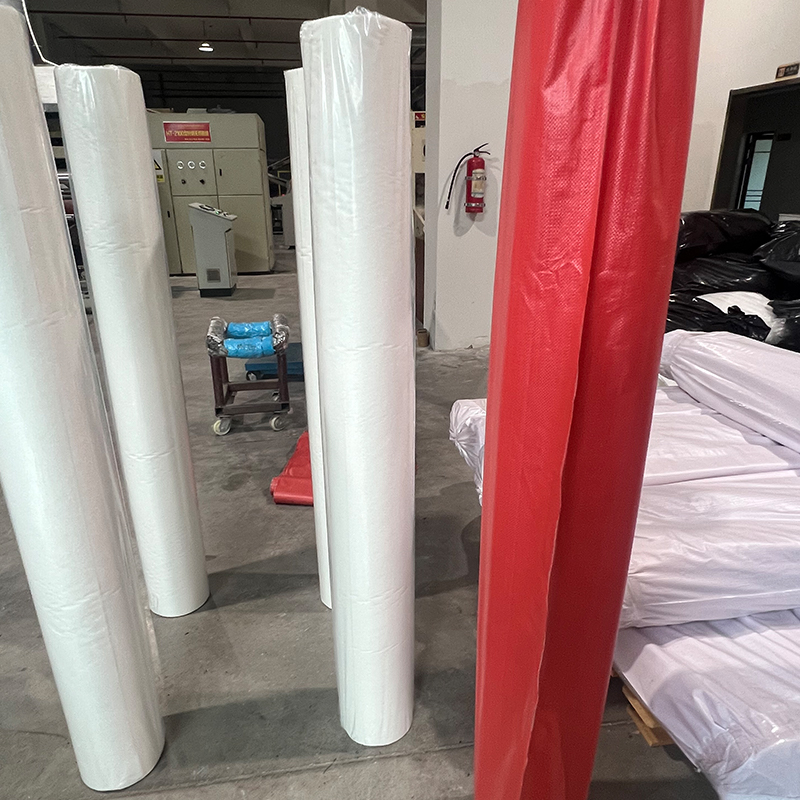 Medium-Temperature Water-Soluble Nonwoven Fabric for Versatile UsesDesigned for fabrics that can't tolerate hot water, this medium-temperature soluble nonwoven supports embroidery and also serves in packaging, masks, and laundry applications, with customizable widths and weights.View Product →
The same grade families behave differently during storage and transport, so the choice of a dissolution window has implications beyond the wash bath. Buyers who need a deeper comparison of cold-water versus warm-water material can review the properties, applications, and grades covered in the wider water-soluble nonwoven documentation published by the manufacturer.
Dissolution Speed Depends on Temperature and Gram Weight
Dissolution is a function of temperature, gram weight, and mechanical agitation. The fastest way to predict line behavior is a short hot-water test on the exact roll you plan to use, not a laboratory certificate from a different batch.
Values above are typical lab measurements for a 30 gsm web in still water. Under mechanical agitation, the same sheet dissolves faster.
Storage and Handling: Why Humidity Is the Real Quality Risk
The most common reason a self-adhesive water-soluble nonwoven roll fails in production is not the material chemistry but the storage environment. PVA-based webs are hygroscopic: ambient moisture plasticizes the fibers, shifts the dissolution time, and can make the adhesive cold-flow onto the back of the next layer in the roll.
Follow this sequence from receiving to the embroidery table:
- Inspect the packaging when the roll arrives. It must be sealed in a moisture-barrier polyethylene bag with no tears. Note the condition of the container; condensation on the container wall is a red flag.
- Store at 25 C or below and under 60 percent relative humidity. Keep the original wrapping closed until the moment of slitting, and keep rolls away from dye-house steam vents.
- Run first-in, first-out rotation. Both the adhesive and the PVA web age; an unsealed roll from three months ago behaves differently from a roll received this week.
- Re-seal immediately after cutting patterns. Return unused material to the barrier bag and tape the opening. Never leave an exposed core on a humid cutting-room bench overnight.
Buyers who follow these steps report consistent behavior across reels. For the full handling reference, including width tolerances and application notes, see the applications, specifications, and storage guide for water-soluble nonwoven fabrics.
Sourcing Self-Adhesive Water-Soluble Nonwoven Fabric: A Five-Point Checklist
Buyers who verify adhesive uniformity, dissolution tolerance, gram weight consistency, roll width tolerance, and packaging integrity avoid the expensive surprises that appear only after the reel goes onto the machine.
- Adhesive uniformity. The face layer should feel even across the full width, with no bare patches and no thick stripes; run a finger across the roll before loading.
- Dissolution tolerance. Require the supplier to state a rated range, for example 40 C with a 5-degree tolerance, and run a 30-minute cold-soak test on a sample from each master roll.
- Gram weight consistency. A coefficient of variation above 5 percent across the width causes uneven stitch penetration and uneven dissolving; ask for the mill's tolerance in writing.
- Roll width tolerance. A width that wanders more than 3 mm forces re-trimming and interrupts the machine; measure three points along the roll length at delivery.
- Packaging integrity. Moisture-barrier wrapping plus an internal desiccant is the minimum; ask how the roll is protected during sea freight.
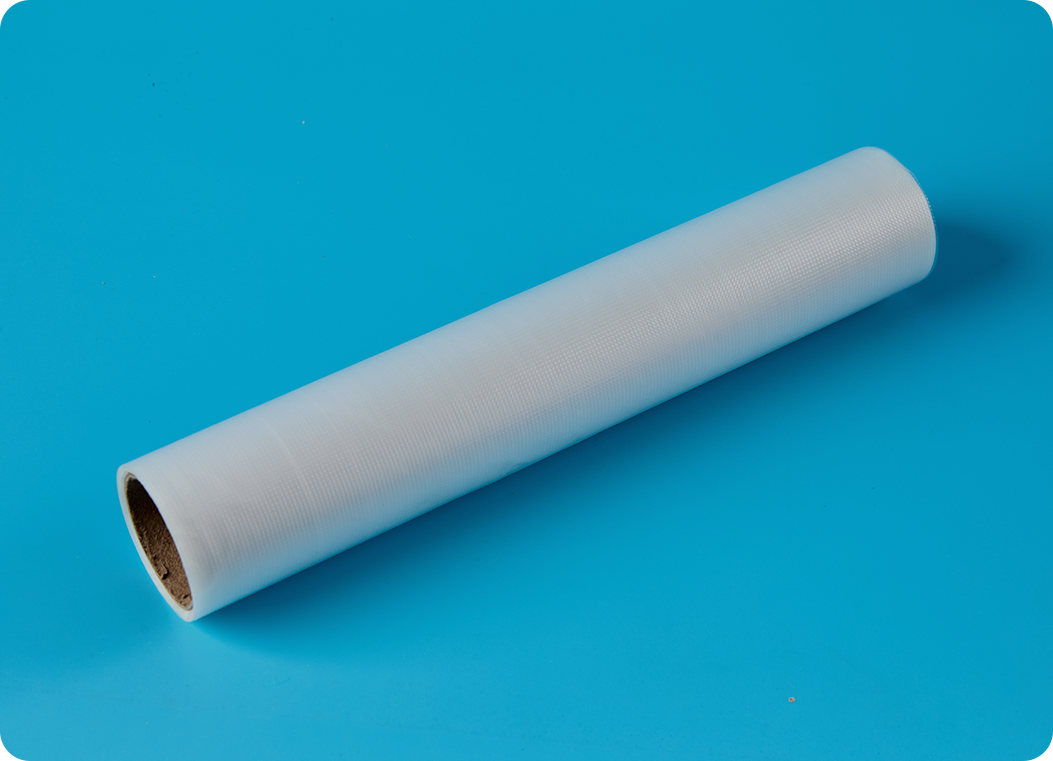
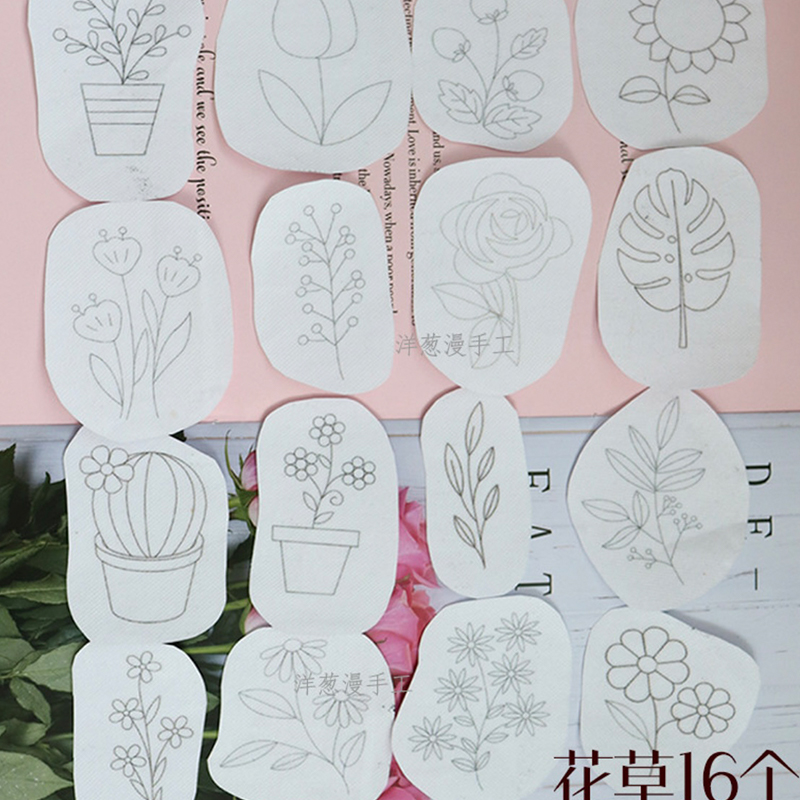 Self-Adhesive Water-Soluble Nonwoven Fabric for EmbroideryA transparent, self-adhesive nonwoven that holds fabric in place during intricate embroidery and dissolves completely in warm water afterward, simplifying fine and multi-layer stitching workflows.View Product →
Once these five points check out, ask about capacity and lead time. A fabric that passes laboratory tests still has to arrive consistently on the line, which is why manufacturers such as Anhui Haita New Material Technology Co., Ltd. emphasize full-line capability from slitting and barrier packaging to daily output of 500,000 square meters per product family.
Frequently Asked Questions
How long does self-adhesive water-soluble nonwoven fabric take to dissolve?
In an industrial wash bath, a 30 gsm sheet typically dissolves in 60-120 seconds at 40-60 C and in 2-3 minutes in cold water with agitation. Exact time depends on gram weight, water hardness, and mechanical action, so validate with a sample before bulk production.
Does the adhesive layer prevent the fabric from dissolving?
No. The adhesive is a water-compatible polymer system that disintegrates in the same rinse bath as the PVA web. If a roll leaves residue, check storage humidity first, then the dissolution tolerance rating, before changing the wash recipe.
Can this product replace wash-away embroidery backing?
It replaces the top-ply spray step on many embroidery lines, while non-adhesive wash-away backing remains the standard for under-hoop support. The two products work together: self-adhesive top sheet for hold-down, wash-away backing for stabilization underneath.
Which gram weight should a production line choose?
Typical ranges are 25-40 gsm for embroidery top plies and 40-60 gsm for quilting and applique work. Lighter sheets dissolve faster but offer less hoop support, so the choice follows stitch density and fabric stretch.