
 English
 中文简体
中文简体 Türk
TürkContent
Which Hot Melt Adhesive Film Should You Choose
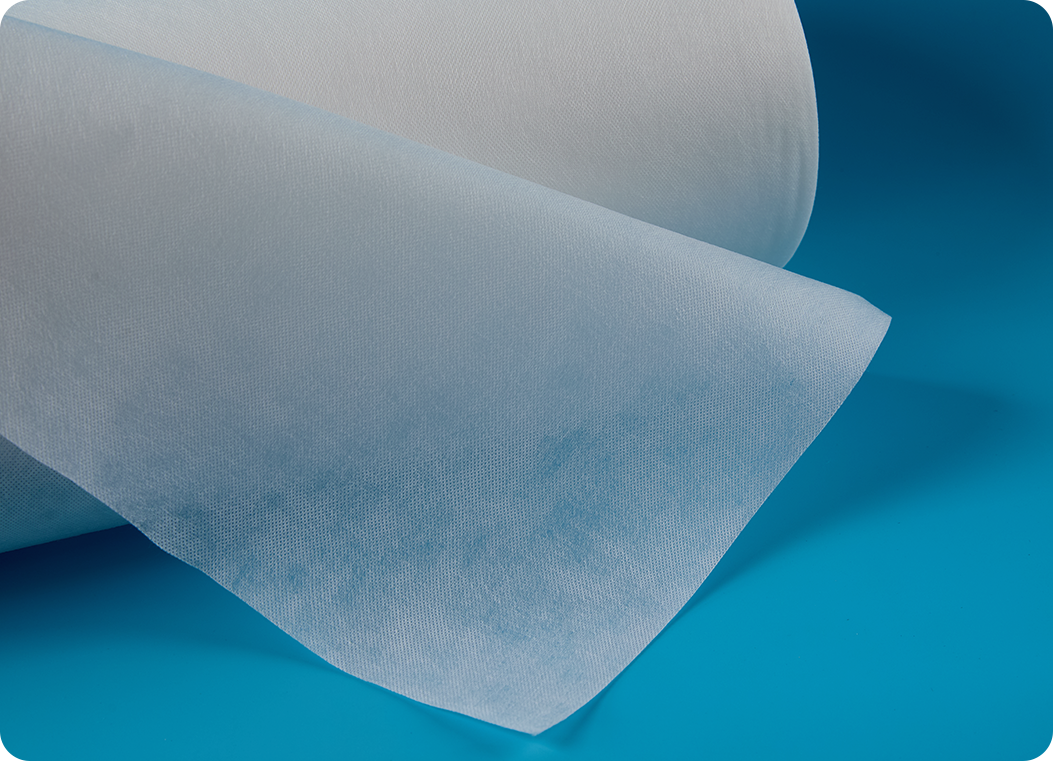
PO hot melt adhesive film is suitable for rigid bonding and cost sensitive applications, while TPU hot melt adhesive film is preferred for flexible, high strength, and wear resistant bonding requirements. The selection depends on substrate type, flexibility needs, and environmental conditions.
Understanding the differences between these two materials helps improve bonding performance and production efficiency in industrial and textile applications.
Material Structure and Composition
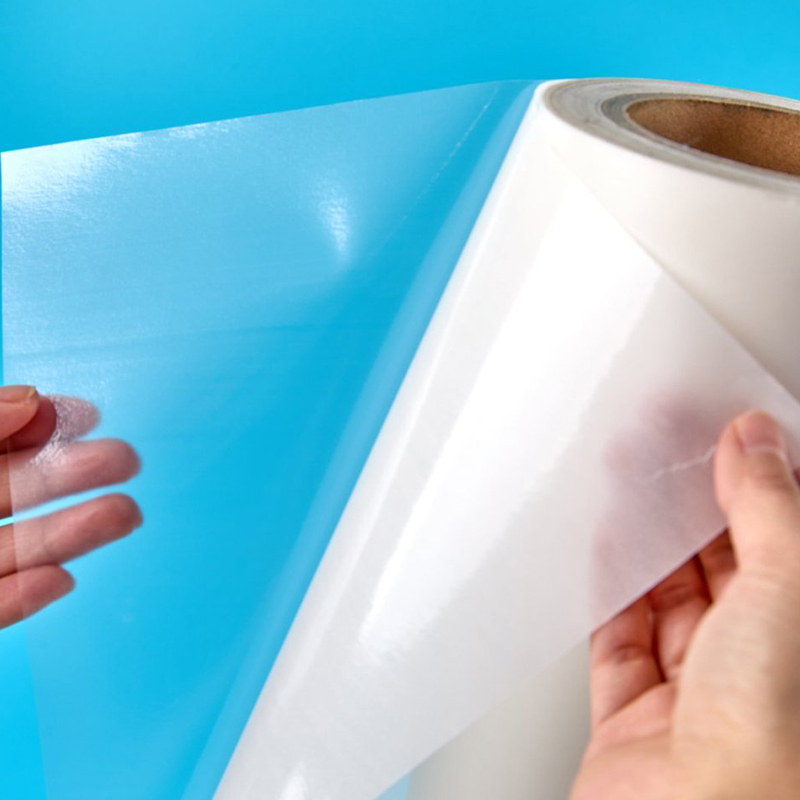
The base polymer determines the physical and chemical performance of hot melt adhesive films.
PO Hot Melt Adhesive Film
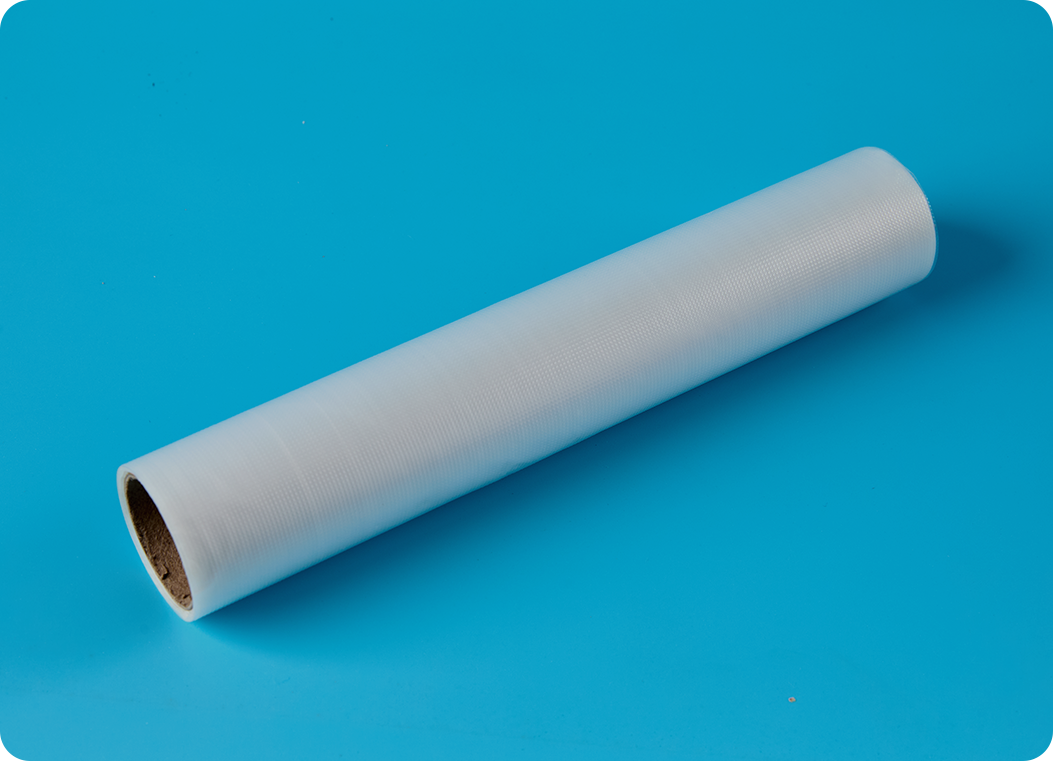
PO film is based on polyolefin materials. It provides stable bonding performance, good chemical resistance, and relatively low cost. It is commonly used for bonding plastics, foam, and lightweight materials.
TPU Hot Melt Adhesive Film
TPU film is made from thermoplastic polyurethane. It offers high elasticity, strong adhesion, and excellent abrasion resistance. It is widely used in textiles, footwear, and automotive interiors.
Performance Comparison in Practical Use
| Property | PO Film | TPU Film |
|---|---|---|
| Flexibility | Low to medium | High |
| Adhesion Strength | Moderate | High |
| Abrasion Resistance | Basic | Excellent |
| Cost Level | Lower | Higher |
TPU film provides superior flexibility and bonding strength, while PO film offers cost advantages for less demanding applications.
Application Scenarios and Industry Use
Different industries select adhesive films based on performance requirements and environmental conditions.
- PO hot melt adhesive film is used in packaging, foam bonding, and basic lamination processes
- TPU hot melt adhesive film is applied in garment lamination, footwear assembly, and automotive interiors
- TPU film is preferred where repeated bending and mechanical stress occur
- PO film is suitable for static bonding with limited movement
Material flexibility and stress resistance are the main factors influencing application selection.
Processing Conditions and Efficiency
Processing parameters such as temperature and pressure affect bonding quality.
PO Film Processing
- Lower activation temperature improves energy efficiency
- Shorter bonding time supports high speed production
TPU Film Processing
- Requires higher temperature for full activation
- Provides stronger bonding after cooling
PO film improves production efficiency, while TPU film enhances final product performance.
Selection Criteria for Different Use Cases
Choosing between PO and TPU adhesive films requires evaluating multiple practical factors.
- Substrate type such as plastic, textile, or foam
- Flexibility requirements in the final product
- Exposure to mechanical stress or abrasion
- Cost constraints and production scale
Matching adhesive film properties with real application conditions ensures stable bonding and long term performance.
Conclusion
PO hot melt adhesive film and TPU hot melt adhesive film serve different industrial needs, with PO focusing on cost efficiency and TPU delivering superior flexibility and strength. By selecting the appropriate material based on application demands, manufacturers can achieve better bonding performance and optimized production outcomes.