 English
 中文简体
中文简体 Türk
TürkIn the fast-paced world of modern manufacturing, the selection of an appropriate bonding solution is a critical decision that influences not only product quality but also production efficiency and operational costs. For decades, industries have transitioned from messy, time-consuming liquid adhesives to the refined, precise performance of hot melt adhesive films. Understanding the fundamental distinctions between these two technologies is essential for engineers and product developers aiming to optimize assembly processes.
Content
The Fundamental Difference in State and Application
Liquid adhesives typically function as emulsions or solvent-based systems that require a chemical reaction or the evaporation of carriers (water or solvents) to achieve bonding strength. This process introduces variables such as drying time, volatile organic compound (VOC) emissions, and potential surface contamination.
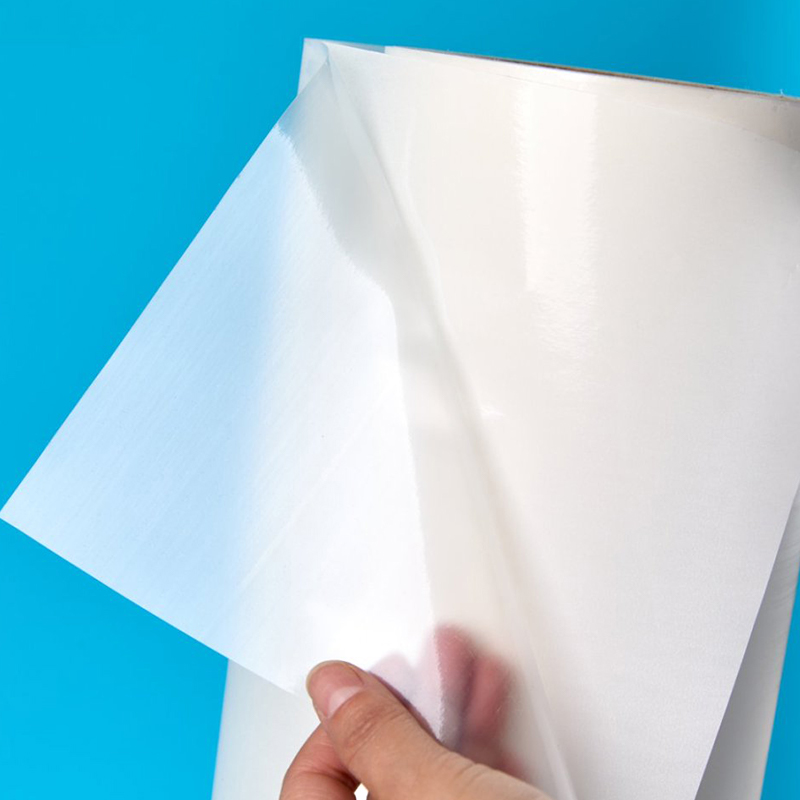
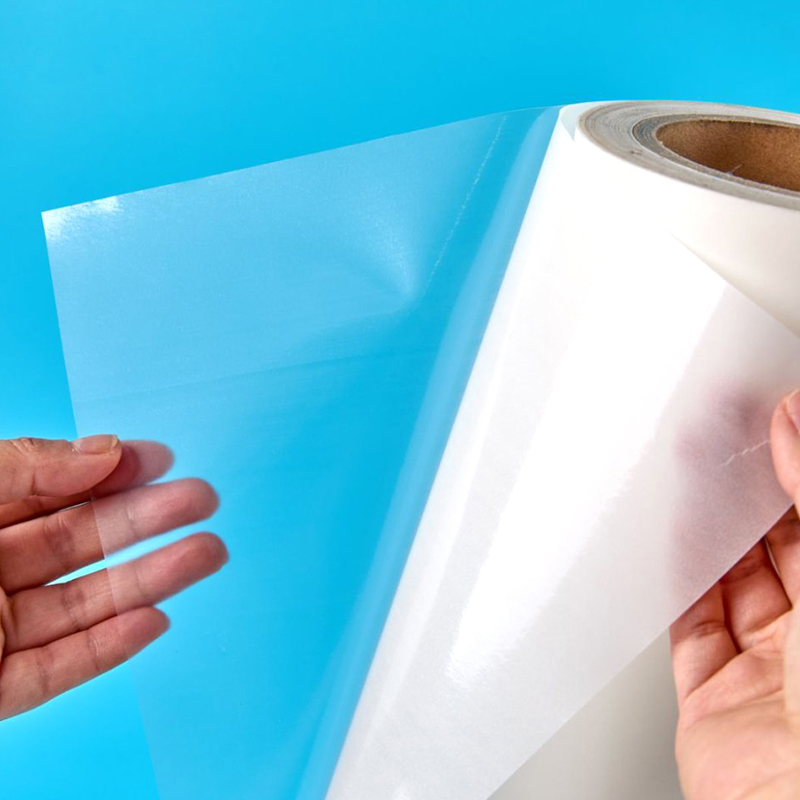
Conversely, hot melt adhesive films are solid-state, thermoplastic materials. They consist of 100% solid resins that remain stable at room temperature and transition to a molten state only when exposed to heat. This phase change is instantaneous upon cooling, creating a bond without the need for lengthy evaporation periods.
Performance Comparison Matrix
To better understand why manufacturers are shifting toward film-based solutions, consider the following performance comparison:
| Feature | Hot Melt Adhesive Film | Liquid Adhesive |
|---|---|---|
| Bonding Speed | Instantaneous upon cooling | Requires drying/curing time |
| Thickness Control | Uniform and precise | Variable and prone to unevenness |
| Waste Generation | Minimal (die-cut to size) | High (drips, overspray, cleanup) |
| Environmental Impact | Low (no VOCs) | High (solvent evaporation) |
| Storage & Shelf Life | Long, stable, climate-friendly | Limited, sensitive to temperature |
| Material Cleanup | None required | Extensive cleanup of equipment |
Precision and Design Flexibility
One of the most significant advantages of hot melt adhesive film is its ability to deliver precise, uniform bond line thickness. In industries such as electronics, medical device manufacturing, and high-end apparel, the consistency of the adhesive layer is paramount. Liquid adhesives often exhibit “wicking” or “bleeding” issues, where the liquid moves beyond the intended bond area, ruining the aesthetic or functional integrity of delicate materials.
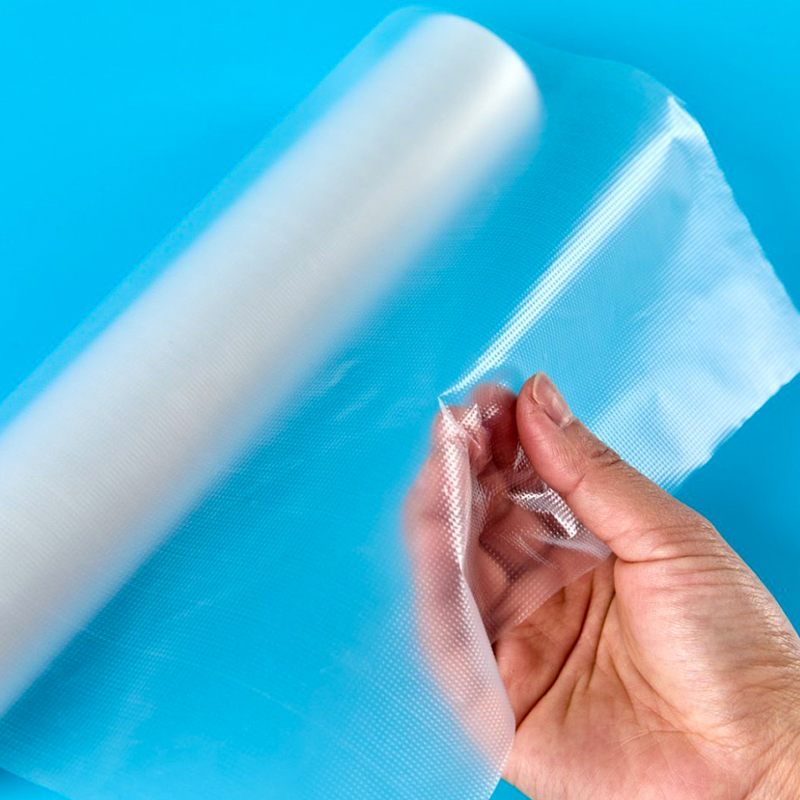
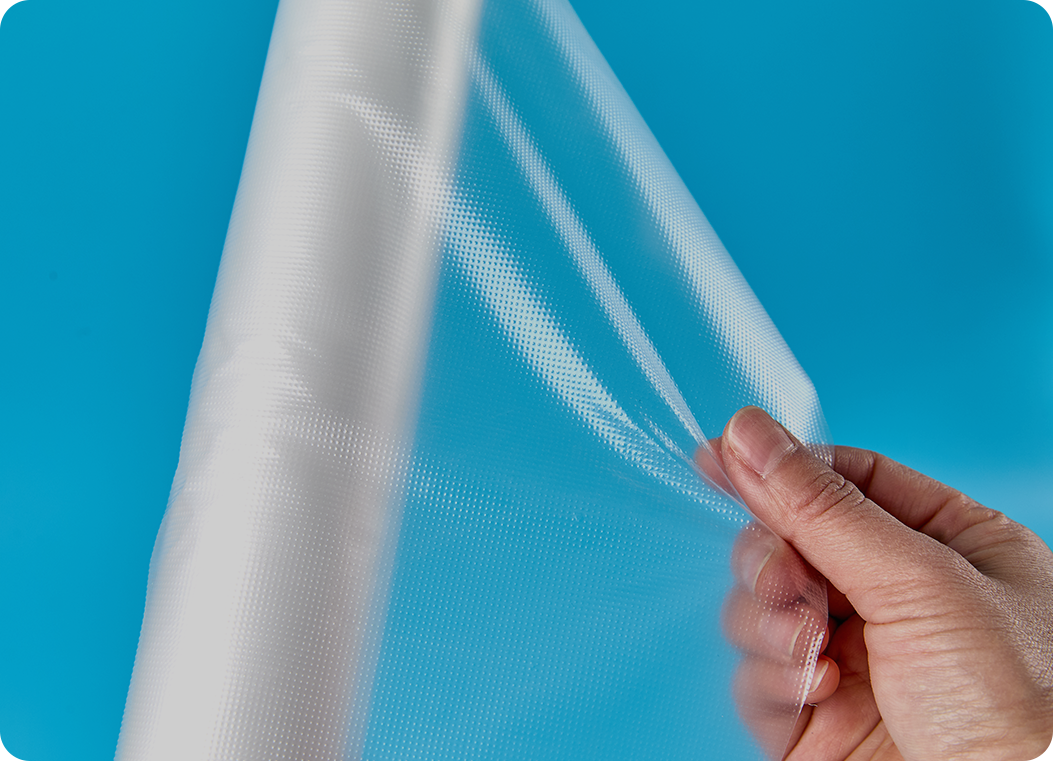
Hot melt films, available in specific thicknesses, remain constrained to the precise area where they are placed. This allows for complex, intricate geometries—such as thin frames for screen displays or seamless garment construction—that would be impossible to achieve with traditional liquid dispensing methods.
Production Efficiency and Automation
The integration of automation into manufacturing lines has further propelled the adoption of adhesive films. Because films are consistent in geometry and weight, they are highly compatible with automated die-cutting and pick-and-place assembly systems. A robotic arm can position a pre-cut film precisely on a substrate, ensuring that every unit produced is identical.
This eliminates the need for manual adhesive application, which is prone to human error. Furthermore, because there is no liquid to manage, the surrounding machinery remains clean, drastically reducing the maintenance overhead associated with clogged nozzles, dried-out valves, and the disposal of hazardous cleaning solvents.
Environmental and Safety Considerations
Global manufacturing standards are increasingly mandating the reduction of hazardous waste. Solvent-based liquid adhesives are a major source of atmospheric pollutants and pose health risks to operators in the workplace. Hot melt adhesive films are inherently safer; being 100% solid, they do not release harmful fumes during application. They provide a cleaner, healthier factory floor environment, which is a critical aspect of modern corporate sustainability initiatives.
Conclusion
While liquid adhesives retain a niche in specific low-cost or highly irregular filling applications, hot melt adhesive films represent the standard for precision, efficiency, and cleanliness in modern manufacturing. By choosing the right film chemistry—whether TPU for elasticity, PA for high thermal resistance, or PES for structural strength—manufacturers can significantly improve their assembly outcomes and long-term reliability.
FAQ
- Q: Can hot melt adhesive film be used on all materials?
A: It is compatible with a wide range of materials, including textiles, plastics, metals, and foams. However, surface energy compatibility is key. For low-surface-energy plastics, specialized film formulations are recommended. - Q: What is the most important factor when choosing a film?
A: The primary factors are the operating temperature range of your product and the required bond strength. You must also consider the heat sensitivity of the substrates you are bonding. - Q: How do I prevent bond failure?
A: Ensure the substrates are clean and free of oils or contaminants. Also, verify that your heat press or lamination equipment is calibrated to the correct temperature, pressure, and dwell time. - Q: Is hot melt adhesive film recyclable?
A: Yes, many hot melt adhesive formulations are thermoplastic and can be recycled alongside the materials they bond, making them a more sustainable choice than some multi-component liquid adhesives. - Q: Why does the bond sometimes feel brittle?
A: Brittleness often indicates that the chosen adhesive grade has a high glass transition temperature for your application, or that the bonding process was not properly controlled. Selecting a more flexible grade, such as a TPU-based film, can resolve this.