
 English
 中文简体
中文简体 Türk
TürkContent
What Makes a Film Dissolve in Cold Water — and Why It Matters
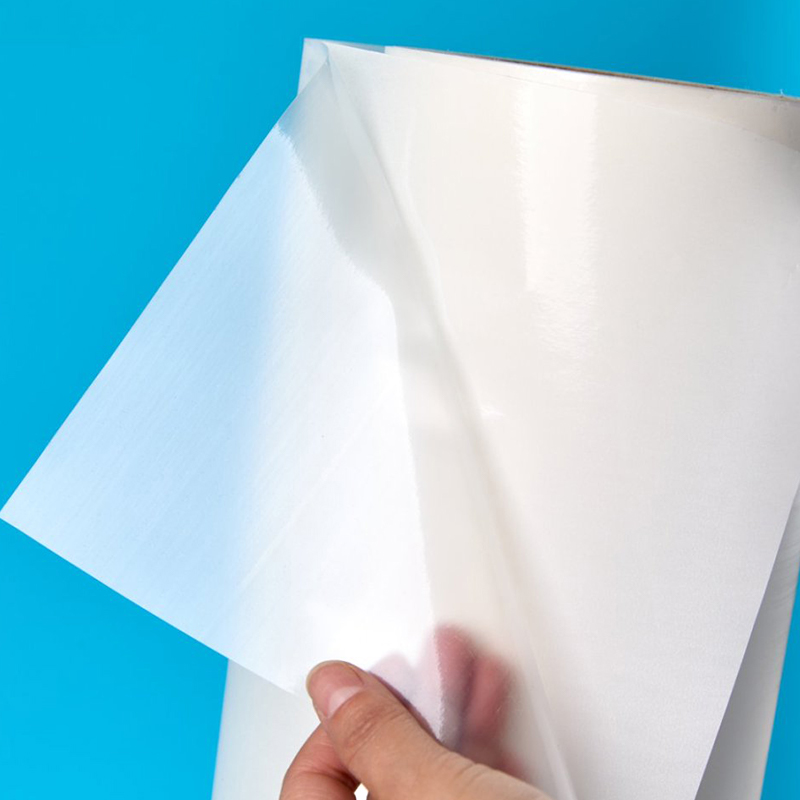
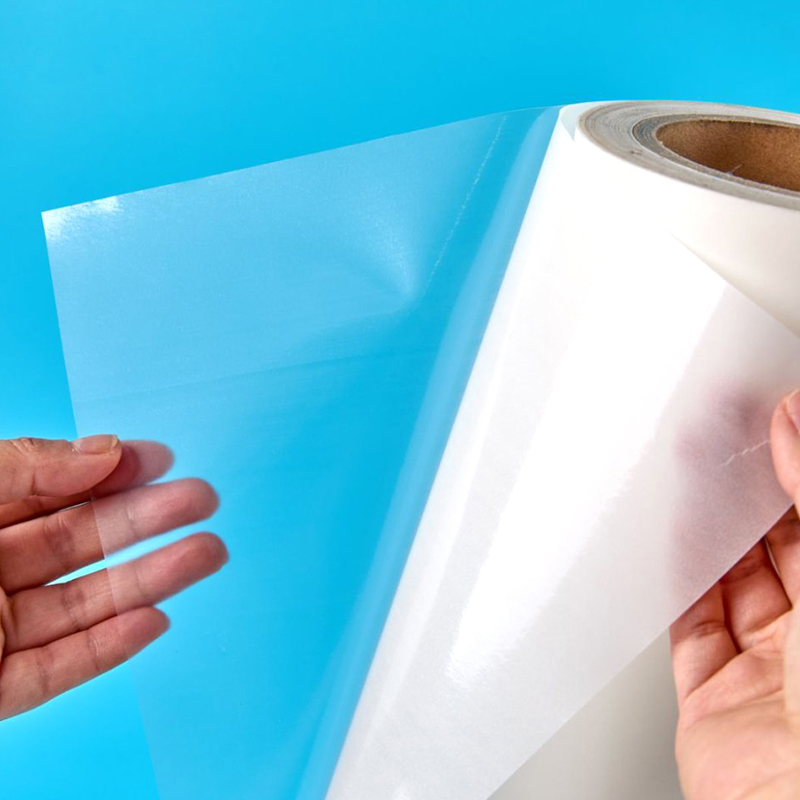
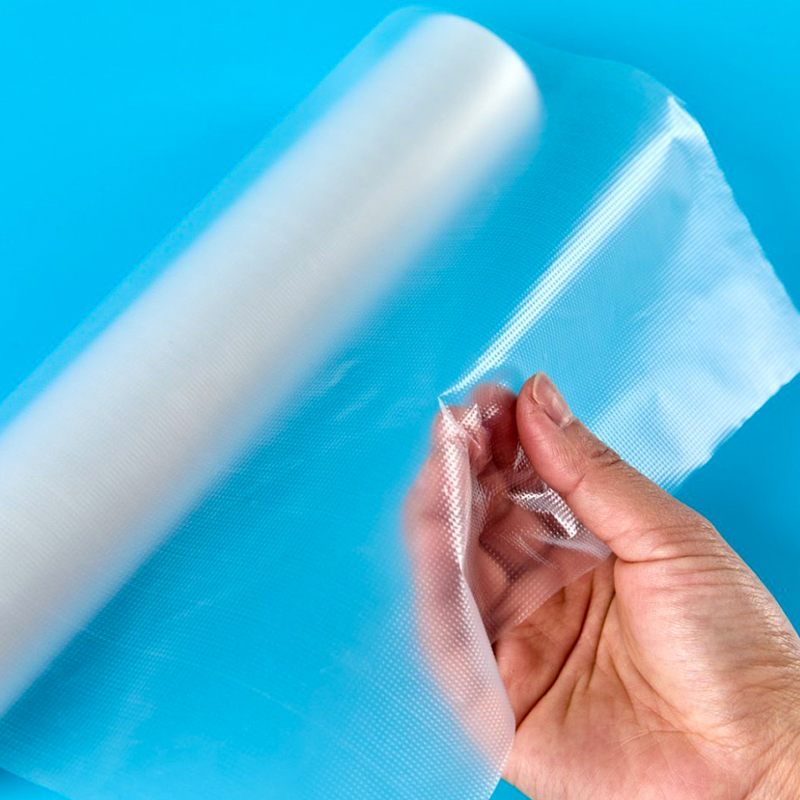
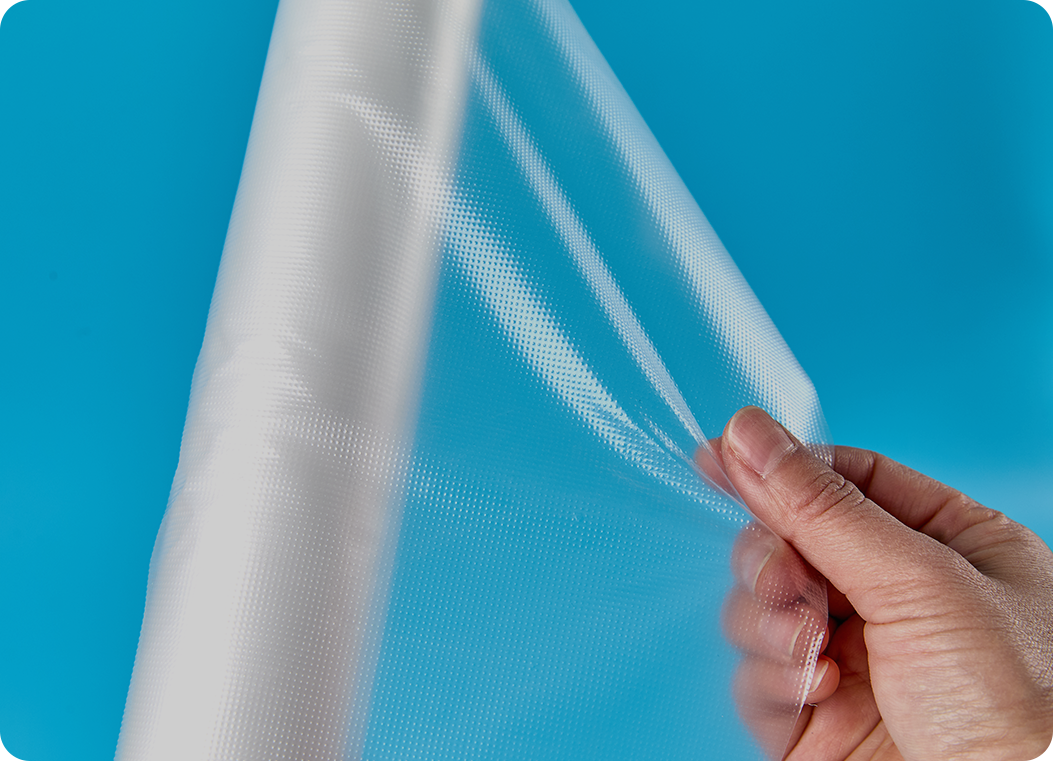
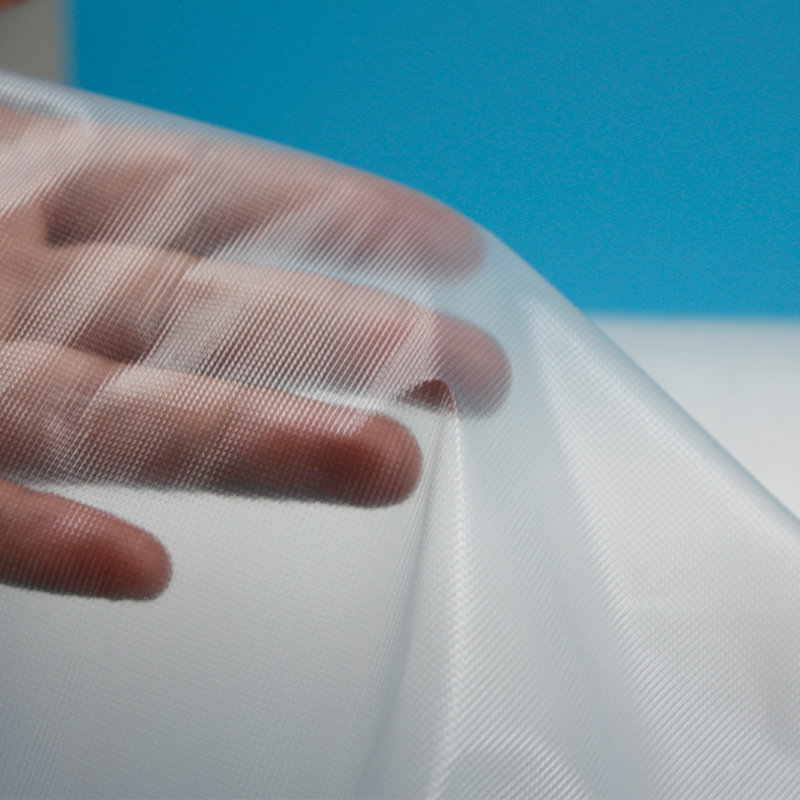
Cold water-soluble film is a packaging and containment material engineered to dissolve completely in unheated water — typically at temperatures between 10°C and 25°C — without requiring elevated temperatures to trigger dissolution. This distinguishes it from hot water-soluble or warm water-soluble grades, which only begin dissolving reliably at 40°C–60°C or higher. The practical implication is significant: cold water-soluble film can be used in applications where the end-use environment delivers only tap water, groundwater, or ambient-temperature process water.
The material basis for most cold water-soluble films is polyvinyl alcohol (PVOH or PVA), a synthetic polymer produced by hydrolysis of polyvinyl acetate. The degree of hydrolysis and the molecular weight of the polymer are the two primary variables that determine dissolution temperature and rate. Cold water-soluble grades use lower degrees of hydrolysis (typically 87–89 mol%) compared to hot water-soluble grades (98–99 mol%), which makes the polymer chains more amenable to water penetration at ambient temperatures. Adjusting molecular weight fine-tunes the balance between mechanical strength during use and dissolution speed upon water contact.
Critically, dissolution and disintegration are not the same thing. A film that breaks apart into fragments in cold water is not soluble — it is merely dispersible, leaving microplastic-scale particles in the water. Genuine cold water-soluble PVOH film undergoes complete molecular dissolution, leaving no solid residue and producing a clear aqueous solution. Verifying this distinction is essential when evaluating materials for applications with environmental or process-cleanliness requirements.
Key Physical Properties and Performance Parameters
Cold water-soluble film must simultaneously satisfy two conflicting demands: maintaining adequate mechanical integrity during handling, filling, sealing, and transport — while dissolving rapidly and completely once placed in water. Film formulators manage this tension through a combination of PVOH grade selection, plasticizer systems, and multilayer constructions.
The properties most relevant to application engineering are:
- Dissolution time: Measured as the time for a standard film sample to fully dissolve in water at a specified temperature and agitation level. Commercial cold water-soluble films typically dissolve within 30–120 seconds in stirred water at 20°C, though actual in-use dissolution time depends heavily on water turbulence, film thickness, and the thermal mass of the water volume.
- Tensile strength and elongation: PVOH films suitable for unit dose packaging typically exhibit tensile strength of 25–45 MPa and elongation at break of 200–400%. Higher elongation grades accommodate more demanding forming processes such as deep-draw thermoforming for detergent pod manufacture.
- Moisture sensitivity: PVOH is inherently hygroscopic — it absorbs atmospheric moisture, which progressively plasticizes the film and can initiate premature surface dissolution in high-humidity environments. Cold water-soluble grades are more sensitive to humidity than hot water grades, requiring controlled storage conditions (typically below 65% relative humidity) and moisture-barrier secondary packaging.
- Seal strength: Heat-seal, solvent-seal, and water-activated seal methods are all applicable to PVOH film. Heat-seal window is narrow — excessive temperature or dwell time degrades the film locally; insufficient temperature produces weak seals. Seal strength of 2–6 N/15mm is typical for unit dose applications.
- Oxygen and chemical barrier: In dry conditions, PVOH film provides excellent oxygen barrier properties, making it useful for encapsulating oxidation-sensitive contents. This barrier collapses when the film absorbs moisture, so it should not be relied upon in humid storage conditions.
Industrial and Consumer Applications Across Key Sectors
Cold water-soluble film has displaced conventional packaging in several application categories where dissolution at ambient temperature is a functional requirement or a significant convenience advantage.
Laundry and dishwasher detergent pods represent the highest-volume consumer application globally. Unit dose detergent pods rely on cold water-soluble film to contain concentrated liquid or gel formulations that release upon contact with wash water. The film must dissolve reliably in cold-wash cycles — increasingly the default setting in energy-efficient washing machines — while remaining intact during handling and storage. Film failure in this application results either in premature dissolution during humid storage or incomplete dissolution leaving a residue on fabrics.
Agricultural chemical packaging uses water-soluble pouches to allow operators to add pesticide or herbicide concentrates to spray tanks without direct skin contact. The sealed pouch is dropped into the partially filled tank; cold water-soluble film ensures the pouch dissolves without requiring the operator to open or cut it, reducing chemical exposure risk. Regulatory frameworks in the EU and North America increasingly mandate or incentivize this format for professional-use pesticides.
Embroidery and textile backing applications use cold water-soluble film as a stabilizer substrate that holds fabric in position during machine embroidery and dissolves away completely in a cold water rinse afterward, leaving no residue in the stitching. This is particularly valuable for embroidery on delicate fabrics that cannot withstand the heat or chemicals used to remove conventional stabilizers.
Industrial and institutional laundry operations use cold water-soluble laundry bags to transport soiled linens — particularly in healthcare settings — without requiring staff to handle contaminated items directly. The entire bag and contents enter the washing machine, where the bag dissolves in the first wash cycle. Cold water dissolution is preferred over hot water grades in these applications because many modern commercial washers use pre-wash cold phases.
3D printing support material is an emerging application where cold water-soluble PVOH filament is used as a dissolvable support structure in dual-extrusion FDM printers. After printing, the support material is removed by soaking the part in cold water, leaving complex geometries and internal channels clean without mechanical post-processing.
Selecting the Right Grade: Thickness, Formulation, and Compatibility Considerations
Cold water-soluble film is available in thicknesses from approximately 25 microns to 76 microns for most commercial grades, with specialized heavy-duty variants reaching 100 microns or above for agricultural and industrial chemical containment. Thicker films provide greater puncture and tear resistance during filling and handling but dissolve more slowly — dissolution time scales roughly with the square of film thickness for diffusion-limited systems.
Formulation compatibility with the packaged contents is the most critical and application-specific selection variable. PVOH film is compatible with aqueous formulations across a wide pH range (roughly pH 3–11) and with many polar organic solvents at low concentration. However, several common chemical classes cause problems:
- Boron-containing compounds (borax, boric acid) crosslink PVOH chains and can cause gelation or complete loss of solubility. Detergent formulations containing borate builders require specially stabilized film grades.
- High-concentration ionic solutions can osmotically extract plasticizer from the film over time, embrittling it and causing cracking during storage.
- Anhydrous liquids and oils are generally compatible with PVOH film and can be packaged without concern for premature dissolution, but any water ingress from the contents or environment will initiate dissolution from the inner surface.
For new applications, accelerated compatibility testing — storing film in contact with the packaged material at elevated temperature and humidity for 4–8 weeks — is standard practice before committing to production tooling. Film suppliers typically provide compatibility data for common chemical families, but direct testing with the specific formulation remains the most reliable validation method.