 English
 中文简体
中文简体 Türk
TürkTake a midsize embroidery plant running three hot-water rinse lines at 65°C just to remove the water-soluble backing under embroidered lace panels. Switching to cold water-soluble nonwoven fabric for the base layer cuts the thermal load of that finishing line almost in half, because the rinse now runs at tap temperature. That is the practical case for this material in apparel and embroidery production: it stabilizes stitches during embroidery, then disappears in unheated water.
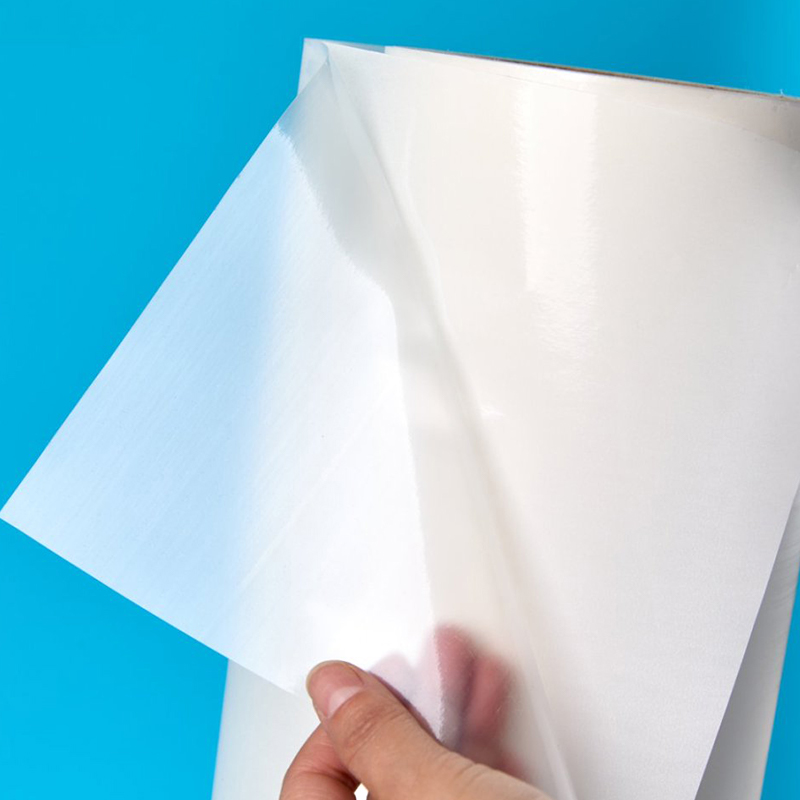
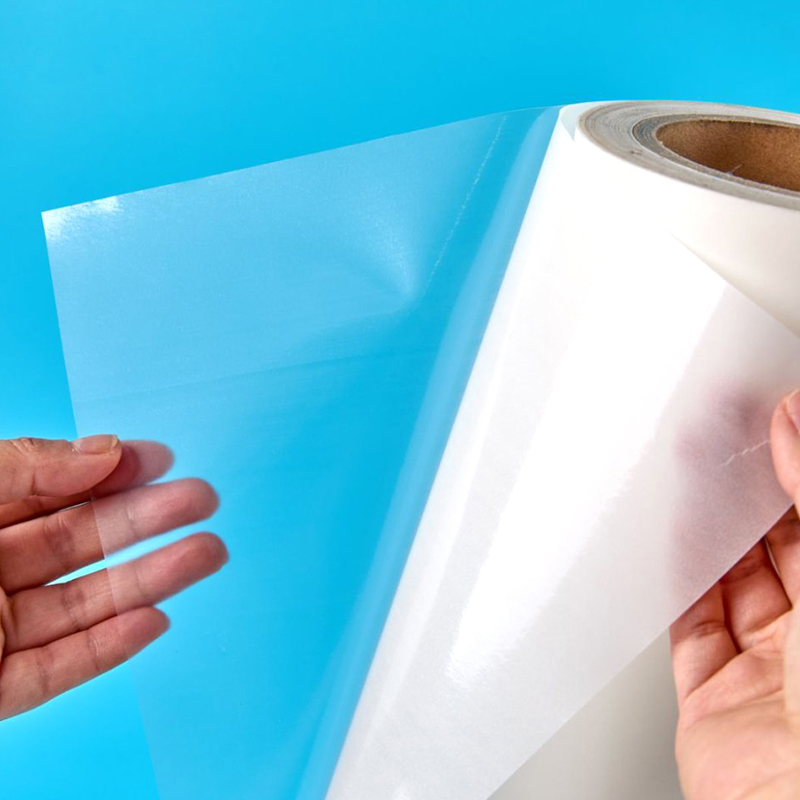
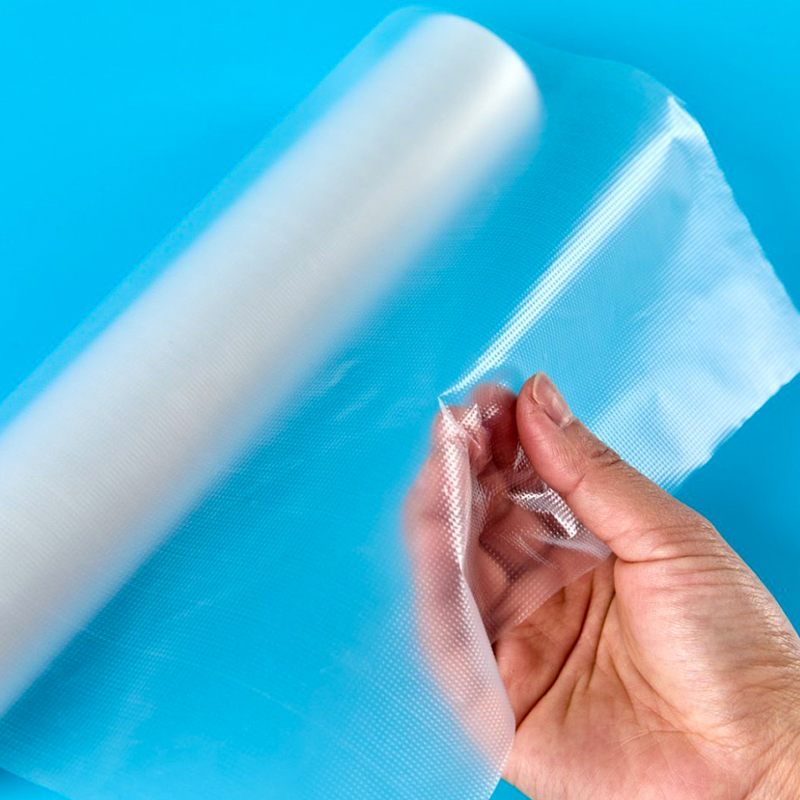
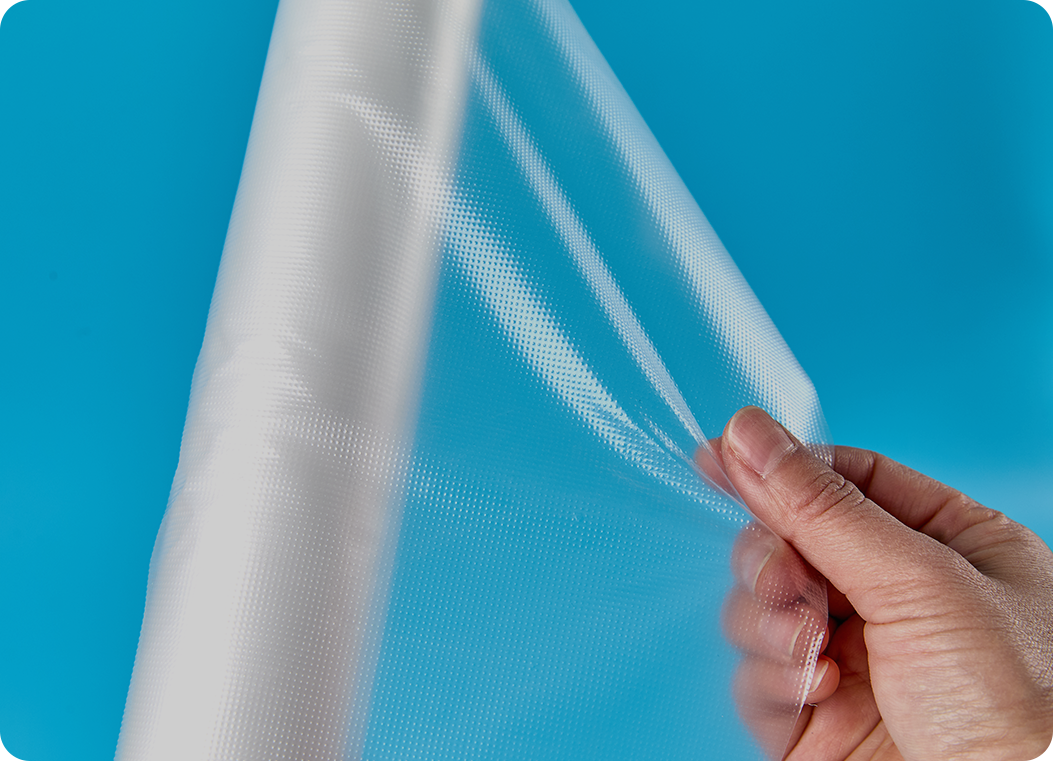
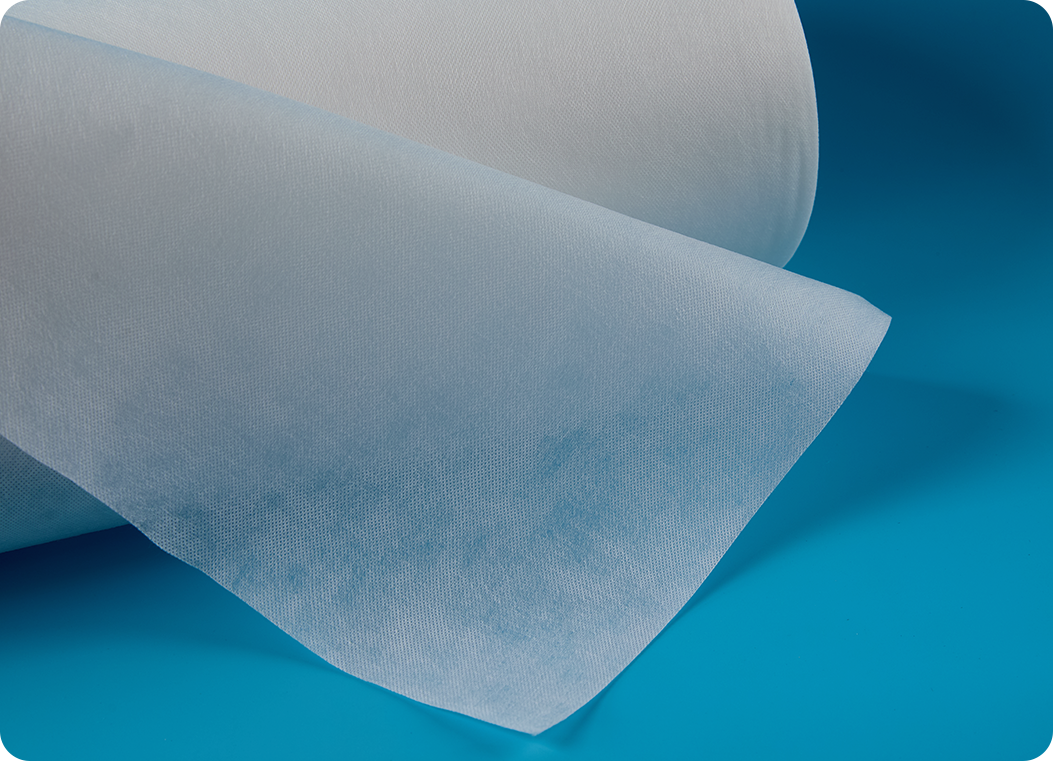
Cold water-soluble nonwoven fabric is a polyvinyl alcohol (PVA) based nonwoven sheet engineered to break apart and fully dissolve in water at 20°C or below. Manufacturers use it as embroidery backing, garment interlining, temporary quilting support, and a carrier for low-temperature printing. After processing, the material rinses away without a hot-water bath, which changes both energy consumption and the range of fabrics that can be processed safely.
 Cold Water-Soluble PVA Nonwoven Fabric for Embroidery and ApparelThis PVA-based nonwoven dissolves fully in room-temperature water, making it suitable for embroidery backing on heat-sensitive fabrics and for medical or hygiene applications where residue-free disposal matters.View Product →
Content
- 1 How Cold Water-Soluble Nonwoven Fabric Dissolves
- 2 Dissolution Temperature Grades for Cold Water-Soluble Nonwoven Fabric
- 3 Why Cold-Water Dissolution Improves Production Economics
- 4 How to Select the Right Cold Water-Soluble Nonwoven Fabric Grade
- 5 Sourcing Checks: What to Verify Before You Order
- 6 Cold Water-Soluble Nonwoven Fabric FAQ
- 6.1 Does cold water-soluble nonwoven fabric dissolve completely in cold tap water?
- 6.2 What is the difference between cold water-soluble and warm water-soluble nonwoven fabric?
- 6.3 Can cold water-soluble nonwoven fabric be used as embroidery backing?
- 6.4 How should cold water-soluble nonwoven fabric be stored?
How Cold Water-Soluble Nonwoven Fabric Dissolves
The material dissolves because PVA is hydrophilic at the molecular level; no chemical reaction or elevated temperature is required.
During manufacture, PVA polymer is formed into fibers and bonded into a nonwoven web. When the web meets water, water molecules penetrate the structure, break the hydrogen bonds holding the polymer chains together, and carry short-chain fragments into solution. What remains on the fabric surface is effectively nothing.
Dissolution speed is controlled by four variables:
- Water temperature: colder water slows the process, which is why grades are matched to seasonal tap-water conditions.
- Mechanical agitation: washing machines and jet washers shorten dissolution time.
- Basis weight: heavier sheets take longer to dissolve than lightweight backing.
- Water chemistry: very hard water can slow PVA dissolution slightly.
Dissolution Temperature Grades for Cold Water-Soluble Nonwoven Fabric
The first specification decision is the dissolution window, because the grade that matches your rinse conditions saves more energy than any downstream optimization.
Cold water-soluble nonwoven fabric is not a single product. Manufacturers offer grades that dissolve at different temperatures, carry different basis weights, and include different adhesive or finish options. The table below maps the grades commonly available from suppliers such as Anhui Haita New Material Technology Co., Ltd., which has manufactured polymer films and nonwovens since 2003.
| Grade | Dissolution temperature | Basis weight range | Primary use |
| Standard cold water-soluble | 20°C or below | 20-60 gsm | Embroidery backing, interlining |
| Cold water melted cotton | 20°C or below | 30-80 gsm | Soft-hand lace, apparel support |
| Low-temperature printing grade | 30-40°C | 25-50 gsm | Printing carrier material |
| Medium/warm water-soluble | 40-60°C | 30-70 gsm | Multi-step process removal |
| Self-adhesive cold water-soluble | 20°C or below | 25-50 gsm | Flat embroidery, applique positioning |
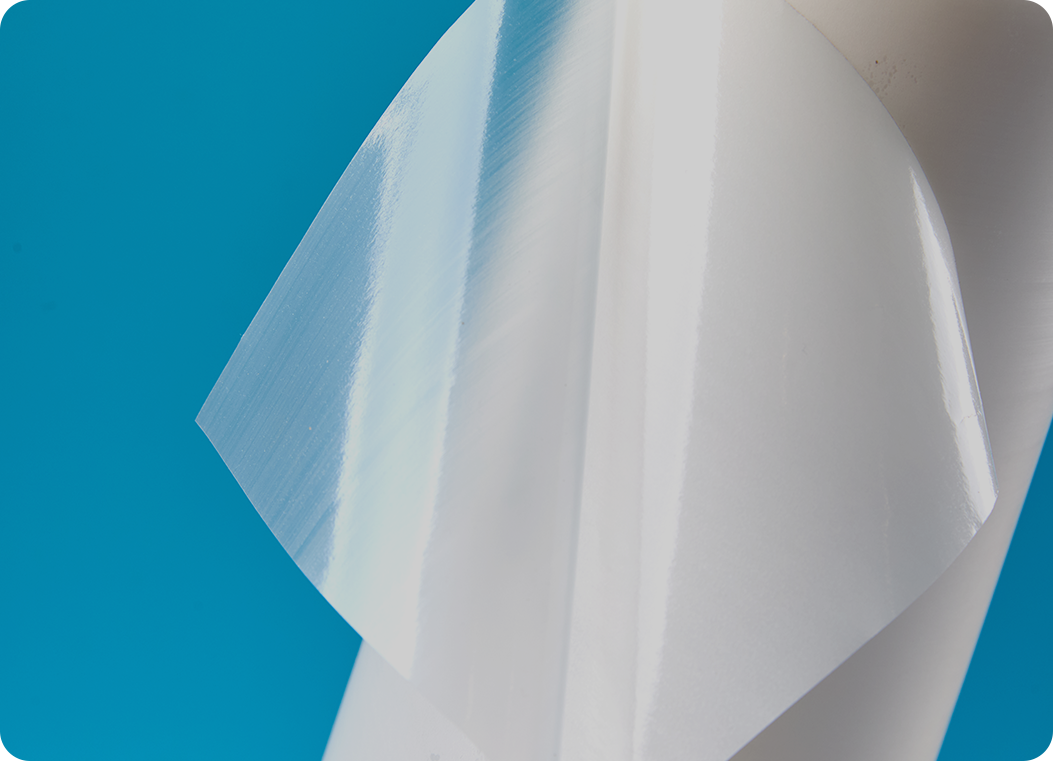
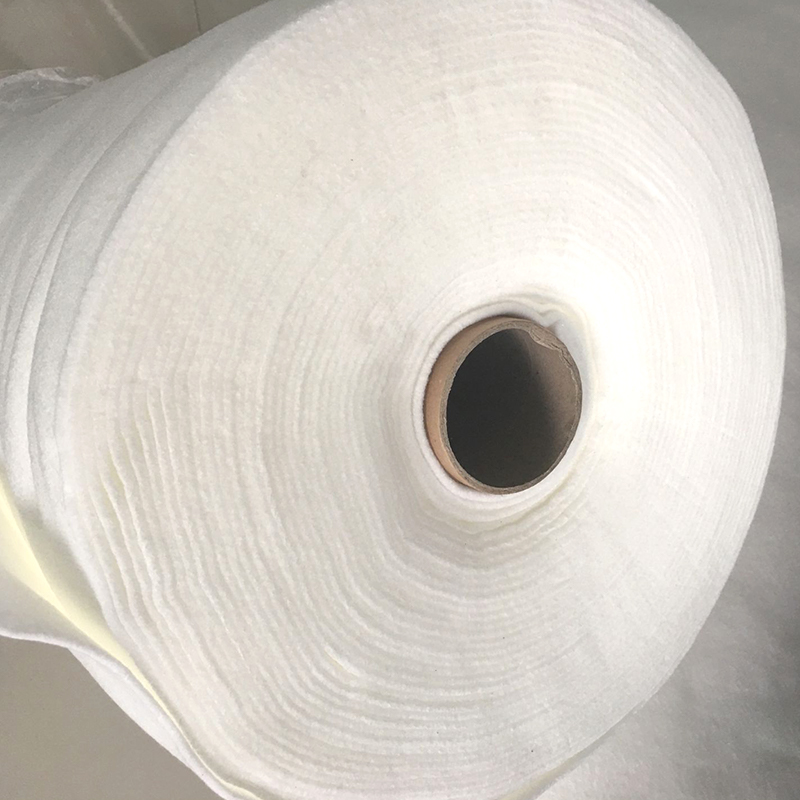 Thick Cold-Water-Soluble PVA Cotton for 3D EmbroideryThis three-dimensional water-soluble cotton comes in thicker basis weights up to 400 g/m² and dissolves in cold water without residue, offering a practical alternative to foam for dimensional embroidery projects.View Product →
The practical difference between grades matters most in multi-step processes. A low-temperature printing grade stays stable through printing at 30-40°C and dissolves in a later cold rinse, while a standard cold-water grade would begin to break down too early. Matching the temperature window to each process step is the core of grade selection.
Why Cold-Water Dissolution Improves Production Economics
Lowering the rinse temperature from 60°C to 20°C removes the single largest energy input in a finishing line and protects heat-sensitive fabrics at the same time.
Heating water is the dominant cost in hot-water finishing. A 1,000-liter bath heated from a 15°C supply temperature to 60°C consumes roughly 52 kWh; the same bath used cold consumes about 6 kWh. Across multiple rinse shifts, the difference changes a plant's unit-cost calculation.
Energy is only part of the benefit. Cold-water processing removes heat-shrinkage risk on wool, viscose, and synthetic blends, reduces dye bleeding, and shortens rinse-to-dry time because the bath does not need reheating for the next batch.
How to Select the Right Cold Water-Soluble Nonwoven Fabric Grade
Match the grade to your actual rinse-water temperature first, then to stitch density and fabric hand; the grade that dissolves reliably in your coldest month is the correct one.
Five checks cover most procurement decisions:
The comparison below summarizes what changes when a plant moves from a hot-water to a cold-water process.
Cold-water process
No heating energy for the rinse bath.
No heat-shrinkage or dye-bleeding risk.
Longer dissolution time, typically 30-90 seconds.
Requires good agitation for complete removal.
Hot-water process
High thermal energy cost per batch.
Thermal damage risk on delicate fabrics.
Faster dissolution, often under 30 seconds.
Higher bath maintenance and reheating cost.
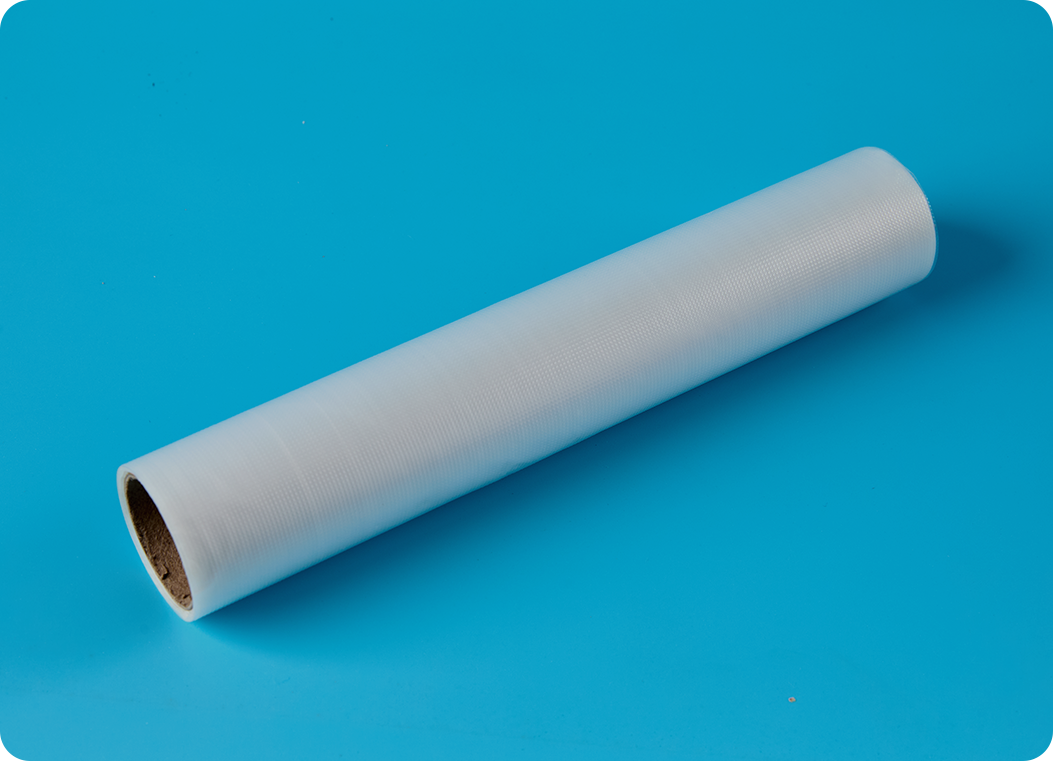
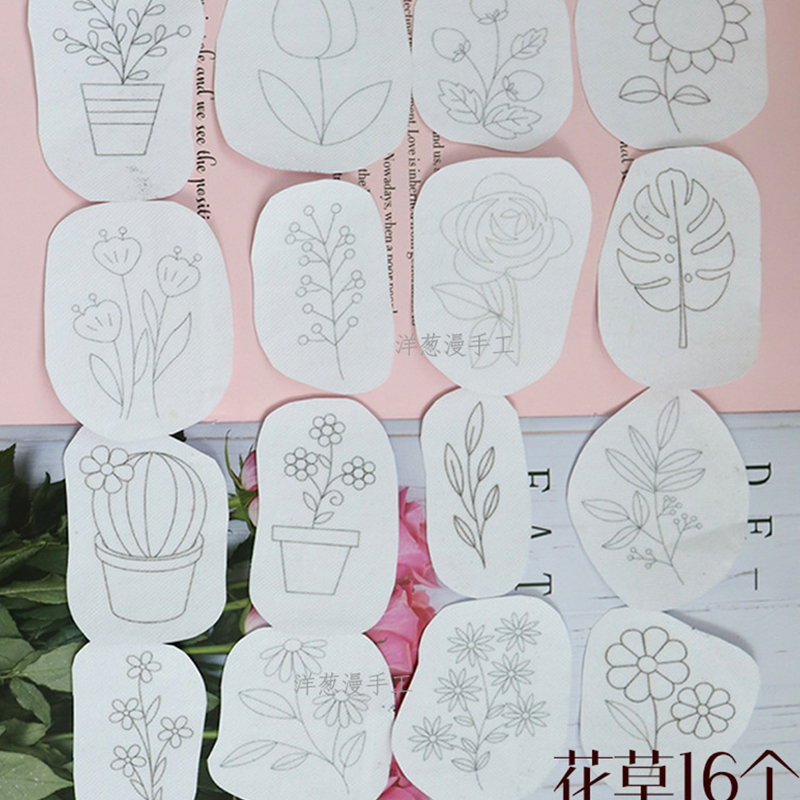 Self-Adhesive Cold-Water-Soluble Nonwoven for EmbroideryFeaturing a tacky backing, this water-soluble nonwoven helps stabilize fabric during complex or multi-layer embroidery, then rinses away in warm water, leaving only the stitched pattern.View Product →
Sourcing Checks: What to Verify Before You Order
Buyers should verify the dissolution temperature in writing, test with their own water, and confirm basis-weight tolerance before committing to volume orders.
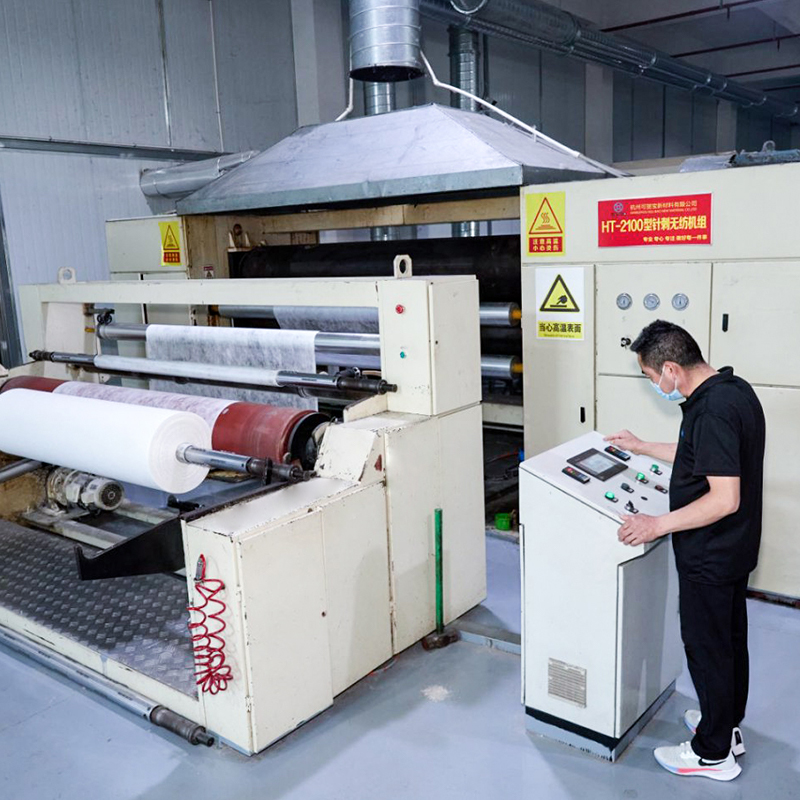
A manufacturer such as Anhui Haita New Material Technology Co., Ltd. operates dedicated water-soluble nonwoven production lines alongside its film and hot-melt product families, with laboratory testing and a stated daily capacity of 500,000 square meters per product series. That scale makes grade consistency auditable, but only if the buyer specifies the right acceptance criteria.
Use a five-step verification sequence before the first bulk order:
Cold Water-Soluble Nonwoven Fabric FAQ
The answers below cover the questions buyers ask most often during supplier qualification.
Does cold water-soluble nonwoven fabric dissolve completely in cold tap water?
Yes. PVA-based cold-water grades disintegrate fully in water at 20°C or below, typically within 30-90 seconds with normal agitation, leaving no fiber residue. Very hard water may lengthen the rinse slightly.
What is the difference between cold water-soluble and warm water-soluble nonwoven fabric?
The difference is the dissolution temperature window. Cold-water grades dissolve at 20°C or below; warm and medium grades require 40-60°C. Warm grades suit processes where the sheet must survive several wet or heated steps before final removal.
Can cold water-soluble nonwoven fabric be used as embroidery backing?
Yes, that is its primary application. It stabilizes the fabric during stitching and then dissolves in a final cold rinse, which avoids heat shrinkage and eliminates the energy cost of hot-water finishing.
How should cold water-soluble nonwoven fabric be stored?
Keep rolls sealed in the original packaging in a dry warehouse, ideally below 60% relative humidity. PVA absorbs moisture, and premature humidity causes surface tackiness or uneven dissolution. Most suppliers rate shelf life at 12 months.
Cold water-soluble nonwoven fabric is the most direct way to remove heat from a finishing line while keeping stitch quality intact. Start with the grade table, verify the dissolution window against your tap-water temperature, and qualify the supplier with a five-step trial before committing to volume.