 English
 中文简体
中文简体 Türk
TürkContent
- 1 Plastic That Dissolves in Water: What It Actually Is
- 2 Solubility of Polyvinyl Alcohol in Water: The Chemistry Behind It
- 3 Water-Soluble Synthetic Polymers Beyond PVA
- 4 Water-Soluble Films: Manufacturing, Properties, and Applications
- 5 Environmental Fate: What Happens After PVA Dissolves
- 6 Storage, Handling, and Processing Requirements for Water-Soluble Films
Plastic That Dissolves in Water: What It Actually Is
Most plastics are defined precisely by their resistance to water — polyethylene, polypropylene, and PET persist in aquatic environments for decades without meaningful degradation. Water-soluble plastics are the engineered exception: a narrow class of polymers whose molecular architecture allows water molecules to penetrate the polymer matrix, disrupt intermolecular bonding, and ultimately disperse the material into solution at the molecular level.
The distinction between water-soluble and water-degradable is important. Water-degradable materials (including many biodegradable plastics) break down into smaller fragments over weeks or months in the presence of moisture, microbes, and heat. Water-soluble polymers dissolve into molecular-scale chains in water within minutes to hours — no fragmentation, no microplastics, just polymer molecules in solution. Whether those dissolved chains are subsequently biodegraded depends on the polymer chemistry and the microbial environment receiving the solution.
Of all known polymers, only a handful achieve true, rapid water solubility combined with the film-forming, mechanical, and processing characteristics needed for commercial applications. Polyvinyl alcohol (PVA or PVOH) is by far the most commercially significant, accounting for the large majority of global water-soluble film and packaging production. Others include polyethylene oxide (PEO), carboxymethyl cellulose (CMC), hydroxypropyl methylcellulose (HPMC), and sodium polyacrylate — each with specific application niches.
Solubility of Polyvinyl Alcohol in Water: The Chemistry Behind It
Polyvinyl alcohol is produced not by direct polymerization of vinyl alcohol (which does not exist as a stable monomer) but by hydrolysis of polyvinyl acetate (PVAc). When acetate groups on the PVAc backbone are replaced with hydroxyl (–OH) groups through saponification, the result is PVA. The degree to which this substitution is carried out is called the degree of hydrolysis, and it is the single most important parameter controlling PVA's solubility behavior in water.
Degree of Hydrolysis and Its Effect on Dissolution
PVA grades are commercially classified into two broad categories based on hydrolysis level:
- Partially hydrolyzed PVA (86–90% hydrolysis): Retains a significant proportion of acetate groups alongside hydroxyl groups. The acetate groups disrupt the hydrogen-bonding network between hydroxyl groups and water molecules, making the polymer easier to dissolve at cold or room-temperature water (10–30°C). Partially hydrolyzed grades are used in most cold-water-soluble film applications — laundry pods, single-use detergent sachets, and agrochemical packaging that must dissolve rapidly when the user does not control water temperature.
- Fully hydrolyzed PVA (98–99.8% hydrolysis): Nearly all acetate groups have been converted to hydroxyls. The dense, ordered hydrogen-bonding network between adjacent –OH groups and surrounding water molecules is actually so strong that it creates crystalline domains within the polymer that resist penetration by water at low temperatures. Fully hydrolyzed PVA requires hot water (above 80°C) to dissolve, because thermal energy is needed to break apart these crystalline regions and allow water ingress. Once dissolved, fully hydrolyzed PVA solutions offer superior film strength, chemical resistance, and barrier properties compared to partially hydrolyzed grades.
Molecular Weight and Viscosity
The second major parameter is molecular weight, typically characterized by the viscosity of a 4% aqueous PVA solution at 20°C. Commercial PVA viscosity grades range from approximately 3–4 mPa·s (low molecular weight, fast-dissolving, lower film strength) to 55–65 mPa·s (high molecular weight, slower dissolution, higher tensile and tear strength). A 4% aqueous solution of medium-viscosity PVA (20–30 mPa·s) is the most commonly specified grade for general film casting and coating applications — it balances processing viscosity with acceptable film mechanical properties.
In practical dissolution terms, a 25-micron PVA film made from partially hydrolyzed, medium-viscosity resin will typically begin to lose integrity within 30–60 seconds of contact with water at 20°C and fully disperse within 2–5 minutes. At 40°C, the same film dissolves in under 60 seconds. These parameters can be adjusted by altering film thickness, plasticizer content, and crosslink density during film production.
The Role of Crosslinking
PVA's hydroxyl groups are reactive and can be crosslinked using agents such as glutaraldehyde, boric acid, or glyoxal. Crosslinking creates covalent bonds between adjacent polymer chains that resist dissolution — paradoxically, controlled crosslinking is used to slow down or prevent PVA dissolution when barrier properties are more important than water solubility. Heavily crosslinked PVA behaves as a water-swellable hydrogel rather than a water-soluble film. Most water-soluble PVA films used in packaging applications are minimally or un-crosslinked to preserve dissolution speed.
| PVA Grade | Hydrolysis (%) | Dissolution Temp. | Typical Application |
|---|---|---|---|
| Partially hydrolyzed | 86–90% | Cold / room temp (10–30°C) | Laundry pods, agrochemical sachets |
| Intermediate hydrolyzed | 91–97% | Warm water (40–60°C) | Embroidery backing, textile sizing |
| Fully hydrolyzed | 98–99.8% | Hot water (80°C+) | Industrial adhesives, high-barrier coatings |
Water-Soluble Synthetic Polymers Beyond PVA
PVA dominates the commercial water-soluble film market, but several other synthetic polymers achieve water solubility through different molecular mechanisms and serve distinct application niches.
Polyethylene Oxide (PEO)
Polyethylene oxide — also called polyethylene glycol (PEG) at lower molecular weights — is fully water-soluble across an exceptionally wide molecular weight range, from a few hundred to several million g/mol. The ether oxygen atoms along the backbone form hydrogen bonds with water, and the flexible backbone geometry prevents crystalline packing that would hinder dissolution. High-molecular-weight PEO (above 100,000 g/mol) forms viscous aqueous solutions used in pharmaceutical tablet coatings, controlled-release drug delivery matrices, and as a drag-reducing agent in firefighting water systems. Low-molecular-weight PEG is a ubiquitous pharmaceutical excipient and cosmetic humectant. PEO films are generally softer and more extensible than PVA films at equivalent thickness.
Polyvinylpyrrolidone (PVP)
PVP is water-soluble at all temperatures and in many polar organic solvents, due to the highly polar lactam group in each repeat unit. It is classified as a water-soluble synthetic polymer with an amorphous structure that dissolves readily without temperature restriction. Commercial grades cover K-values (viscosity-related molecular weight indicators) from K-15 to K-90. PVP finds major use in pharmaceutical binders, adhesive formulations, hair-fixative products, and as a dispersant and stabilizer in aqueous coatings. Its film-forming properties are weaker than PVA, and it is hygroscopic — PVP films absorb atmospheric moisture and soften, which limits its use in standalone packaging films but makes it valuable as a water-soluble additive in composite films.
Sodium Polyacrylate and Polyacrylic Acid
Polyacrylic acid (PAA) and its sodium salt (sodium polyacrylate) are water-soluble anionic polymers with a high density of carboxylate groups. Sodium polyacrylate is the superabsorbent polymer used in diapers and hygiene products — it does not dissolve but swells to absorb hundreds of times its weight in water through osmotic pressure. Partially neutralized and lower-molecular-weight forms are genuinely water-soluble and used as scale inhibitors in water treatment, dispersants in detergent formulations, and thickeners in personal care products. The solubility is pH-sensitive: fully protonated PAA (low pH) has reduced solubility, while the sodium salt form is freely soluble across a wide pH range.
Pullulan
Pullulan occupies a transitional position between synthetic and biobased water-soluble polymers. Produced by the fungus Aureobasidium pullulans from starch feedstocks, it is a linear polysaccharide that dissolves readily in cold water and forms transparent, odorless, edible films. Pullulan films have excellent oxygen barrier properties — comparable to PVA in dry conditions — and are fully biodegradable. They are used in oral-strip pharmaceutical delivery, edible food packaging, and cosmetic sheet masks. As supply chains for biobased materials develop and costs decline, pullulan is increasingly specified as a natural alternative to synthetic water-soluble polymers in premium applications.
Water-Soluble Films: Manufacturing, Properties, and Applications
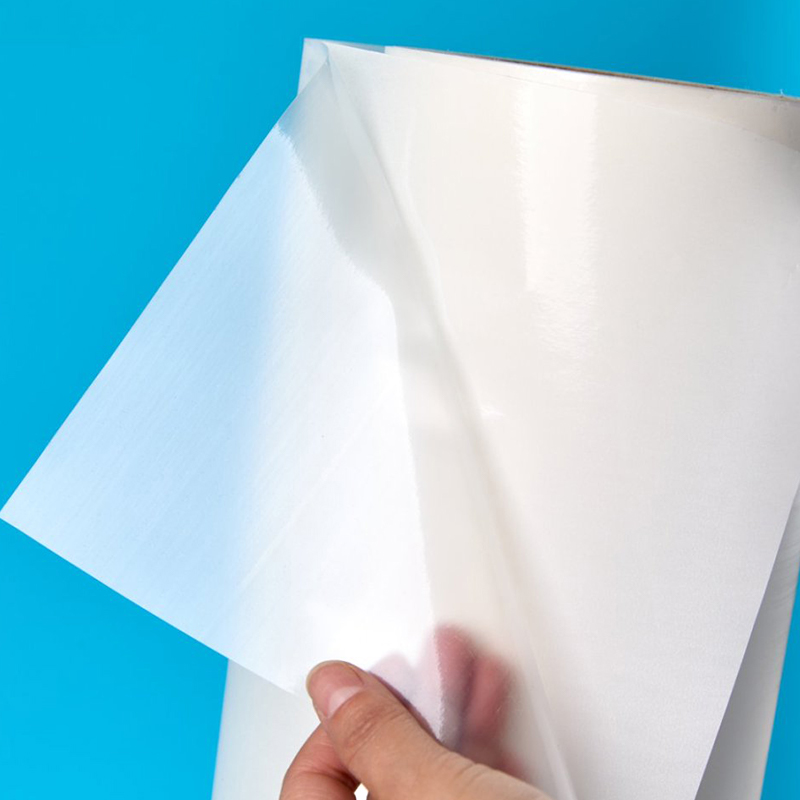
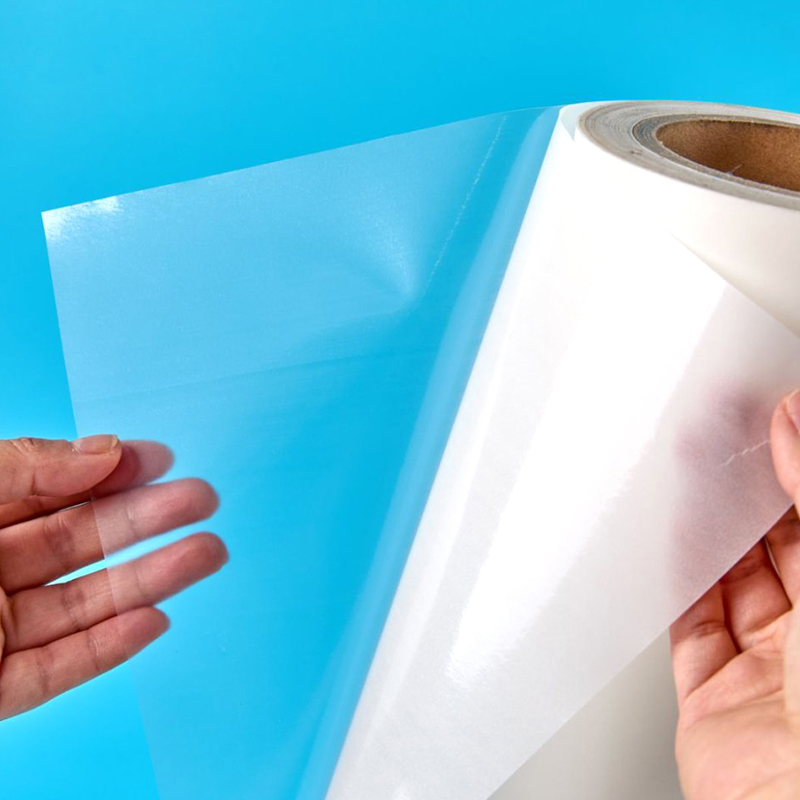
Water-soluble films — predominantly PVA-based — are manufactured by two primary processes: solution casting and blown film extrusion. Each produces films with different property profiles suited to different end uses.
Solution Casting vs. Blown Film Extrusion
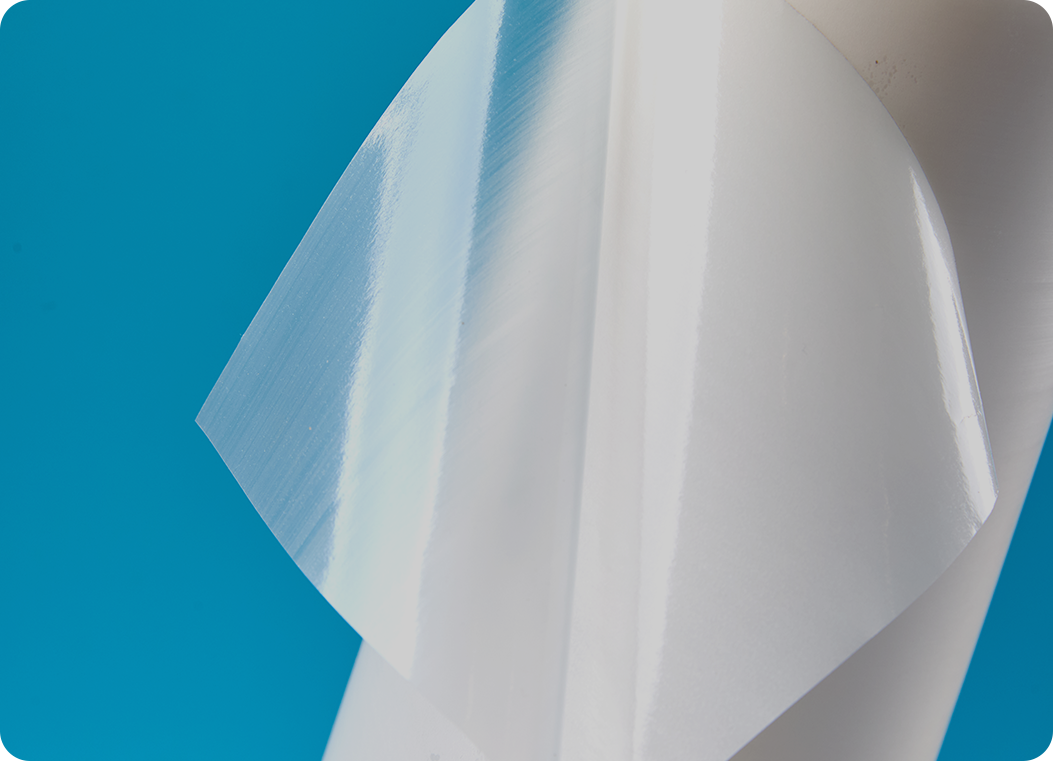
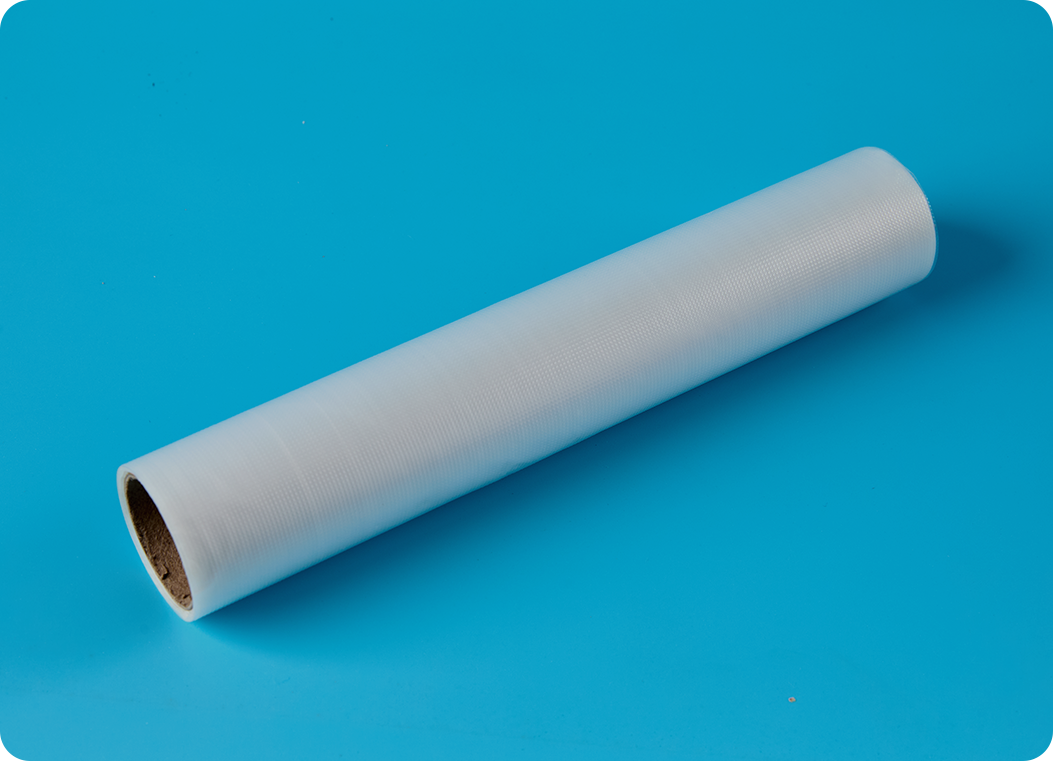
In solution casting, PVA is dissolved in water at 80–90°C to form a viscous solution (typically 15–20% solids), plasticizers such as glycerol or sorbitol are added to improve flexibility, and the solution is spread onto a heated stainless steel belt or drum where controlled evaporation produces a uniform film. Cast films are characterized by excellent optical clarity, tight thickness tolerance (±1–2 microns), and high surface smoothness — properties critical for packaging transparency and pouch heat-sealing performance. The process is slower and more energy-intensive than extrusion.
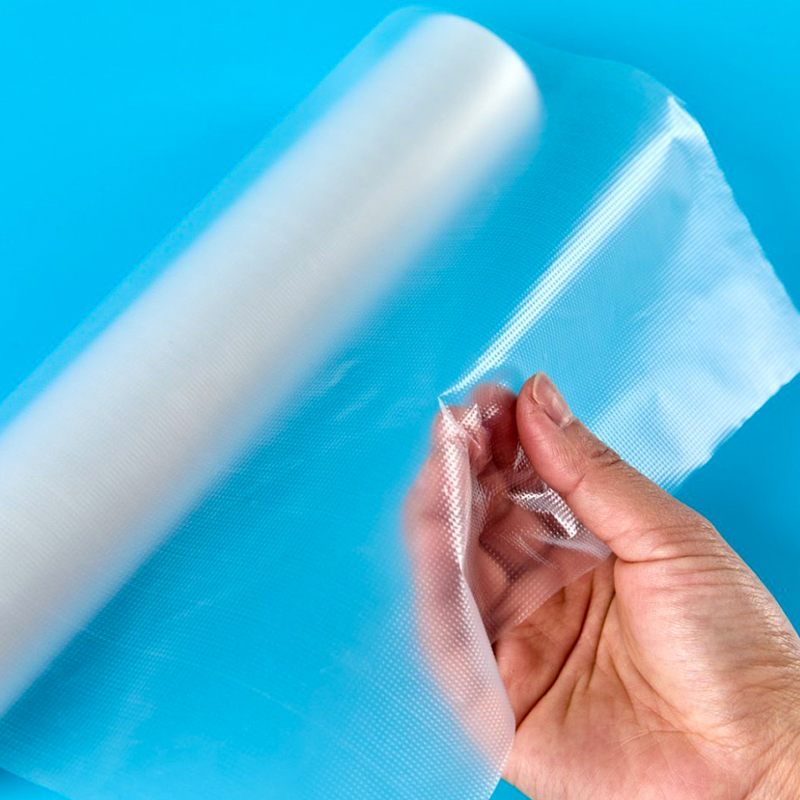
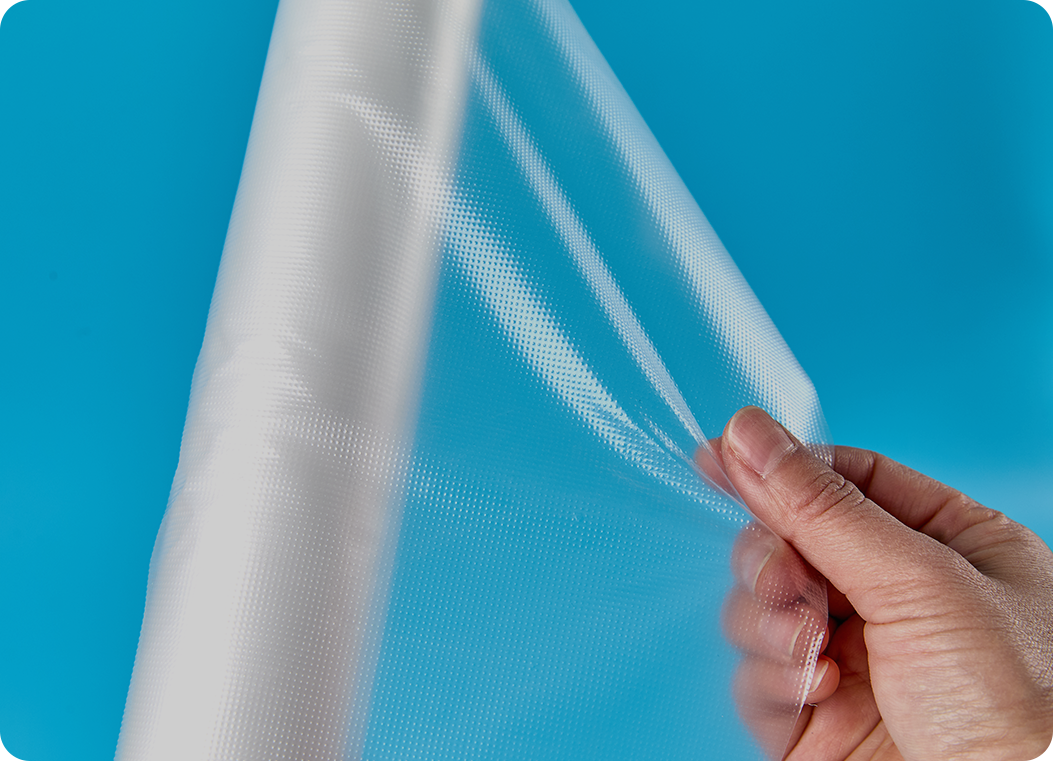
Blown film extrusion of PVA uses specially formulated melt-processable PVA grades with plasticizer pre-compounded into pellets, processed through a conventional blown film line at temperatures of 160–190°C. Blown films are less optically clear than cast films and have slightly more variable thickness across the web, but production rates are higher and capital costs per unit output are lower. Blown PVA films are used in laundry bags, embroidery backing, and applications where optical clarity is secondary to dissolution speed and cost.
Key Mechanical and Barrier Properties
Commercial PVA water-soluble films (25 microns, partially hydrolyzed, cast) typically exhibit:
- Tensile strength: 35–55 MPa (machine direction), providing adequate web strength for high-speed pouch-filling lines
- Elongation at break: 200–300%, allowing the film to stretch over form-fill-seal tooling without tearing
- Oxygen transmission rate (OTR): <1 cm³/m²/day at 0% relative humidity — one of the best oxygen barriers among thermoplastic films, comparable to EVOH; this barrier collapses at high humidity as the hydrophilic film absorbs moisture and swells
- Grease and oil resistance: Excellent — PVA's polarity repels non-polar hydrocarbons, making it effective for packaging oil-containing products without film degradation prior to water dissolution
- Heat-seal range: 150–200°C at 0.2–0.5 MPa pressure and 0.5–1.0 second dwell time for most commercial grades on standard impulse or constant-heat sealers
Major Application Areas
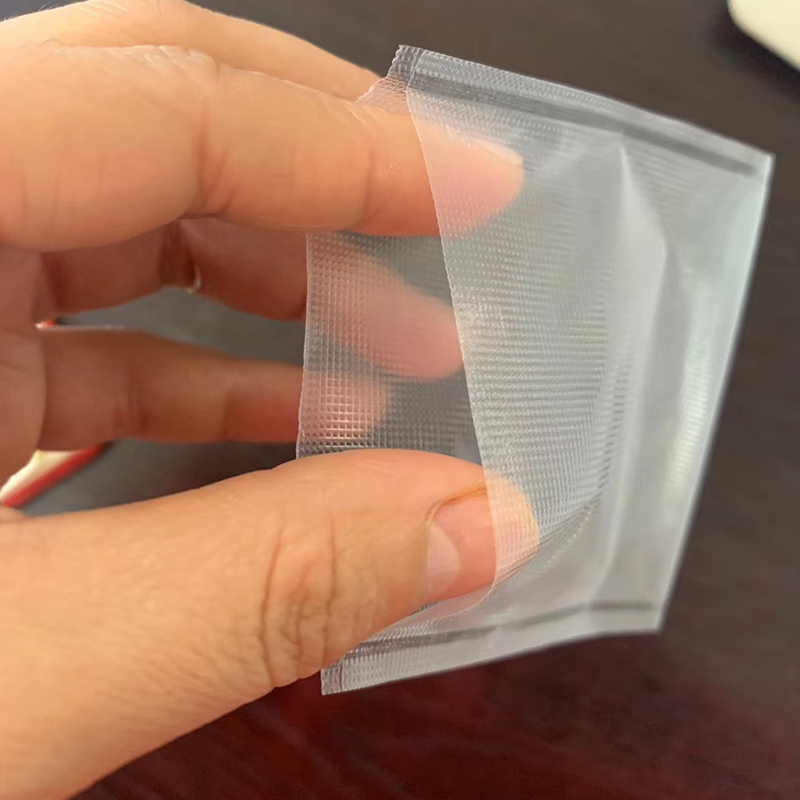
Unit-dose detergent and cleaning products represent the largest volume application globally. Laundry pods, dishwasher tablets, and bathroom cleaner capsules use PVA film pouches that contain pre-measured liquid or powder doses. The consumer places the entire pouch in the washing machine or dishwasher without handling the concentrated chemistry inside — reducing dosage errors, minimizing chemical exposure, and eliminating liquid spillage. Global unit-dose laundry pod production exceeded 40 billion pods annually in the early 2020s, the vast majority packaged in PVA film.
Agrochemical packaging is a high-value application where water-soluble film sachets allow farm workers to add pre-measured pesticide or herbicide concentrate directly to spray tank water without opening sealed containers — dramatically reducing skin and inhalation exposure to concentrated active ingredients. The film dissolves as the sachet enters the water, releasing the contents uniformly. This application requires cold-water-soluble partially hydrolyzed PVA because agricultural spraying equipment may use ambient-temperature water in field conditions.
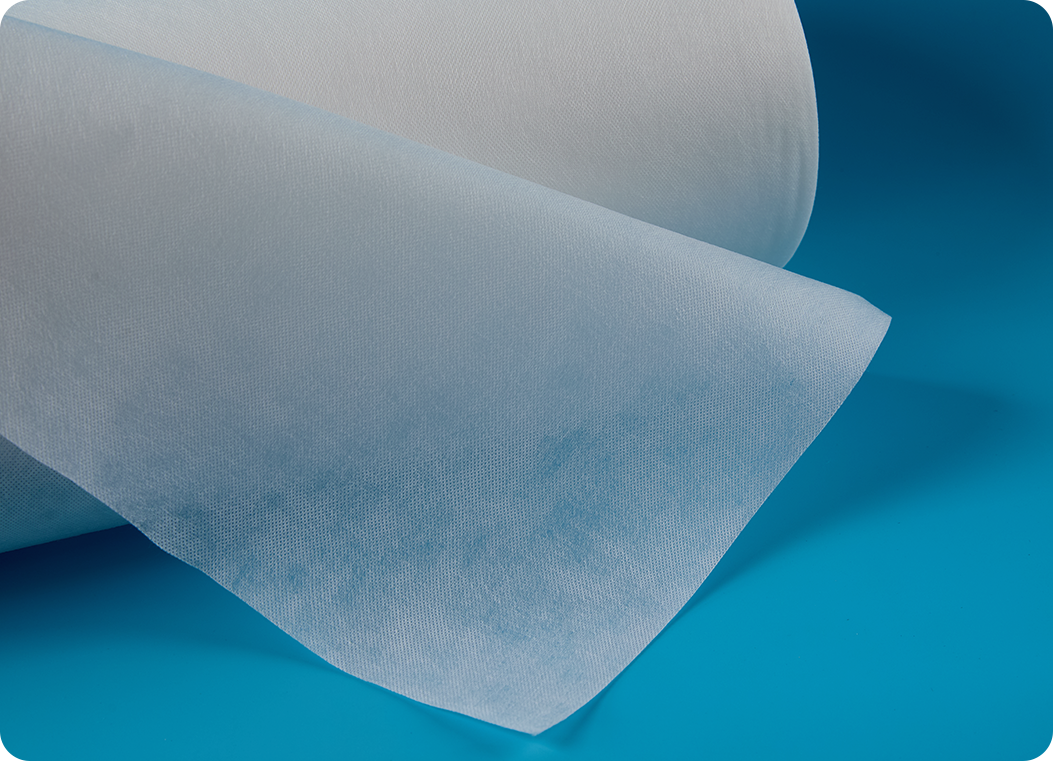
Embroidery and textile applications use PVA water-soluble films and nonwovens as temporary stabilizing substrates for machine embroidery on stretch fabrics, lace, and freestanding embroidery. The film holds the fabric or acts as the sole substrate during stitching, then is dissolved in water to leave only the embroidery thread structure. This eliminates the need for removing a physical stabilizer that would otherwise distort the completed embroidery. Hot-water-soluble grades are typically used to prevent premature dissolution from perspiration or ambient humidity during the embroidery process.
Hospital laundry bags are a safety-critical application: contaminated linens from isolation wards are sealed in PVA bags that are placed directly into washing machines without handling by laundry staff. The bag dissolves in the wash cycle, exposing the contents to detergent and hot water. This prevents cross-contamination and reduces the risk of sharps injuries from manual linen sorting — a documented hazard in healthcare laundry operations.
Construction and concrete applications use PVA film as a release agent for concrete formwork, as packaging for dry mortar admixtures, and as fibre reinforcement in cement composite materials. In fibre reinforcement, short PVA fibres (not films) are dispersed throughout the cement mix and bond to the cement matrix via mechanical interlocking, substantially increasing crack resistance and post-crack ductility in concrete and mortar elements.
Environmental Fate: What Happens After PVA Dissolves
The environmental credentials of water-soluble PVA film are frequently cited in marketing materials but deserve careful examination. Dissolution in water and environmental safety are not synonymous.
PVA is readily biodegraded by a specific group of soil and aquatic bacteria that produce PVA-degrading enzymes (PVA oxidase and β-diketone hydrolase). These organisms are widespread in activated sludge in wastewater treatment plants, in agricultural soils, and in aquatic sediments. Under laboratory conditions and in well-operated municipal wastewater treatment, PVA is degraded to water and carbon dioxide with biological oxygen demand (BOD) removal exceeding 80% over 28 days. This is substantially better than most conventional plastics, which show near-zero biodegradation under equivalent conditions.
However, biodegradation rate depends strongly on environment. In cold-water, low-oxygen, or low-microbial-activity environments — including some natural waterways and poorly operated septic systems — PVA can persist in dissolved form for extended periods before the necessary microbial communities establish themselves. PVA dissolved in water is not a microplastic (it has no particulate form), but dissolved polymer in receiving waterways without adequate biological treatment is not equivalent to full mineralization.
The most accurate characterization is: PVA water-soluble film eliminates the solid plastic waste and microplastic fragmentation associated with conventional packaging, and biodegrades efficiently through standard wastewater treatment. It is not infinitely harmless in all environments, and should not be disposed of in ways that bypass municipal wastewater treatment (for example, dissolving in a sink that drains to an untreated septic system and then directly to groundwater).
Storage, Handling, and Processing Requirements for Water-Soluble Films
The very property that makes water-soluble films commercially valuable — sensitivity to water — creates handling and storage requirements that differ substantially from conventional plastic film. Failure to observe these requirements is the most common cause of film performance problems in industrial and packaging operations.
- Humidity control: PVA film absorbs moisture from ambient air. At relative humidity above 60–65%, film mechanical properties change measurably — tensile strength decreases and elongation increases as absorbed water acts as an additional plasticizer. Storage rooms and production areas should be maintained at 40–55% relative humidity and 15–25°C. Film rolls should be kept in sealed moisture-barrier packaging (typically PE-lined foil bags) until immediately before use.
- Liquid contact prevention: Even brief contact with water droplets, condensation, or splashed liquid will initiate localized dissolution, creating thin spots or holes in the film web. Operators working with PVA film should avoid wet hands or surfaces, and equipment should be dried thoroughly after cleaning before restarting production.
- Heat-sealing parameters: PVA film seals within a narrower temperature window than polyethylene or polypropylene. Under-temperature produces weak, peel-able seals; over-temperature causes the film at the seal edge to over-hydrolize, turn brittle, and crack when the pouch flexes. Seal bar temperature calibration should be verified regularly and adjusted seasonally as ambient temperature affects film temperature at the sealing station.
- Compatibility with fill contents: Not all chemicals are compatible with PVA. Strong acids, strong alkalis, oxidizing agents (bleach), borax, and high-concentration electrolyte solutions can all degrade or prematurely dissolve PVA film from the inside of a filled pouch. Compatibility testing between the specific film grade and the intended fill product is mandatory before commercial production begins.
- Secondary packaging: Finished pouches filled with hygroscopic powders or concentrated liquids must be immediately secondary-packaged in moisture-barrier outer packaging. Without outer packaging, filled PVA pouches will absorb ambient moisture, soften, and may fuse together or develop surface stickiness that makes them difficult to dispense individually.