 English
 中文简体
中文简体 Türk
TürkContent
Plastics and Polymers That Dissolve in Water
Most plastics are hydrophobic — they resist water absorption and persist in the environment for decades. Water-soluble plastics are a distinct category of engineered polymers designed to dissolve completely in water at specified temperatures, leaving no solid residue. The dissolution mechanism depends on the polymer's hydrophilic functional groups, which interact with water molecules and break apart the polymer matrix through hydration or hydrolysis.
The most commercially significant water-soluble synthetic polymer is polyvinyl alcohol (PVA). Others include polyethylene oxide (PEO), polyacrylic acid (PAA), carboxymethyl cellulose (CMC, semi-synthetic), and polylactic acid (PLA, which hydrolyzes under specific conditions). Each has different dissolution rates, temperature sensitivity, mechanical properties, and compatibility with specific applications. Water-soluble polymers are not a monolithic category — selecting the right one for an application requires matching dissolution rate, mechanical strength, barrier properties, and environmental end-of-life profile.
It is important to distinguish between water-soluble and water-dispersible or biodegradable materials. A material that breaks into smaller fragments in water (like some "biodegradable" plastics) is not the same as one that fully dissolves into a homogeneous aqueous solution. True water-soluble polymers disappear completely into solution — the dissolved polymer may then be biodegradable or non-biodegradable depending on its chemical structure.
Polyvinyl Alcohol (PVA): Properties and Solubility in Water
Polyvinyl alcohol is the dominant water-soluble synthetic polymer in commercial use. It is produced by the hydrolysis of polyvinyl acetate — the degree of hydrolysis and the molecular weight of the resulting PVA are the two primary variables that determine its properties, including its solubility behavior.
How Hydrolysis Degree Affects PVA Solubility
PVA solubility in water is counterintuitively inversely related to its hydrolysis degree at high hydrolysis levels. Partially hydrolyzed PVA (87–89% hydrolysis) dissolves readily in cold water — typically at temperatures of 10–30°C. Fully hydrolyzed PVA (98–99%+ hydrolysis) requires hot water (above 85°C) to dissolve because the high density of hydroxyl groups enables strong intermolecular hydrogen bonding that resists cold-water penetration. This distinction is practically significant: cold-water-soluble PVA films are used in laundry pods and hospital linen bags; hot-water-soluble grades are used where cold-water resistance is needed during handling but dissolution at elevated temperatures is acceptable.
Molecular Weight and Film Performance
Higher molecular weight PVA produces stronger, more elastic films with better barrier properties — important for packaging applications where the film must survive handling, stacking, and distribution. Lower molecular weight grades dissolve faster and are preferred where rapid dissolution is the priority. Commercial PVA film grades span molecular weights of approximately 13,000 to 186,000 g/mol, with film manufacturers selecting specific grades to balance tensile strength (typically 30–80 MPa for cast PVA films), elongation at break, and target dissolution time.
PVA vs Other Water-Soluble Polymers
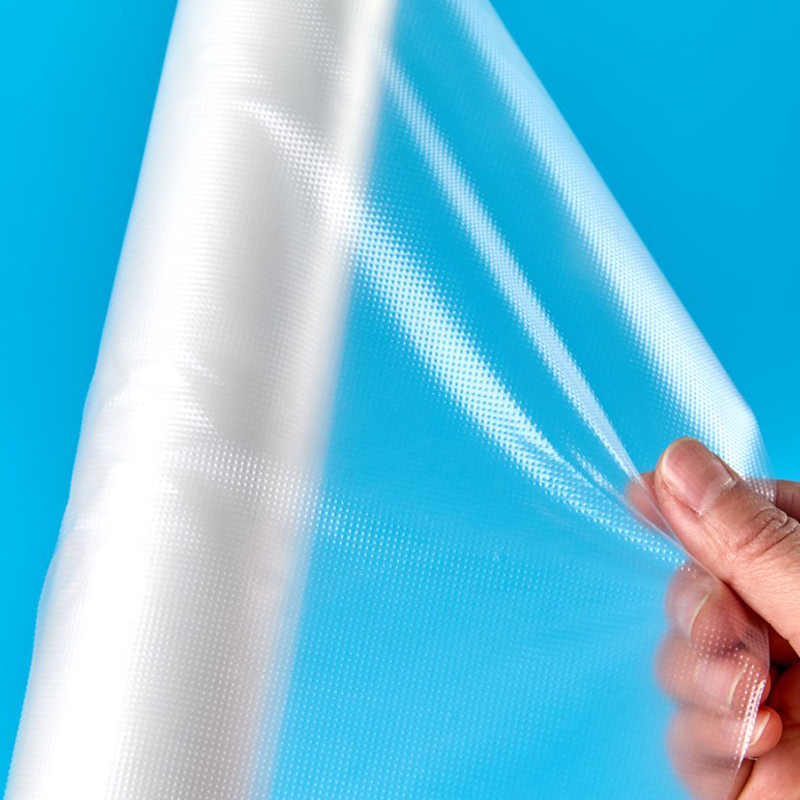
PVA dominates the water-soluble film market because it combines strong mechanical properties, processability (it can be cast, extruded, and blown into films), excellent oxygen barrier performance when dry, and well-established biodegradability. Polyethylene oxide (PEO) dissolves rapidly in cold water but has weaker mechanical properties and is less commonly formed into thin films. Polyacrylic acid is highly water-absorbing (used in superabsorbent applications) but not film-forming in the same way. For most film-based applications — packaging, embroidery stabilizers, water transfer printing — PVA has no practical substitute at commercial scale.
Applications of Water-Soluble Films
Water-Soluble Film for Embroidery
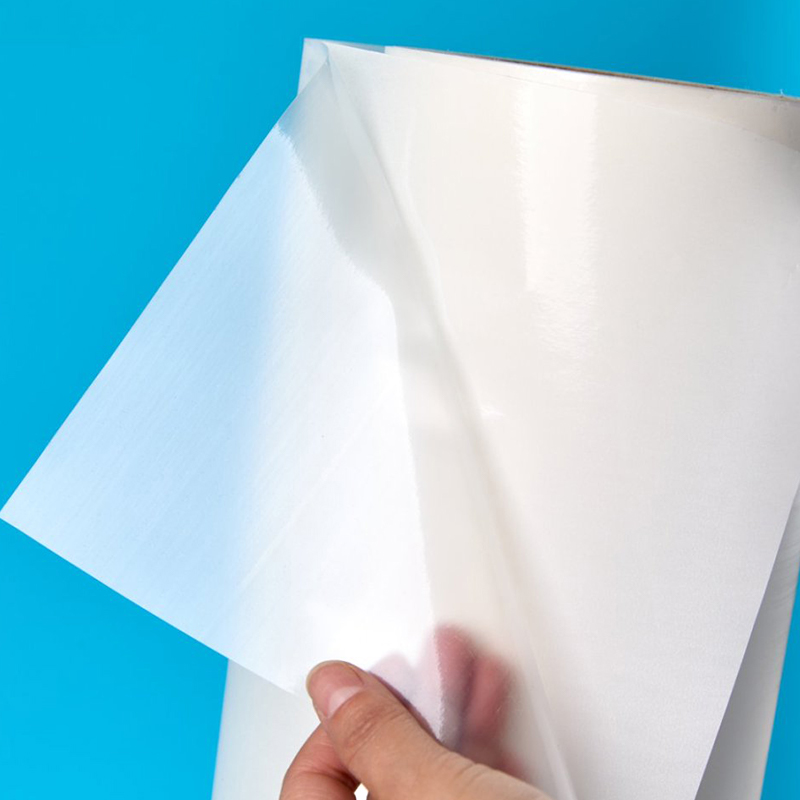
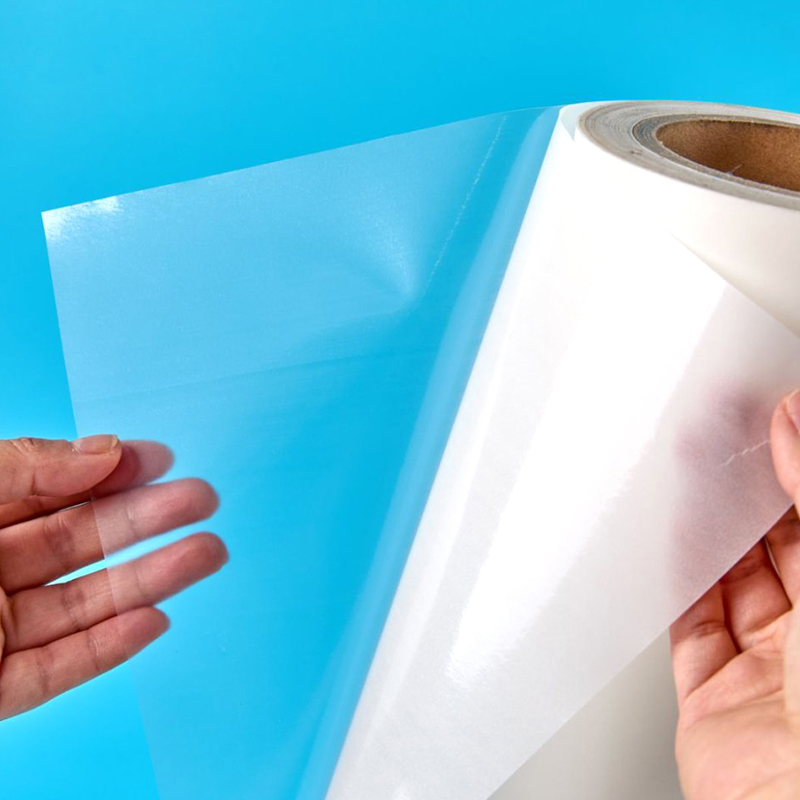
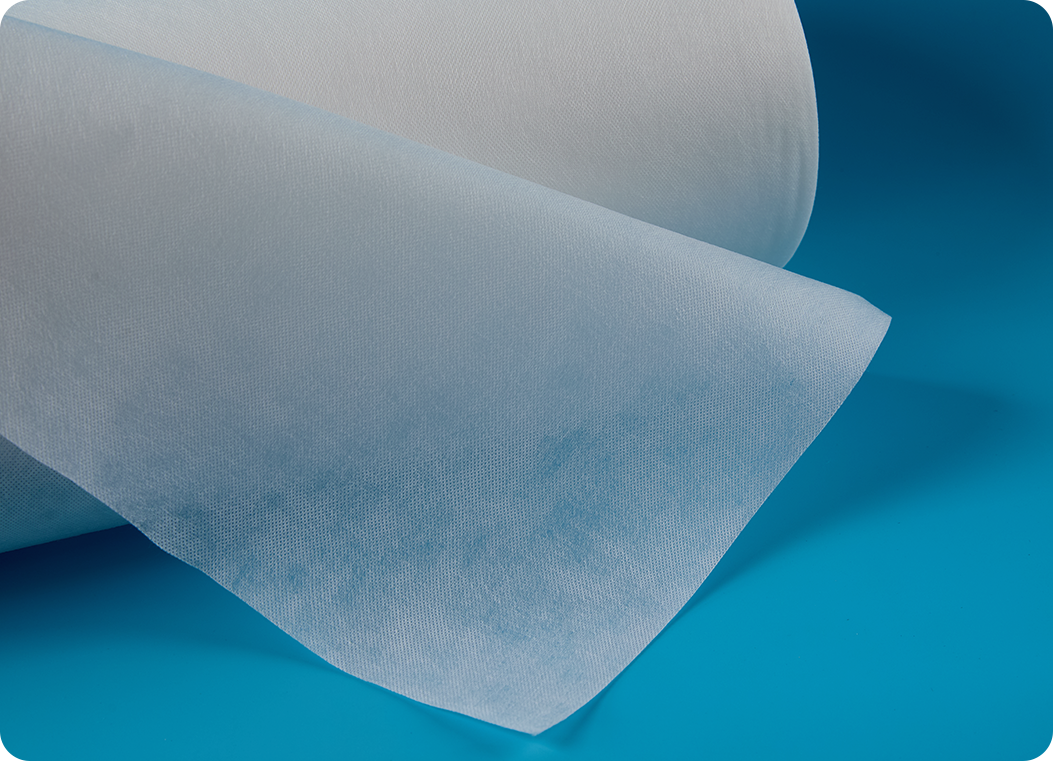
In embroidery, water-soluble film (also called water-soluble stabilizer or topping) serves as a temporary support layer that holds the fabric in place during the stitching process and washes away cleanly afterward. It is used in two roles: as a topping (placed on top of the fabric to prevent stitches from sinking into pile or loop fabrics like fleece, velvet, and terry cloth) and as a stabilizer backing for lace and freestanding embroidery where no base fabric is wanted in the finished piece.
Embroidery-grade water-soluble films are available in varying thicknesses and dissolution temperatures. Cold-water-soluble grades (based on partially hydrolyzed PVA) are standard because garment fabrics cannot withstand hot-water washing at the temperatures needed to dissolve fully hydrolyzed grades. Dissolution is typically complete within 2–5 minutes of immersion in warm water, with no residue on the fabric if rinsed thoroughly. For complex freestanding lace work, multiple layers are used and dissolve in sequence.
Foam Packaging That Dissolves in Water
Water-soluble foam packaging — typically foamed PVA or starch-based foam — offers an alternative to expanded polystyrene (EPS) for protective cushioning. The material provides comparable cushioning performance (compression strength, recovery) to EPS during shipping, but dissolves completely in water at the end of use, eliminating landfill disposal and recycling logistics. Starch-based loose fill ("packing peanuts") has been commercially available since the 1990s; foamed PVA sheet products for custom-molded protective packaging represent a more recent development. Both dissolve in water within minutes and are generally considered non-toxic in municipal wastewater systems at typical use volumes, though large-scale industrial use warrants verification against local discharge standards.
Unit-Dose and Household Chemical Packaging
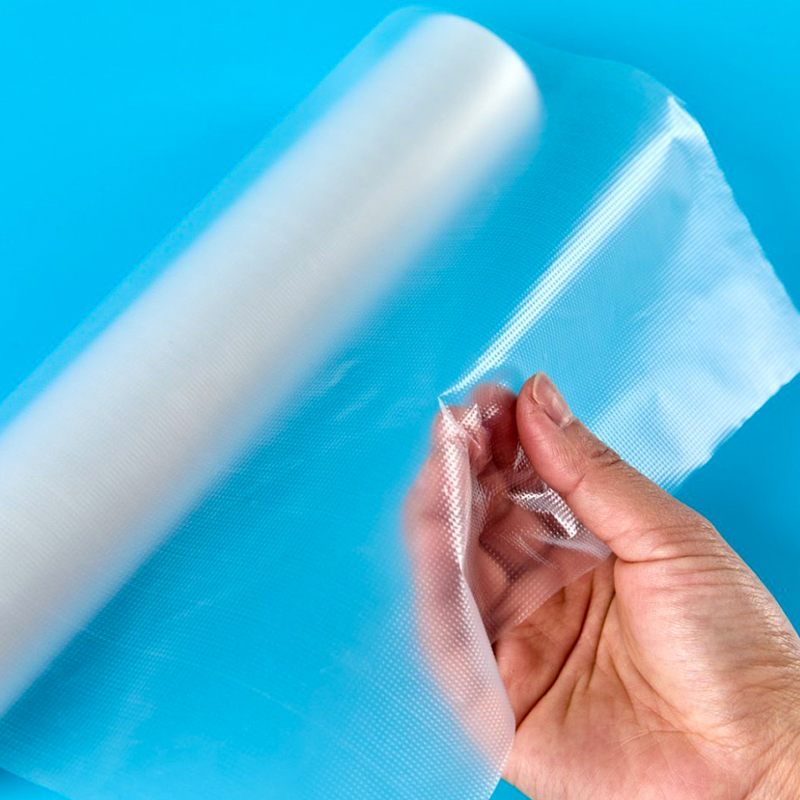
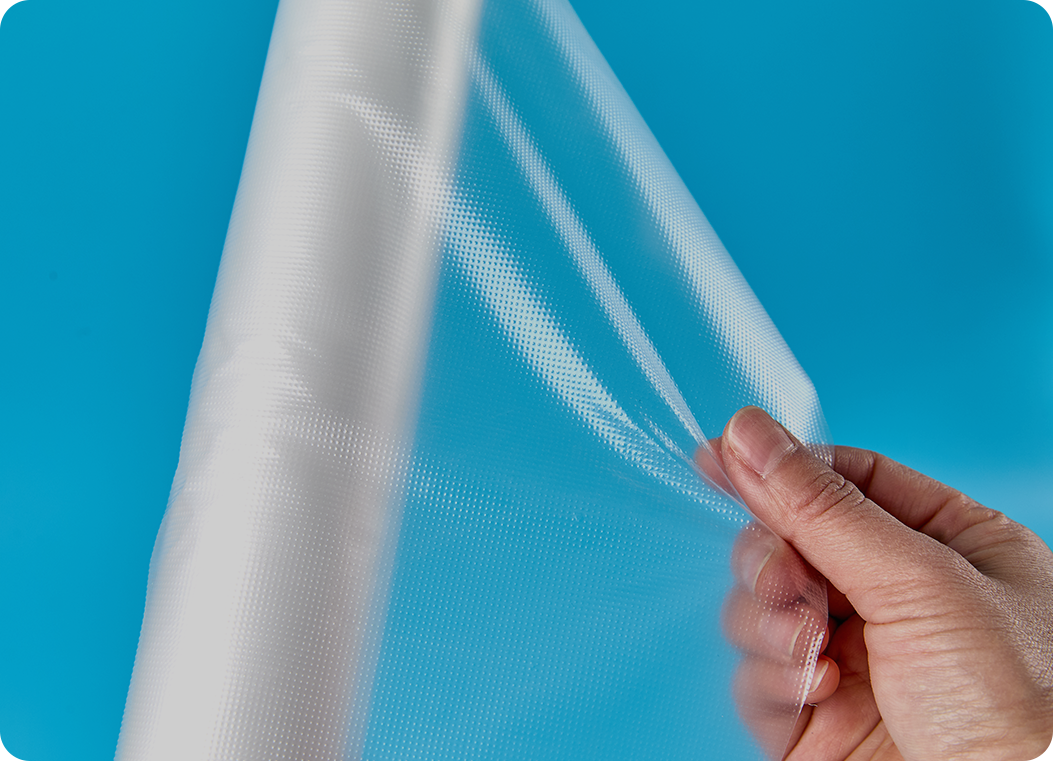
The largest volume application of water-soluble PVA film is unit-dose packaging — laundry detergent pods, dishwasher tablets, agricultural chemical sachets, and industrial cleaning concentrates. The film provides a pre-measured, sealed dose that dissolves on contact with wash water, eliminating user contact with concentrated chemicals and reducing packaging waste. This segment is the primary commercial driver of PVA film production and has grown substantially with the consumer shift to pod-format laundry products, with the laundry pod format now representing over 15% of liquid detergent unit sales in North America and Western Europe.
What Is Water Transfer Printing and How Does It Work?
Water transfer printing — also known as hydrographics, hydro dipping, or cubic printing — is a surface decoration process that applies printed patterns to three-dimensional objects through a water-based film transfer mechanism. It can wrap complex curved surfaces with continuous, seamless graphics that conventional flat-bed printing cannot reach, making it widely used in automotive trim, consumer electronics, sporting goods, firearms, and decorative homeware.
The Water Transfer Printing Process Step by Step
- Film preparation: A PVA film pre-printed with the desired graphic pattern (wood grain, carbon fiber, camouflage, geometric patterns, etc.) is cut to size and floated face-up on the surface of a water tank held at 30–35°C.
- Activator application: A chemical activator — typically a solvent-based solution — is sprayed evenly across the floating film. The activator dissolves the PVA carrier layer, releasing and liquefying the ink layer into a floating, free-form ink film on the water surface. This step is critical: under-activation leaves the ink insufficiently fluid and causes pattern distortion; over-activation disperses the ink before the part is dipped.
- Dipping: The prepared object — pre-primed and base-coated with a compatible color — is lowered through the activated ink film at a controlled angle and speed. The water pressure transfers the ink conformally onto the object's surface, wrapping around curves, recesses, and contours.
- Rinsing: The dipped part is immediately rinsed in clean water to remove residual PVA and activator chemicals from the surface.
- Finishing: After drying, the decorated surface is clear-coated with a UV-resistant topcoat to protect the transferred ink from abrasion, UV degradation, and chemical exposure. The topcoat determines the final surface gloss level (matte, satin, or gloss) and durability.
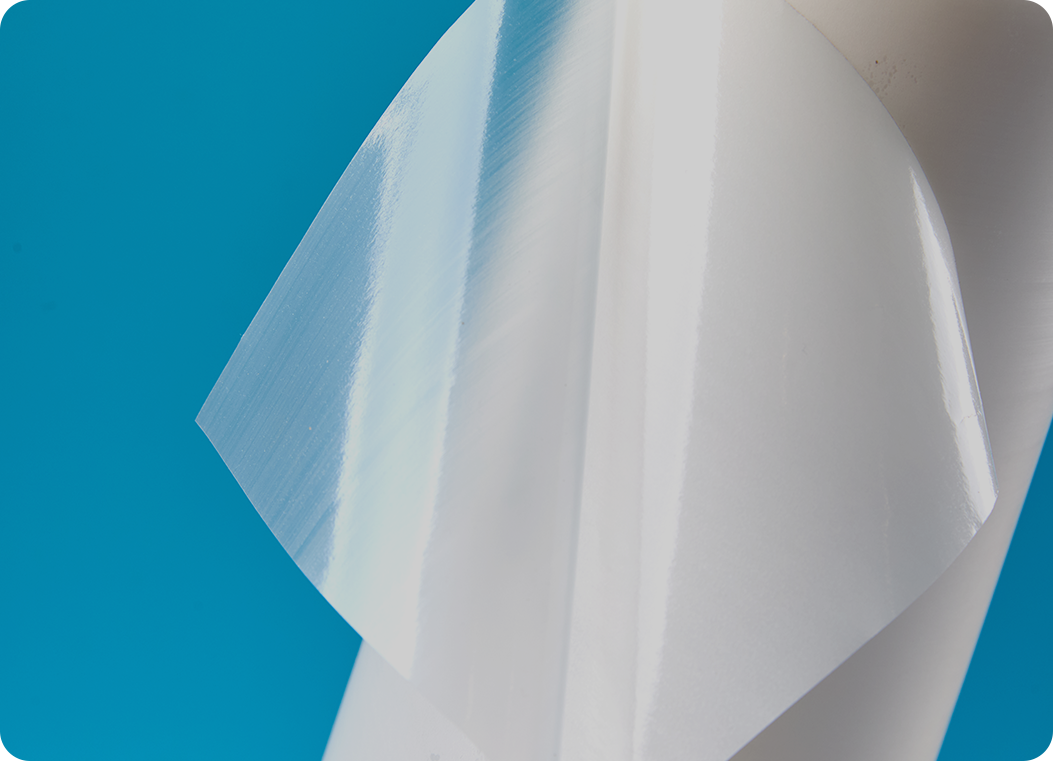
The PVA film carrier is the enabling material in this process. It must be dimensionally stable enough to handle and float without tearing, yet dissolve completely and rapidly once the activator is applied. Film thickness for hydrographics applications is typically 25–40 microns, with tight tolerances on thickness uniformity to ensure consistent ink transfer across the full dip area.
What Substrates Can Be Water Transfer Printed
Water transfer printing is substrate-agnostic provided the surface can be primed and will withstand brief water immersion. Compatible materials include ABS plastic, polypropylene (with adhesion promoter), polycarbonate, fiberglass, carbon fiber composite, aluminum, steel, and wood. Porous materials require sealing prior to dipping. The process is not suitable for electronics with unsealed openings, foam materials, or rubber surfaces that cannot accept a primer coat.
Water-Soluble Films Market: Size and Growth Drivers
The global water-soluble films market has expanded significantly over the past decade, driven by unit-dose detergent packaging, agrochemical sachets, and growing regulatory and consumer pressure to reduce conventional plastic waste. The market was valued at approximately USD 380–420 million in 2023 and is projected to grow at a compound annual growth rate (CAGR) of 5–7% through 2030, with some forecasts reaching USD 600–700 million by the end of the decade depending on adoption rates in emerging markets.
Key Market Segments
- Packaging (unit-dose): The dominant segment by volume. Laundry and dishwasher pods account for the largest share, followed by industrial and institutional cleaning concentrates and agricultural pesticide sachets.
- Water transfer printing films: A specialized segment with consistent demand from automotive aftermarket, consumer goods decoration, and military/outdoor equipment. Growth is tied to the global automotive parts and accessories market.
- Embroidery and textile: A stable, mature segment with demand driven by the global garment decoration and workwear industries.
- Medical and pharmaceutical: PVA films used in dissolvable drug delivery systems, hospital laundry bags for infection control, and medical device packaging.
- Construction: Water-soluble bags for pre-measured cement additives, tile adhesive, and grout powders, eliminating the need for workers to open and empty separate bags into mixers.
Regional and Competitive Landscape
Asia-Pacific — led by China, Japan, and South Korea — is both the largest production base and the fastest-growing consumption market for water-soluble films. China accounts for a substantial share of global PVA resin production, which provides a cost advantage to domestic film manufacturers. Key global producers include Kuraray (Japan), Aicello (Japan), Mondi (UK/Austria), Cortec (USA), and a growing tier of Chinese manufacturers expanding into export markets. Europe and North America maintain strong demand particularly in unit-dose consumer packaging, with regulatory initiatives restricting single-use conventional plastics providing additional market tailwinds for water-soluble alternatives.
A key ongoing challenge for the market is the debate around the environmental fate of dissolved PVA in wastewater systems. PVA is generally considered readily biodegradable under aerobic conditions in activated sludge treatment systems, with reported biodegradation rates of 70–100% in standard OECD 301 tests. However, removal efficiency varies between treatment plants, and the increasing volume of PVA entering municipal systems as pod-format detergent adoption grows has prompted calls for more comprehensive monitoring data — a factor that may influence product labeling and formulation requirements in regulated markets over the coming decade.