 English
 中文简体
中文简体 Türk
TürkContent
- 1 What Is Water Soluble Film?
- 2 Water Soluble Plastic vs Conventional Plastic: Key Distinctions
- 3 Major Applications of Water Soluble Film
- 4 The Hydrographic Water Transfer Printing Process: Step by Step
- 5 Water Soluble Film Market: Growth Drivers and Industry Trends
- 6 Selecting the Right Water Soluble Film: Key Specification Parameters
What Is Water Soluble Film?
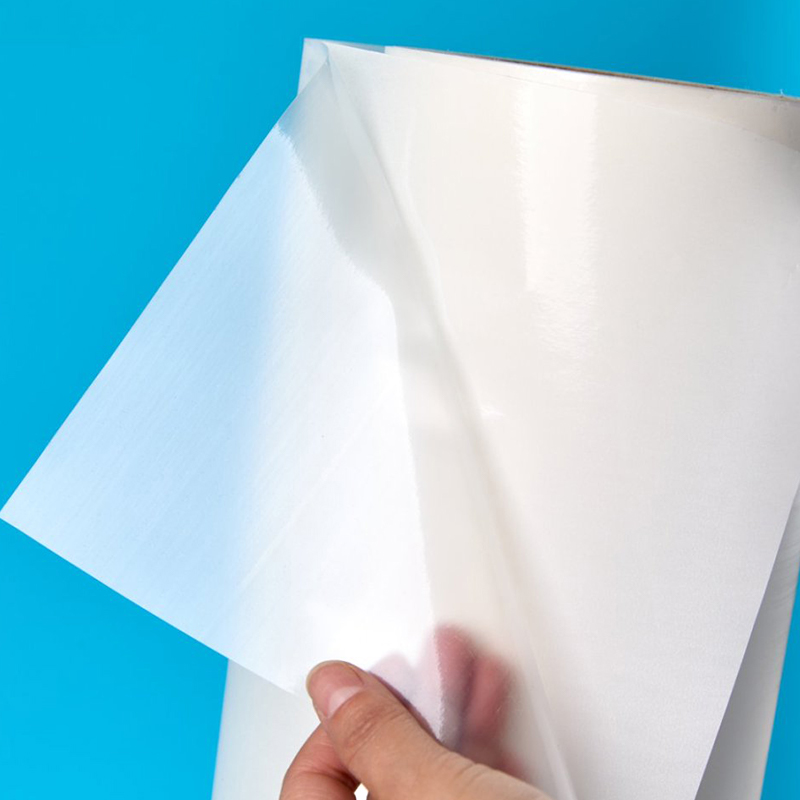
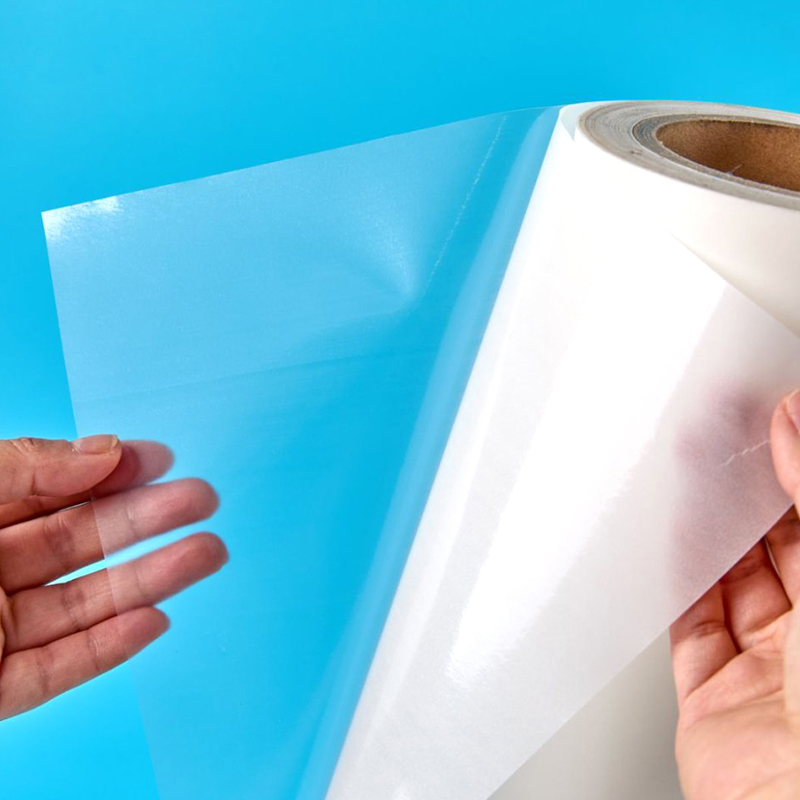
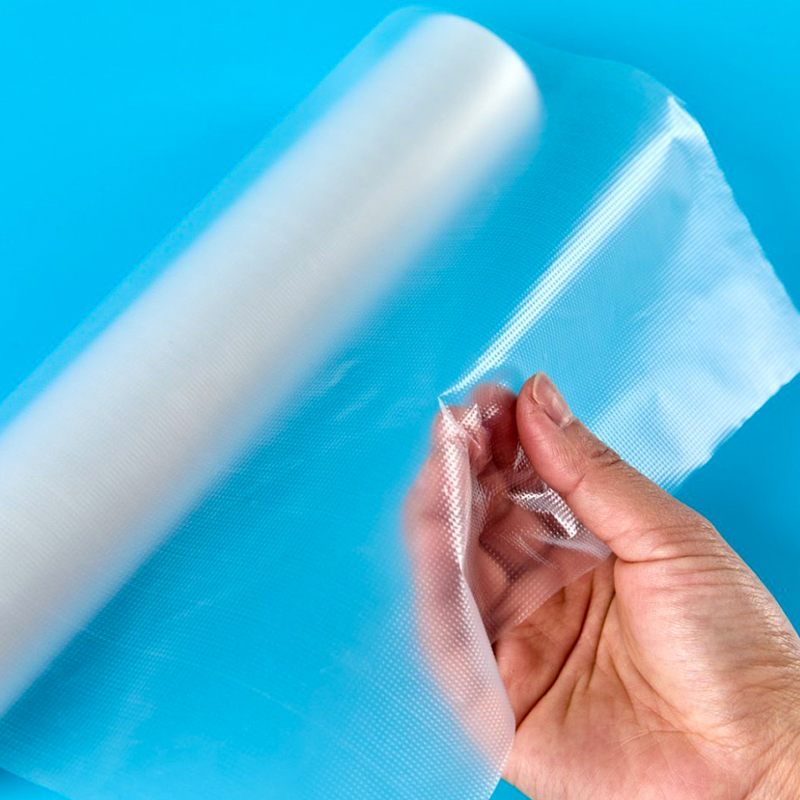
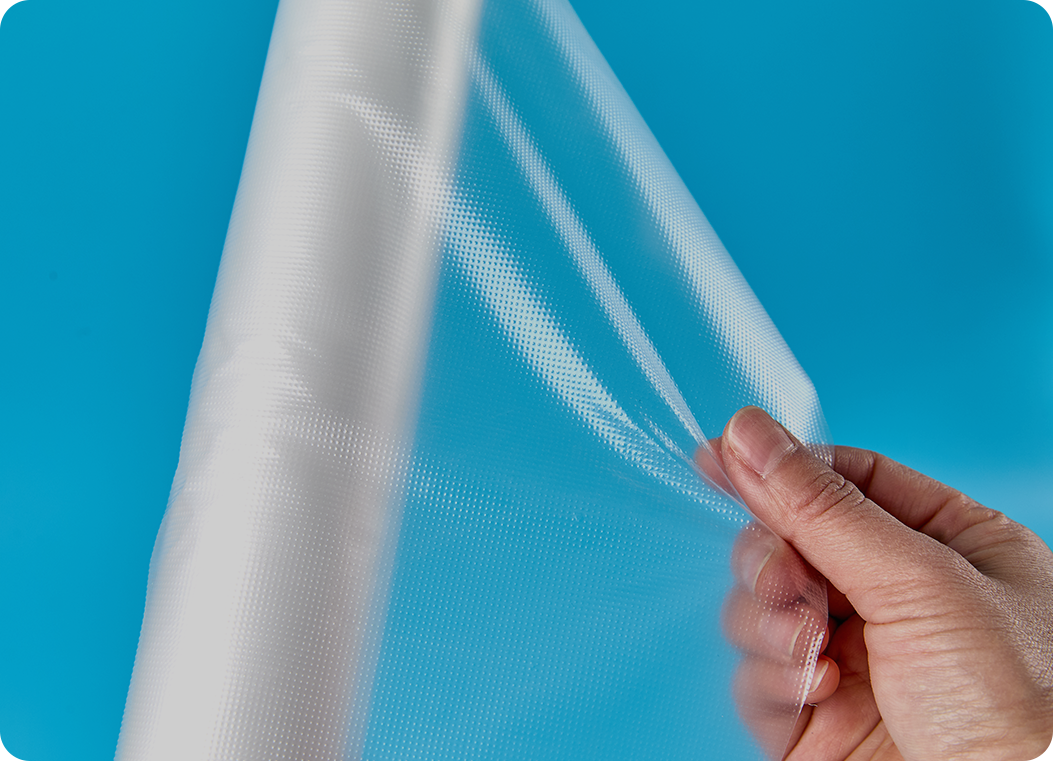
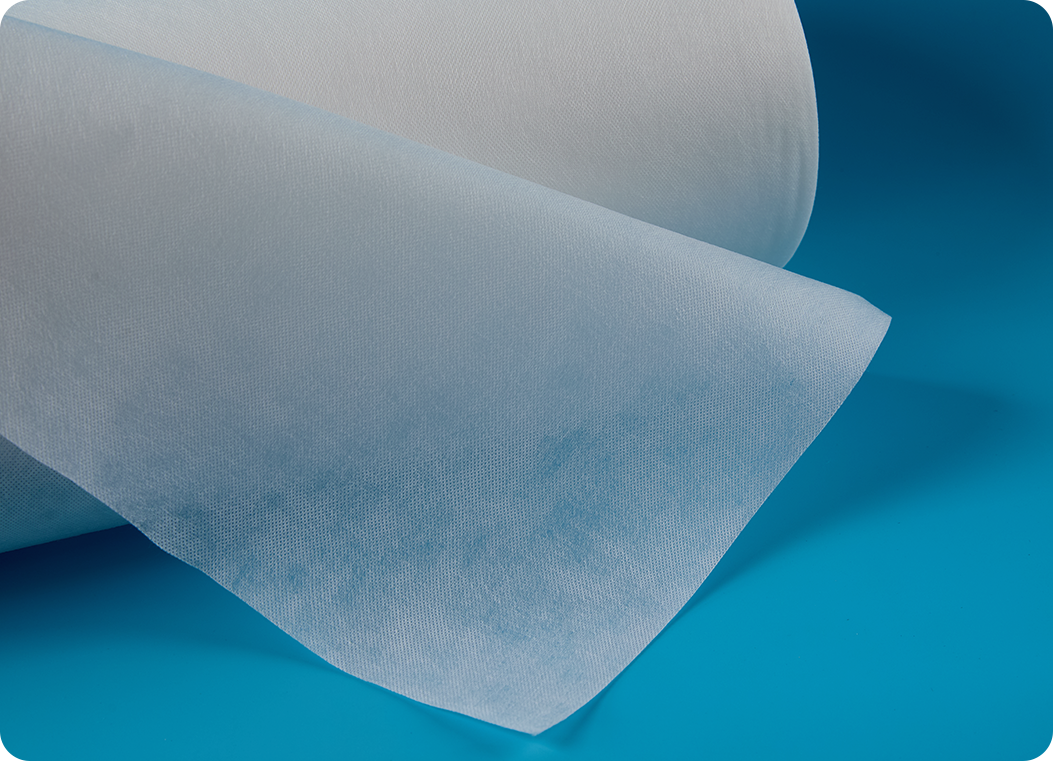
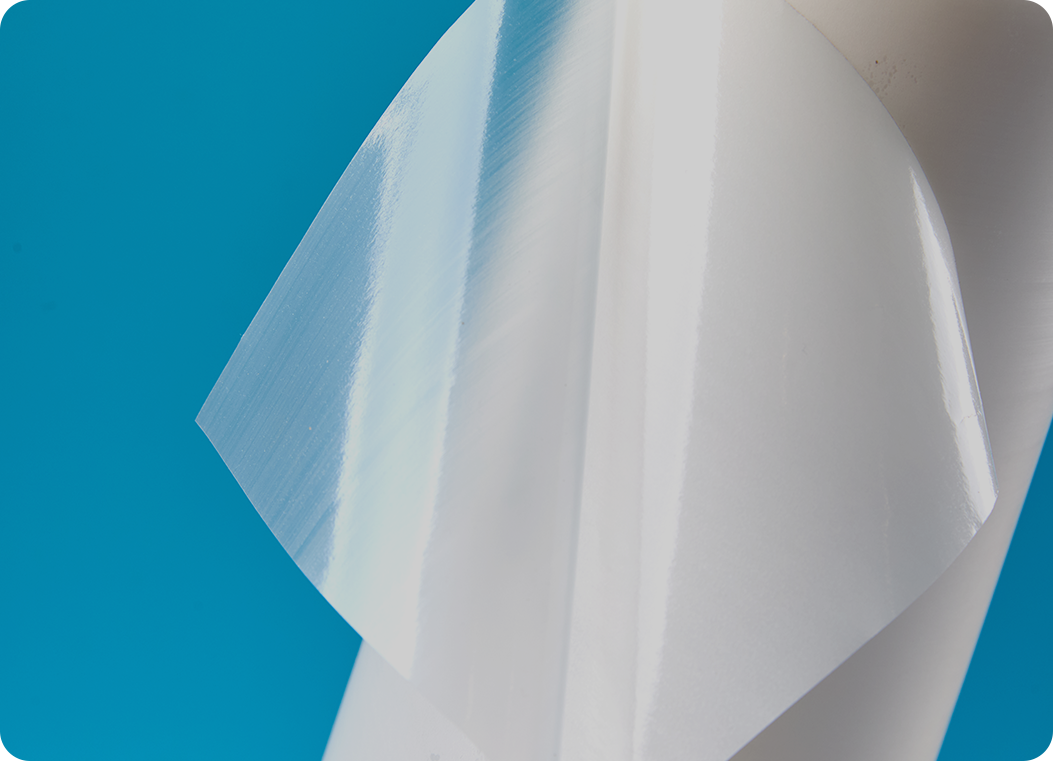
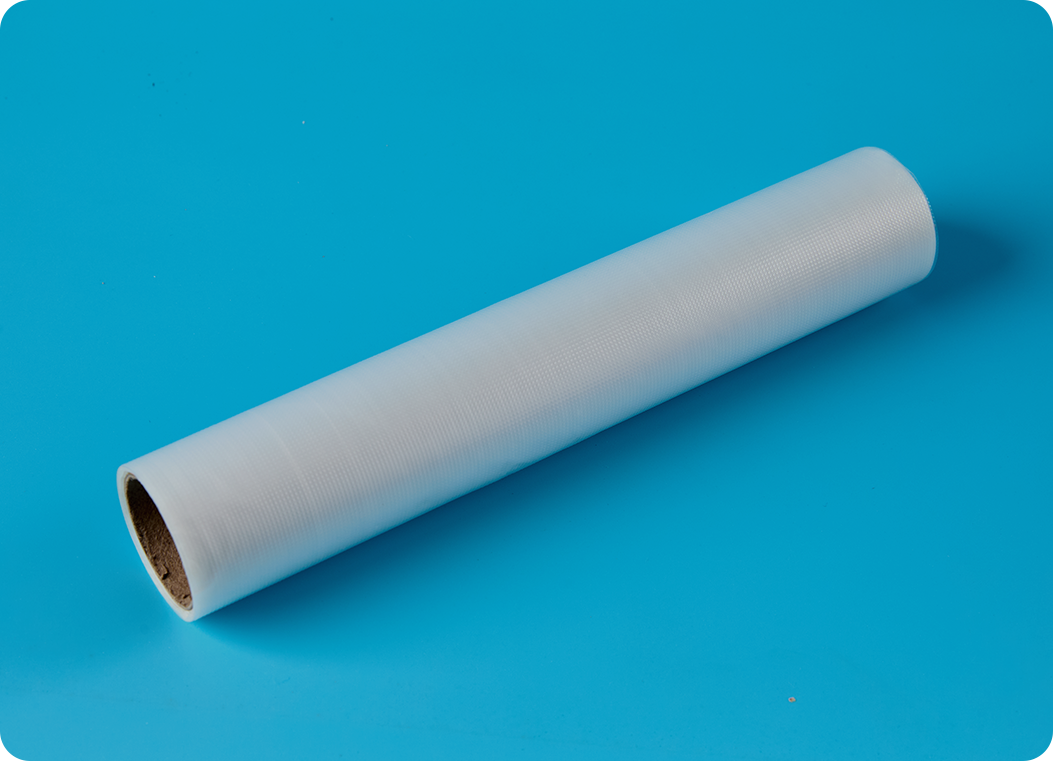
Water soluble film is a thin, flexible polymer substrate engineered to dissolve completely when exposed to water, leaving no residue, film fragments, or microplastic contamination. Unlike conventional plastic films that persist in the environment for hundreds of years, water soluble film breaks down into harmless compounds — typically water, carbon dioxide, and trace organic matter — within minutes to hours depending on water temperature, film thickness, and formulation.
The base material in most commercial water soluble films is polyvinyl alcohol (PVA or PVOH) — a synthetic polymer derived from polyvinyl acetate through a controlled hydrolysis process. PVA film is non-toxic, biodegradable under appropriate conditions, and compatible with a wide range of printing inks, detergents, agrochemicals, and adhesives. This combination of functional versatility and environmental compatibility has driven its adoption across industries as diverse as packaging, agriculture, textile manufacturing, and decorative surface finishing.
Water Soluble Plastic vs Conventional Plastic: Key Distinctions
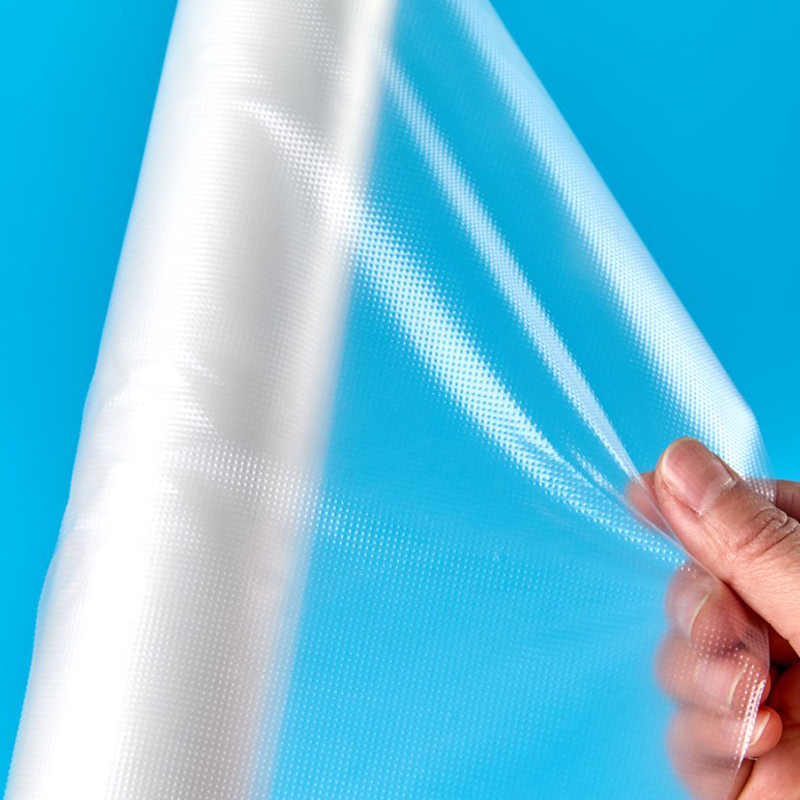
The term "water soluble plastic" is sometimes used interchangeably with water soluble film, but the distinction matters. Conventional plastics — polyethylene, polypropylene, PET — are hydrophobic polymers. They repel water and resist chemical breakdown under ambient conditions. Water soluble plastics, by contrast, are hydrophilic: their polymer chains interact with water molecules, weakening inter-chain bonds until the material disperses into solution.
This is not simply a matter of thinness or fragility. A water soluble film of identical thickness to a polyethylene bag will dissolve in warm water in under two minutes, while the polyethylene bag will persist structurally unchanged. The dissolution behavior is a fundamental material property, not a degradation artifact.
| Property | Water Soluble Film (PVA) | Conventional Plastic (PE/PP) |
|---|---|---|
| Water interaction | Dissolves (hydrophilic) | Repels (hydrophobic) |
| Environmental persistence | Biodegradable under correct conditions | 100–500+ years |
| Microplastic risk | None (dissolves to molecular level) | High (fragments over time) |
| Printability | Excellent with water-based and gravure inks | Requires surface treatment |
| Toxicity | Non-toxic, food-contact approved grades available | Varies by additive package |
| Humidity sensitivity | High — requires controlled storage | Low |
It is important to note that not all water soluble plastics are equally biodegradable. PVA dissolves rapidly but requires specific microbial activity to fully mineralize. In wastewater treatment facilities equipped with activated sludge systems, PVA degrades efficiently. In sealed landfills or cold, anoxic water bodies, degradation is significantly slower. Responsible end-of-life management remains essential even for water soluble materials.
Major Applications of Water Soluble Film
Water soluble film serves a broad and growing range of end-use applications, each exploiting a distinct combination of its solubility, barrier, and printability properties.
Unit-Dose Packaging (Detergents and Agrochemicals)
The largest volume application for water soluble film globally is unit-dose packaging — the pre-measured pouches used in laundry detergent pods, dishwasher tabs, and agricultural chemical sachets. The film encapsulates a precise dose of concentrated product; when placed in the washing machine drum or spray tank, the film dissolves completely, releasing the contents without any packaging waste for the user to handle or dispose of. This eliminates contact with concentrated chemical formulations and reduces plastic packaging waste at the point of use. Laundry pod formats now represent over 20% of the liquid detergent market in North America and Western Europe, driving substantial demand for cold-water-soluble and hot-water-soluble PVA film grades.
Hydrographic Water Transfer Printing
Hydrographic printing — also called water transfer printing, hydro dipping, or cubic printing — is one of the most technically distinctive applications of water soluble film. A decorative pattern is printed onto PVA film using gravure or inkjet printing, and the printed film is floated on a water bath. An activator solution is applied to the floating film, partially dissolving the PVA and releasing the ink layer into a free-floating liquid surface membrane. A three-dimensional object is then dipped through the ink film at a controlled angle and speed; the ink layer conforms around the object's contours and adheres to the surface. The residual PVA dissolves completely in the rinse cycle, leaving only the decorative ink pattern on the object.
This process is used to apply complex decorative patterns — wood grain, carbon fiber, camouflage, marble, and custom graphics — to curved and irregular surfaces that cannot be practically covered by conventional flat printing, decals, or paint masking. Common substrates include automotive interior trim, motorcycle helmets, firearm components, sporting goods, and consumer electronics housings.
Embroidery and Textile Stabilization
In commercial embroidery, water soluble film serves as a stabilizer or topping layer placed over stretch fabrics, toweling, or loosely woven materials during machine embroidery. The film holds the fabric stable under needle penetration, preventing distortion and skipped stitches. After embroidery is complete, the stabilizer is removed by immersion in water, leaving clean stitching with no residual backing material visible on the finished garment.
Hospital and Infection Control Laundry Bags
Healthcare facilities use water soluble laundry bags to handle infected or contaminated linen without direct contact. Soiled linen is sealed in a PVA bag and placed directly into the washing machine — bag and all. The bag dissolves in the first wash cycle, releasing the linen into the wash water without laundry staff ever handling contaminated material directly. This application requires precise dissolution temperature calibration to ensure the bag holds intact during transport but dissolves reliably at wash temperatures.
3D Printing Support Structures
In fused deposition modeling (FDM) 3D printing, PVA filament is used as a soluble support material alongside structural filaments such as PLA or PETG. After printing, the completed part is submerged in water; the PVA supports dissolve, freeing complex geometries with internal cavities or overhangs that would be impossible to remove mechanically. This is one of the fastest-growing niche applications for water soluble polymer materials.
The Hydrographic Water Transfer Printing Process: Step by Step
Hydrographic printing is among the most visually striking applications of water soluble film technology, and understanding the process clarifies the specific film properties required for consistent results.
- Surface preparation — The substrate is cleaned, sanded to the appropriate surface profile, and primed with a base coat. The base coat color influences the final appearance of translucent patterns; wood grain films, for example, are typically applied over a brown or tan base.
- Film preparation — A pre-printed PVA film panel is cut to a size slightly larger than the object's surface projection. The film is floated on the water bath surface, printed side up, and allowed to hydrate for 60–90 seconds until it softens and conforms to the water surface without wrinkling.
- Activator application — A chemical activator — typically a ketone or ester-based solvent blend — is sprayed evenly across the floating film. The activator partially dissolves the PVA substrate, releasing the ink into a free-floating, liquid-suspended membrane on the water surface. Activator concentration and dwell time are critical; under-activation leaves the pattern partially bonded to undissolved PVA, while over-activation causes the ink membrane to break apart.
- Dipping — The prepared object is immersed through the ink membrane at a consistent angle and controlled speed, typically 10–30 cm per second. The ink layer wraps around the object's contours, driven by surface tension and the object's displacement of water. Complex geometries require practiced technique to minimize pattern distortion and ensure full surface coverage.
- Rinsing — The object is removed from the tank and rinsed thoroughly with clean water. Residual PVA, activator, and unattached ink are removed. At this stage, the decorative pattern is visible but fragile.
- Top coat application — After drying, a clear protective top coat — matte, satin, or gloss — is applied over the ink layer. The top coat protects the decoration from abrasion, UV exposure, and chemical contact, and determines the finished surface sheen.
Film quality is the most significant variable in hydrographic printing consistency. Films must maintain dimensional stability during water flotation without premature dissolution, accept the activator uniformly across the entire panel, and release the ink layer completely without PVA residue transferring to the object surface. Film thickness, hydrolysis degree of the PVA, and gravure ink adhesion to the substrate are the primary quality parameters that differentiate professional-grade hydrographic film from commodity alternatives.
Water Soluble Film Market: Growth Drivers and Industry Trends
The global water soluble film market has expanded significantly over the past decade, driven by converging regulatory, consumer, and industrial forces.
Packaging Sustainability Regulations
Extended Producer Responsibility (EPR) legislation in the European Union, the UK, and an increasing number of US states is placing financial liability on brand owners for the end-of-life cost of their packaging. Single-use plastic restrictions — already enacted in over 60 countries — are accelerating the shift toward materials that either eliminate plastic entirely or dissolve at point of use. Water soluble film addresses both concerns simultaneously, making it a strategically attractive packaging material for consumer goods companies managing compliance risk.
Growth in Unit-Dose Consumer Products
The convenience and dosing accuracy of unit-dose formats continue to gain market share in home care, personal care, and agricultural sectors. Each pod, tab, or sachet requires a precisely engineered film pouch. As unit-dose penetration increases globally — particularly in emerging markets where concentrated product formats are being introduced for the first time — demand for PVA film follows proportionally.
Expansion of Hydrographic Printing in Automotive and Consumer Products
Hydrographic printing has moved well beyond its origins in automotive customization into mainstream manufacturing. Furniture, sporting equipment, electronics accessories, and architectural hardware are increasingly finished using water transfer printing, expanding the addressable market for decorative-grade water soluble film. The process's ability to apply complex, photorealistic surface decoration to three-dimensional objects at lower cost than alternative decorating methods drives continued adoption.
Supply Chain Localization
China currently dominates global PVA film production capacity, accounting for the majority of both raw PVA resin output and finished film manufacturing. However, supply chain disruptions during 2020–2022 accelerated investment in regional production capacity in Europe, North America, and Southeast Asia. This geographic diversification is reshaping the competitive structure of the water soluble film market, with regional producers competing on lead time, technical service, and application-specific film customization rather than purely on price.
Selecting the Right Water Soluble Film: Key Specification Parameters
Not all water soluble films are interchangeable. The correct film selection depends on the application's specific requirements across several parameters:
- Dissolution temperature — Films are formulated for cold water (below 20°C), warm water (20–40°C), or hot water dissolution. Unit-dose laundry pods require cold-water dissolution; hospital laundry bags may be calibrated for 40°C or 60°C wash cycles to prevent premature opening during transport.
- Thickness — Measured in microns, thickness affects dissolution time, mechanical strength during processing, and seal integrity in pouch applications. Hydrographic films typically range from 20–40 µm; packaging films for detergent pods range from 60–90 µm.
- Hydrolysis degree — The degree to which polyvinyl acetate has been converted to polyvinyl alcohol during manufacture determines water solubility. Higher hydrolysis degree produces a film that requires hotter water to dissolve; lower hydrolysis degree dissolves in cooler water but has lower tensile strength.
- Printability — Hydrographic and decorative applications require films with surface energy and ink adhesion characteristics compatible with gravure printing inks. Not all PVA film grades are suitable for fine-detail pattern printing.
- Chemical compatibility — The film must be chemically inert to its contents in packaging applications. Highly alkaline detergent formulations can pre-dissolve poorly formulated films; highly hygroscopic contents can cause premature softening. Compatibility testing with the intended fill material is essential before production scale-up.