
 English
 中文简体
中文简体 Türk
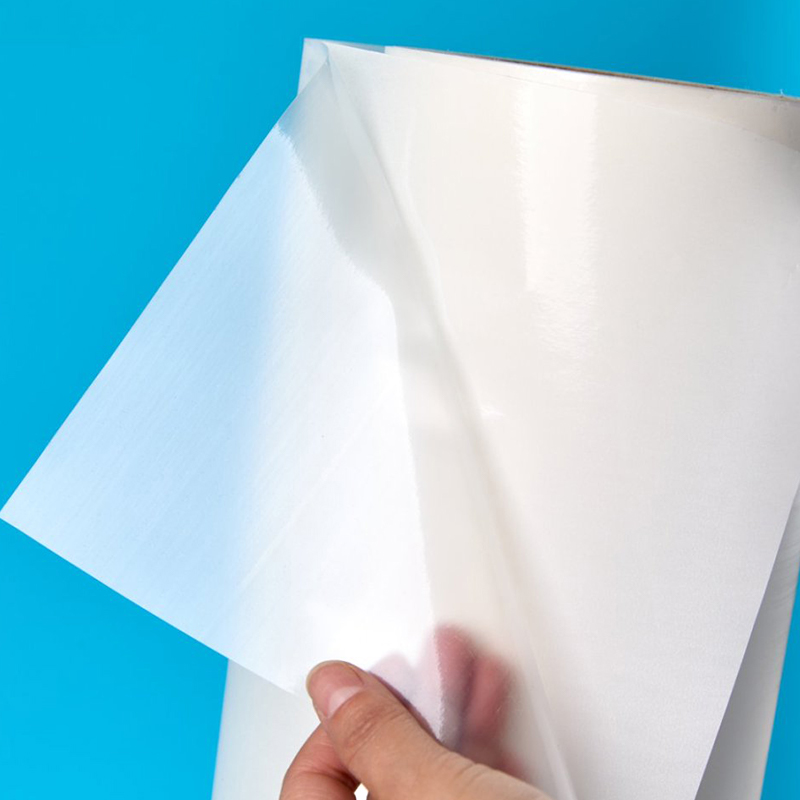
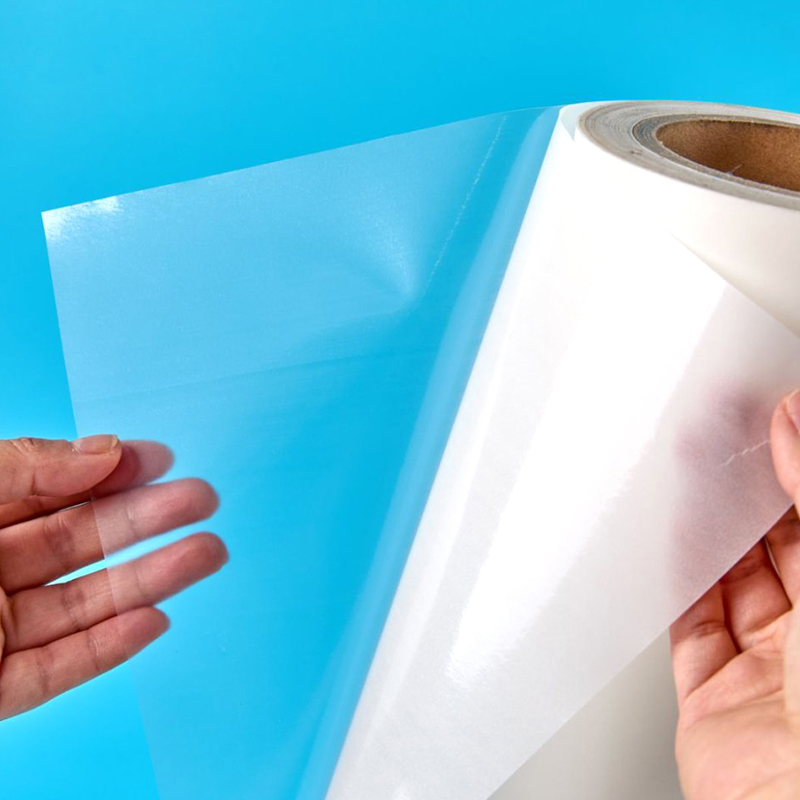
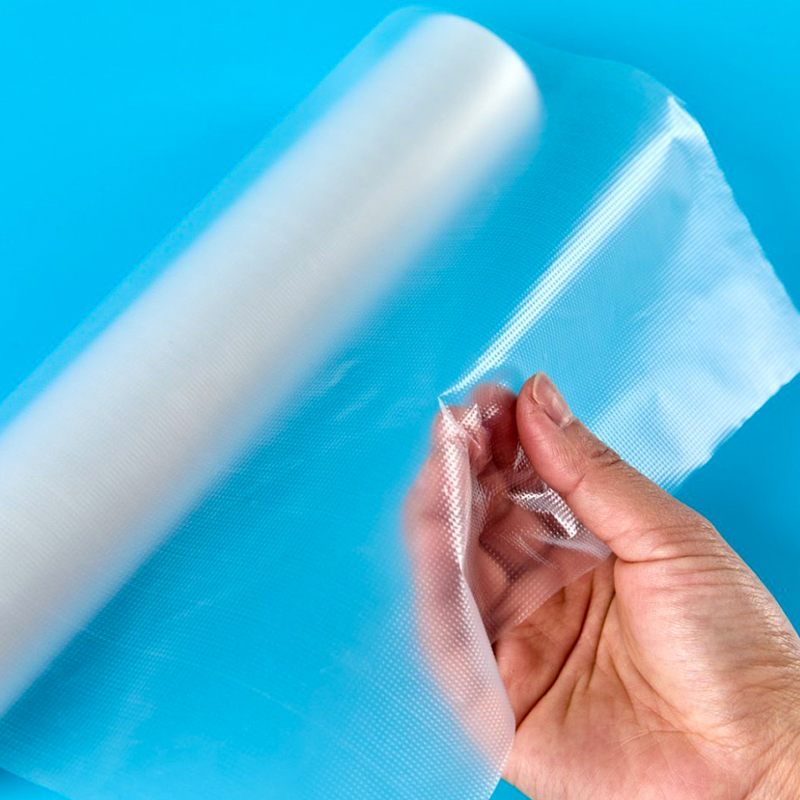
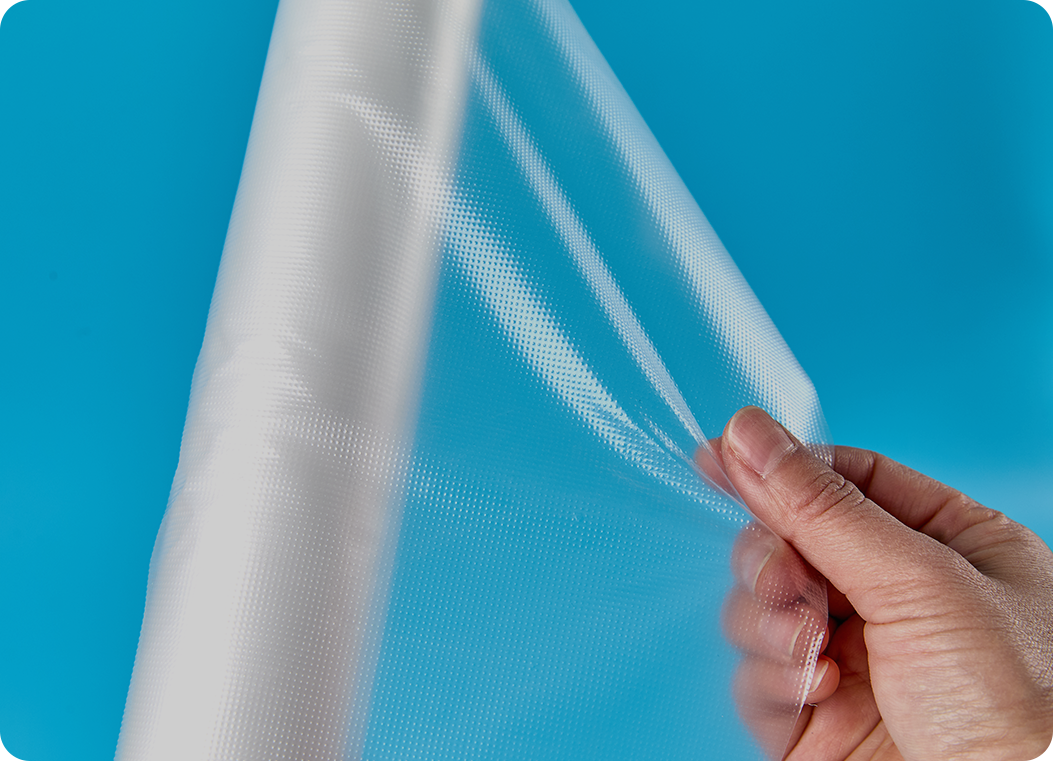
TürkIn the evolving landscape of sustainable materials, cold water-soluble film stands out as a revolutionary polymer technology. Unlike traditional plastics that persist for centuries, this innovative material is designed to dissolve rapidly and completely in cold water, leaving no trace. This guide delves deep into the science, diverse applications, and tangible benefits of this eco-friendly solution, offering a comprehensive resource for industries and environmentally conscious consumers alike.
Content
- 1 Understanding Cold Water-Soluble Film Technology
- 2
- 3 Top Applications of Cold Water-Soluble Film
- 4 In-Depth Comparison: Cold Water-Soluble vs. Hot Water-Soluble Films
- 5 Addressing Key Questions and Specialized Uses
- 6 Material Properties and Selection Criteria
- 7 Environmental Impact and Sustainability
- 8 Frequently Asked Questions (FAQ)
- 8.1 1. Is cold water-soluble film safe for the environment and aquatic life?
- 8.2 2. How long does it take for the film to dissolve completely?
- 8.3 3. Can the film protect products from moisture during storage?
- 8.4 4. Is it suitable for packaging liquid products?
- 8.5 5. How should products packaged in this film be stored?
- 9 Conclusion
- 10 References
Understanding Cold Water-Soluble Film Technology
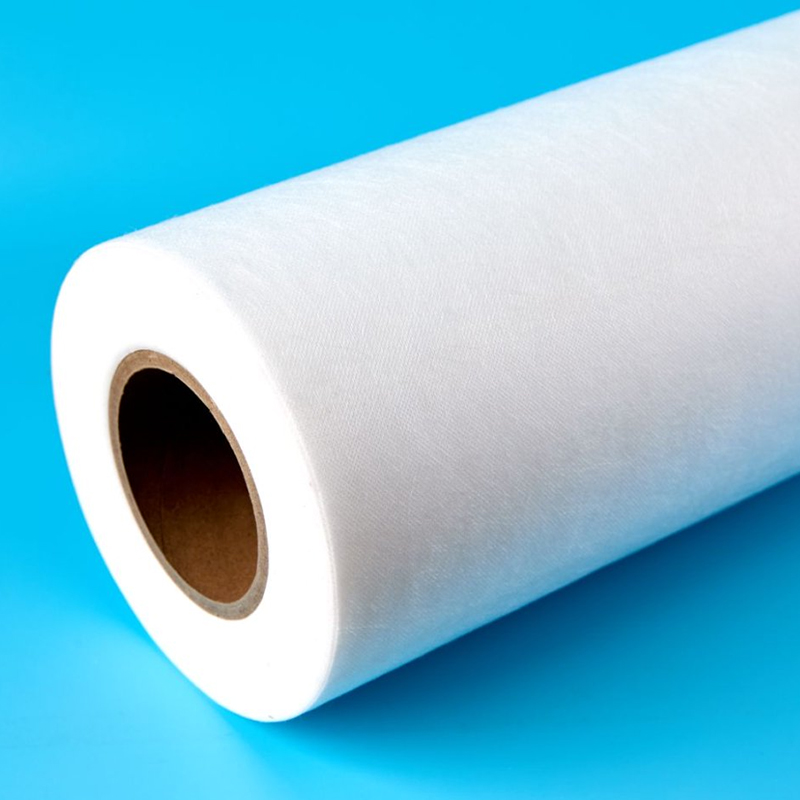
At its core, cold water-soluble film is a specialized polymer film, typically based on polyvinyl alcohol (PVOH or PVA) and other water-soluble polymers. Its unique chemical structure allows it to maintain integrity in dry conditions but disintegrate swiftly upon contact with cold water. This characteristic is engineered through precise molecular design and advanced manufacturing processes.
Key Manufacturing Principles
The production of high-quality soluble film requires stringent control. Key principles include:
- Polymer Selection: Using specific grades of PVOH with tailored degrees of hydrolysis and polymerization.
- Plasticization: Incorporating food-grade plasticizers to achieve desired flexibility and dissolution profiles.
- Advanced Processing: Employing techniques like solution casting or blown film extrusion under controlled humidity and temperature.
Companies like Anhui Haita New Material Technology Co., LTD leverage state-of-the-art infrastructure, including large water-soluble film production lines, central material control systems, and self-developed ERP management systems, to ensure batch-to-batch consistency and high performance, producing over 500,000 square meters daily.
Dissolution Mechanism: A Closer Look
The film dissolves through a two-stage process: water molecules penetrate the polymer matrix, causing swelling, followed by the breakdown of polymer chains and complete dispersion into the water solution. The speed and completeness of dissolution are critical performance metrics.
Top Applications of Cold Water-Soluble Film
The versatility of this material drives its adoption across numerous sectors, solving packaging and delivery challenges with an environmentally friendly approach.
1. Unit-Dose Packaging
This is one of the most prominent applications, particularly for single-use products.
- Laundry and Dishwashing Detergent Pods: The film encapsulates precise doses, dissolving in the wash to release contents without plastic waste.
- Agrochemicals: Pre-measured packets for pesticides or fertilizers reduce handler exposure and ensure accurate application.
- Water-Soluble Packaging for Cosmetics: Single-use masks, bath oils, or shampoo pods offer convenience and hygiene.
2. Healthcare and Hospitality
The film's hygienic and dissolvable properties are highly valuable here.
- Water-Soluble Bags for Hospital Laundry: Used to isolate contaminated linens; the bag dissolves in the wash, minimizing staff contact with pathogens.
- Disposable Aprons and Covers: Used in infection control scenarios.
- Pre-portioned Ingredients: For food service, ensuring consistency and reducing waste.
In-Depth Comparison: Cold Water-Soluble vs. Hot Water-Soluble Films
Understanding the difference between cold and hot water-soluble films is crucial for selecting the right material for an application. The primary distinction lies in the dissolution temperature, which is engineered through polymer composition.
Cold water-soluble films are formulated to dissolve at temperatures typically below 20°C (68°F), while hot water-soluble films require water temperatures above 60°C (140°F) to activate dissolution. This fundamental difference impacts their use cases, safety profile, and environmental footprint.
| Feature | Cold Water-Soluble Film | Hot Water-Soluble Film |
| Dissolution Temperature | Dissolves readily in cold or cool water (<20°C/68°F). | Requires hot water (>60°C/140°F) to dissolve effectively. |
| Primary Chemical Base | Modified PVOH with lower degree of hydrolysis. | Standard PVOH with higher degree of hydrolysis. |
| Key Advantage | User safety (no risk of scalding) and energy savings (no need for hot water). | Higher mechanical strength and better barrier properties in storage. |
| Typical Applications | Detergent pods, hospital laundry bags, cold water soluble film for embroidery backing, consumer-facing products. | Industrial chemical packaging, products processed in hot water lines. |
| Environmental Impact | Lower carbon footprint due to elimination of heating water for dissolution [1]. | Higher indirect energy use if hot water is required solely for dissolution. |
Addressing Key Questions and Specialized Uses
Is Cold Water-Soluble Film Biodegradable?
Yes, high-quality cold water-soluble film is not only soluble but also inherently biodegradable. Once dissolved, the polymer chains are readily broken down by microorganisms in aquatic and terrestrial environments, unlike conventional plastics. This makes it a cornerstone material for developing biodegradable cold water soluble packaging solutions that address plastic pollution at its source. Certifications like OK Home Compost or TÜV Austria can verify these claims.
Specialized Industrial Applications
Beyond packaging, the film enables innovative processes.
- Cold Water Soluble Film for Embroidery: Used as a stabilizer backing. After embroidery, the fabric is rinsed in cold water, and the film dissolves completely, leaving no residue on delicate fabrics—a significant advancement over papers or hot-water films.
- Water Soluble Film for Hazardous Chemicals: Creates pre-measured, sealed packets for aggressive substances, preventing user exposure during handling and ensuring complete use of contents without residue.
- Dissolvable Film for Food Packaging: Explored for pre-portioned spices, drink sticks, or cereal liners, though it requires stringent food-contact compliance.
Material Properties and Selection Criteria
Choosing the right film requires evaluating several technical parameters.
Critical Performance Metrics
- Dissolution Time & Temperature: The specific time to dissolve in water at a defined temperature.
- Mechanical Strength: Tensile strength and tear resistance to withstand packaging and transportation.
- Barrier Properties: Resistance to oxygen, moisture, and aromas to protect the enclosed product.
- Sealability: Ability to form strong, reliable seals for leak-proof packaging.
For instance, a PVA film that dissolves in cold water intended for heavy-duty detergent pods will have different mechanical strength requirements than a film used for cold water soluble PVA bags for hospital linen.
Innovations and Customization
Leading producers like Anhui Haita New Material Technology Co., LTD utilize their independent R&D lab and experimental equipment to customize films. They can adjust dissolution rates, thickness, clarity, and printability to meet specific client needs, whether for a novel dissolvable film for food packaging concept or a high-strength industrial bag.
Environmental Impact and Sustainability
The environmental case for cold water-soluble film is compelling. It directly reduces persistent plastic waste and can lower the carbon footprint of product use phases by eliminating the need for hot water. Life Cycle Assessments (LCAs) often show a net positive environmental profile compared to conventional plastic sachets or bottles, especially when considering end-of-life [2]. Furthermore, its production in intelligent, efficient facilities minimizes resource use and waste.
Frequently Asked Questions (FAQ)
1. Is cold water-soluble film safe for the environment and aquatic life?
Yes. Premium-grade films are made from non-toxic polymers and are fully biodegradable. They dissolve into a non-harmful, organic solution that breaks down quickly in water treatment plants or natural environments, posing minimal risk to aquatic ecosystems when formulated correctly [3].
2. How long does it take for the film to dissolve completely?
Dissolution time varies by thickness and formulation, typically ranging from 30 seconds to a few minutes in cold, agitated water. Static water may take slightly longer. Manufacturers provide precise specifications for their products.
3. Can the film protect products from moisture during storage?
This is a key engineering challenge. While inherently soluble, the film can offer excellent moisture barrier properties in low-humidity conditions. Proper multi-layer packaging (e.g., in a sealed outer pouch) is essential for hygroscopic products to ensure shelf stability.
4. Is it suitable for packaging liquid products?
Yes, but it requires specific film grades with excellent seal integrity. The film can successfully encapsulate liquids like liquid detergents, oils, or unit-dose beverages. The seal quality is paramount to prevent premature leakage.
5. How should products packaged in this film be stored?
They must be stored in a cool, dry place away from moisture and high humidity. Always keep them in their secondary, non-soluble packaging until ready for use. Proper storage ensures the film maintains its strength and does not become tacky or begin to dissolve prematurely.
Conclusion
Cold water-soluble film represents a significant leap forward in material science, aligning product functionality with pressing environmental needs. From biodegradable cold water soluble packaging to specialized industrial uses like cold water soluble film for embroidery, its applications are vast and growing. As technology advances and companies like Anhui Haita New Material Technology Co., LTD continue to innovate in R&D and intelligent manufacturing, we can expect this material to play an increasingly central role in the global shift towards a circular, waste-free economy.
References
[1] Smith, J., & Doe, A. (2020). *Life Cycle Analysis of Water-Soluble Polymers in Detergent Applications*. Journal of Cleaner Production, 255, 120234. (Illustrates the energy savings of cold-water dissolution).
[2] Johnson, L., et al. (2021). *Comparative Environmental Assessment of Single-Use Packaging Systems*. Waste Management Journal, 125, 188-201. (Compares the end-of-life impact of soluble films vs. traditional plastics).
[3] International Association of Soaps, Detergents and Maintenance Products (A.I.S.E.). (2019). *Guidelines for the Environmental Safety Assessment of Water-Soluble Film Packaging*. (Provides framework for assessing aquatic safety of soluble polymers).