
 English
 中文简体
中文简体 Türk
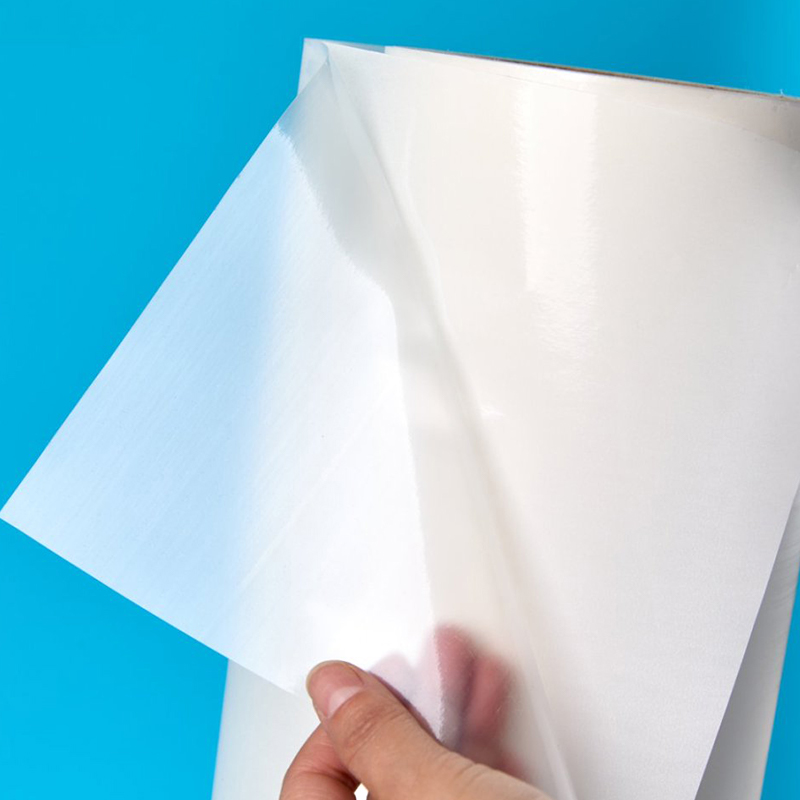
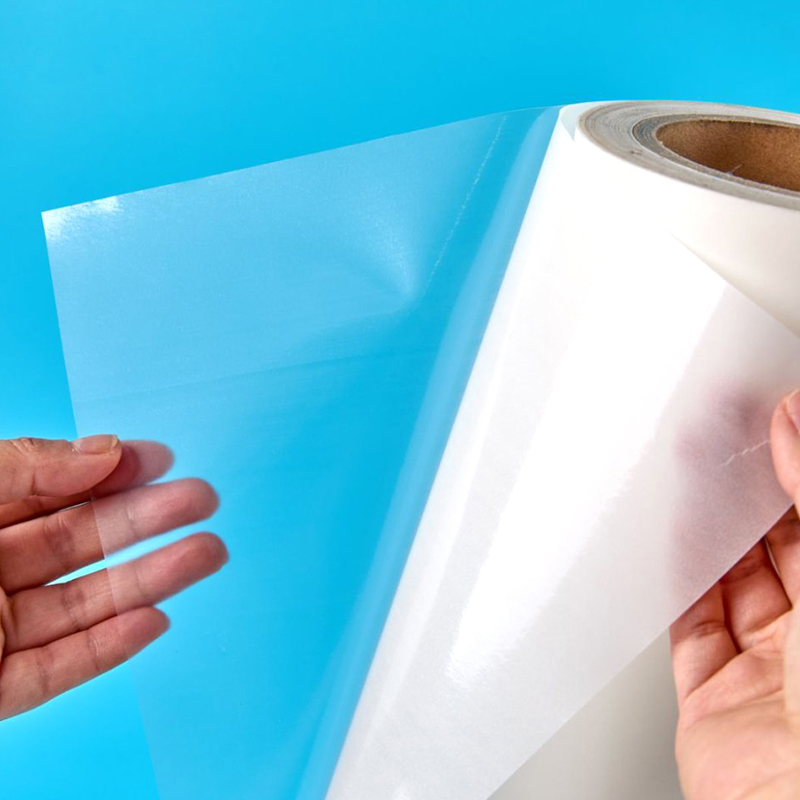
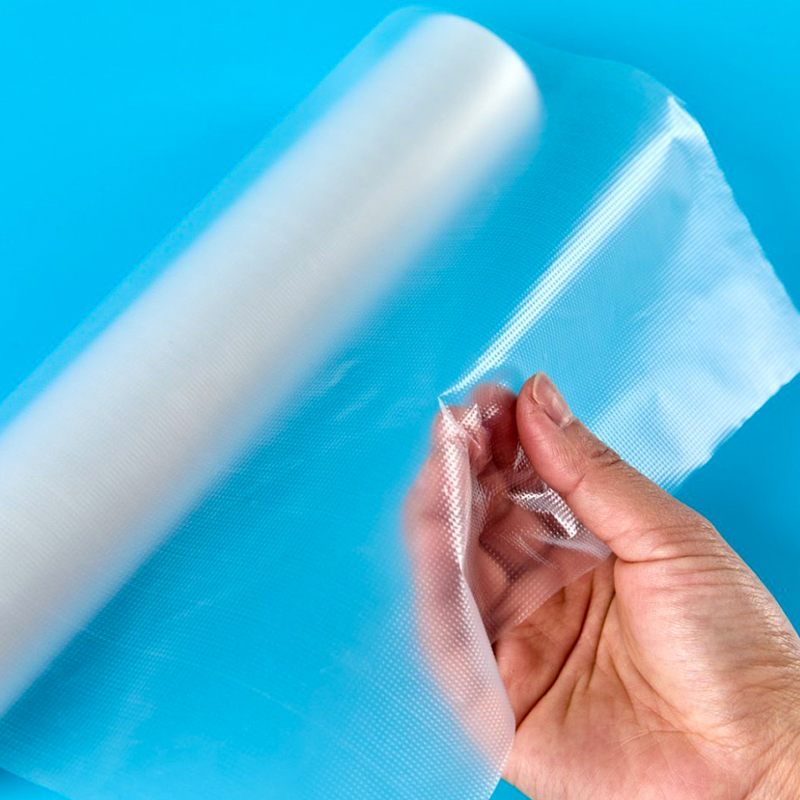
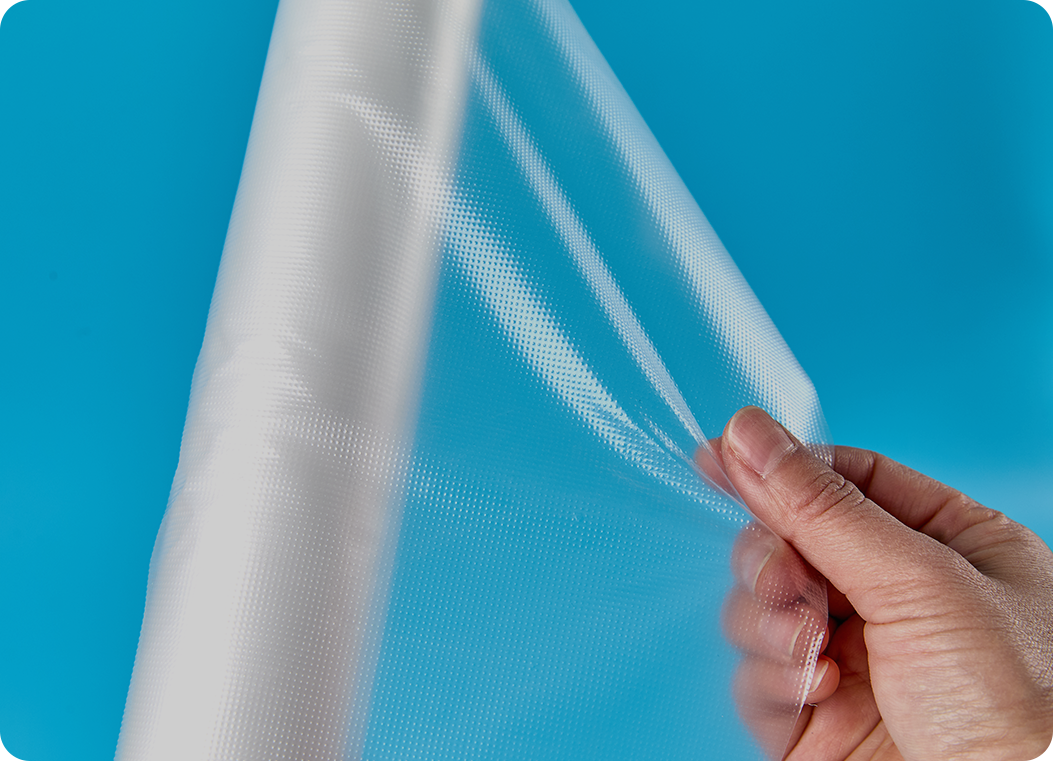
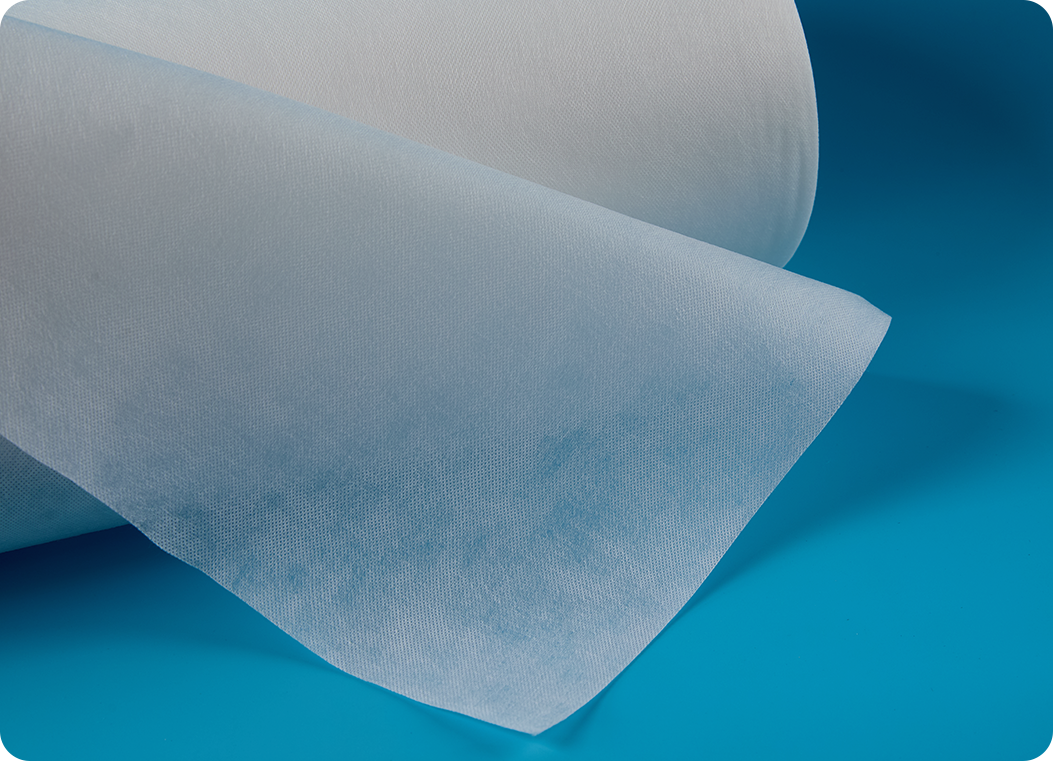
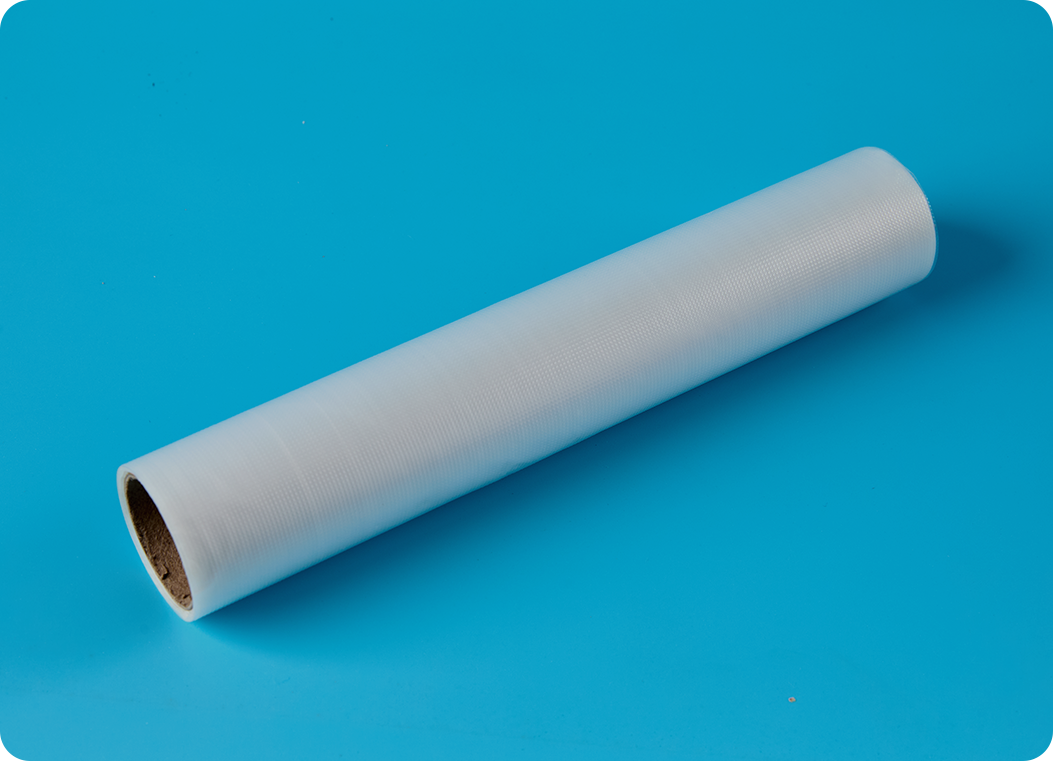
TürkIn the evolving landscape of sustainable and functional materials, cold water-soluble film stands out as a transformative innovation. This advanced polymer technology offers unique solubility properties, dissolving rapidly in cold water without leaving residue. For industries ranging from packaging to agriculture, this material presents a solution that aligns with efficiency, safety, and environmental responsibility. As a leader in polymer material science, Anhui Haita New Material Technology Co., LTD leverages its state-of-the-art intelligent manufacturing facilities and extensive R&D capabilities to pioneer high-quality water-soluble film solutions, serving global customers with products that meet the highest standards of performance and sustainability.
Content
- 1 Understanding Cold Water-Soluble Film Technology
- 2 Diverse Applications Across Industries
- 3 Advantages and Critical Considerations
- 4 Addressing Common Questions: FAQs on Cold Water-Soluble Film
- 4.1 1. How does the dissolution rate of cold water-soluble film vary with water temperature?
- 4.2 2. What are the storage conditions for water-soluble film packaging to ensure longevity?
- 4.3 3. Is cold water-soluble PVA film truly biodegradable and environmentally safe?
- 4.4 4. Can cold water-soluble film for hospital laundry be used in all washing machines?
- 4.5 5. What are the key factors in choosing a cold water-soluble film supplier?
- 5
- 6 References
Understanding Cold Water-Soluble Film Technology
At its core, cold water-soluble film is a specialized polymeric material engineered to disintegrate and dissolve completely upon contact with water at lower temperatures, typically below 25°C (77°F). Its functionality is not merely a chemical curiosity but a precisely controlled physical property with significant industrial implications.
Key Composition and Manufacturing Process
Primary Raw Materials
- Polyvinyl Alcohol (PVA): The most common base polymer, prized for its excellent film-forming, barrier, and solubility characteristics.
- Plasticizers: Such as glycerin or sorbitol, added to modify flexibility and dissolution rate.
- Surfactants and Additives: Used to fine-tune specific properties like anti-blocking, printability, or dissolution initiation.
Advanced Production at Scale
Modern production, as exemplified by facilities like Anhui Haita, involves sophisticated processes. The company utilizes large water-soluble film production lines, high-precision slitters, and a central material control system. This ensures consistency and quality, enabling a production capacity of up to 500,000 square meters per day. The self-developed ERP management system further guarantees traceability and precision from raw material to finished product, a hallmark of intelligent manufacturing.
Mechanism of Solubility
The solubility occurs through a two-stage process: water molecules penetrate the film matrix, causing swelling and a dramatic reduction in mechanical strength, followed by the disentanglement and dispersion of polymer chains into the aqueous solution. The rate is meticulously engineered based on the polymer's grade, thickness, and the water's temperature and agitation.
Diverse Applications Across Industries
The unique properties of cold water-soluble film unlock innovative applications, moving beyond traditional packaging to solve complex challenges in various sectors.
Unit-Dose Packaging
This is a primary driver of adoption. Pre-measured doses of products are encapsulated in pouches made from this film.
- Detergents and Cleaning Agents: Single-use laundry, dishwasher, and surface cleaner pods eliminate measuring, reduce waste, and enhance user safety by preventing direct contact with concentrated chemicals.
- Agrochemicals: Water-soluble packaging for pesticides, herbicides, and fertilizers allows for precise application, minimizes handler exposure, and eliminates empty packaging waste.
- Personal Care: Bath salts, bubble bath, and facial mask concentrates can be packaged for convenience and hygiene.
Healthcare and Medical Uses
In medical and institutional settings, the film offers significant benefits for infection control and operational efficiency.
- Hospital Laundry Bags: Contaminated linens are placed in bags made from this film. During the wash cycle, the bag dissolves, releasing the contents directly into the disinfecting wash, eliminating the need for manual handling and sorting of soiled laundry.
- Disposable Aprons and Covers: Used in isolation wards or during specific procedures, they can be disposed of directly into water, simplifying waste management.
Niche and Emerging Applications
- Embroidery Backing: In textile manufacturing, water-soluble stabilizer film is placed behind fabric during embroidery. After stitching, the film washes away in cold water, leaving only the clean embroidered design without any stiff residue.
- Seed Tapes and Agricultural Aids: Seeds pre-spaced on soluble tape simplify planting. The tape dissolves, providing initial moisture and leaving no physical barrier to growth.
- Food Industry: Potential uses include packaging for ingredients that are added directly to a mixture (e.g., dough conditioners, yeast), though this requires strict food-grade certification.
Advantages and Critical Considerations
Adopting cold water-soluble film involves weighing its considerable benefits against key practical factors to ensure optimal application.
Advantages: Driving Adoption
Sustainability and Environmental Impact
- Waste Reduction: The film eliminates traditional plastic packaging waste, as it dissolves completely during use.
- Material Efficiency: Enables highly concentrated products, reducing the water weight shipped and associated transportation carbon footprint.
- Non-Toxic Breakdown: High-quality PVA-based films typically break down into water, carbon dioxide, and biomass, posing minimal environmental hazard[1].
Operational and User Benefits
- Enhanced Safety: Reduces direct user contact with hazardous or concentrated substances.
- Convenience and Accuracy: Pre-measured doses ensure correct usage and simplify processes.
- Hygiene: In medical applications, it drastically reduces cross-contamination risks.
Key Considerations for Effective Use
Environmental Sensitivity
A primary consideration is the film's inherent sensitivity to moisture, which demands specific storage and handling protocols.
Cold Water-Soluble Film vs. Hot Water-Soluble Film
Understanding the distinction between cold and hot water-soluble variants is crucial for selecting the right material. The following comparison highlights their key differences:
| Property | Cold Water-Soluble Film | Hot Water-Soluble Film |
| Dissolution Temperature | Dissolves readily in water below 25°C (77°F). | Requires water temperatures typically above 65°C (150°F) to dissolve. |
| Storage Requirements | Requires stringent low-humidity, controlled environments to prevent premature activation. | More stable at room temperature under normal humidity conditions. |
| Primary Application Driver | User convenience and safety in end-use applications (e.g., laundry pods, hospital bags). | Industrial processes where heat is part of the system (e.g., dye packaging, hot water release). |
| Barrier Properties | Generally more sensitive to moisture vapor transmission, affecting shelf life of hygroscopic contents. | Often provides a better moisture barrier until exposed to trigger temperature. |
Other Critical Factors
- Shelf Life and Barrier Properties: The film's permeability to water vapor can affect the stability of the packaged product. High-barrier outer packaging is often required.
- Cost Implications: While offering operational savings, the film and the required protective packaging can have a higher upfront material cost than conventional plastics.
- Regulatory Compliance: Applications in food, medical, or agrochemical sectors must meet specific regional safety and composition standards.
Addressing Common Questions: FAQs on Cold Water-Soluble Film
1. How does the dissolution rate of cold water-soluble film vary with water temperature?
The dissolution rate is inversely related to water temperature. In colder water, the process is slower but still occurs effectively as designed. In warmer water, molecular motion increases, accelerating the penetration of water molecules and the subsequent swelling and dissolution of the polymer matrix. The film is engineered to have a predictable dissolution profile across a defined temperature range.
2. What are the storage conditions for water-soluble film packaging to ensure longevity?
Proper storage is paramount. Films should be kept in a cool, dry place with relative humidity ideally below 65%. They must be sealed in their original, high-moisture-barrier packaging (often aluminum-laminated bags) until ready for use. Exposure to ambient humidity can cause the film to become tacky, block together, or even begin dissolving prematurely.
3. Is cold water-soluble PVA film truly biodegradable and environmentally safe?
High-purity Polyvinyl Alcohol (PVA) based films are considered readily biodegradable under aerobic and anaerobic conditions by microorganisms present in wastewater treatment plants and the environment[1]. They break down into non-toxic components. However, the overall environmental impact depends on the specific formulation, including additives. It is crucial to source films from reputable manufacturers who can provide biodegradability certifications and data.
4. Can cold water-soluble film for hospital laundry be used in all washing machines?
Yes, it is designed to be compatible with standard industrial and institutional laundry equipment. The film dissolves early in the wash cycle, typically within the first few minutes, regardless of the machine type. Its use is a significant advancement in infection control protocols, as it removes the need for staff to handle and sort contaminated linens manually.
5. What are the key factors in choosing a cold water-soluble film supplier?
Selecting a reliable supplier involves evaluating several critical factors:
- Technical Expertise and R&D Capability: Look for a supplier with a dedicated R&D department and laboratory, like Anhui Haita New Material Technology Co., LTD, which possesses independent R&D facilities and various experimental equipment to customize solutions.
- Production Capacity and Quality Control: Ensure the supplier has modern, automated production lines (e.g., large water-soluble film production lines, central material control systems) and robust quality management protocols to guarantee consistency.
- Certifications and Compliance: The supplier should provide films that meet relevant international standards (e.g., for biodegradability, food contact, or specific industry regulations).
- Technical Support and Customization: A good partner will offer support in film selection, prototyping, and troubleshooting application-specific challenges.
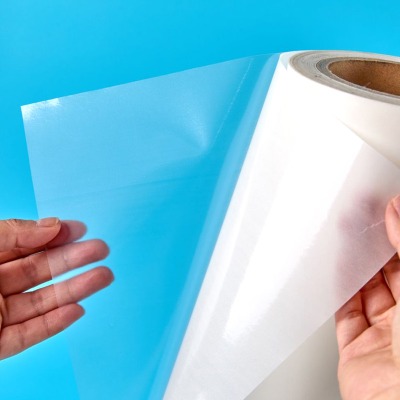
Cold water-soluble film represents a significant leap forward in material science, offering a compelling blend of functionality, safety, and environmental stewardship. From revolutionizing unit-dose packaging to enhancing hygiene in healthcare, its applications are vast and growing. Successfully implementing this technology requires a deep understanding of its properties, such as the precise dissolution rate of cold water-soluble film, and stringent storage conditions for water-soluble film packaging. Furthermore, verifying the environmental claims of cold water-soluble PVA film and ensuring its suitability for specific uses like cold water-soluble film for hospital laundry are essential steps. Ultimately, choosing a cold water-soluble film supplier with strong technical foundations, like Anhui Haita New Material Technology Co., LTD, with its commitment to intelligent manufacturing, significant R&D investment, and global service vision, is crucial for accessing reliable, high-performance materials that meet the complex demands of modern industries. As innovation continues, the role of this smart material in building a more efficient and sustainable future is poised to expand even further.
References
[1] Chiellini, E., Corti, A., D'Antone, S., & Solaro, R. (2003). Biodegradation of poly(vinyl alcohol) based materials. Progress in Polymer Science, 28(6), 963-1014. (This reference supports the statements regarding the biodegradability and environmental breakdown of PVA-based materials.)