
 English
 中文简体
中文简体 Türk
TürkIn an era increasingly focused on sustainability and operational efficiency, innovative packaging solutions are in high demand. Among these, cold water soluble bags stand out as a transformative technology. These bags, crafted from specialized polymer materials like Polyvinyl Alcohol (PVOH), dissolve completely, quickly, and safely in cold water, leaving no trace. This guide delves deep into the science, diverse applications, and key advantages of these remarkable products, highlighting why they are becoming a cornerstone in modern, eco-conscious industries.
Content
- 1 Understanding Cold Water Soluble Technology
- 2 Top Applications of Cold Water Soluble Bags
- 3 Key Benefits and Comparative Advantages
- 4 Choosing the Right Cold Water Soluble Bag
- 5 Innovation in Manufacturing: A Look at Anhui Haita New Material Technology Co., LTD
- 6 Frequently Asked Questions (FAQ)
- 6.1 1. Are cold water soluble bags truly eco-friendly?
- 6.2 2. What happens if the bag gets wet before I intend to use it?
- 6.3 3. Can I use these bags in any water temperature?
- 6.4 4. Is the dissolved solution safe for plumbing and septic systems?
- 6.5 5. What types of products should NOT be packaged in cold water soluble bags?
- 7
- 8 References
Understanding Cold Water Soluble Technology
At the heart of cold water soluble bags is a sophisticated material science. Unlike traditional plastics, these bags are made from water-soluble polymers.
How Do They Work?
The dissolution process is a physical phenomenon governed by material properties and water conditions.
Key Mechanisms:
- Polymer Swelling: Upon contact with water, the polymer chains absorb water molecules, causing the bag to swell and weaken.
- Chain Solvation: Water molecules penetrate and surround the individual polymer chains, breaking the intermolecular forces holding them together.
- Complete Dispersion: The chains fully separate and disperse into the water, forming a true solution that is typically non-toxic and biodegradable.
Material Composition: PVOH and Beyond
The primary material is Polyvinyl Alcohol (PVOH), a synthetic polymer prized for its water solubility and film-forming properties. Its solubility profile can be engineered by adjusting the degree of hydrolysis and polymerization.
For instance, bags designed for laundry applications dissolve faster in cooler water than bags engineered for agricultural chemical packaging, which may have a slightly delayed dissolution to ensure safety during handling. This nuanced engineering is what allows for specialized cold water soluble laundry bags for hospitals that perform reliably in varied wash conditions.
Top Applications of Cold Water Soluble Bags
The unique functionality of these bags unlocks value across numerous sectors by enhancing safety, convenience, and environmental responsibility.
1. Healthcare and Hospitality: Hygiene and Efficiency
This sector benefits immensely from the infection control and workflow simplification these bags offer.
- Laundry: Soiled linens and isolation gowns can be placed directly into the bag, which is then tossed into the washer. The bag dissolves, releasing the contents without staff needing to touch contaminated fabrics.
- Waste Disposal: They are ideal for certain types of non-sharp, soluble medical waste, reducing plastic waste and deodorizing by containing odors until dissolution.
2. Agriculture: Precision and Safety
Pre-measured chemicals in soluble packaging reduce farmer exposure and ensure accurate application.
- Pre-measured pesticides, herbicides, and fertilizers can be dropped directly into spray tanks.
- Eliminates the need to handle and rinse out chemical containers, significantly reducing risk.
3. Industrial & Manufacturing: Process Enhancement
From dyes to additives, these bags streamline manufacturing processes.
- Pre-dosed chemical additives for water treatment, textile, or paper manufacturing can be added without opening the package.
- Improves worker safety and measurement accuracy while reducing packaging waste.
4. Home and Consumer Use: Convenience Redefined
The consumer market is embracing the simplicity of unit-dose and waste-reducing products.
- Unit-dose detergent pods are the most famous example, but the concept extends to dishwash soap, bath salts, and pet waste bags.
- eco friendly dissolvable bags for packaging are also emerging for single-use samples of cosmetics or food ingredients.
Key Benefits and Comparative Advantages
Adopting cold water soluble bags offers a compelling array of benefits over conventional packaging methods. The table below provides a clear comparison.
When compared to traditional plastic bags, water-soluble bags offer a dramatic reduction in persistent plastic waste. Unlike compostable bags, which often require specific industrial conditions to break down, cold water soluble bags dissolve readily in ambient water, leaving no visible residue. This contrasts with the partial degradation sometimes seen with oxo-degradable plastics [1].
| Aspect | Cold Water Soluble Bags | Traditional Plastic Bags | Compostable Bags |
| End-of-Life | Dissolve in water, biodegradable solution | Persist for centuries, create microplastics | Require specific composting facilities |
| User Safety | Reduces direct contact with hazardous contents | No inherent safety benefit | No inherent safety benefit |
| Convenience | No need to open; direct-to-use | Must be opened and disposed of | Must be opened, then disposed of in compost |
| Environmental Impact | Low, if wastewater treatment is available | Very High | Moderate, dependent on proper disposal |
Environmental Impact Deep Dive
The environmental claim is paramount. PVOH is considered biodegradable under both aerobic and anaerobic conditions by microorganisms commonly found in wastewater treatment plants [2]. However, the full lifecycle benefit is realized when the dissolved solution enters a managed water treatment system. This makes products like biodegradable cold water soluble film a responsible choice for industrial and institutional applications connected to municipal treatment systems.
Choosing the Right Cold Water Soluble Bag
Not all soluble bags are identical. Performance is tailored through material engineering.
Critical Performance Specifications
- Dissolution Temperature & Time: Ranges from near-instantly in cold water to a controlled delay.
- Barrier Properties: Resistance to moisture vapor and gases to protect sensitive contents.
- Mechanical Strength: Must be durable during storage and handling yet dissolve completely.
- Seal Integrity: Seals must be strong and also fully soluble.
Understanding Dissolution Variables
The actual dissolution time in practice is influenced by several factors. For example, cold water soluble pouches for detergent are optimized for quick dissolution in tap water, while cold water soluble packaging for agrochemicals might have a slightly longer dissolution window to prevent accidental rupture. The key variables include:
- Water Temperature (primary driver)
- Water Agitation/Movement
- Water Hardness and pH
- Bag Film Thickness and Size
Questions like what is the dissolution time for cold water soluble bags are best answered by referring to specific product data sheets, as times can vary from 30 seconds to several minutes based on these factors.
Innovation in Manufacturing: A Look at Anhui Haita New Material Technology Co., LTD
Producing high-quality, consistent cold water soluble bags at scale requires advanced manufacturing capabilities and dedicated R&D. Anhui Haita New Material Technology Co., LTD exemplifies this modern approach. As a science and technology company focused on polymer materials, it invests heavily in intelligent manufacturing infrastructure.
The company's facility houses large water-soluble film and non-woven production lines, along with precision converting equipment like high-slit slitters, bag-making machines, and coating lines. This vertical integration allows for strict control over the entire production process, from raw polymer to finished bag. With a daily production capacity reaching 500,000 square meters and an annual material consumption of over 5,000 tons, Anhui Haita possesses the scale to serve global customers. Its independent R&D lab and central material control system ensure that products like specialized cold water soluble laundry bags for hospitals meet exacting performance and safety standards, pushing the boundaries of what is possible with soluble polymer technology.
Frequently Asked Questions (FAQ)
1. Are cold water soluble bags truly eco-friendly?
Yes, when used and disposed of appropriately. The primary material, PVOH, biodegrades in wastewater treatment plants. The key environmental benefit is the elimination of persistent plastic waste and the reduction of chemical exposure from container rinsing.
2. What happens if the bag gets wet before I intend to use it?
Proper storage is crucial. Bags must be kept in a cool, dry place with low humidity. High-quality bags have good resistance to ambient moisture, but prolonged exposure to humid air can cause them to become tacky or start dissolving.
3. Can I use these bags in any water temperature?
They are specifically designed for cold to lukewarm water. Using them in very hot or boiling water will cause instantaneous dissolution, which may be too fast for some applications. Always follow the manufacturer's recommended water temperature.
4. Is the dissolved solution safe for plumbing and septic systems?
Generally, yes. The diluted PVOH solution is non-toxic and should not clog pipes. In fact, studies suggest it may be processed effectively in both municipal wastewater treatment and septic systems [2]. However, always check local regulations for specific guidelines.
5. What types of products should NOT be packaged in cold water soluble bags?
They are unsuitable for any product that reacts with water or moisture, such as dry powdered electronics, certain metal powders, or moisture-sensitive pharmaceuticals. Their use is ideal for substances meant to be used in or with water.
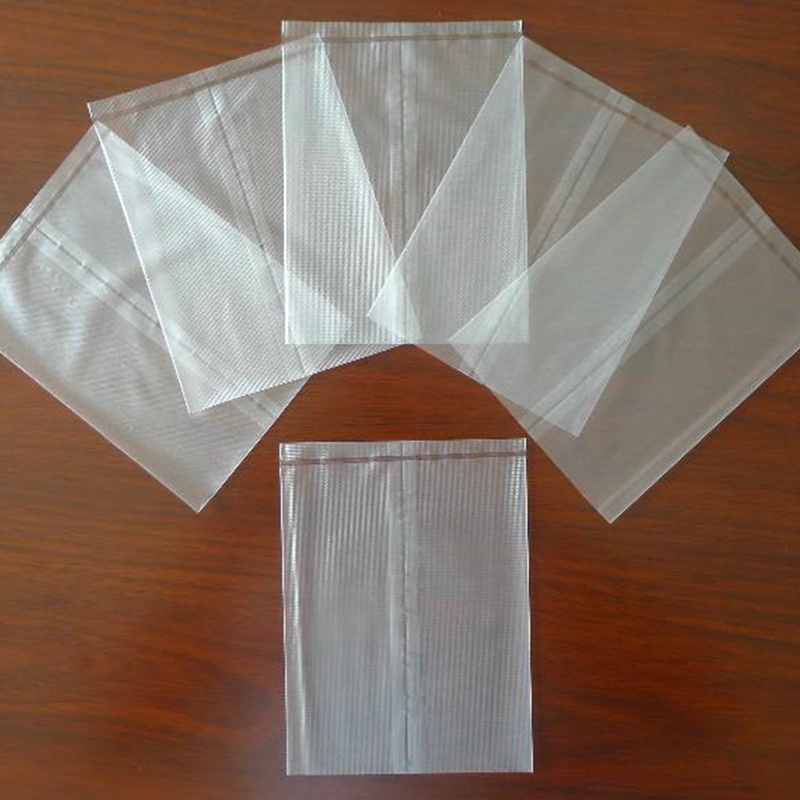
Cold water soluble bags represent a significant leap forward in functional, sustainable packaging. By merging material science innovation with practical design, they solve critical problems in hygiene, safety, and environmental impact across industries from healthcare to agriculture. As technology advances and manufacturers like Anhui Haita New Material Technology Co., LTD continue to refine production and develop new applications, the adoption of these smart packaging solutions is poised to grow, contributing to a more efficient and less wasteful global economy.
References
[1] Kyrikou, I., & Briassoulis, D. (2007). Biodegradation of Agricultural Plastic Films: A Critical Review. Journal of Polymers and the Environment, 15(2), 125–150. This review highlights the limitations of oxo-degradable plastics compared to truly biodegradable polymers.
[2] Chiellini, E., Corti, A., D'Antone, S., & Solaro, R. (2003). Biodegradation of Poly(vinyl alcohol) based materials. Progress in Polymer Science, 28(6), 963–1014. This seminal paper provides comprehensive evidence on the biodegradation pathways and fate of PVOH in various environmental systems, including wastewater treatment.