 English
 中文简体
中文简体 Türk
TürkIn the diverse world of industrial and fabric bonding, hot-melt adhesive films offer a clean, efficient, and consistent alternative to liquid adhesives. Among the various chemical bases available, polyolefin (PO) hot-melt adhesive films have carved out a significant niche. However, to make an informed material selection, it is crucial to understand how PO-based films stack up against other prevalent types, such as EVA (Ethylene-Vinyl Acetate), TPU (Thermoplastic Polyurethane), PA (Polyamide), and PES (Polyester). This detailed comparative analysis focuses on performance across key parameters like bonding strength, temperature resistance, flexibility, chemical compatibility, and application suitability, providing a clear roadmap for engineers, designers, and procurement specialists.
Content
Chemical Foundations and Material Properties
The fundamental performance of any hot-melt adhesive film is dictated by its polymer chemistry. This chemical backbone determines how the material reacts to heat, stress, and environmental factors. A clear grasp of these foundations is the first step in predicting adhesive behavior in the field.
Polyolefin (PO): The Versatile Performer
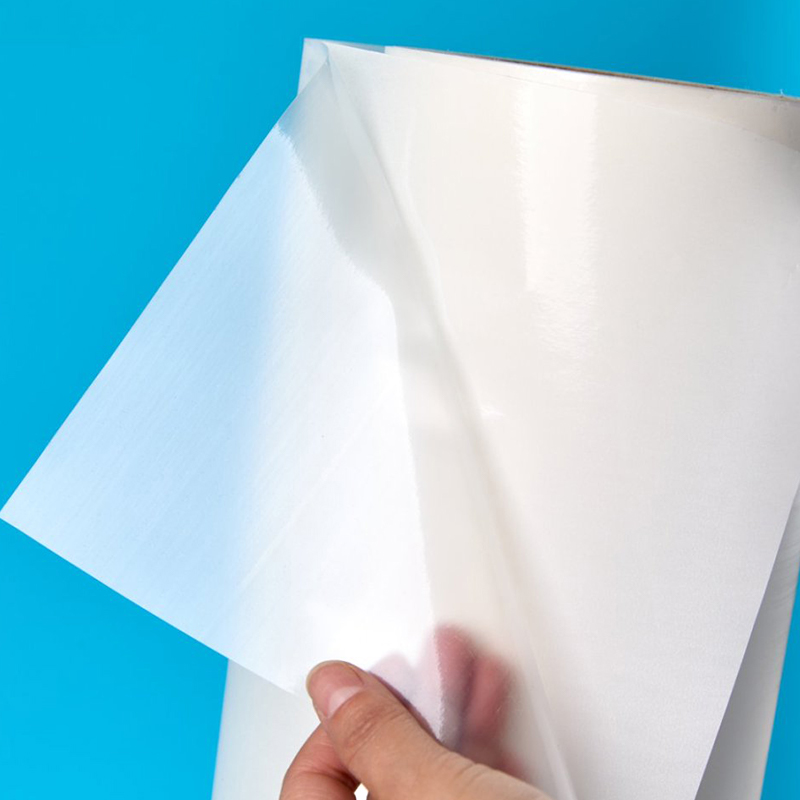
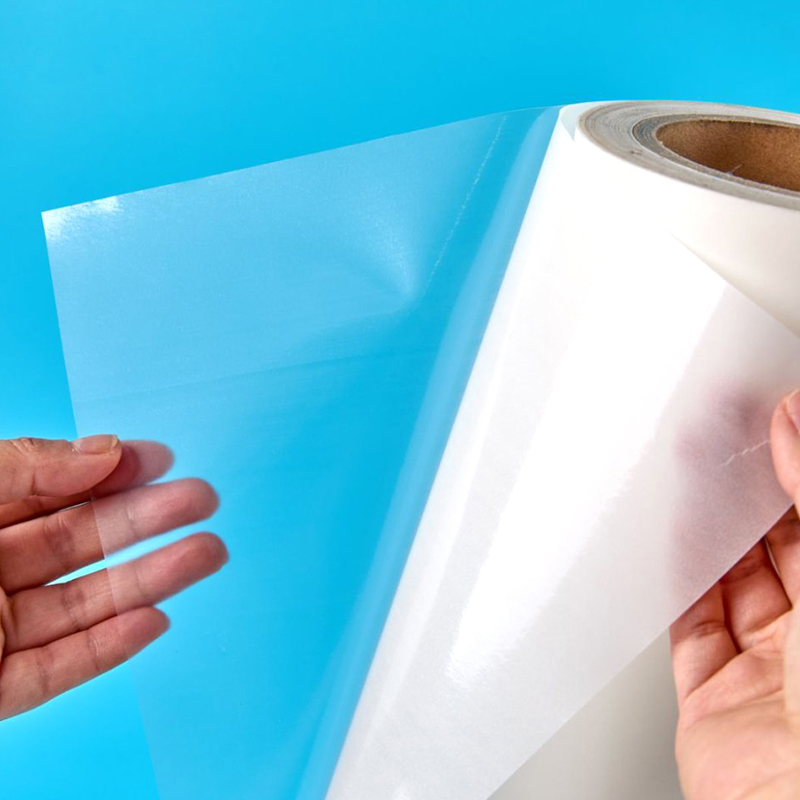
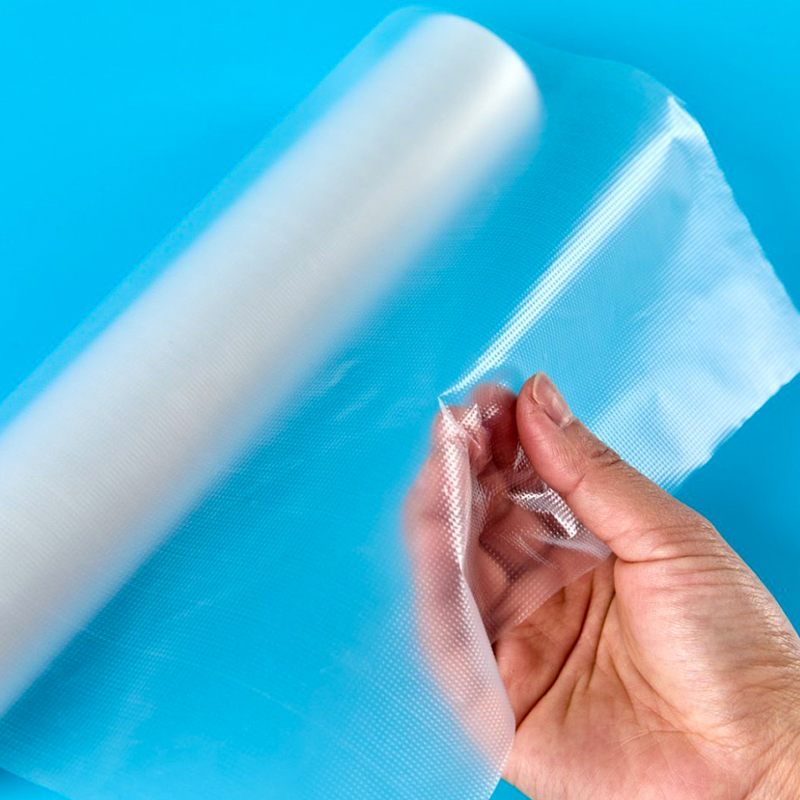
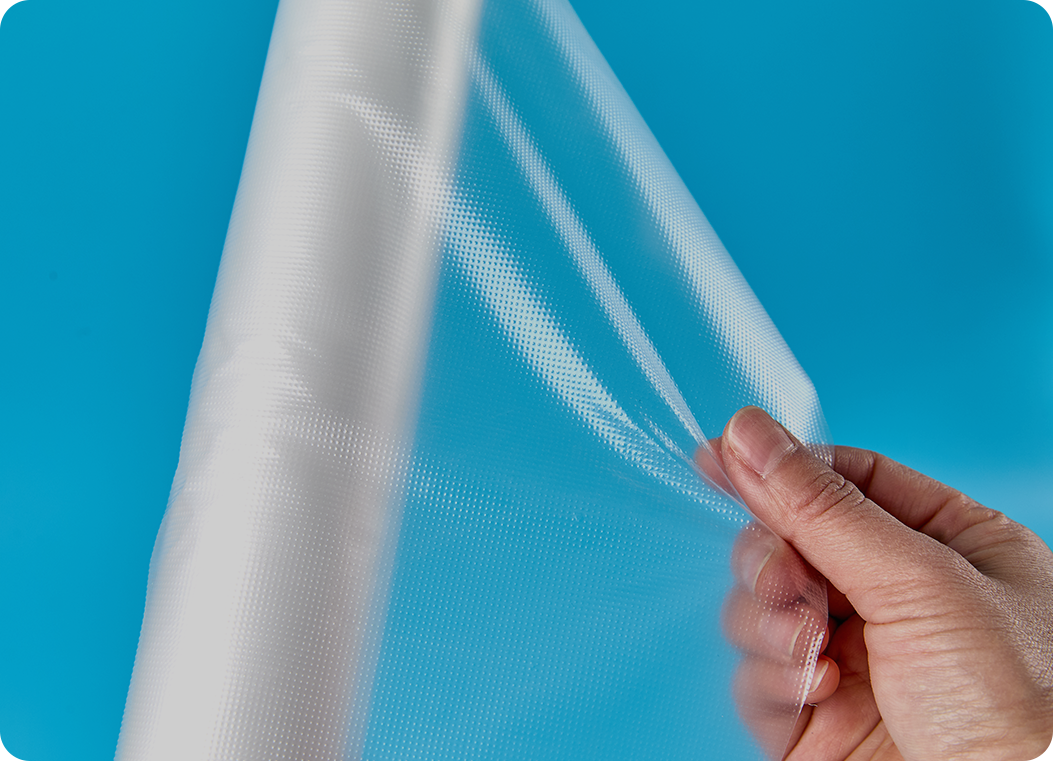
Polyolefin-based films, typically utilizing polypropylene or polyethylene copolymers, are renowned for their balanced profile. They are characterized by a low melting point, which is a key factor for applications involving low-temperature application po adhesive film. This property makes them suitable for heat-sensitive substrates like certain foams or thin films without causing thermal damage. Beyond temperature, PO films exhibit excellent resistance to moisture and plasticizer migration. This makes them a prime candidate for waterproof bonding with po hot-melt film, especially in applications where exposure to humidity or liquids is a constant concern, such as outdoor gear or filtration media. Furthermore, a significant advantage in today's eco-conscious market is that many PO films are based on polymers that are compatible with recycling streams, aligning with the search for recyclable hot-melt adhesive film options. Their adhesion is generally good to a wide range of substrates, including many plastics, metals, and textiles, though they may require surface treatment for optimal bonding on non-porous materials.
Competing Chemistries: EVA, TPU, PA, and PES
To appreciate PO's position, one must understand its alternatives. EVA (Ethylene-Vinyl Acetate) films are the classic, economical workhorses. They offer good initial tack and adhesion to porous materials like wood and cardboard but tend to have lower resistance to heat, chemicals, and UV exposure compared to PO. TPU (Thermoplastic Polyurethane) films are the champions of flexibility and durability. They possess exceptional elastic recovery, abrasion resistance, and cold flexibility. The debate around po vs tpu adhesive film for flexible materials often centers on the degree of dynamic movement required; TPU is superior for constantly stretching or flexing components. PA (Polyamide) films sit at the high-performance end, offering superior bond strength and excellent resistance to high temperatures and solvents. They are often chosen for demanding applications like automotive under-hood components or electronic assembly. PES (Polyester) films provide very strong, rigid bonds with outstanding resistance to washing and dry cleaning, making them a staple in the apparel industry for hemming and fusing. The following table summarizes these core material properties.
| Film Type | Key Strengths | Typical Limitations | Melting Point Range |
|---|---|---|---|
| Polyolefin (PO) | Moisture resistance, low melting point, recyclability, good chemical resistance. | Moderate ultimate bond strength on some substrates; can be stiffer than TPU. | ~80°C - 120°C |
| EVA | High initial tack, cost-effective, good adhesion to porous materials. | Poor heat & UV resistance; susceptible to plasticizer migration and moisture. | ~70°C - 100°C |
| TPU | Excellent flexibility, abrasion resistance, toughness, cold performance. | Higher cost; can be sensitive to moisture during processing (hydrolysis). | ~100°C - 130°C |
| PA | Very high strength, excellent heat & chemical resistance. | Very high melting point (requires more energy), higher cost, rigid. | ~120°C - 180°C |
| PES | High wash/dry-clean durability, strong rigid bonds. | Brittle; poor low-temperature performance; requires high processing temps. | ~120°C - 160°C |
Performance in Critical Application Scenarios
Moving from theory to practice, the real test of an adhesive film is its performance under specific operational conditions. Different industries impose unique sets of demands, making certain adhesive types more suitable than others.
Bonding Strength and Substrate Compatibility
Ultimate bond strength is rarely a single number; it varies dramatically with the substrate material. PO films generally provide a robust and reliable bond on a wide array of materials, including polypropylene and polyethylene, which are notoriously difficult for other adhesives to bond. This universal compatibility is a major asset. In contrast, EVA bonds well to porous materials but can struggle with plastics. TPU excels at bonding to textiles, leather, and other flexible substrates where the bond must endure constant stress without delaminating. PA films offer the highest sheer and peel strength on rigid substrates like metals and engineering plastics. PES creates powerful bonds with fabric fibers, ensuring seam tapes and appliqués survive repeated laundering. The choice heavily depends on the primary material being bonded.
Environmental and Operational Resistance
Long-term durability is where chemical resistance becomes paramount. PO films offer very good resistance to water, acids, alkalis, and plasticizers, supporting the need for waterproof bonding with po hot-melt film. They perform reliably in damp environments. TPU films have good general chemical resistance but can degrade with prolonged exposure to strong acids, bases, or weather elements unless specifically formulated. PA films are the undisputed leaders here, withstanding fuels, oils, and most solvents, which is critical in mechanical and automotive settings. PES films are highly resistant to water and dry-cleaning solvents but can be attacked by strong alkalis. For temperature, PO's low melting point is a double-edged sword: it allows for low-temperature application po adhesive film but limits the service temperature of the final product compared to PA or PES.
Industry-Specific Applications and Selection Guidance
The convergence of material properties and performance requirements naturally leads to adhesive film preferences in different sectors. Understanding these patterns provides practical guidance for selection.
Automotive and Transportation Interiors
The automotive interior is a complex adhesive environment, requiring bonds that can withstand temperature fluctuations, UV exposure, and constant vibration while being free of volatile organic compounds (VOCs). Here, po hot-melt adhesive film for automotive interiors is a top contender. It is used for bonding headliners, door panel trims, and carpet backing because it resists fogging (plasticizer outgassing), handles the heat from a parked car, and bonds well to the various plastics and fabrics used. While TPU is used for more flexible components and PA for under-hood applications, PO's balance of performance, processability, and cost makes it a mainstream choice for interior assembly.
Textile, Apparel, and Technical Gear
This sector splits into two main branches: traditional apparel and performance/technical textiles. For apparel hemming and fusing, PES is dominant due to its wash durability. However, for technical gear like outdoor jackets, tents, or filtration bags where waterproof bonding with po hot-melt film is critical, PO films are often selected. They create sealed seams that block moisture effectively. The comparison of po vs tpu adhesive film for flexible materials is most active here. For inflatable products, stretchable wearables, or shoes where the bond must elongate with the fabric, TPU's elasticity is unbeatable. For less dynamic but moisture-prone seams, PO is frequently the optimal and more economical solution.
Packaging, Electronics, and Sustainable Design
In packaging, EVA and PO are common. PO is chosen for its odorless nature and better moisture barrier when sealing sensitive products. In electronics, PA films might be used for heat-resistant bonding of components, while PO can be used for less demanding internal lamination. A growing consideration across all industries is end-of-life. The demand for recyclable hot-melt adhesive film options is rising. PO films, particularly those based on single-polymer systems compatible with polyolefin recycling streams, have a distinct advantage here. This makes them attractive for manufacturers designing for disassembly or aiming to use recycled content in their products, adding an environmental dimension to the technical selection criteria.
Synthesizing the Choice: A Practical Decision Framework
Selecting the right hot-melt adhesive film is a multi-variable optimization problem. There is rarely a single "best" type, only the most appropriate for a given set of constraints. The following step-by-step framework can guide the decision-making process away from assumptions and toward data-driven choices.
- Define Primary Substrates: List all materials to be bonded. Test compatibility; PO is a safe bet for many plastics and fabrics, while TPU is key for elastomers.
- Characterize the Operating Environment: Specify the temperature range (both processing with low-temperature application po adhesive film in mind and service), exposure to chemicals, moisture, or UV light. For waterproof needs, prioritize PO or TPU.
- Quantify Mechanical Demands: Determine if the bond is static or must flex/stretch. High flexibility points to TPU; rigid, high-strength bonds suggest PA or PES.
- Consider Production Constraints: Evaluate available lamination equipment (heat, pressure, dwell time). PO and EVA are generally the easiest to process.
- Incorporate Secondary Requirements: Factor in needs like optical clarity, color, regulatory compliance (e.g., food contact, REACH), and environmental goals like recyclable hot-melt adhesive film options.
In summary, PO hot-melt adhesive film distinguishes itself as a highly versatile, moisture-resistant, and increasingly sustainable option that processes easily. It outperforms EVA in durability and chemical resistance, offers a more economical and recyclable profile than TPU for non-extreme flexing applications, and provides a lower-processing-temperature alternative to the high-performance but more expensive PA and PES films. By systematically evaluating project requirements against the detailed properties of each film type, engineers and designers can leverage the unique strengths of PO, whether for po hot-melt adhesive film for automotive interiors or technical textile sealing, to create durable, reliable, and efficient bonded products.