 English
 中文简体
中文简体 Türk
TürkContent
- 1 What Are Hot Melt Adhesive Films
- 2 Types of Hot Melt Adhesive Films
- 3 Hot Melt Adhesive Film Properties
- 4 Hot Melt Adhesive Film Melting Point
- 5 Hot Melt Adhesive Film Temperature Resistance
- 6 Hot Melt Adhesive Film Application Temperature
- 7 Hot Melt Adhesive Film Thickness
- 8 Hot Melt Adhesive Film Manufacturing Process
What Are Hot Melt Adhesive Films
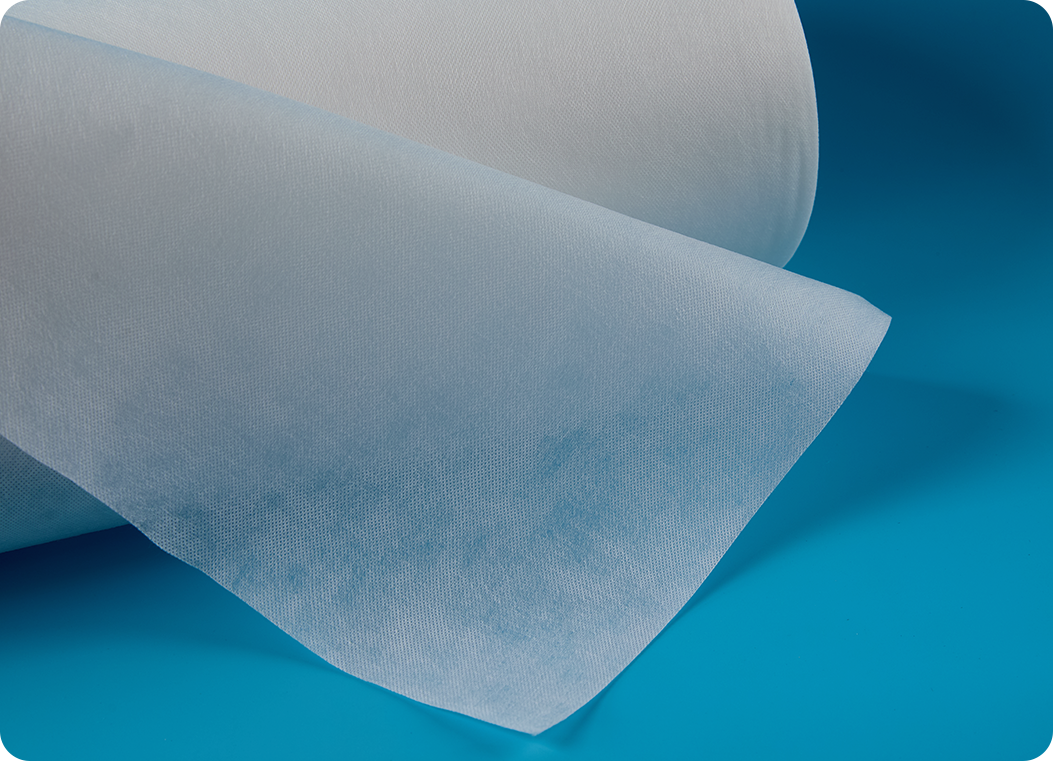
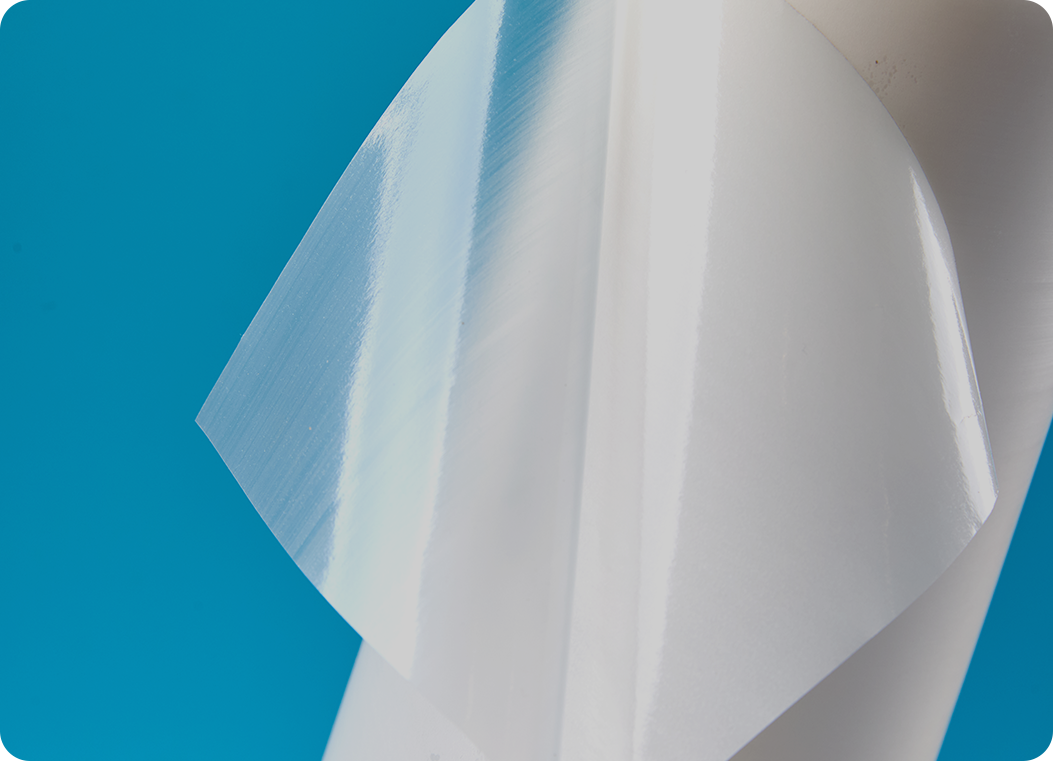
Hot melt adhesive films are solid, solvent-free adhesive sheets that bond materials when heat and pressure are applied, melting into a liquid state, wetting both surfaces, and then re-solidifying as they cool to form a permanent bond. Because they carry no water or solvent, there's no drying or curing time and no VOC emissions during application — the bond forms and sets within seconds of cooling. This class of adhesive is also called thermoplastic adhesive film, since the polymers used all share the defining thermoplastic property of repeatedly softening under heat and hardening on cooling, without undergoing a permanent chemical cure.
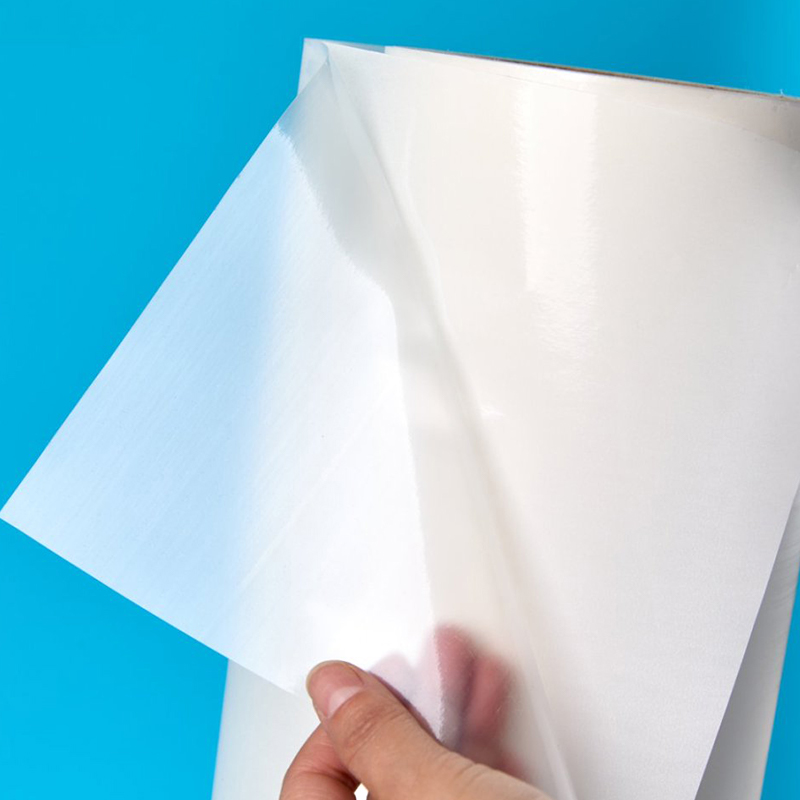
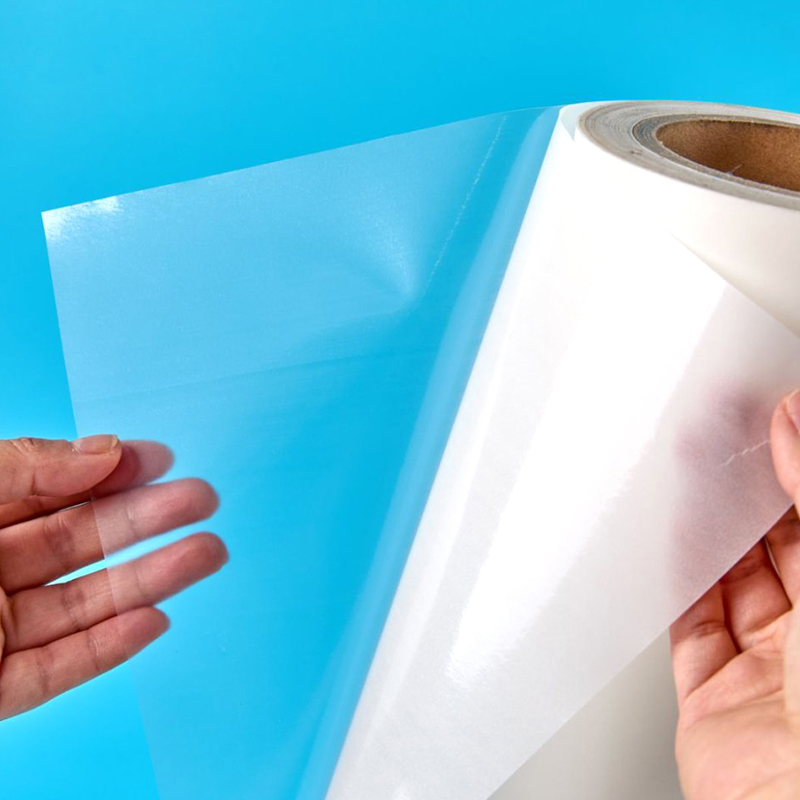
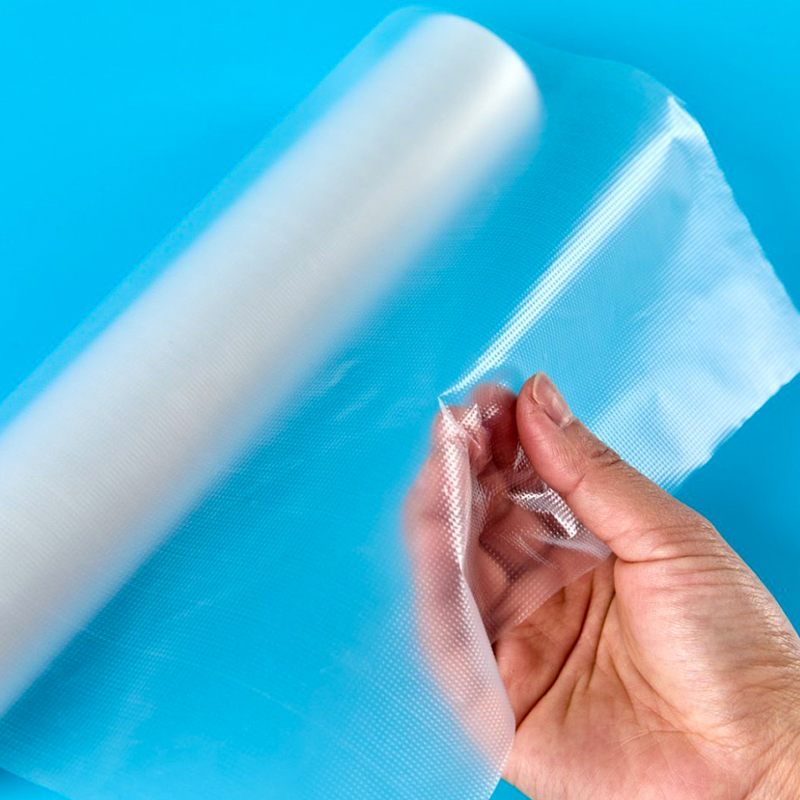
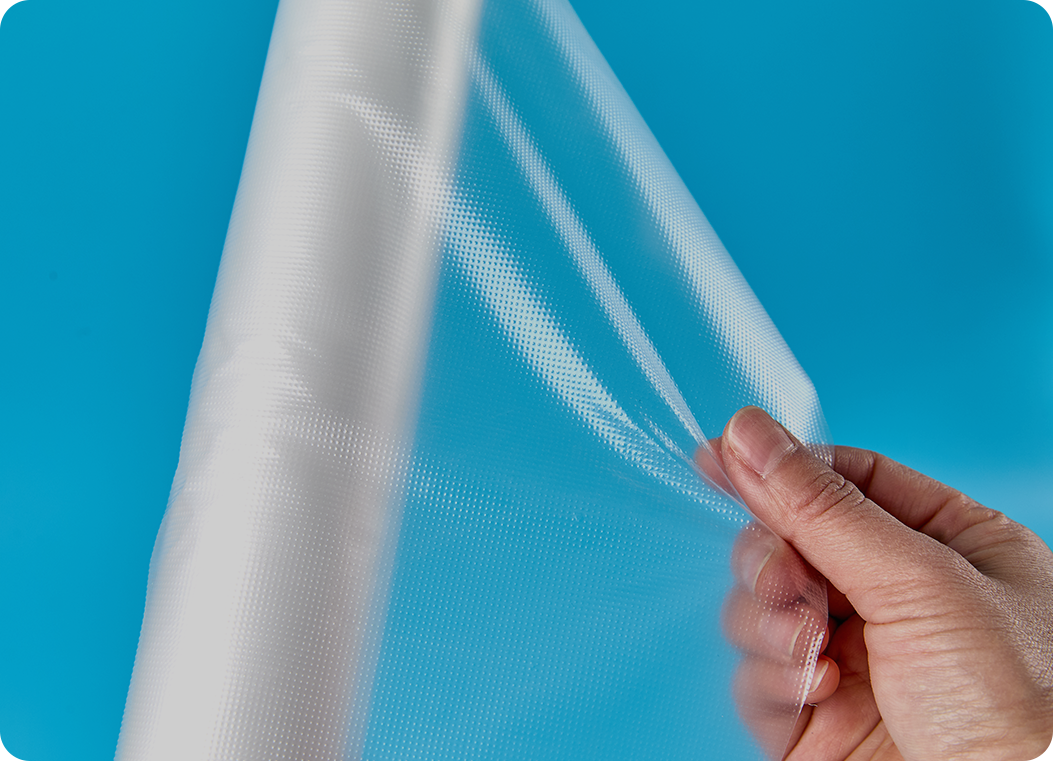
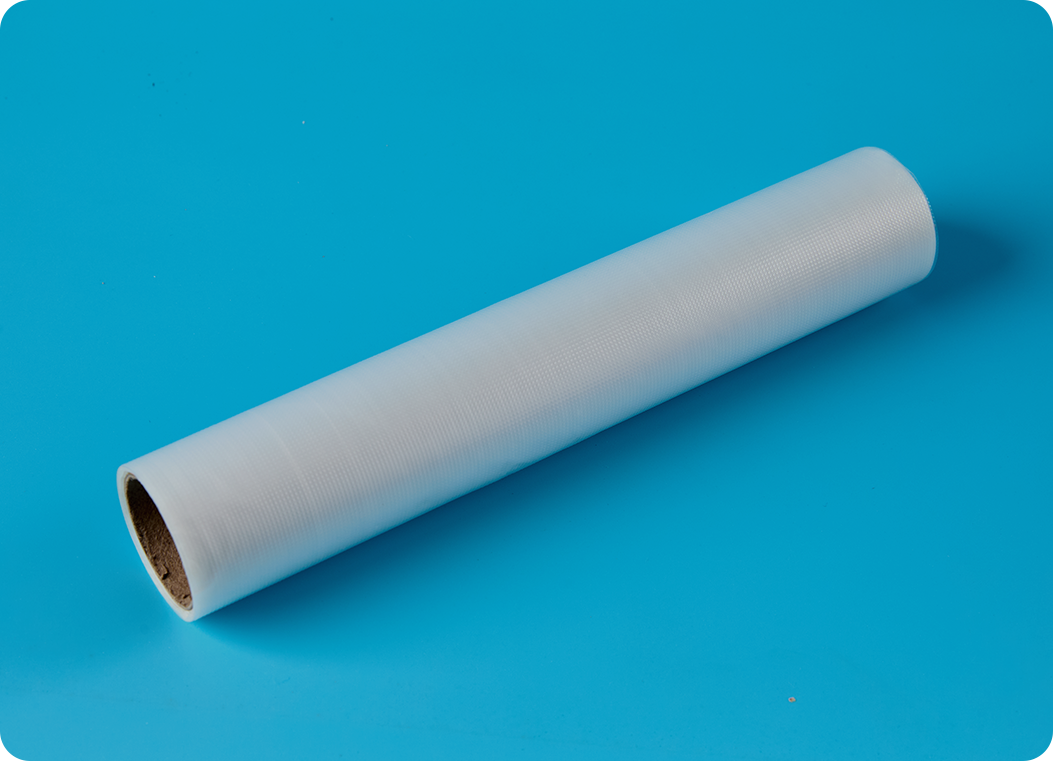
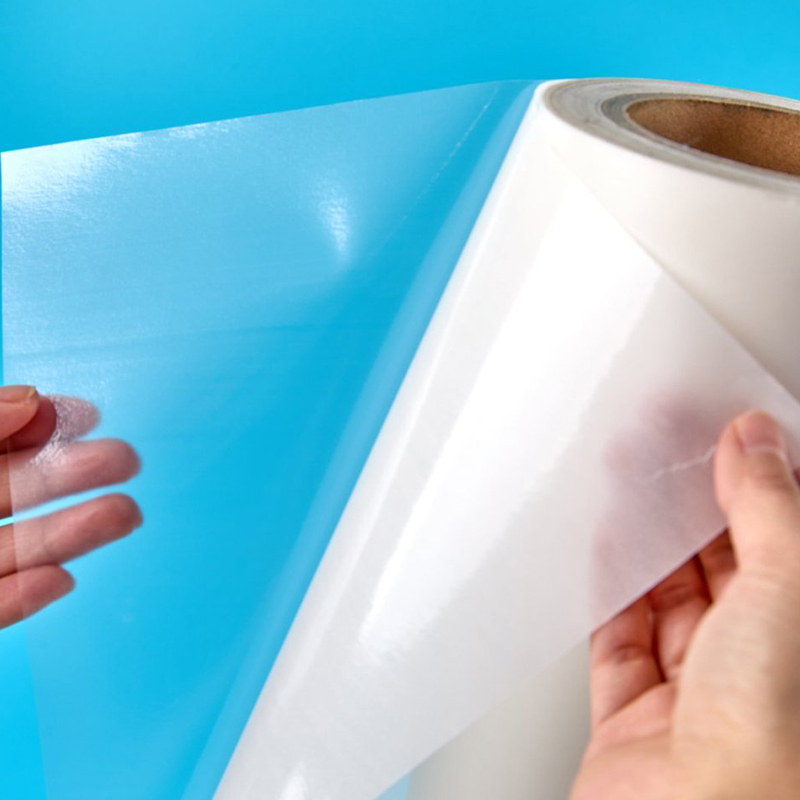
Hot melt adhesive films are supplied as thin, uniform rolls or sheets and are typically laminated between two substrates — fabric layers, foam, electronic components, or packaging materials — then activated with heat presses, rollers, or ultrasonic welding equipment.
Types of Hot Melt Adhesive Films
Hot melt adhesive films are grouped by their base polymer chemistry, and the choice of polymer determines melting point, flexibility, bond strength, and chemical resistance far more than any other spec. The five most common types cover the large majority of industrial and textile applications.
TPU Hot Melt Adhesive Film
TPU (thermoplastic polyurethane) hot melt adhesive film offers the best combination of elasticity, abrasion resistance, and bond strength of the common film types, which is why it dominates in stretch fabrics, athletic wear, footwear, and flexible electronics where the bonded joint needs to flex repeatedly without cracking.
PES Hot Melt Adhesive Film
PES (co-polyester) hot melt adhesive film bonds strongly to a wide range of fabrics and provides good wash and dry-clean resistance, making it a standard choice for garment labels, appliqué, and heat-transfer applications in apparel manufacturing.
PA Hot Melt Adhesive Film
PA (polyamide/nylon) hot melt adhesive film has the highest heat resistance and chemical resistance of the common types, which makes it the preferred choice for automotive interiors, technical textiles, and applications that need to survive repeated washing or exposure to solvents and oils.
PO Hot Melt Adhesive Film
PO (polyolefin) hot melt adhesive film is valued for low-temperature activation, low cost, and good adhesion to difficult-to-bond plastics like polyethylene and polypropylene, making it common in packaging and low-cost lamination work where budget matters more than maximum bond strength.
EVA Hot Melt Adhesive Film
EVA (ethylene-vinyl acetate) hot melt adhesive film is the most economical option, offering reliable general-purpose bonding for foam, paper, and light textile lamination, though it trades away some of the heat and chemical resistance offered by PA and TPU films.
| Type | Typical Melting Point | Best For |
|---|---|---|
| TPU | 100–130°C | Stretch fabrics, footwear, flexible electronics |
| PES | 100–150°C | Garment labels, heat transfers, appliqué |
| PA | 100–160°C | Automotive interiors, technical textiles |
| PO | 70–110°C | Packaging, plastic lamination |
| EVA | 60–100°C | Foam, paper, general-purpose lamination |
Hot Melt Adhesive Film Properties
Beyond polymer type, several physical properties determine whether a film will perform in a given application: peel and shear bond strength, elongation at break (how far the film stretches before failing), open time (how long the film stays workable after heat activation before it sets), and resistance to water, chemicals, and repeated laundering. Films also vary in transparency and color, which matters for applications like optically bonded displays or visible seams in apparel where an invisible bond line is required.
Hot Melt Adhesive Film Melting Point
Melting point is the temperature at which the film transitions from solid to a flowable liquid state capable of wetting a substrate surface — it's the single most important spec for matching a film to a production process. Films with a low melting point (EVA and PO, roughly 60–110°C) suit heat-sensitive substrates and low-energy production lines, while higher-melting films (PA, up to 160°C) are chosen when the finished product itself needs to survive elevated temperatures without the bond softening or failing.
Hot Melt Adhesive Film Temperature Resistance
Once bonded and cooled, a hot melt adhesive film needs to hold its bond across the service temperature range the finished product will actually see — this is a separate consideration from melting point, since a film can have a low activation temperature but still offer decent short-term heat resistance once fully set and cooled. PA and TPU films generally offer the widest service temperature range and the best resistance to softening under sustained heat, which is why they're specified for automotive and outdoor applications where the bonded product may sit in a hot vehicle interior or direct sun for extended periods.
Hot Melt Adhesive Film Application Temperature
Application temperature is the heat setting used on a press, roller, or ultrasonic welder to activate the film during bonding, and it's typically set 20–40°C above the film's melting point to ensure full, even melt-through across the bonded area within the available dwell time. Setting application temperature too low leaves the film only partially melted, producing weak or inconsistent bonds; setting it too high risks scorching heat-sensitive substrates or degrading the adhesive itself. Because dwell time, pressure, and temperature interact, most film suppliers provide a recommended temperature-pressure-time combination rather than a single number, and production lines typically need a short trial run to fine-tune settings for a specific substrate stack.
Hot Melt Adhesive Film Thickness
Hot melt adhesive films are typically supplied in thicknesses from around 20 microns up to 200 microns or more, and thickness selection is a balance between bond strength and finished-product feel. Thinner films (20–50 microns) suit lightweight fabrics and applications where a stiff or visible bond line is undesirable, while thicker films (100 microns and up) are used where gap-filling is needed — bonding uneven or textured surfaces that require more adhesive volume to achieve full contact. Thicker films also generally require longer heat-activation dwell times to melt through completely.
Hot Melt Adhesive Film Manufacturing Process
Hot melt adhesive films are produced primarily through two methods: extrusion casting, where the molten polymer is extruded through a flat die onto a cooling roller to form a continuous film of controlled thickness, and calendering, where the polymer is passed through a series of heated rollers that compress it into a uniform sheet. Extrusion casting tends to produce more consistent thickness tolerances and is preferred for thinner, high-precision films, while calendering is often used for thicker or textured films. After forming, films are typically wound onto release liners to prevent them from sticking to themselves during storage and shipping, then slit to the widths required for a customer's production line.