 English
 中文简体
中文简体 Türk
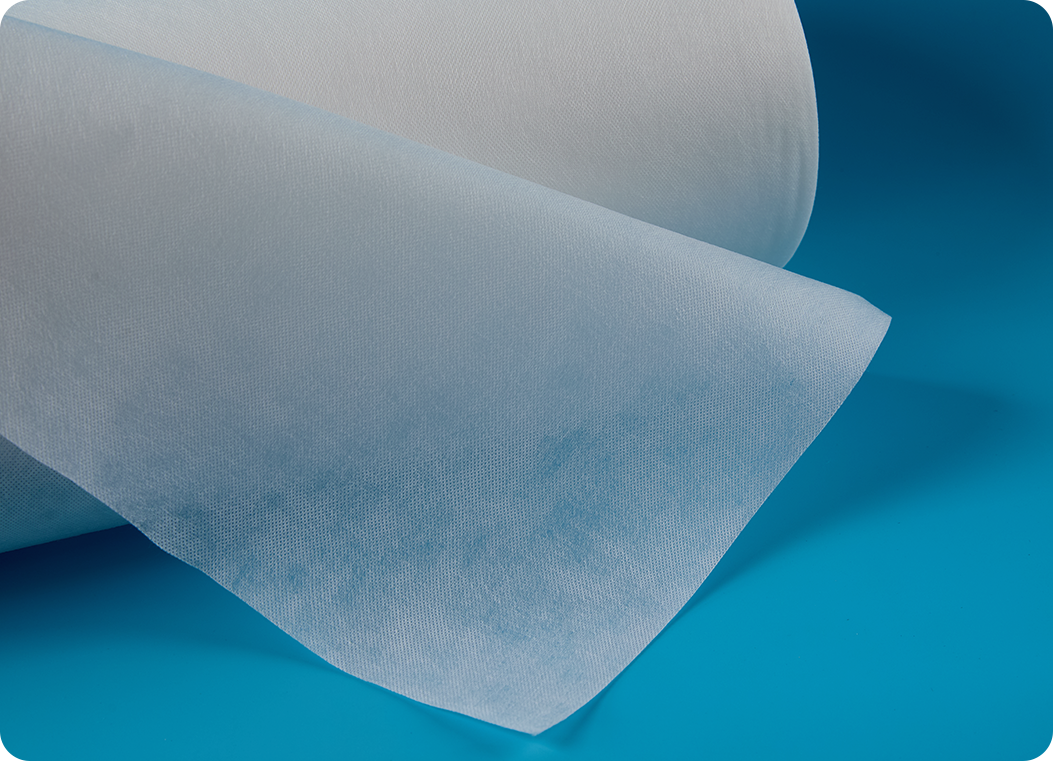
TürkWater soluble nonwoven fabric sits at the intersection of textile engineering and material science, dissolving cleanly in water while behaving like a normal nonwoven during use. That single property opens up applications from embroidery backing to eco-conscious packaging, but choosing the right grade depends on understanding dissolution temperature, GSM, and how it differs from water soluble film.
Content
- 1 What Is Water Soluble Nonwoven Fabric
- 2 Water Soluble Nonwoven Fabric Applications
- 3 Water Soluble Nonwoven Fabric Manufacturing Process
- 4 Water Soluble Nonwoven Fabric Properties
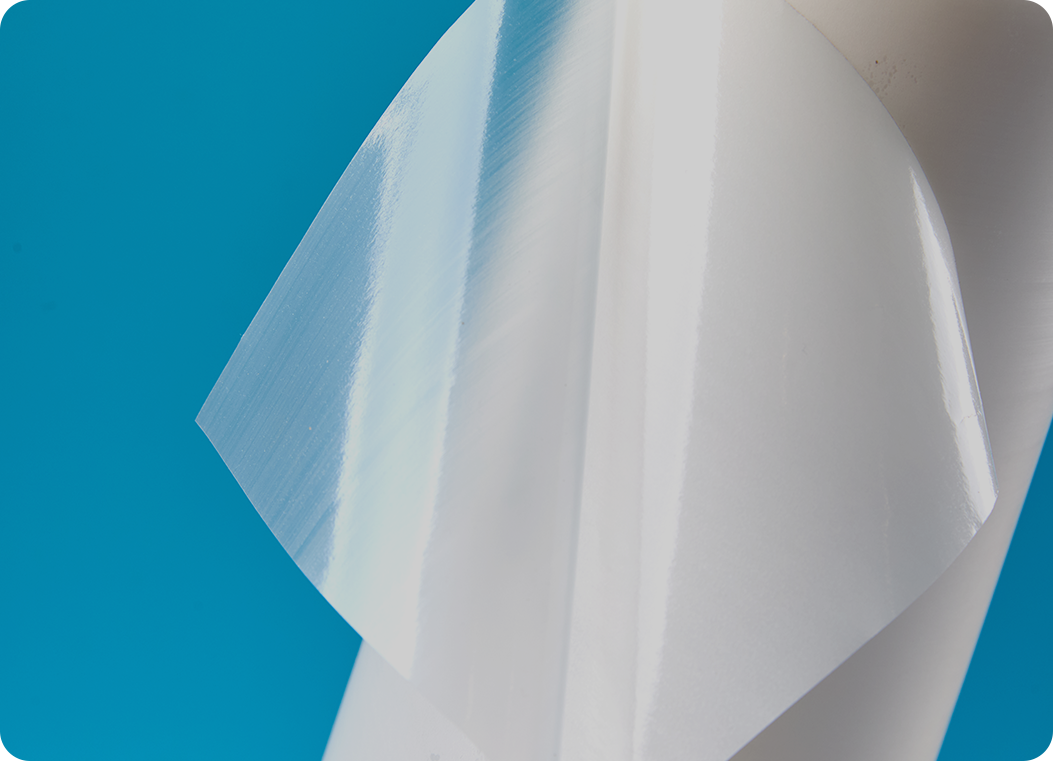
- 5 Water Soluble Nonwoven Fabric vs Water Soluble Film
- 6 Cold Water Soluble vs Hot Water Soluble Nonwoven
- 7 PVA Water Soluble Nonwoven Fabric and Polyvinyl Alcohol Nonwoven Fabric
- 8 Biodegradable and Eco-Friendly Disposable Nonwoven
- 9 Water Soluble Embroidery Backing
- 10 Water Soluble Laundry Bags
- 11 How to Choose Water Soluble Nonwoven Fabric
- 12 Water Soluble Nonwoven Fabric GSM Guide
- 13 Sustainable Nonwoven Materials
What Is Water Soluble Nonwoven Fabric
Water soluble nonwoven fabric is a fibrous, fabric-like material — most commonly made from polyvinyl alcohol (PVA) fibers — that dissolves completely when exposed to water at a specific temperature threshold. Unlike standard nonwovens bonded for permanence, these are engineered so the fiber structure breaks down and disperses in water, leaving no fabric residue behind.
Water Soluble Nonwoven Fabric Applications
Embroidery Backing
Stabilizes fabric during machine embroidery, then dissolves away completely, leaving clean stitching with no residue or cutting required.
Laundry Bags
Used in hospitals and care facilities for infection-control laundry — bags go straight into the washer and dissolve, minimizing handling of contaminated linens.
Agricultural Seed Mats
Holds seeds in place at planting, then dissolves into the soil without leaving synthetic waste behind.
Single-Use Packaging
Used for unit-dose packaging of detergents and chemicals, dissolving on contact with water during use.
Medical and Hygiene Products
Applied in wound care and hygiene products where dissolvable, residue-free materials reduce disposal handling.
Textile Processing Aids
Used as temporary carriers or stabilizers during fabric finishing and lace production, removed by dissolution rather than mechanical separation.
Water Soluble Nonwoven Fabric Manufacturing Process
- Fiber spinning: PVA resin is melt- or wet-spun into fine fibers, with the polymer's molecular weight and hydrolysis degree controlling water solubility characteristics.
- Web formation: Fibers are laid into a web using carding or spunlace techniques to build the nonwoven structure.
- Bonding: The web is bonded — typically through thermal or hydroentanglement methods — carefully calibrated so the fabric holds together in dry or room-temperature use but still dissolves at the target water temperature.
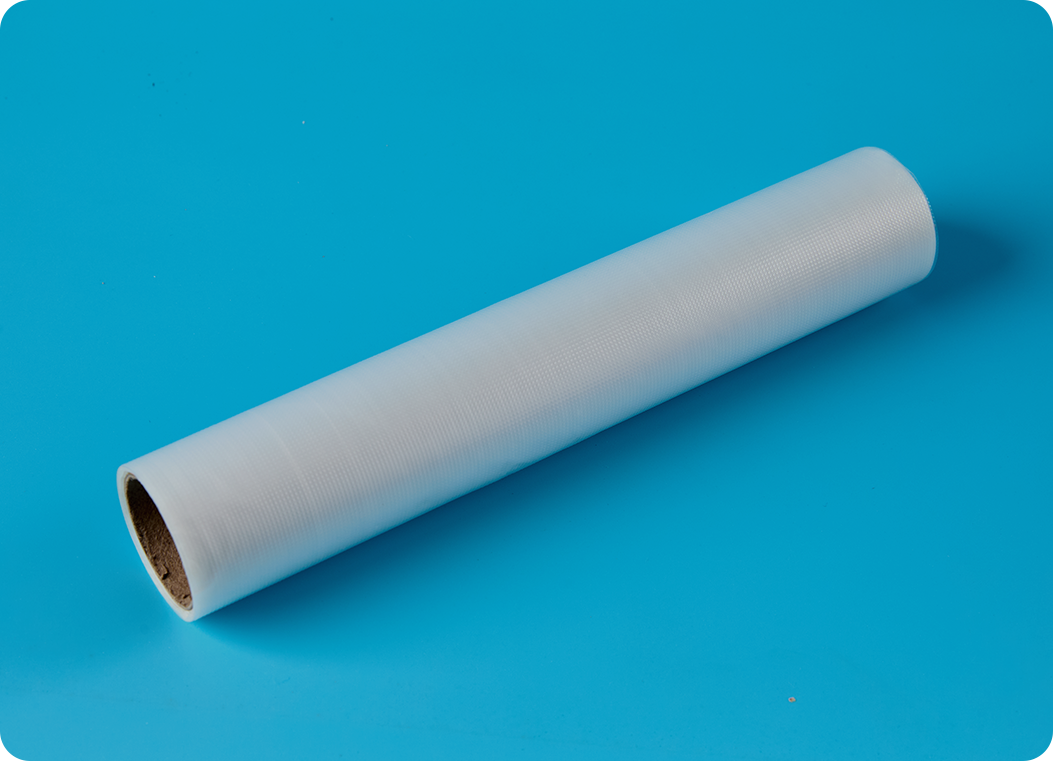
- Finishing and slitting: The bonded fabric is finished, calendared for thickness consistency, then slit and wound to the required width and roll size.
- Quality testing: Batches are tested for dissolution temperature, tensile strength, and GSM consistency before shipment.
Water Soluble Nonwoven Fabric Properties
| Property | Typical Characteristic |
|---|---|
| Dissolution | Complete dissolution in water at a specified temperature threshold, leaving no fiber residue |
| Tensile strength | Moderate to high in dry state, sufficient for machine handling and stitching |
| Biodegradability | PVA-based grades are generally biodegradable under appropriate conditions |
| Breathability | Porous fibrous structure, breathable prior to dissolution |
| Thermal sensitivity | Dissolution rate accelerates with water temperature |
Water Soluble Nonwoven Fabric vs Water Soluble Film
| Factor | Nonwoven Fabric | Film |
|---|---|---|
| Structure | Fibrous, porous, fabric-like | Continuous, non-porous sheet |
| Breathability | Breathable | Not breathable |
| Flexibility / drape | Softer, more fabric-like handling — better for stitching and stabilizing | Stiffer, more suited to wrapping and sealed packaging |
| Common applications | Embroidery backing, laundry bags, textile processing | Unit-dose detergent pods, chemical packaging |
Cold Water Soluble vs Hot Water Soluble Nonwoven
The dissolution temperature is engineered into the polymer's hydrolysis degree during manufacturing, not adjustable after production.
- Cold water soluble: Dissolves in water around room temperature (roughly 20–30°C), suited to embroidery backing and applications requiring quick, low-temperature removal.
- Hot water soluble: Requires elevated temperatures (commonly 60–90°C) to dissolve, used where the fabric needs to remain stable through cold or warm water handling before a deliberate hot-water dissolution step, such as certain laundry and industrial process applications.
PVA Water Soluble Nonwoven Fabric and Polyvinyl Alcohol Nonwoven Fabric
Polyvinyl alcohol (PVA) is the dominant polymer behind water soluble nonwoven fabric, valued for being both water-soluble and biodegradable while still forming strong, spinnable fibers. The degree of hydrolysis (how fully the polymer has been chemically processed) directly controls the dissolution temperature and speed — a key spec buyers should confirm rather than assume, since PVA grades vary significantly between suppliers.
Biodegradable and Eco-Friendly Disposable Nonwoven
PVA-based water soluble nonwovens are frequently marketed as an eco-friendly alternative to conventional synthetic disposables, since the material breaks down in water and is biodegradable under suitable conditions, reducing landfill volume compared to non-dissolving synthetic fabrics. That said, actual biodegradation depends on environmental conditions (moisture, microbial activity, temperature), so claims should specify the testing standard behind them rather than relying on "biodegradable" as an unqualified label.
Water Soluble Embroidery Backing
This is one of the most established uses of the material: the nonwoven is hooped along with the base fabric to stabilize it during stitching, preventing puckering and distortion from the needle's repeated motion. Once embroidery is complete, the piece is rinsed in water and the backing dissolves away entirely, leaving clean stitching with no trimming or residue — a clear advantage over cut-away or tear-away backings that require manual removal.
Water Soluble Laundry Bags
Widely used in healthcare and hospitality settings, these bags are designed to hold soiled or potentially contaminated linens and go directly into the washing machine, where the bag dissolves during the wash cycle. This minimizes direct staff handling of laundry contents, reducing cross-contamination risk — a key reason infection-control laundry protocols increasingly specify water soluble bags over standard textile bags.
How to Choose Water Soluble Nonwoven Fabric
- Confirm dissolution temperature matches the intended process — cold water soluble for embroidery and quick-dissolve uses, hot water soluble where the material needs to survive cooler handling first.
- Check GSM (grams per square meter) against the strength and stiffness needed for the application — heavier GSM for stabilizing thicker fabrics, lighter GSM for delicate embroidery work.
- Verify tensile strength is sufficient for machine handling, especially on high-speed embroidery or converting equipment.
- Confirm biodegradability documentation if the end use requires environmental compliance claims.
- Request dissolution test data from the supplier rather than relying on marketing claims alone, since PVA grade and hydrolysis degree vary between manufacturers.
Water Soluble Nonwoven Fabric GSM Guide
| GSM Range | Typical Use |
|---|---|
| 20–35 gsm | Lightweight embroidery backing, delicate fabric stabilizing |
| 40–60 gsm | General-purpose embroidery backing, standard stabilizing needs |
| 70–100 gsm | Heavy-duty stabilizing, laundry bags, industrial process use |
| 100+ gsm | High-strength applications requiring more robust handling before dissolution |
Sustainable Nonwoven Materials
Water soluble PVA nonwovens are one part of a broader shift toward sustainable nonwoven materials, alongside plant-fiber and recycled-content nonwovens. Their advantage is specifically in end-of-life handling: rather than requiring separate disposal or mechanical removal, the material dissolves as part of normal use, which is particularly valuable in applications like medical disposables and laundry processing where reducing manual waste handling has both environmental and safety benefits.