
 English
 中文简体
中文简体 Türk
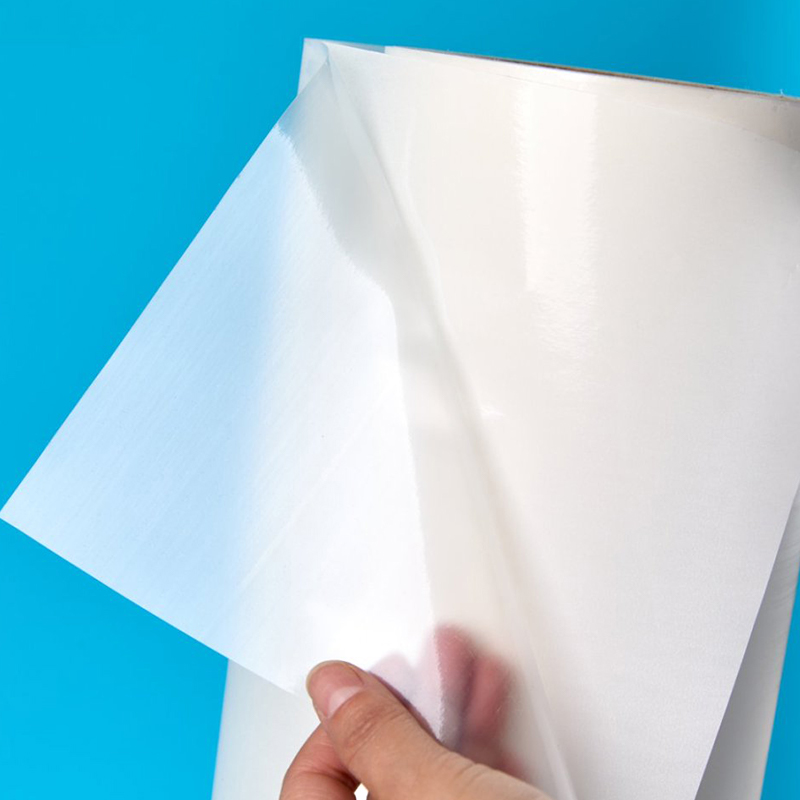
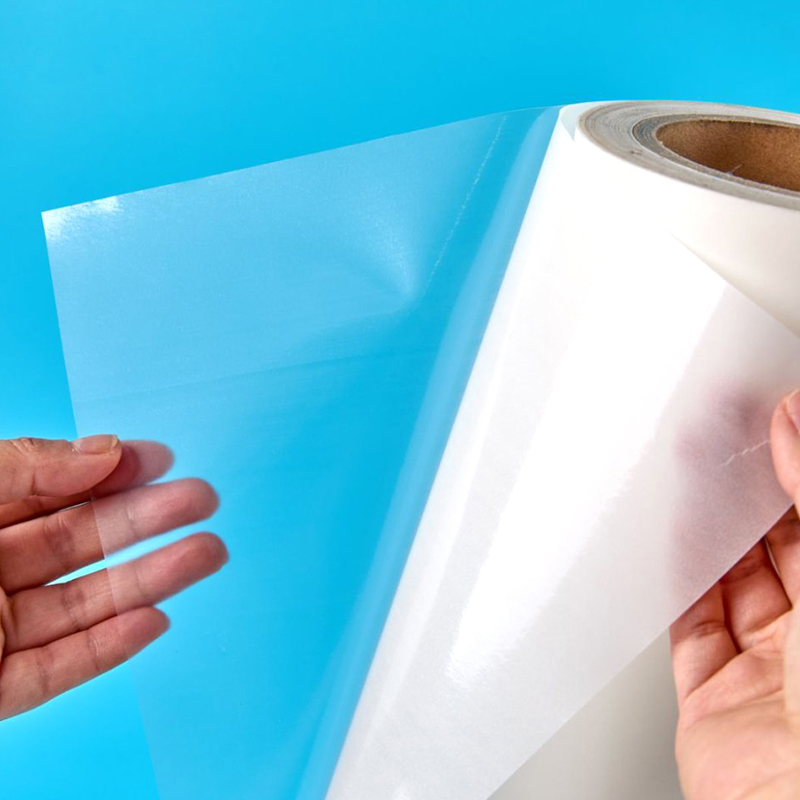
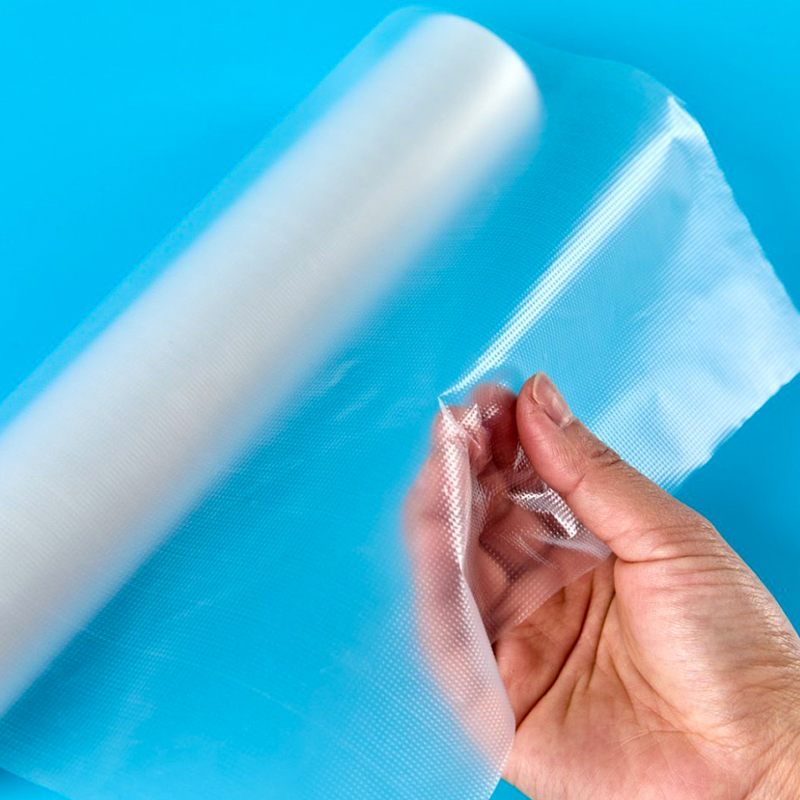
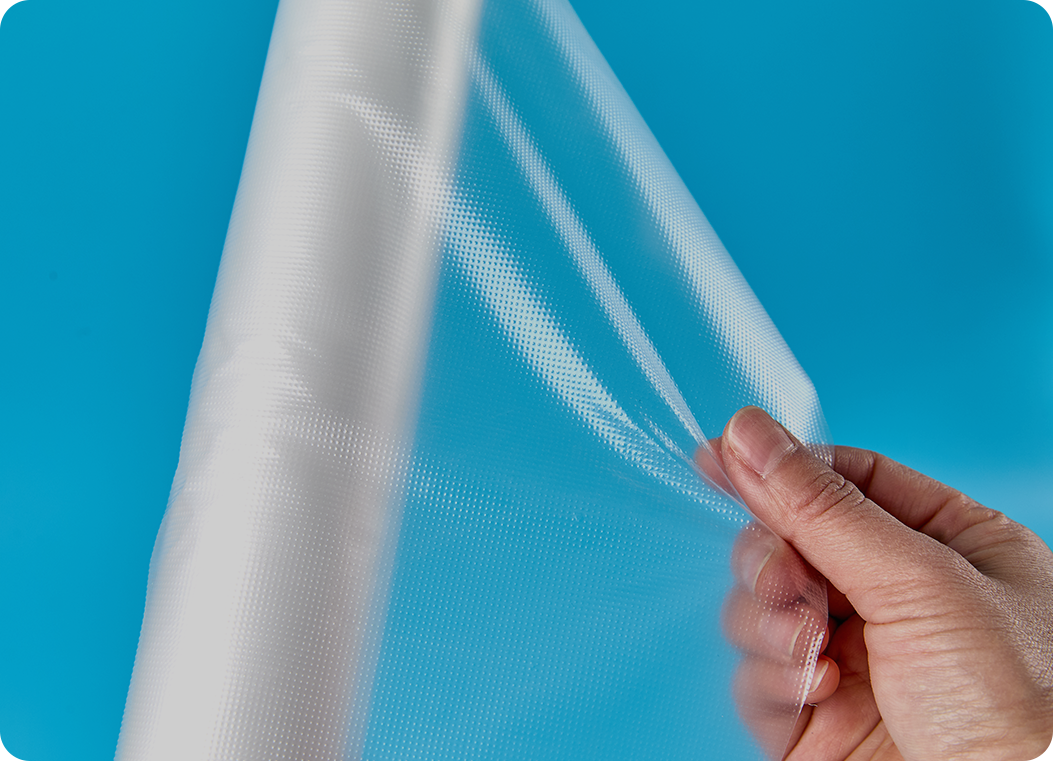
TürkCold water-soluble film dissolves completely in water at temperatures as low as 10–15°C, while standard water-soluble film typically requires 20–30°C or higher to achieve full dissolution. Both are made primarily from polyvinyl alcohol (PVA) and leave no harmful residue, but the dissolution temperature threshold determines which grade suits a given application. If your process involves cold-water washing cycles, cold-climate use, or temperature-sensitive contents, cold water-soluble film is the correct specification. For room-temperature or warm-water applications, standard water-soluble film is often sufficient and lower in cost. The sections below explain the chemistry, performance differences, industry applications, and selection criteria in practical detail.
Content
- 1 What Water-Soluble Film Is and How It Works
- 2 Cold Water-Soluble Film: What Makes It Different
- 3 Comparing Cold Water-Soluble Film and Standard Water-Soluble Film
- 4 Major Applications of Water-Soluble Film by Industry
- 5 Environmental Profile: Biodegradability and Regulatory Status
- 6 How to Select the Right Water-Soluble Film Grade
- 7 Storage, Handling, and Shelf Life Guidelines
What Water-Soluble Film Is and How It Works
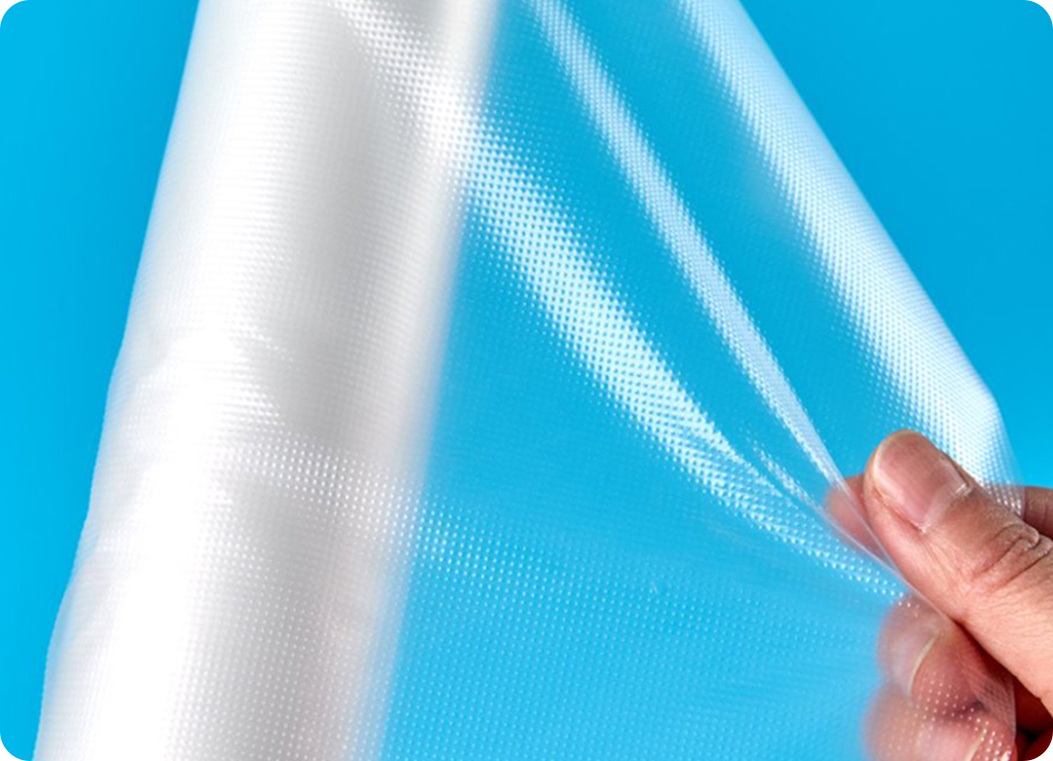
Water-soluble film is a thin polymer film engineered to dissolve completely upon contact with water, leaving no visible or toxic residue. The dominant base material is polyvinyl alcohol (PVA or PVOH), a synthetic polymer produced by the hydrolysis of polyvinyl acetate. PVA's hydroxyl groups (-OH) interact with water molecules through hydrogen bonding, breaking the polymer network and dispersing the material into solution.
The degree of hydrolysis and the molecular weight of the PVA resin are the two primary variables that govern film performance. Fully hydrolyzed PVA (98–99.9% hydrolysis) produces films with higher tensile strength and better resistance to oils and solvents, but requires warmer water to dissolve. Partially hydrolyzed PVA (86–89% hydrolysis) dissolves more readily in cold water because the remaining acetate groups disrupt the crystalline structure of the polymer, making it more accessible to water molecules at lower temperatures.
Key Physical Properties of PVA-Based Water-Soluble Film
- Tensile strength: Typically 30–60 MPa depending on thickness and formulation; sufficient for most packaging and unit-dose pouch applications.
- Elongation at break: 150–400%; high flexibility prevents tearing during filling and sealing operations.
- Thickness range: 15–76 µm for standard film; thicker gauges (50–76 µm) are used for heavy-duty industrial bags or corrosive chemical containment.
- Moisture sensitivity: PVA film absorbs ambient humidity; storage at relative humidity below 65% is required to prevent premature softening or sticking.
- Oxygen barrier: Excellent in dry conditions (OTR <1 cm³/m²/day at 0% RH); barrier performance drops significantly at high humidity, which limits use as a standalone oxygen barrier in moist environments.
Cold Water-Soluble Film: What Makes It Different
Cold water-soluble film is a specifically engineered grade of PVA film formulated to dissolve at water temperatures between 10°C and 20°C — the range that corresponds to cold tap water in most climates. This is achieved through two main formulation strategies: using partially hydrolyzed PVA resins (typically 86–89% hydrolysis) and incorporating plasticizers and modifying agents that increase chain mobility at low temperatures.
The practical significance is considerable. Laundry detergent pods used in cold-wash cycles — now the default setting for many energy-efficient washing machines operating at 15–20°C — require cold water-soluble film to release their contents reliably. Standard (warm/hot water) PVA film in the same application would leave undissolved film residue on fabrics or inside the drum, a significant product quality failure.
Dissolution Rate: Cold vs. Standard Grade
Dissolution rate is typically measured as the time to full visual dissolution of a standard 25 × 25 mm film sample under defined stirring conditions. The difference between grades is significant at low temperatures:
| Water Temperature | Cold Water-Soluble Film | Standard Water-Soluble Film |
|---|---|---|
| 10°C | 60–120 seconds | Does not fully dissolve |
| 15°C | 30–60 seconds | 180–300 seconds (partial) |
| 20°C | 15–30 seconds | 60–120 seconds |
| 30°C | <15 seconds | 20–45 seconds |
| 40°C+ | <10 seconds | <15 seconds |
Trade-Off: Cold Solubility vs. Humidity Resistance
The same partially hydrolyzed chemistry that makes cold water-soluble film dissolve quickly also makes it more sensitive to ambient humidity. In humid manufacturing environments (above 65% RH), cold-grade film can become tacky, dimensionally unstable, or prematurely weakened. Standard (fully hydrolyzed) film tolerates higher ambient humidity more robustly. This trade-off must be factored into storage, handling, and production line design when specifying cold water-soluble film.
Comparing Cold Water-Soluble Film and Standard Water-Soluble Film
| Property | Cold Water-Soluble Film | Standard Water-Soluble Film |
|---|---|---|
| PVA Hydrolysis Degree | 86–89% (partial) | 98–99.9% (full) |
| Min. Dissolution Temperature | 10–15°C | 20–30°C |
| Tensile Strength | 30–45 MPa | 40–60 MPa |
| Humidity Resistance | Moderate (<65% RH) | Good (<75% RH) |
| Oil / Solvent Resistance | Moderate | Good to excellent |
| Heat-Seal Compatibility | Yes | Yes |
| Biodegradability | Yes (aerobic conditions) | Yes (aerobic conditions) |
| Relative Cost | 10–25% higher | Baseline |
Major Applications of Water-Soluble Film by Industry
Water-soluble film — both cold and standard grades — has become essential infrastructure across several industries where precise dosing, operator safety, and waste reduction are priorities.
Laundry and Dishwasher Detergent Pods
Unit-dose laundry pods are the largest volume application for water-soluble film globally. Cold water-soluble film is the mandatory specification for products marketed for cold-wash compatibility, as modern energy-efficient washing programs run at 20°C or below. The film must dissolve within the first few minutes of the wash cycle to release the surfactant, enzyme, and bleach components effectively. Leading brands including Tide PODS and Ariel 3-in-1 PODS use multilayer cold-grade PVA pouches with film thicknesses of 40–65 µm to balance strength during handling with rapid dissolution in the drum.
Agricultural Chemical Packaging
Pesticides, herbicides, and fungicides packaged in water-soluble pouches eliminate direct operator contact with concentrated chemicals during tank mixing. The farmer drops the sealed pouch directly into the spray tank, where water dissolves the film and disperses the chemical without any pouch removal required. Standard water-soluble film (fully hydrolyzed, 50–76 µm) dominates this segment because it offers superior resistance to the hydrocarbon-based solvents present in many agrochemical formulations. The CropLife International and EPA pesticide container guidelines both recognize water-soluble packaging as a valid closed-system handling method for reducing exposure risk.
Hospital and Healthcare Linen Management
Infectious or contaminated laundry in healthcare settings is bagged in cold water-soluble film bags. The sealed bag is placed directly into the washing machine — clinical staff never open it, eliminating cross-contamination risk. The bag dissolves in the wash cycle, releasing the linen for cleaning. Cold water-soluble film is essential here because health and safety protocols typically specify that contaminated linen bags must not be opened before washing, and hospital washing machines operating at thermal disinfection temperatures (60–90°C) still begin their fill cycle with cold water where the bag must survive intact until agitation begins — a nuanced requirement that drives precise dissolution temperature specification.
Industrial and Construction Chemical Packaging
Concrete admixtures, dye concentrates, and water treatment chemicals are increasingly packaged in water-soluble pouches for direct addition to mixing tanks or process vessels. Standard warm-dissolving film is common here, as process water is typically at ambient or elevated temperatures. Film thickness in industrial applications ranges from 50 to 76 µm, providing sufficient puncture and tear resistance to survive warehouse handling and transport without secondary packaging in many cases.
Embroidery and Textile Stabilizers
Cold water-soluble film serves as a stabilizer or topping in machine embroidery, particularly on delicate or pile fabrics like velvet, fleece, and toweling. The film holds the fabric stable during stitching and is then dissolved away with cold water post-embroidery, leaving a clean design without residue. This application requires film that dissolves completely at 15–20°C to avoid heat damage to heat-sensitive substrates — making cold-grade film the only viable specification.
Environmental Profile: Biodegradability and Regulatory Status
PVA-based water-soluble film is widely cited as environmentally preferable to conventional plastic packaging, but the reality requires some nuance. PVA is biodegradable under aerobic conditions in the presence of specific PVA-degrading bacteria (primarily Pseudomonas and Sphingomonas species), which are common in activated sludge wastewater treatment systems. Studies have shown that PVA undergoes >90% biodegradation within 28 days in well-operated municipal wastewater treatment plants.
However, biodegradation is significantly slower in anaerobic conditions (landfill) and in cold, low-microbial-activity environments such as septic systems or natural water bodies. PVA that passes through wastewater treatment without full degradation can persist in receiving waters. This is an area of active regulatory scrutiny, particularly in the EU under the Single-Use Plastics Directive framework, where the classification of PVA film as a "plastic" — and therefore subject to restrictions — remains under discussion as of 2024.
Certifications Relevant to Water-Soluble Film
- OECD 301B (Ready Biodegradability): PVA film meeting this standard demonstrates >60% BOD removal within 28 days under aerobic conditions; a key specification requirement for responsible sourcing programs.
- NSF/ANSI 60: Relevant for water-soluble film used in water treatment chemical packaging; certifies that dissolved film residues are safe at intended use concentrations in drinking water systems.
- REACH compliance: PVA itself is not a substance of very high concern (SVHC) under REACH; however, plasticizers and additives in specific film formulations must be individually verified against the SVHC candidate list.
- EN 13432 (compostability): Some PVA film grades are certified compostable under industrial composting conditions, though home composting certification is not widely available due to temperature and moisture variability.
How to Select the Right Water-Soluble Film Grade
Choosing between cold water-soluble film and standard water-soluble film — and specifying the correct thickness, hydrolysis grade, and additive package — requires matching film properties to the full use-case environment, not just the dissolution step.
- Define the dissolution water temperature: If end-use water temperature is reliably above 30°C, standard film works well and costs less. If water temperature is 10–20°C at any point in the use chain, specify cold-grade film.
- Assess the chemical compatibility of contents: Strong oxidizers, highly alkaline or acidic formulations, and hydrocarbon-based solvents can degrade PVA film during storage. Fully hydrolyzed (standard) grades offer better chemical resistance than partially hydrolyzed (cold) grades; conduct compatibility testing at storage temperature for a minimum of 3 months before commercial launch.
- Specify thickness based on pouch weight and handling: Pouches containing up to 20 g typically use 35–50 µm film; 20–100 g contents require 50–65 µm; industrial bags above 500 g typically use 65–76 µm or laminated constructions.
- Evaluate manufacturing environment humidity: If production line humidity exceeds 60% RH, cold-grade film requires climate-controlled handling areas and sealed roll storage; factor this infrastructure cost into the grade selection decision.
- Confirm regulatory requirements for the end market: Agricultural chemical packaging in the EU and US has specific pouch strength and seal integrity requirements; healthcare linen bags in the UK must meet BS EN ISO 22610 or equivalent infection control standards.
- Request dissolution and seal integrity testing data: Reputable film suppliers provide dissolution curves, heat-seal strength data (minimum 15 N/25 mm for most unit-dose applications), and drop-test results; verify these against your specific pouch geometry and fill weight before committing to volume production.
Storage, Handling, and Shelf Life Guidelines
Both cold water-soluble film and standard water-soluble film are hygroscopic and require controlled storage conditions to maintain performance properties through to the end of their shelf life.
- Temperature: Store at 15–25°C; avoid exposure above 40°C (accelerates plasticizer migration and dimensional change) or below 5°C (increases brittleness and cracking risk on high-speed filling lines).
- Relative humidity: Maintain below 65% RH for cold-grade film and below 75% RH for standard grade; sealed moisture-barrier packaging (typically metallized polyester overwrap) should remain intact until rolls are loaded onto the filling machine.
- Shelf life: Properly stored, most commercial PVA film grades have a shelf life of 24 months from production date; cold-grade film may show more pronounced property drift after 18 months and should be prioritized for earlier use.
- Production line conditions: Maintain filling area at 20–25°C and 40–60% RH; use ionized air bars to manage static charge buildup on film webs, which is a common cause of film-to-film adhesion and feed jams on horizontal form-fill-seal machines.
- Finished pouch storage: Completed unit-dose pouches must be packaged immediately in moisture-barrier secondary packaging (HDPE bottles, foil-laminate bags, or rigid canisters); exposure of finished pouches to ambient humidity above 70% RH can cause pouch-to-pouch sticking within hours.