 English
 中文简体
中文简体 Türk
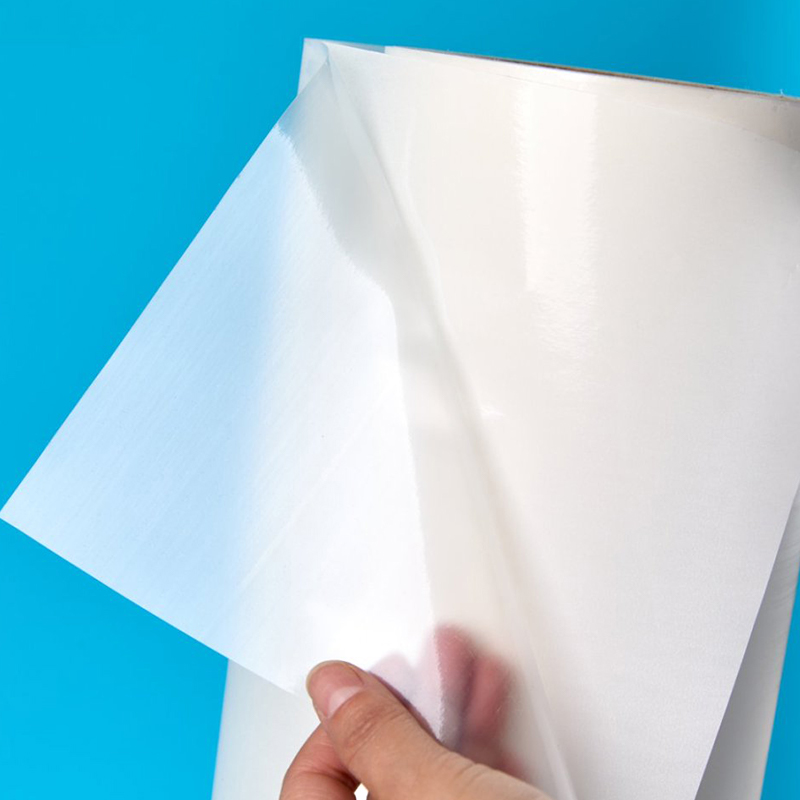
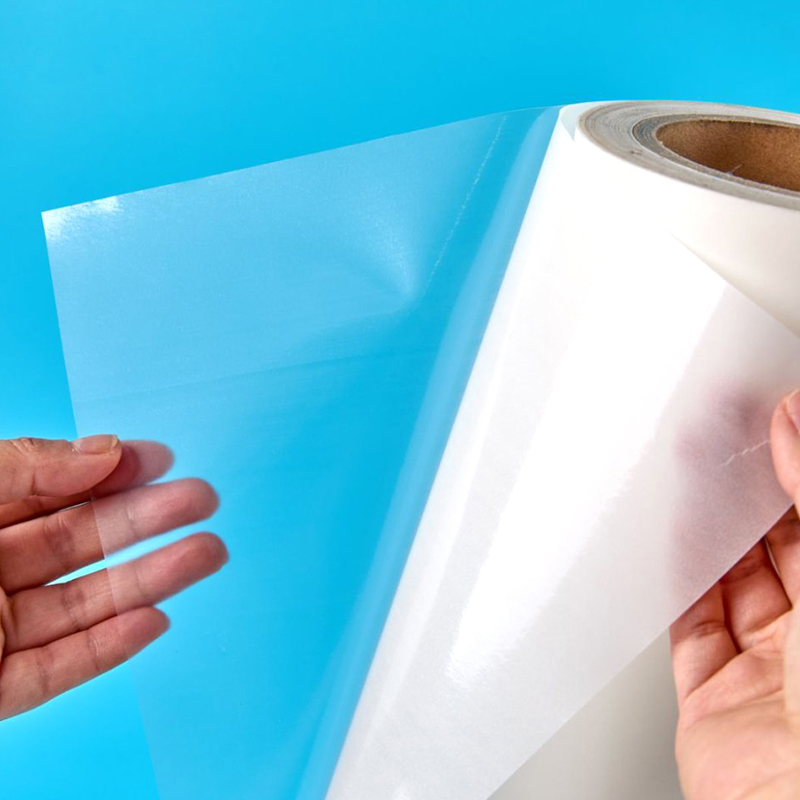
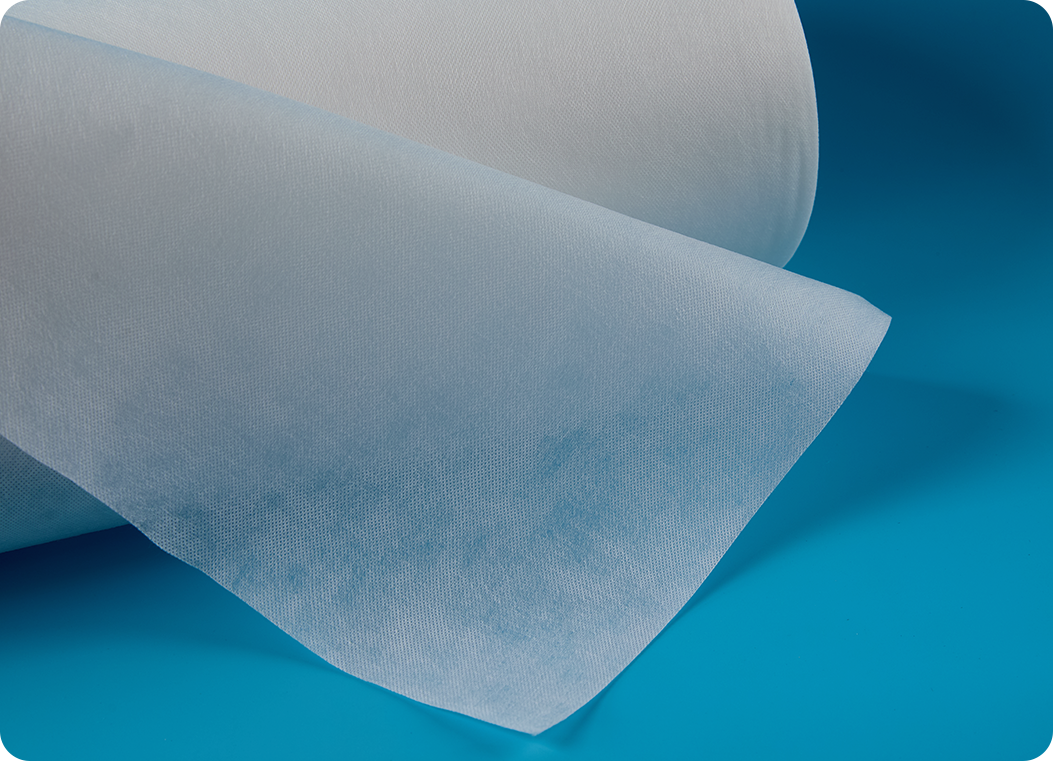
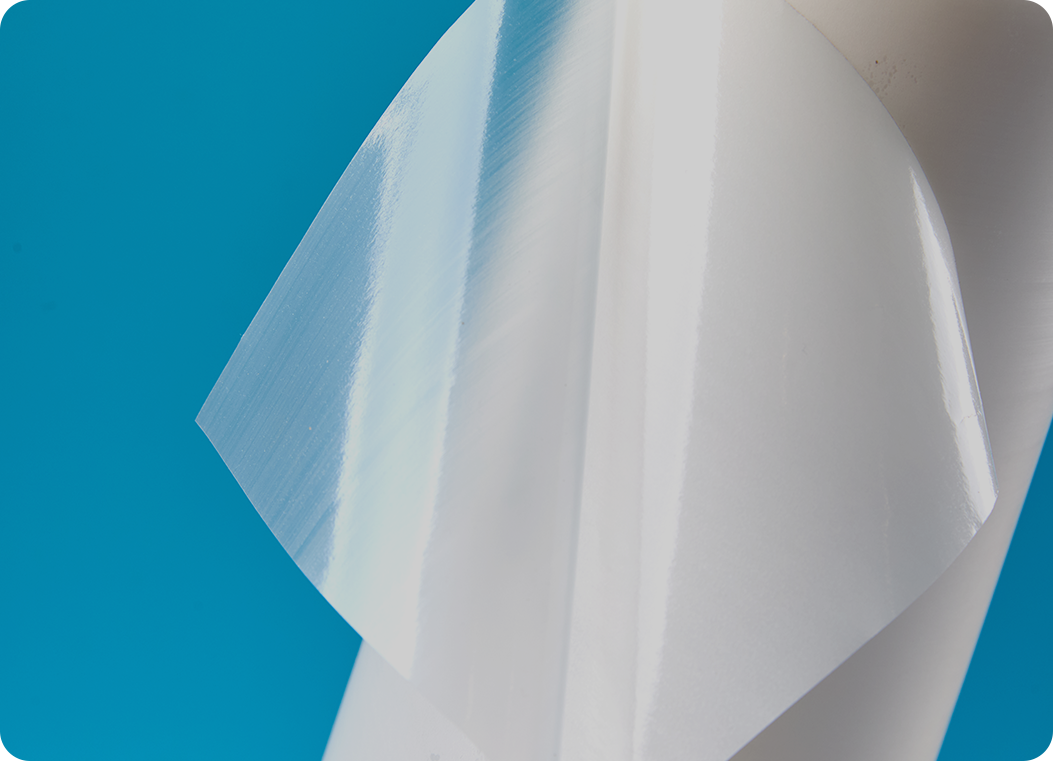
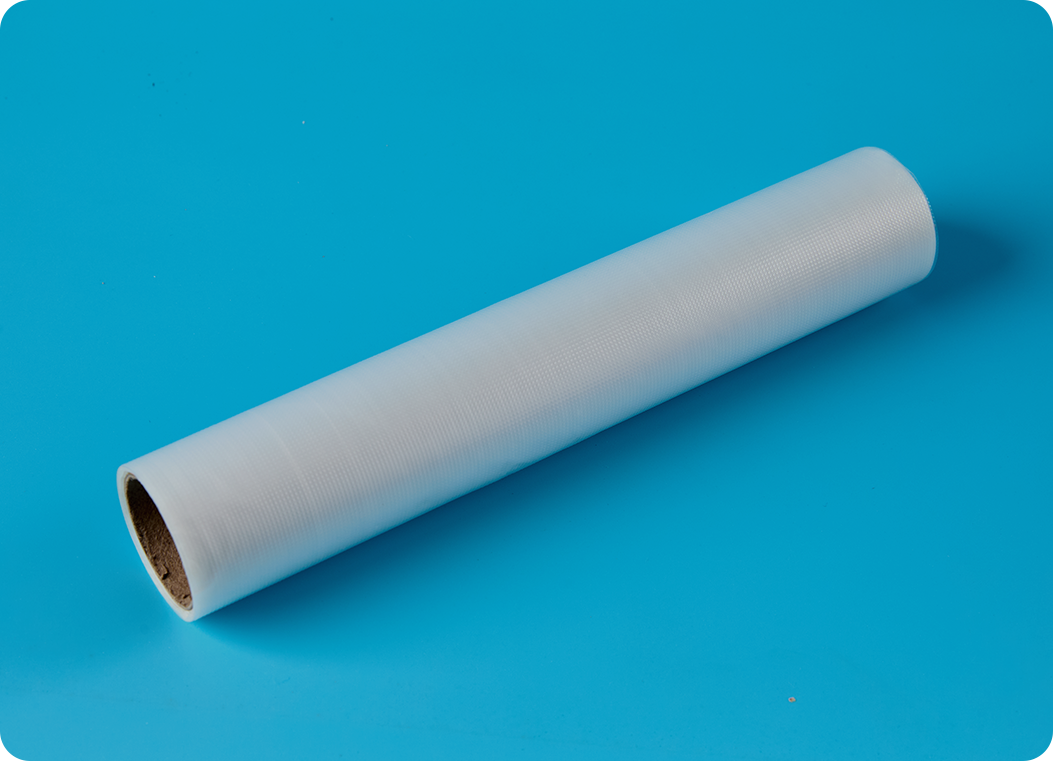
TürkIn modern manufacturing, the shift toward solvent-free bonding solutions has placed Hot Melt Adhesive Films at the forefront of material science. These thermoplastic bonding layers provide a clean, efficient, and high-performance alternative to traditional liquid glues. By utilizing a solid-state film that melts upon heating and solidifies upon cooling, engineers can achieve precise bond lines and structural integrity across diverse substrates. This article explores the technical nuances of hot melt adhesive films, focusing on chemical compositions, bonding parameters, and the advantages of specific polymer types like TPU and PES.
Content
- 1 1. Polymer Chemistry: Understanding Film Bases
- 2 2. Optimizing the Bonding Process
- 3 3. Breathability and Functional Variations
- 4 4. Industrial Applications and Substrate Matching
- 5 5. Conclusion: The Future of Thermoplastic Bonding
- 6 Frequently Asked Questions (FAQ)
- 6.1 1. What is the standard hot melt adhesive film melting point?
- 6.2 2. Why choose TPU hot melt adhesive film for textiles over other types?
- 6.3 3. How do I determine the correct hot melt adhesive film vs liquid glue for my project?
- 6.4 4. Is breathable hot melt adhesive film truly effective?
- 6.5 5. What is the best way of testing hot hot-melting film bond strength?
- 7 Industry References
1. Polymer Chemistry: Understanding Film Bases
The performance of a hot melt adhesive film is primarily dictated by its polymer base. The two most prominent materials in high-end applications are TPU (Thermoplastic Polyurethane) and PES (Polyester). While TPU is prized for its elasticity and soft hand-feel, PES is selected for its rigid structural bond and high thermal resistance. TPU hot melt adhesive film for textiles is the industry standard for seamless garments and functional outdoor wear because it mimics the natural stretch of the fabric. Conversely, PES films are often used in automotive interiors where dimensional stability is paramount. Choosing between these materials requires a deep understanding of the hot melt adhesive film's melting point and the mechanical stress the final product will endure.
Comparison: TPU vs. PES Adhesive Films
TPU offers superior flexibility and elongation at break, whereas PES provides higher chemical resistance and a higher melting threshold for structural applications.
| Property | TPU Hot Melt Film | PES Hot Melt Film |
| Elasticity | Excellent (up to 600% elongation) | Low (Rigid bond) |
| Washing Resistance | Good (Soft feel) | Excellent (High temperature) |
| Bonding Temp Range | 110°C - 150°C | 130°C - 180°C |
| Substrate Compatibility | Lycra, Nylon, Leather | Polyester, Metal, PVC |
2. Optimizing the Bonding Process
Achieving a professional-grade bond requires precise control over three variables: Temperature, Pressure, and Time (TPT). When researching how to apply hot melt adhesive film, engineers must consider the thermal conductivity of the substrates. If the temperature is too low, the film fails to reach its wetting state, leading to delamination. If too high, the polymer may degrade, reducing the molecular weight and bond strength. Utilizing a high-temperature-resistant hot melt film is essential for components that will undergo secondary heat processes, such as automotive dashboards or industrial filters.
Key Factors in Thermal Lamination:
- Activation Temperature: The specific range where the crystalline structure of the film transforms into a molten flow.
- Dwell Time: The duration required for the heat to penetrate the substrate and reach the adhesive interface.
- Pressure Distribution: Ensuring a uniform bond line without air entrapment or " squeeze-out.""
3. Breathability and Functional Variations
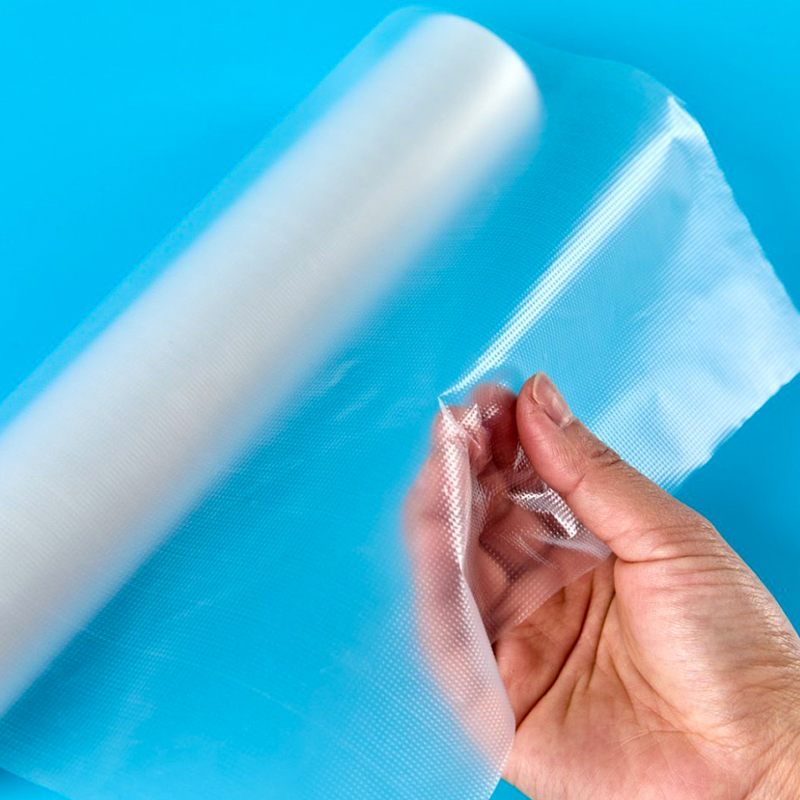
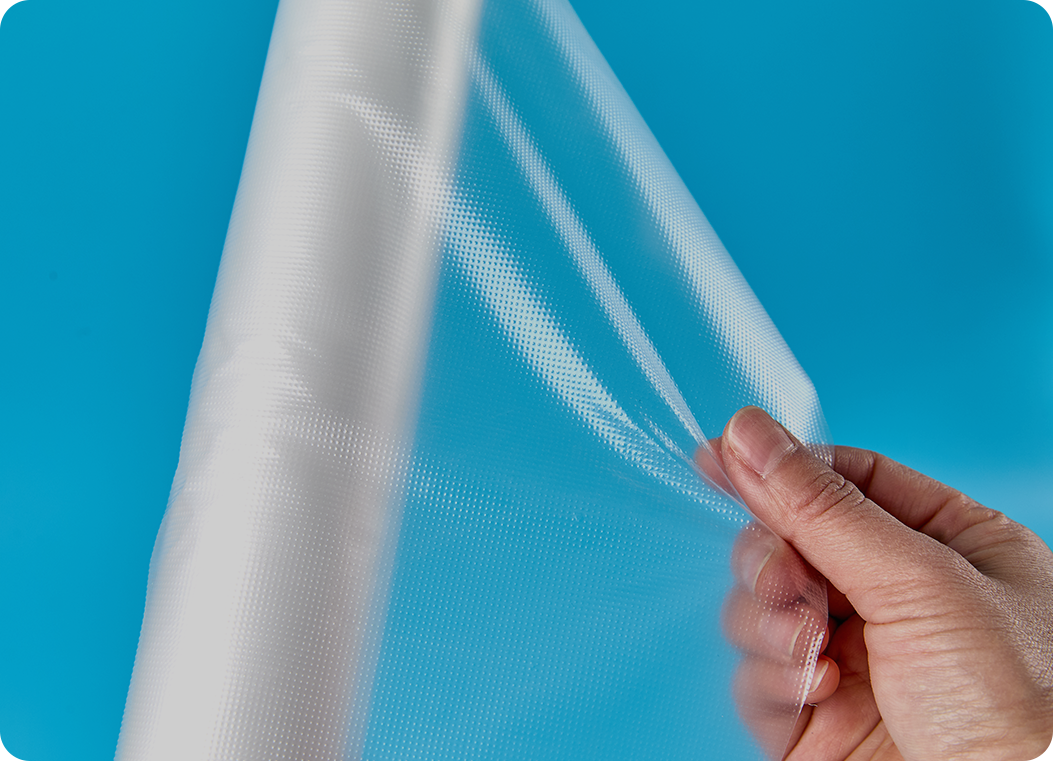
In the apparel and medical industries, bonding must often be achieved without compromising air permeability. This is where breathable hot-melt adhesive film technologies come into play. Unlike solid films, these are often produced as webs or perforated layers. When evaluating hot melt adhesive film vs liquid glue, the film variant offers a significant advantage in maintaining the "breathability" of laminated membranes while eliminating the VOC emissions associated with solvent-based adhesives. For electronic components, conductive hot melt adhesive film variants are engineered with metallic fillers to provide both mechanical adhesion and electrical continuity.
Comparison: Film vs. Liquid Adhesive Systems
Films provide a controlled, uniform thickness that liquid adhesives cannot match, especially in large-scale industrial lamination.
| Feature | Hot Melt Adhesive Films | Liquid Adhesives |
| Uniformity | Guaranteed (Fixed Gauge) | Variable (Manual/Spray application) |
| Environmental Impact | Solvent-free (Green) | Often contains VOCs |
| Processing Speed | Immediate (No drying time) | Slow (Requires curing/evaporation) |
| Storage | Long shelf life (Solid state) | Limited (Pot life concerns) |
4. Industrial Applications and Substrate Matching
The versatility of hot melt adhesive films allows them to bridge the gap between dissimilar materials, such as bonding aluminum to plastic or wood to fabric. For heavy-duty use, a heavy-duty melt adhesive film is engineered with a thicker gauge and higher viscosity polymer to fill gaps in uneven surfaces. In the aerospace sector, flame-retardant hot-melt film is mandatory to meet safety certifications. Properly testing hot melt adhesive film bond strength through T-peel and lap shear tests is the final step in ensuring the assembly meets the rigorous demands of the field.
Common Substrate Pairings:
- Automotive: EPDM rubber to plastic trim using polyolefin-based films.
- Textiles: TPU film for seam sealing waterproof jackets.
- Electronics: Low-melt EVA films for delicate component encapsulations.
5. Conclusion: The Future of Thermoplastic Bonding
As industries move toward automation and sustainability, hot-melt adhesive films will continue to replace mechanical fasteners and chemical glues. The ability to precisely tune the hot melt adhesive film melting point and mechanical properties ensures that whether you are manufacturing a high-performance running shoe or an aerospace interior, there is a thermoplastic solution available to optimize your production line.
Frequently Asked Questions (FAQ)
1. What is the standard hot melt adhesive film melting point?
Standard films usually melt between 80°C and 160°C. However, specialized high-performance films can be engineered to activate as low as 60°C for delicate materials or as high as 220°C for extreme environments.
2. Why choose TPU hot melt adhesive film for textiles over other types?
TPU provides a unique combination of soft hand-feel and high elasticity, making it invisible and comfortable when used in clothing, while still maintaining excellent resistance to domestic washing cycles.
3. How do I determine the correct hot melt adhesive film vs liquid glue for my project?
If your project requires high precision, uniform thickness, and fast processing without drying times, film is the superior choice. Liquid glue is typically reserved for highly complex 3D geometries where a film cannot be easily die-cut or applied.
4. Is breathable hot melt adhesive film truly effective?
Yes. These films are typically produced in a "web" or "nt" form. Because they are non-continuous, they allow moisture vapor to pass through the gaps in the adhesive while still providing enough surface area for a strong bond.
5. What is the best way of testing hot hot-melting film bond strength?
The most common industrial methods are the 180-degree peel test and the lap shear test. These measure the force required to separate the substrates under controlled conditions, ensuring the adhesive meets the required safety margins.
Industry References
- ASTM D903-98: Standard Test Method for Peel or Stripping Strength of Adhesive Bonds.
- ISO 1133: Determination of the Melt Mass-Flow Rate (MFR) of Thermoplastics.
- Handbook of Adhesion Technology: Thermoplastic Film Adhesives Section.
- Technical Textiles International: Innovations in Solvent-Free Lamination.