 English
 中文简体
中文简体 Türk
TürkContent
- 1 Defining Biodegradable Materials
- 2 Common Examples of Biodegradable Materials
- 3 Types of Biodegradable Packaging
- 4 Water-Soluble Film Technology
- 5 Applications of Water-Soluble Packaging
- 6 Nonbiodegradable Materials and Environmental Impact
- 7 Certification Standards and Testing Protocols
- 8 Future Trends and Market Developments
Defining Biodegradable Materials
Biodegradable materials decompose naturally through microbial action into water, carbon dioxide, and biomass within a reasonable timeframe, typically ranging from several weeks to a few years depending on environmental conditions. This process distinguishes biodegradable items from nonbiodegradable counterparts that persist in ecosystems for centuries. The global biodegradable packaging market reached 12.5 billion dollars in 2024 and projects annual growth exceeding 15% through 2030, driven by regulatory pressures and consumer environmental awareness.
Understanding what is biodegradable and nonbiodegradable requires examining decomposition mechanisms. Biodegradable substances break down through enzymatic reactions facilitated by bacteria, fungi, and other microorganisms. Nonbiodegradable materials including conventional plastics, certain metals, and synthetic rubber resist microbial attack, accumulating in landfills and natural environments indefinitely.
Common Examples of Biodegradable Materials
Organic Matter Categories
Natural biodegradable items examples encompass diverse organic substances that return nutrients to soil cycles:
- Food waste and agricultural residues decomposing within 2-6 months
- Paper and untreated wood products breaking down in 2-5 months
- Natural textiles including cotton, wool, silk, and leather degrading in 1-5 years
- Animal waste and bone matter composting within 3-12 months
Engineered Biodegradable Polymers
Scientific advancement has produced synthetic biodegradable materials matching conventional plastic functionality:
| Material Type | Source | Decomposition Time | Primary Applications |
|---|---|---|---|
| PLA | Corn starch | 3-6 months | Food packaging, utensils |
| PHA | Bacterial fermentation | 3-9 months | Medical devices, bags |
| PBAT | Petrochemical/synthetic | 6-12 months | Flexible film, mulch |
| Starch blends | Potato/corn starch | 2-4 months | Loose fill, containers |
Polylactic acid (PLA) represents the most widely commercialized biodegradable polymer, with global production capacity exceeding 300,000 metric tons annually. These materials require industrial composting facilities with temperatures above 55 degrees Celsius for optimal decomposition.
Types of Biodegradable Packaging
Food Service Applications
The food industry leads adoption of types of biodegradable packaging, driven by single-use plastic bans across 127 countries. Key implementations include:
- Bagasse containers made from sugarcane fiber replacing Styrofoam
- Mushroom-based packaging grown from agricultural waste
- Seaweed-based edible packaging for dry goods and condiments
- Cellulose films coated with plant waxes for moisture barrier
E-commerce and Shipping Materials
E-commerce packaging generates 140 million tons of plastic waste annually, accelerating demand for biodegradable alternatives. Corrugated cardboard with biodegradable adhesives, cornstarch packing peanuts dissolving in water, and paper-based bubble wrap substitutes demonstrate viable replacements for conventional shipping materials.
Water-Soluble Film Technology
PVOH Film Composition and Properties
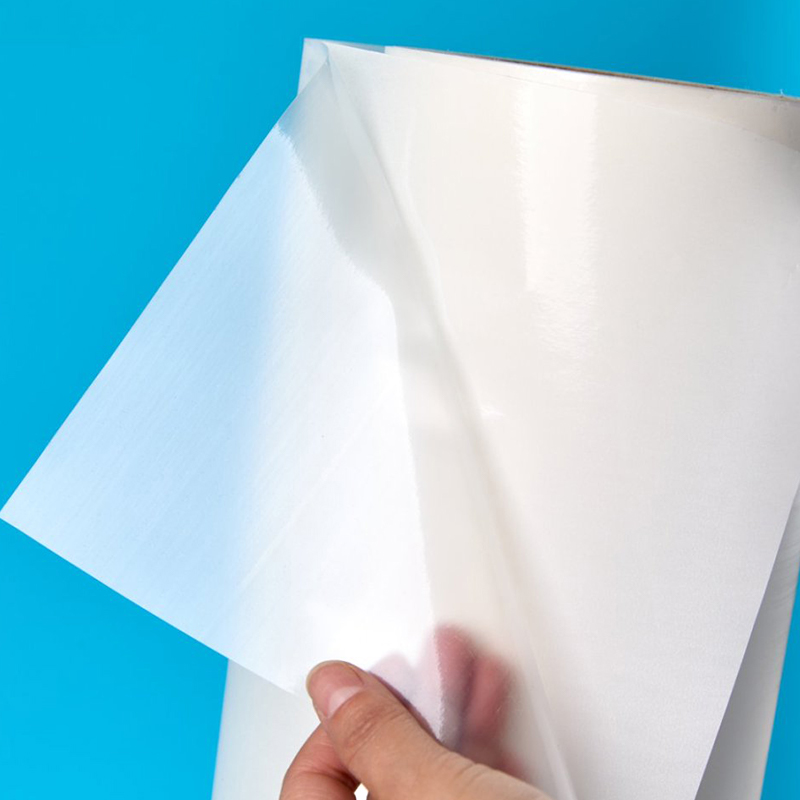
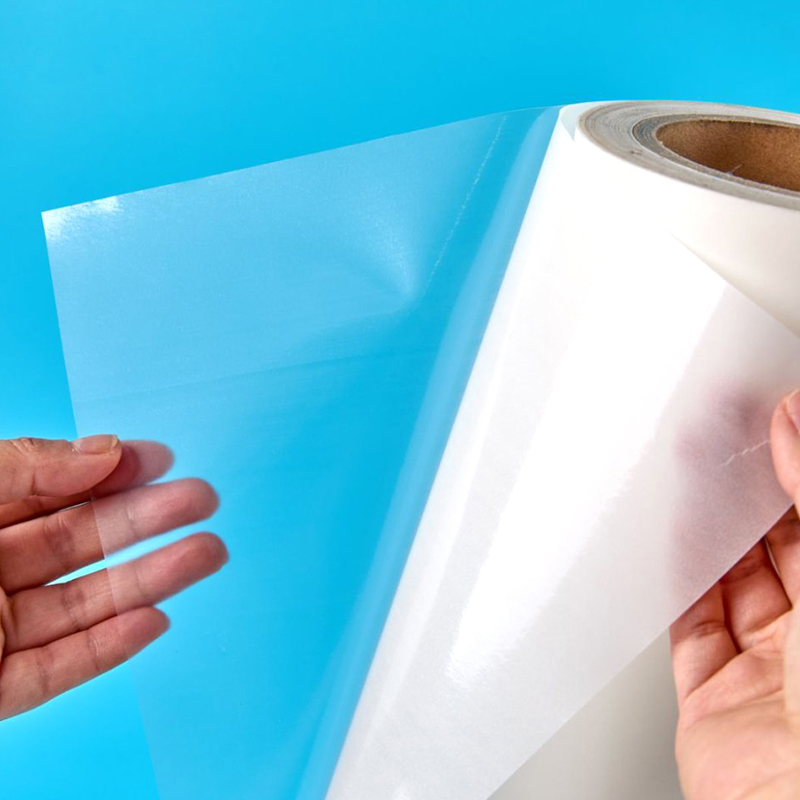
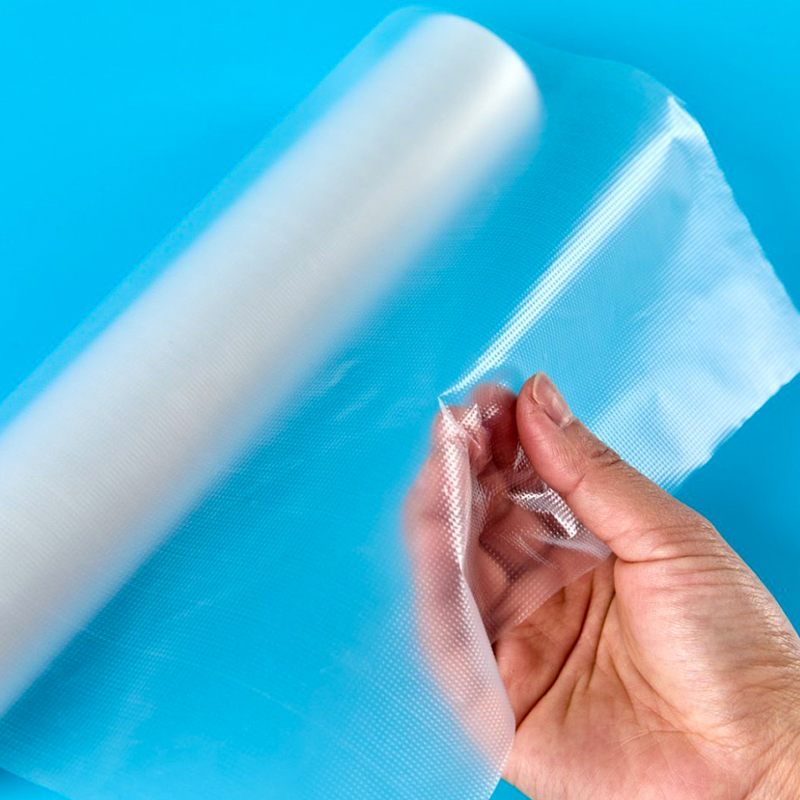
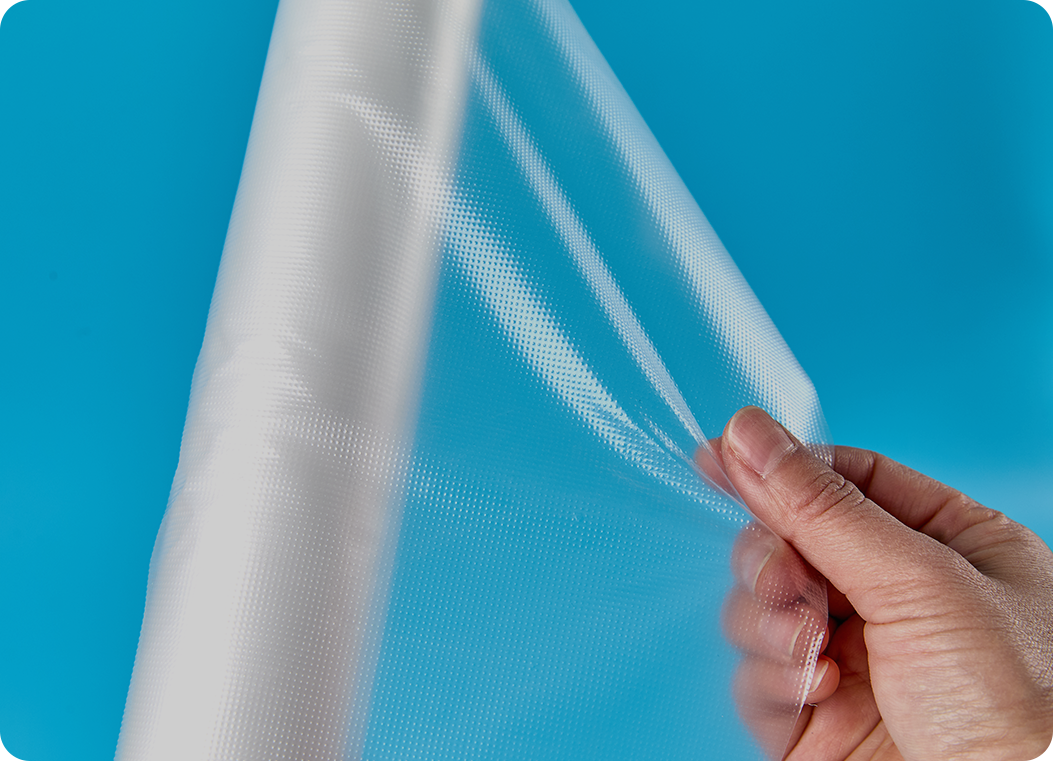
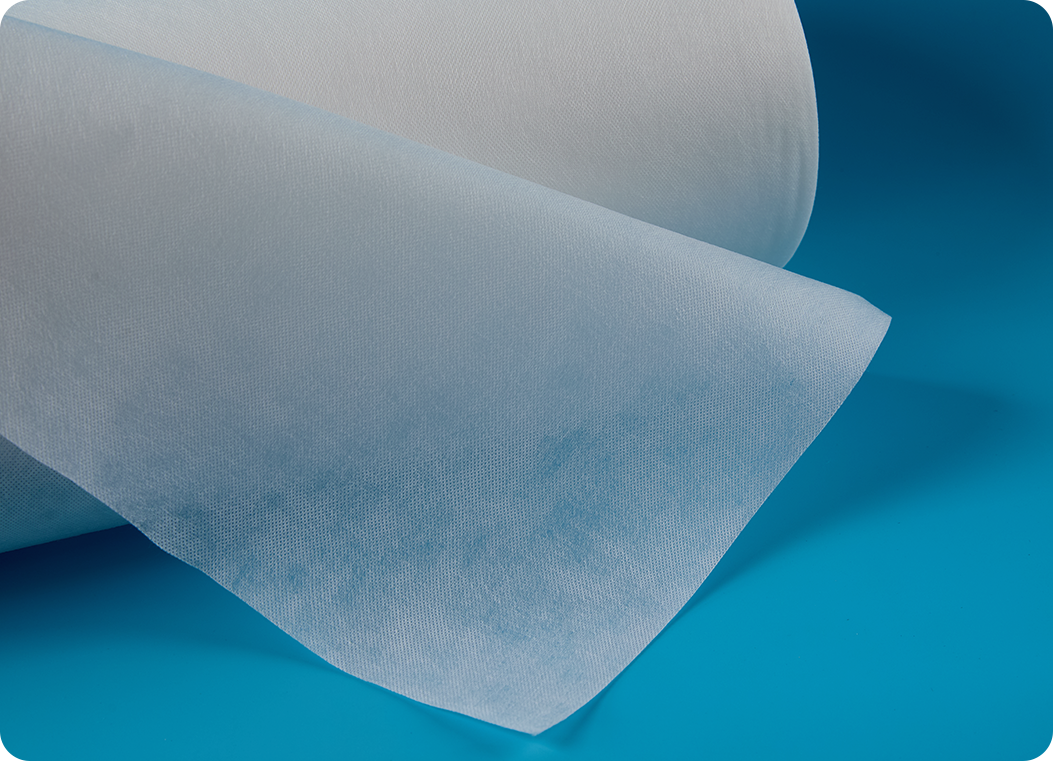
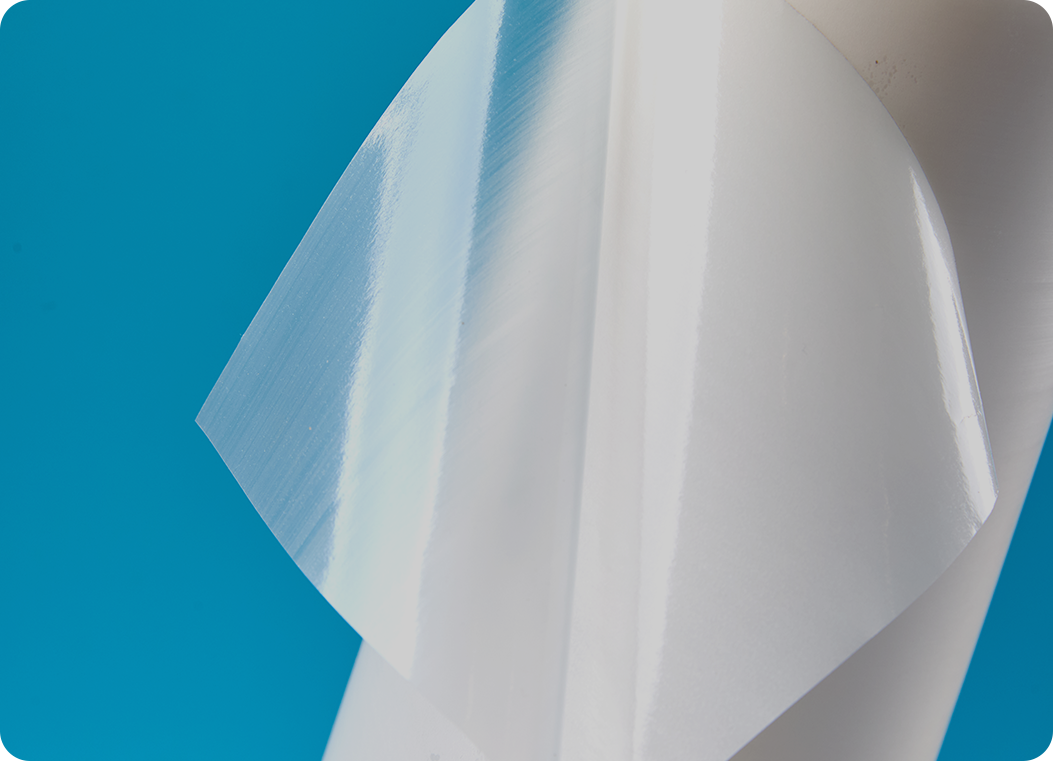
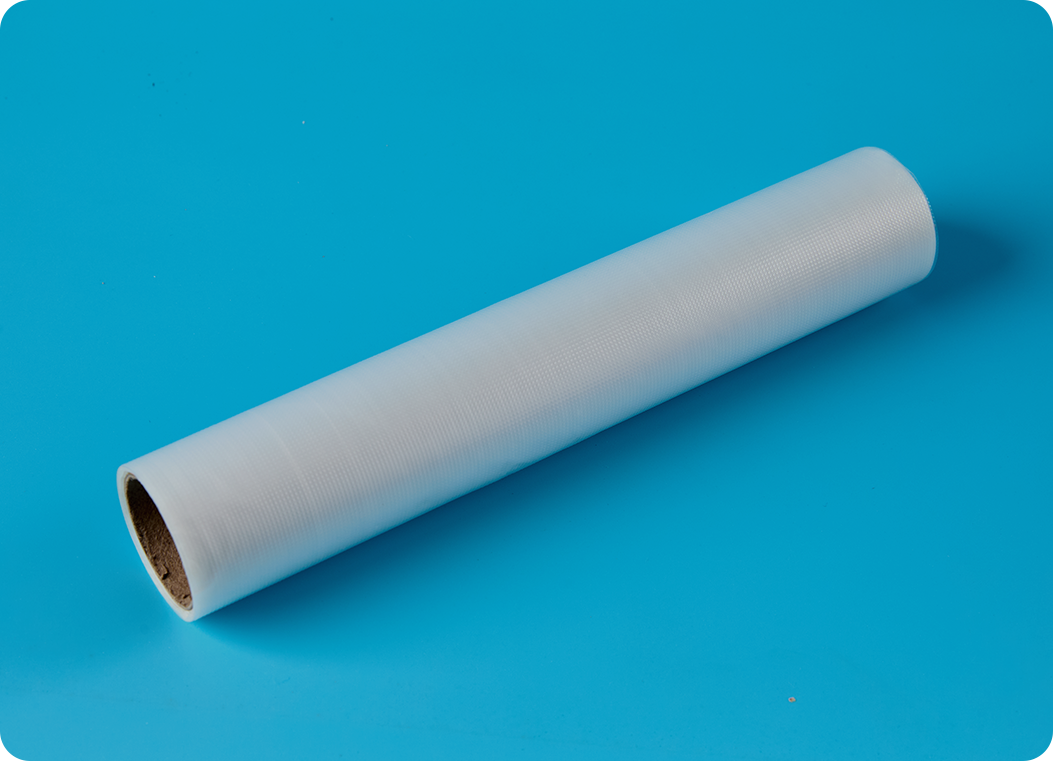
Water-soluble film primarily consists of polyvinyl alcohol (PVOH or PVA), a synthetic polymer uniquely soluble in water while maintaining excellent mechanical properties when dry. Unlike conventional plastics requiring centuries to degrade, PVOH film dissolves completely in water within minutes to hours depending on temperature and thickness, leaving no microplastic residue.
The dissolution process involves hydrogen bonding between water molecules and PVOH hydroxyl groups, causing the polymer chains to separate and disperse. Cold water soluble grades dissolve below 15 degrees Celsius, while hot water soluble variants require temperatures above 60 degrees Celsius, enabling controlled release applications.
PV Biodegradable Water-Soluble Film Innovations
PV biodegradable water-soluble film represents enhanced formulations incorporating bio-based additives and modified polymer structures to accelerate biodegradation after dissolution. Standard PVOH biodegrades slowly in anaerobic environments, but PV formulations achieve 90% mineralization within 28 days under aerobic conditions according to OECD testing protocols.
These advanced films maintain tensile strengths of 20-40 MPa and elongation at break of 200-400%, comparable to polyethylene films. Thickness ranges from 20 to 100 microns accommodate diverse packaging requirements from single-dose detergents to agricultural chemical containment.
Applications of Water-Soluble Packaging
Detergent and Chemical Packaging
Unit-dose detergent pods represent the largest commercial application of water-soluble film, with global market value exceeding 6 billion dollars. The film encapsulates concentrated cleaning agents, dissolving completely during washing cycles without package waste. Agricultural applications include pesticide and fertilizer pouches that farmers drop directly into spray tanks, eliminating exposure to toxic chemicals during handling.
Medical and Hygiene Products
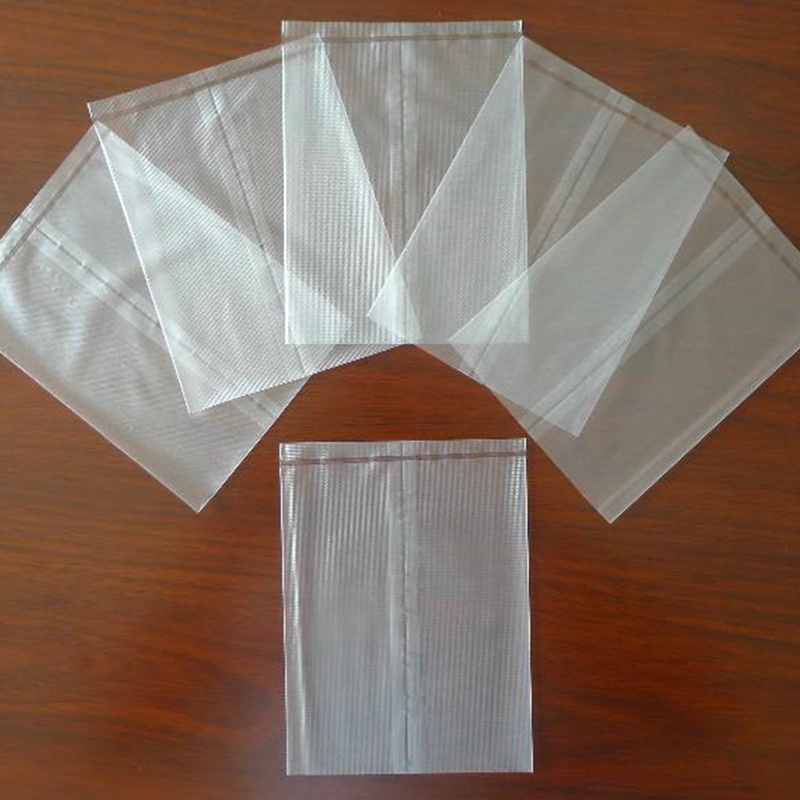
Hospitals utilize water-soluble laundry bags for contaminated linens, reducing infection transmission risks. The bags dissolve in industrial washing machines, releasing contents without staff contact. Similar technology packages disposable toilet seat covers and feminine hygiene products for flushable, biodegradable disposal.
Embroidery and Textile Manufacturing
Water-soluble backing films enable complex embroidery on delicate fabrics. The stabilizing film washes away after stitching completion, leaving no residual bulk. This application consumes approximately 15,000 tons of PVOH film annually in the textile industry alone.
Nonbiodegradable Materials and Environmental Impact
Persistent Pollutants
Nonbiodegradable materials dominating modern consumption include:
- Polyethylene terephthalate (PET) bottles persisting for 450 years
- High-density polyethylene (HDPE) containers lasting 500 years
- Polystyrene foam requiring 500+ years for decomposition
- Aluminum cans with 200-year degradation timelines
- Glass bottles persisting for 1 million years in landfill conditions
Microplastic Generation
Conventional plastics fragment into microplastics smaller than 5 millimeters before complete decomposition. These particles contaminate marine ecosystems, enter food chains, and accumulate in human tissues. Studies detect microplastics in 90% of bottled water and 83% of tap water samples globally, highlighting the urgency of transitioning to truly biodegradable alternatives.
Certification Standards and Testing Protocols
International Certification Bodies
Legitimate biodegradable claims require verification through standardized testing. The American Society for Testing and Materials (ASTM D6400) and European Standard EN 13432 define compostability criteria requiring 90% biodegradation within 180 days under controlled conditions. The Biodegradable Products Institute (BPI) and TÜV Austria provide third-party certifications recognized globally.
Home vs Industrial Composting Distinctions
Many biodegradable items require industrial composting facilities maintaining 55-60 degrees Celsius and specific humidity levels. Home composting systems rarely achieve these conditions, causing materials to persist longer than advertised. Products certified as OK Compost HOME undergo additional testing for backyard decomposition viability.
Future Trends and Market Developments
Emerging Material Technologies
Research institutions develop next-generation biodegradable materials including bacterial cellulose grown from kombucha cultures, chitosan extracted from crustacean shells for antimicrobial packaging, and self-healing biopolymers extending product lifecycles before biodegradation. Investment in biodegradable packaging startups reached 4.2 billion dollars in 2023, indicating sustained industry transformation.
Regulatory Landscape Evolution
The European Union mandates 55% plastic packaging recycling by 2030 and restricts single-use plastics, creating regulatory momentum for biodegradable alternatives. Similar legislation expands across North American and Asian markets, establishing biodegradable packaging as the default rather than niche option within the next decade.