
 English
 中文简体
中文简体 Türk
TürkContent
Why Biodegradable Packaging Matters
Conventional plastic packaging is designed to last — and that durability is precisely the problem. Standard polyethylene and polypropylene films can persist in landfills and marine environments for 400 to 1,000 years, fragmenting into microplastics that accumulate in soil, waterways, and food chains long after their contents have been consumed. With global plastic production exceeding 400 million metric tons annually as of 2023, and packaging accounting for roughly 40% of that total, the case for biodegradable alternatives has never been more urgent.
Biodegradable packaging addresses this by using materials that can be broken down by microorganisms — bacteria, fungi, and algae — under natural or controlled conditions, returning to water, carbon dioxide, and biomass without leaving persistent synthetic residues. The shift is being driven simultaneously by tightening regulation (the EU's Single-Use Plastics Directive, China's plastic restriction policies, and similar frameworks across 60+ countries), evolving consumer expectations, and accelerating material science that is closing the performance gap with conventional plastics.
Advantages of Biodegradable Packaging
The benefits of switching to biodegradable packaging extend across environmental, commercial, and operational dimensions. The most significant advantages are:
Reduced Environmental Persistence
Certified compostable packaging materials break down within 90 to 180 days under industrial composting conditions (as defined by EN 13432 in Europe and ASTM D6400 in the United States), compared to centuries for conventional plastics. Materials that meet home compostability standards decompose at ambient temperatures, eliminating the need for industrial infrastructure entirely. This dramatically reduces the volume of packaging waste entering landfill and the risk of environmental contamination from packaging that escapes the waste stream.
Lower Carbon Footprint Across the Lifecycle
Plant-based biodegradable materials — such as polylactic acid (PLA) derived from corn starch, or cellulose films from wood pulp — sequester atmospheric CO₂ during crop growth, partially offsetting emissions from manufacturing and end-of-life decomposition. Life-cycle assessments consistently show that bio-based packaging carries a 30–70% lower carbon footprint than petroleum-derived equivalents across comparable applications, though the exact figure varies by material, production method, and regional energy grid.
Regulatory Compliance and Market Access
As single-use plastic bans expand across major markets, biodegradable packaging transitions from a brand differentiator to a compliance requirement. Companies that build biodegradable packaging into their supply chains now are better positioned to meet evolving regulations without disruptive reformulations, and gain access to markets — particularly in the EU and premium retail channels — where sustainability credentials are an entry condition rather than a bonus.
Consumer Brand Value
Multiple consumer surveys indicate that over 60% of global consumers are willing to pay a premium for sustainably packaged products. Biodegradable packaging communicates environmental responsibility at the point of sale — particularly relevant for food, personal care, and e-commerce brands where packaging is the primary physical touchpoint with the end customer.
Soil Health Benefits in Agricultural Contexts
When biodegradable packaging enters a composting stream, it contributes organic matter that improves soil structure, water retention, and microbial activity. Agricultural mulch films made from certified compostable materials can be tilled directly into soil after harvest, eliminating the labor and cost of manual plastic film collection — a significant operational benefit for large-scale produce growing operations.
Biodegradable Food Packaging Materials
Food packaging presents a particularly demanding set of requirements: materials must provide adequate barrier properties against moisture, oxygen, and grease; maintain structural integrity during transport and storage; meet food contact safety regulations; and do so at commercially viable cost. The following biodegradable materials are currently in active food packaging use:
| Material | Source | Key Properties | Typical Food Applications |
|---|---|---|---|
| Polylactic Acid (PLA) | Corn starch, sugarcane | Clear, rigid, good moisture barrier | Cold drink cups, deli containers, produce clamshells |
| Cellulose Film | Wood pulp | Transparent, grease-resistant, printable | Bakery wrap, confectionery twist wrap |
| Molded Pulp (bagasse / bamboo) | Sugarcane fiber, bamboo | Structural rigidity, heat resistance | Takeaway trays, plates, egg cartons |
| Starch-Based Film | Potato, tapioca, corn starch | Flexible, home-compostable, water-sensitive | Dry food pouches, snack wraps |
| PHA (Polyhydroxyalkanoates) | Microbial fermentation | Marine-biodegradable, versatile properties | Films, coatings, flexible pouches |
| PVA / PVOH Water-Soluble Film | Polyvinyl alcohol (synthetic, water-soluble) | Dissolves in water, strong barrier to oils and gases | Single-serve pods, portion packs, dissolvable liners |
Material selection for food packaging always involves balancing biodegradability against performance. PLA, for example, offers excellent clarity and rigidity for cold applications but softens above 60°C, limiting its use with hot foods. Molded bagasse trays handle microwave temperatures well but provide limited moisture barrier without additional coating. No single biodegradable material replicates the full performance envelope of conventional plastics across all food categories — which is why multi-material innovation and application-specific selection remain active areas of development.
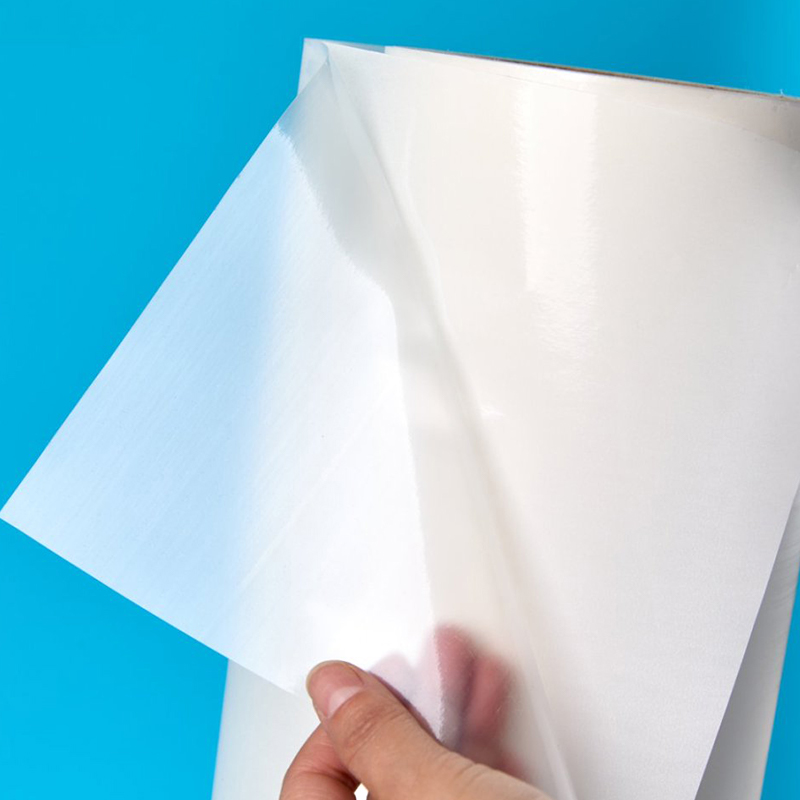
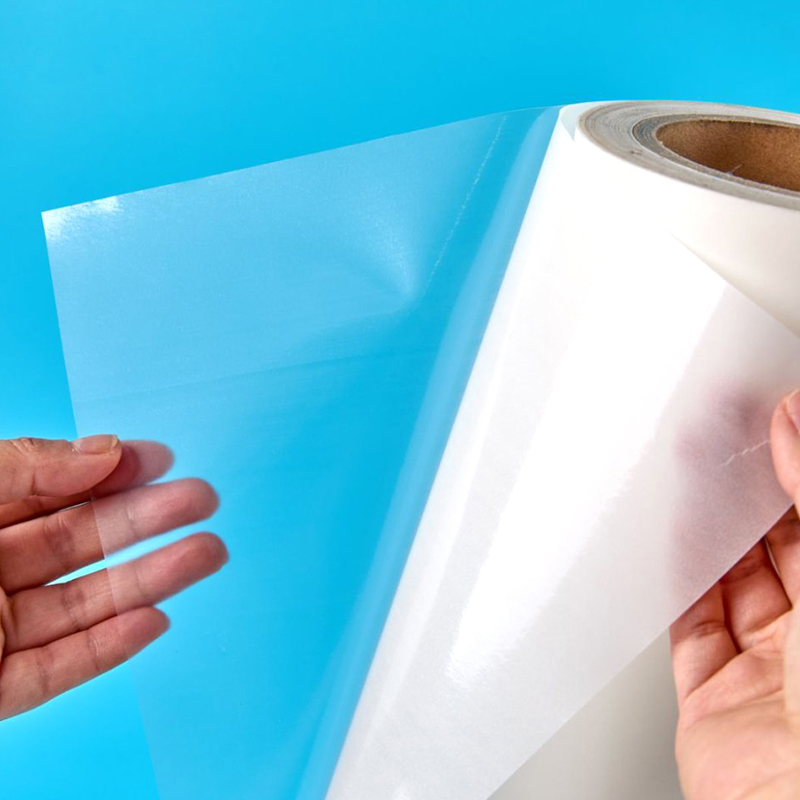
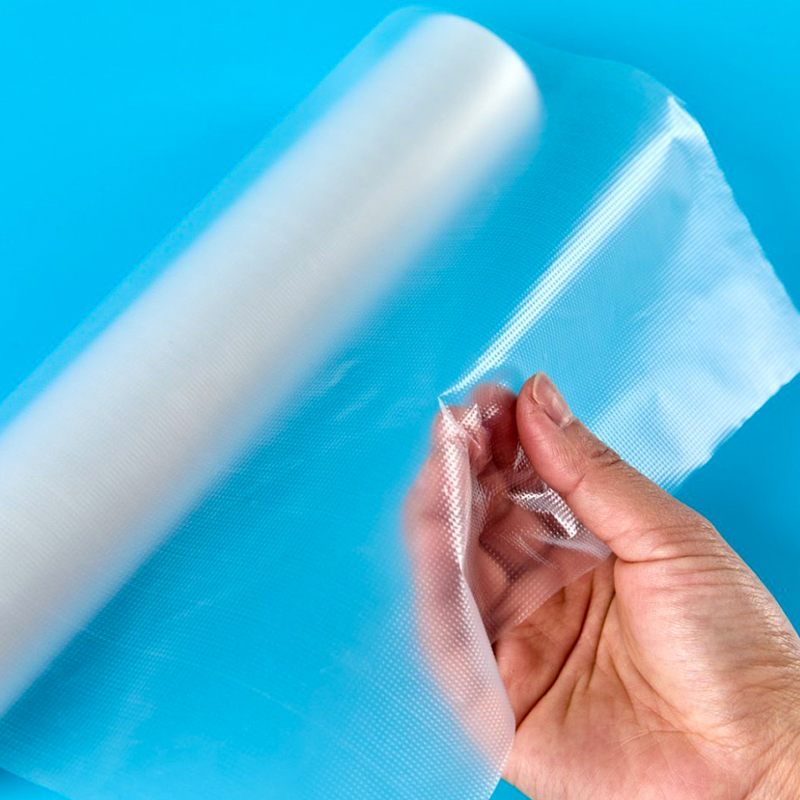
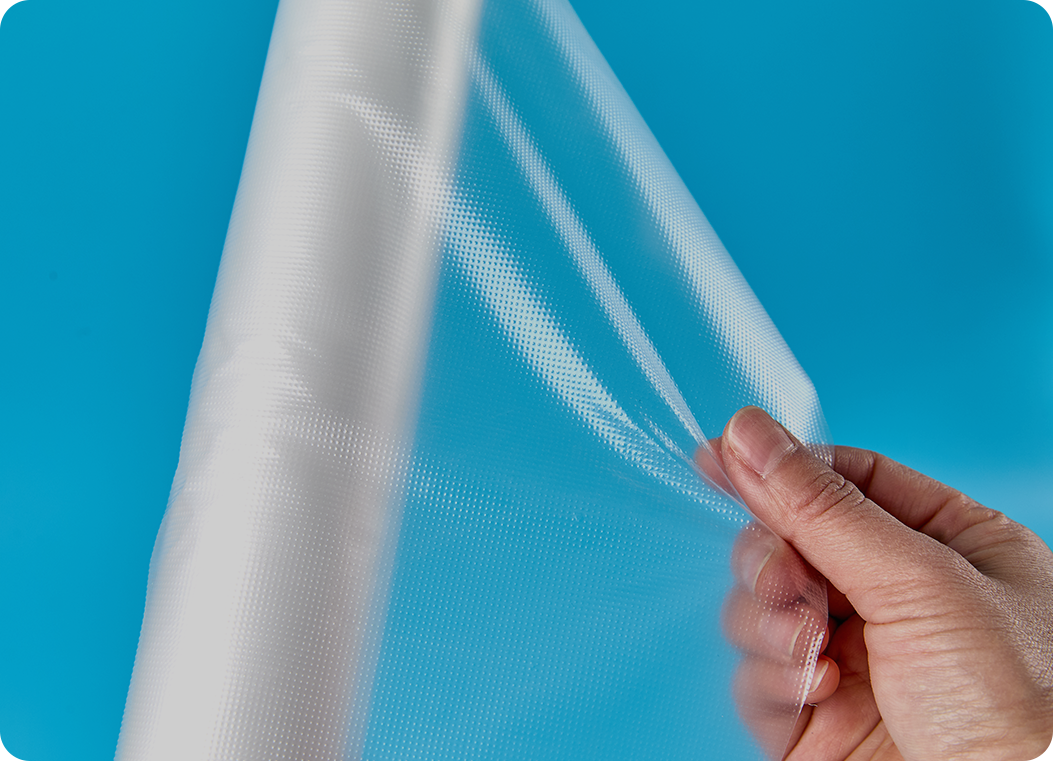
PVA Biodegradable Water-Soluble Film: How It Works and Where It Is Used
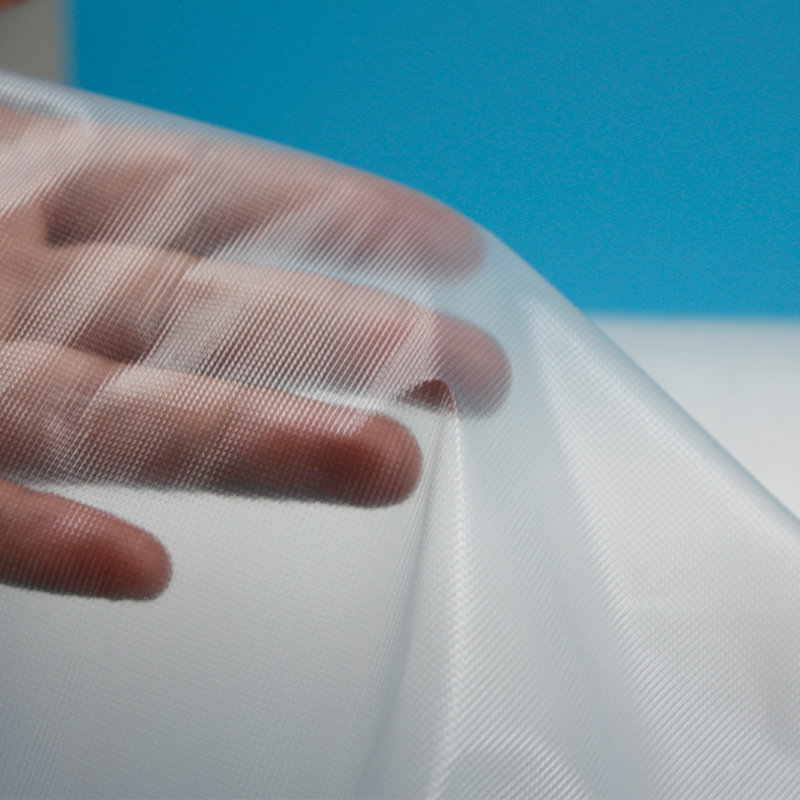
Polyvinyl alcohol (PVA, also written PVOH) water-soluble film is one of the most technically distinctive materials in the sustainable packaging space. Unlike most biodegradable films that break down through microbial activity over weeks or months, PVA film dissolves completely in water — cold or warm depending on the formulation — leaving no visible residue and no packaging waste for the end user to manage.
PVA is produced by the hydrolysis of polyvinyl acetate. The degree of hydrolysis and the molecular weight of the polymer are the two primary variables manufacturers adjust to control dissolution temperature and film mechanical properties. Cold-water soluble grades dissolve at temperatures as low as 10–15°C, while hot-water soluble grades remain intact at ambient temperature but dissolve rapidly above 60–80°C — allowing packaging to be engineered for specific use-case conditions.
Key Technical Properties
- Complete water solubility: Dissolves into a non-toxic aqueous solution; degraded by microorganisms in wastewater treatment systems into CO₂ and water
- Excellent gas and oil barrier: PVA film provides outstanding resistance to oxygen, nitrogen, and hydrocarbon vapors — comparable to EVOH barrier films — making it effective for protecting oxygen-sensitive or oil-based contents
- High tensile strength: Despite its solubility, PVA film exhibits tensile strength of 40–80 MPa depending on thickness and formulation, allowing reliable heat-seal pouch and sachet construction
- Printable and sealable: Compatible with standard flexographic and gravure printing processes; heat-sealable on conventional packaging equipment with appropriate tooling
- Humidity sensitivity: PVA film absorbs moisture from the air, which can affect physical properties during storage — requires controlled humidity conditions (typically below 65% RH) during storage and production
Primary Applications of PVA Water-Soluble Film
PVA film's most visible consumer application is laundry detergent pods and dishwasher tablets — the film pouch dissolves in the wash cycle, releasing the concentrated detergent without requiring the consumer to handle or dispose of any packaging. This single application has driven significant global volume growth, with the unit dose detergent market contributing to PVA film demand exceeding 150,000 metric tons annually worldwide.
Beyond household cleaning, PVA water-soluble film is applied across several industrial and specialty sectors:
- Agrochemical unit doses: Pre-measured pesticide, herbicide, and fertilizer sachets that dissolve directly in spray tanks, eliminating operator contact with concentrated chemicals and reducing measurement error
- Hospital laundry bags: Infectious linen is sealed in PVA bags that dissolve in the washing machine at high temperature, preventing staff contact with contaminated materials
- Industrial chemical packaging: Pre-portioned sachets for water treatment chemicals, concrete admixtures, and dyestuffs used in textile production
- Embroidery and textile applications: PVA film used as a dissolvable stabilizer backing for machine embroidery, removed by soaking in water after stitching is complete
- Single-serve food and beverage applications: Emerging use in portion-controlled food ingredients, flavor sachets, and dissolvable packaging concepts for powder-based beverages
From a regulatory and safety standpoint, PVA is classified as non-toxic and is approved for food contact applications under EU Regulation 10/2011 and FDA 21 CFR guidelines, supporting its continued expansion into food-adjacent packaging roles. As water-soluble packaging technology matures and production scales, PVA film represents one of the most compelling intersections of zero-waste end-of-life, functional performance, and manufacturing compatibility in the biodegradable packaging landscape.