 English
 中文简体
中文简体 Türk
TürkContent
What Is Biodegradable Waste: Definitions and Common Examples
Biodegradable waste is any material that can be broken down by microorganisms — bacteria, fungi, and other biological agents — into simpler compounds such as water, carbon dioxide, and organic matter under natural environmental conditions. The defining characteristic is not merely that the material eventually degrades, but that it does so within a timeframe and through pathways that do not accumulate harmful residues in soil, water, or living tissue.
In practical classification, biodegradable waste is divided into two broad streams: organic biodegradable waste from biological origins, and engineered biodegradable materials designed to replace conventional plastics and packaging in industrial or consumer applications.
Samples of Biodegradable Waste by Category
- Food and kitchen waste: Fruit and vegetable scraps, eggshells, coffee grounds, tea leaves, cooked food residues, and dairy byproducts. These decompose rapidly — typically within 2–6 weeks in a managed compost environment.
- Garden and agricultural waste: Grass clippings, fallen leaves, pruned branches, crop residues, straw, and manure. Woody material takes longer to degrade — up to 2 years for thick branches — due to the lignin content that resists microbial breakdown.
- Paper and cardboard: Uncoated paper, corrugated cardboard, and newsprint are cellulose-based and biodegrade within weeks to months depending on moisture and microbial activity. Coated or laminated papers degrade much more slowly due to synthetic barrier layers.
- Natural textiles: Cotton, wool, linen, jute, hemp, and silk are fully biodegradable. A cotton garment buried in moist soil typically degrades within 1–5 years. Blended fabrics containing synthetic fibers (polyester, nylon) are only partially biodegradable.
- Engineered biodegradable materials: Bioplastics such as PLA (polylactic acid), PHA (polyhydroxyalkanoates), starch-based foams, and water-soluble polymers like PVA (polyvinyl alcohol). These are specifically formulated to replace conventional petroleum-based packaging while meeting compostability or water-solubility standards.
A key distinction in industrial and packaging contexts is the difference between biodegradable and compostable. Compostable materials meet specific standards (such as EN 13432 or ASTM D6400) requiring that 90% of the material disintegrates within 12 weeks in an industrial composting facility at 58°C. A material can be biodegradable without being compostable — meaning it will eventually break down under natural conditions but may take years rather than weeks.
Foam Packaging That Dissolves in Water
Water-soluble and water-dispersible foam packaging represents one of the more commercially significant developments in sustainable packaging. Unlike expanded polystyrene (EPS), which persists in the environment for an estimated 500+ years, water-soluble foam products are engineered to dissolve completely on contact with water, leaving no solid residue and requiring no separate waste collection or processing.
Starch-Based Dissolvable Foam
The most widely available water-soluble foam packaging is made from thermoplastic starch (TPS) — typically derived from corn, potato, or tapioca starch — which is extruded or molded into loose-fill packing peanuts, corner protectors, and cushioning sheets. When submerged in water, starch-based foam absorbs moisture and rapidly loses structural integrity, dissolving into a starchy slurry that is non-toxic and can be safely disposed of down a drain or composted.
Dissolution time for standard starch foam peanuts in tap water is under 5 minutes for small pieces and under 15 minutes for thicker molded sections. The dissolved material is fully biodegradable and does not contribute to microplastic pollution — a critical advantage over EPS, which fragments into persistent microplastic particles rather than dissolving.
The primary limitation of starch-based foam is sensitivity to ambient humidity. At relative humidity above 70–80%, starch foam begins to absorb moisture from the air and loses compressive strength before it reaches the end user. Products shipped through humid climates or stored in unconditioned warehouses require secondary moisture barriers to maintain packaging integrity.
PVA-Based Foam and Film
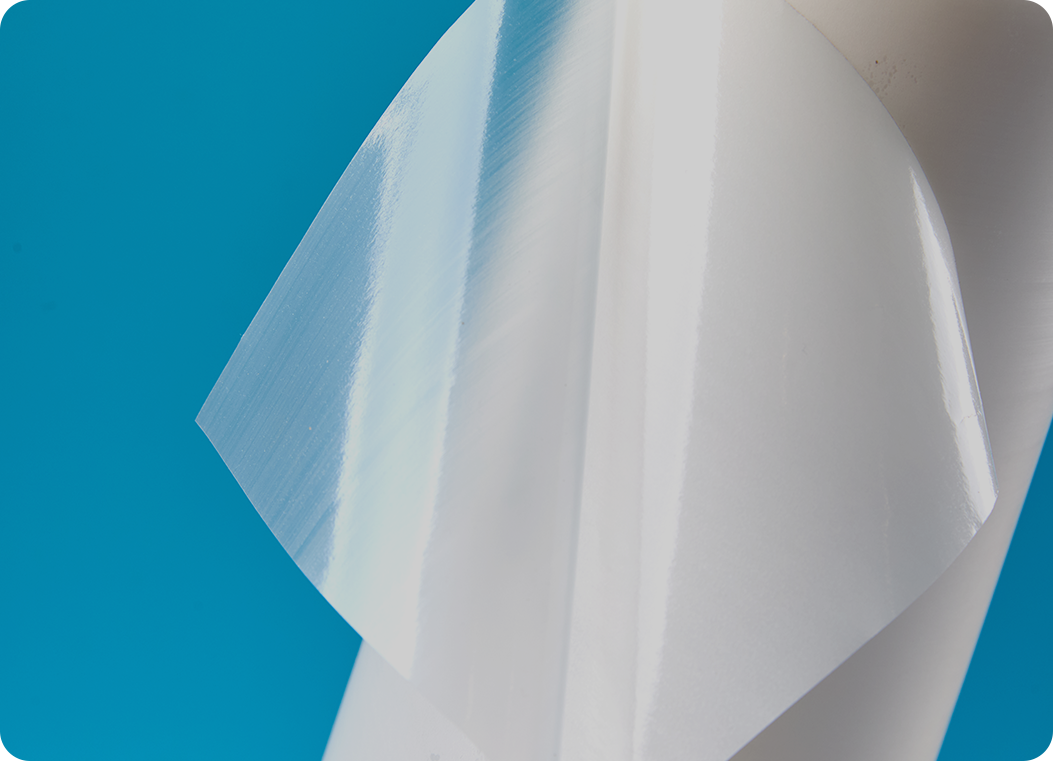
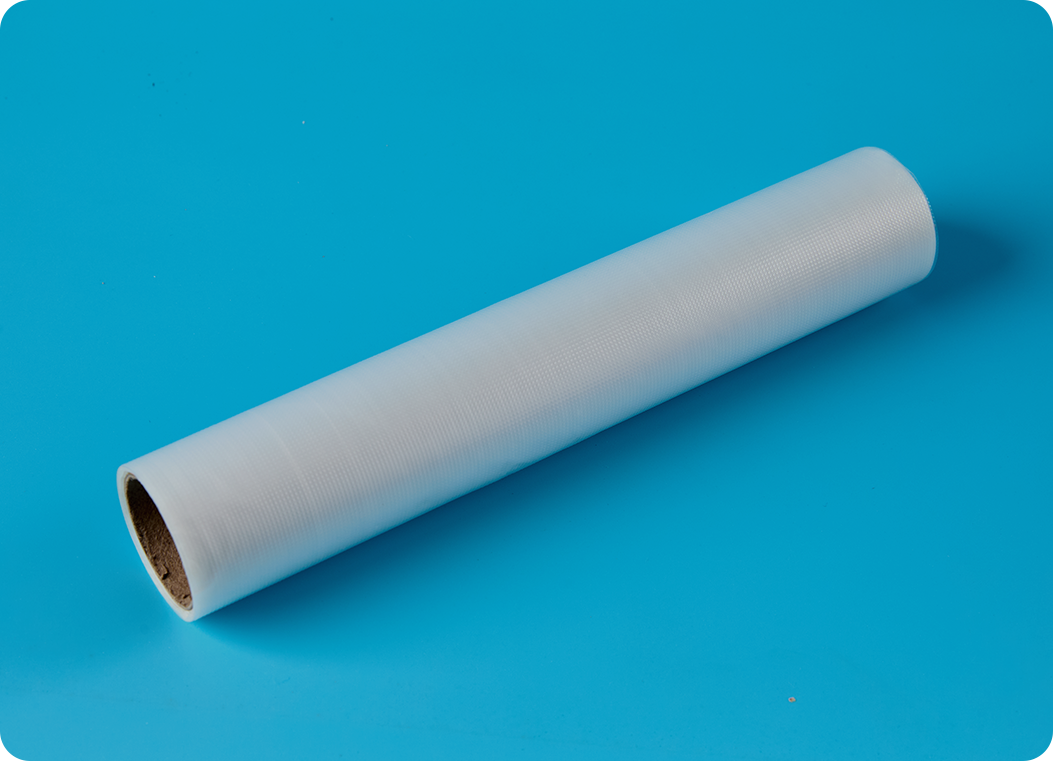
Polyvinyl alcohol (PVA or PVOH) foam and film products offer water solubility with significantly better moisture resistance during handling than pure starch foams. PVA dissolves completely in water at temperatures above a defined threshold — typically 20°C for cold-water-soluble grades and 60–90°C for hot-water-soluble grades — and the resulting solution is non-toxic and biodegradable under standard conditions.
PVA foam is used as a cushioning layer in protective packaging, agricultural seed tape, and as a carrier for concentrated cleaning or agricultural chemicals in unit-dose applications. The ability to tune the dissolution temperature by adjusting the degree of hydrolysis during manufacture means PVA packaging can be engineered to remain stable during cold-chain shipping while dissolving fully in warm wastewater.
Performance Comparison: Dissolvable Foam vs. EPS
| Property | Starch Foam | PVA Foam | Expanded Polystyrene (EPS) |
|---|---|---|---|
| Water soluble | Yes | Yes (temperature-dependent) | No |
| Biodegradable | Yes | Yes | No |
| Humidity resistance | Low | Moderate to high | Excellent |
| Cushioning performance | Good (loose fill) | Good (sheet/wrap) | Excellent |
| Environmental persistence | Weeks | Weeks to months | 500+ years |
| Microplastic risk | None | None | High |
Water Soluble Nonwoven Fabric: What It Is and How It Works
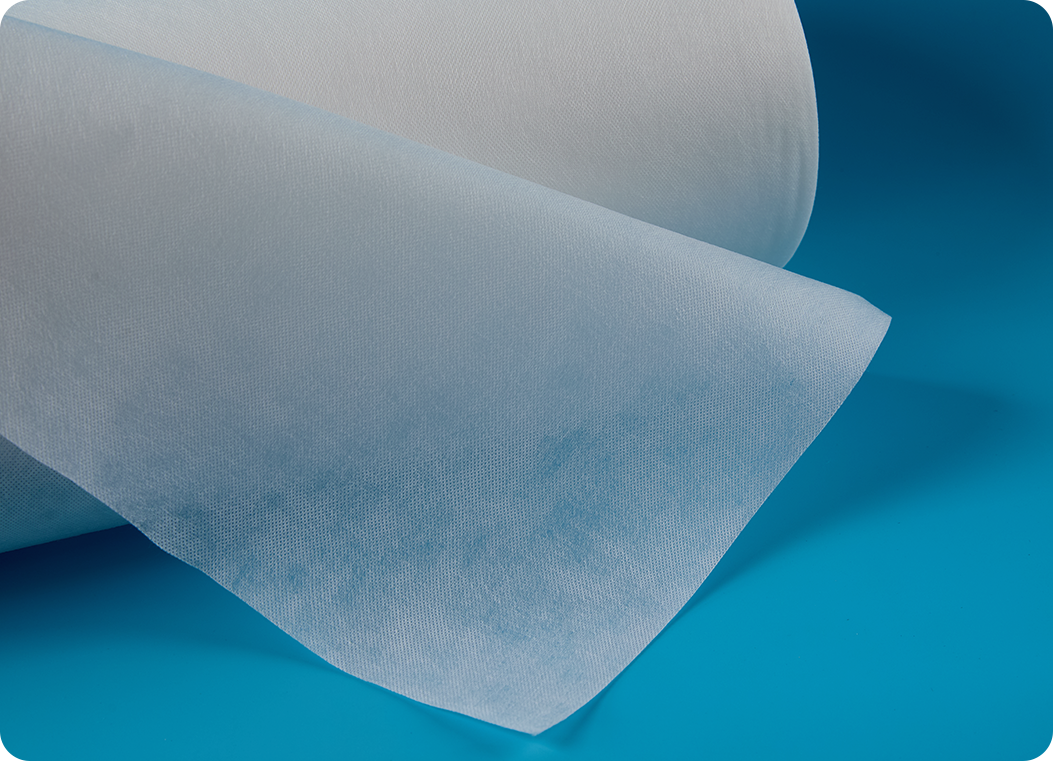
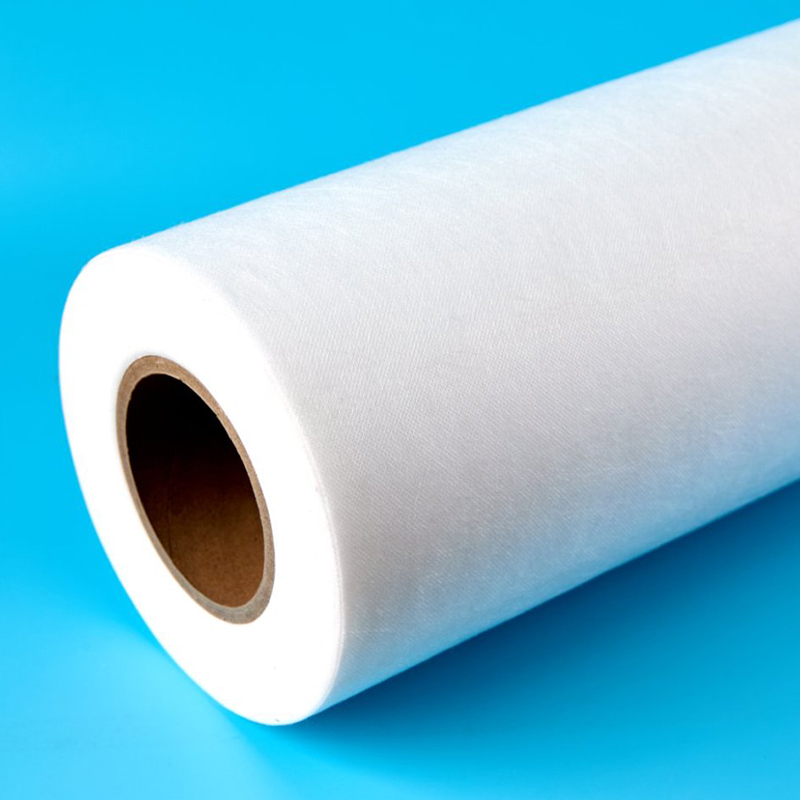
Water soluble nonwoven fabric is an engineered textile substrate that dissolves completely in water at a defined temperature, leaving no solid fiber residue. Unlike conventional nonwoven fabrics — which are bonded webs of synthetic or natural fibers that retain their structure when wet — water soluble nonwovens are produced from polymers specifically selected for their aqueous solubility, most commonly polyvinyl alcohol (PVA).
The fabric is manufactured through standard nonwoven production routes — typically spunlace (hydroentanglement) or needle punch — using PVA fibers as the base material. The resulting fabric has a textile-like hand and appearance, can be cut, sewn, printed, and handled like any conventional nonwoven, but disintegrates within seconds to minutes when submerged in water at or above its dissolution temperature.
Dissolution Temperature Grades
Water soluble nonwoven fabrics are produced in multiple dissolution temperature grades to suit different end-use requirements:
- Cold water soluble (below 20°C): Dissolves in cold tap water. Used in applications where ambient temperature water contact is the disposal mechanism, such as single-use laundry bags in healthcare settings or water-release embroidery backing.
- Warm water soluble (20–40°C): Stable in cold water handling conditions but dissolves in warm domestic or industrial wash water. The most common grade for laundry-related industrial applications.
- Hot water soluble (60–90°C): Provides stable handling in humid environments and remains intact through cold rinse cycles, dissolving only at elevated wash temperatures. Used in demanding textile and industrial process applications.
Primary Applications
Healthcare laundry bags: One of the largest volume applications. Contaminated linen from isolation wards or infectious disease units is placed directly into water soluble bags, which are then loaded into the washing machine without manual handling of the contents. The bag dissolves in the first wash cycle, releasing the linen while containing any pathogens during the loading process. This eliminates a significant infection control risk for laundry workers.
Embroidery and lace backing: Water soluble nonwoven is used as a stabilizer substrate during machine embroidery on delicate, stretchy, or open-weave fabrics. The stabilizer is hooped with the fabric, providing dimensional stability during stitching, then dissolved away in water after embroidery is complete — leaving only the stitched design on the base fabric with no residual backing material.
Agricultural seed tape and seedling media: Seeds are embedded into water soluble nonwoven strips at precise spacing. The tape is planted directly in the soil and dissolves with the first irrigation, releasing seeds at the correct depth and spacing without plastic residue accumulating in agricultural land.
Industrial chemical packaging: Pre-measured doses of cleaning agents, dyes, agricultural chemicals, or water treatment products are packaged in water soluble nonwoven pouches. The entire package — contents and container — is added to the process vessel or washing machine, eliminating chemical handling risk and packaging waste simultaneously.
Geotextile and construction: Temporary formwork, drainage barriers, and protective covers that need to remain intact during installation but must disappear after wetting — such as slope stabilization mats seeded with native grass — are produced from water soluble nonwoven to avoid retrieval labor and plastic waste on site.
PVA Nonwoven: Environmental Profile and Biodegradability
Polyvinyl alcohol — the base polymer of water soluble nonwoven fabrics — occupies an unusual position among synthetic polymers: it is both water soluble and genuinely biodegradable. Once dissolved, PVA in aqueous solution is metabolized by specific soil and water bacteria (particularly Pseudomonas strains) through enzymatic oxidation pathways. Under aerobic conditions with active microbial populations, dissolved PVA biodegrades to water and CO₂ within 30–90 days.
This distinguishes PVA from most other synthetic polymers, which either do not dissolve in water at all (polyester, nylon, polypropylene) or dissolve but leave persistent dissolved polymer chains that accumulate in aquatic systems. PVA dissolution produces no microplastics and no persistent organic residue under normal environmental conditions.
Important qualification: biodegradation rate depends on environmental conditions. In low-temperature water with minimal microbial activity — such as cold ocean water — PVA degradation slows considerably. In municipal wastewater treatment systems operating at 20–35°C with active biological treatment stages, PVA is typically removed at over 95% efficiency. Direct discharge to cold, oligotrophic water bodies is not recommended without verification of local degradation conditions.
Selecting Water Soluble Materials for Packaging and Textile Applications
Choosing between water soluble foam, film, and nonwoven fabric formats depends on the mechanical requirements of the application and the disposal environment available at the end user.
- Protective cushioning for fragile goods: Starch-based loose-fill or molded foam is the standard choice where the end user can dissolve the packaging in a sink or drain. Suitable for consumer goods, gifts, and e-commerce shipments where unboxing experience and zero-waste disposal matter.
- Unit-dose chemical or product containment: PVA film or nonwoven pouches are preferred where precise dosing and barrier properties are required — laundry pods, dishwasher tablets, agricultural inputs, and industrial cleaning concentrates.
- Textile process aid (embroidery, lace, bonding): Water soluble nonwoven fabric is the only practical substrate that provides dimensional stability during processing and then disappears without trace, making it standard in garment manufacturing and craft applications.
- Infection control and institutional laundry: Water soluble nonwoven bags engineered to warm-water dissolution temperatures are specified by hospital procurement standards in many countries as the barrier packaging of choice for contaminated textiles.
Across all formats, the practical advantage of water soluble materials is that they eliminate the end-of-life sorting and collection problem inherent in conventional plastic packaging. Disposal requires only water — no separate recycling stream, no contamination of compost, and no accumulation of packaging waste at the point of use.