
 English
 中文简体
中文简体 Türk
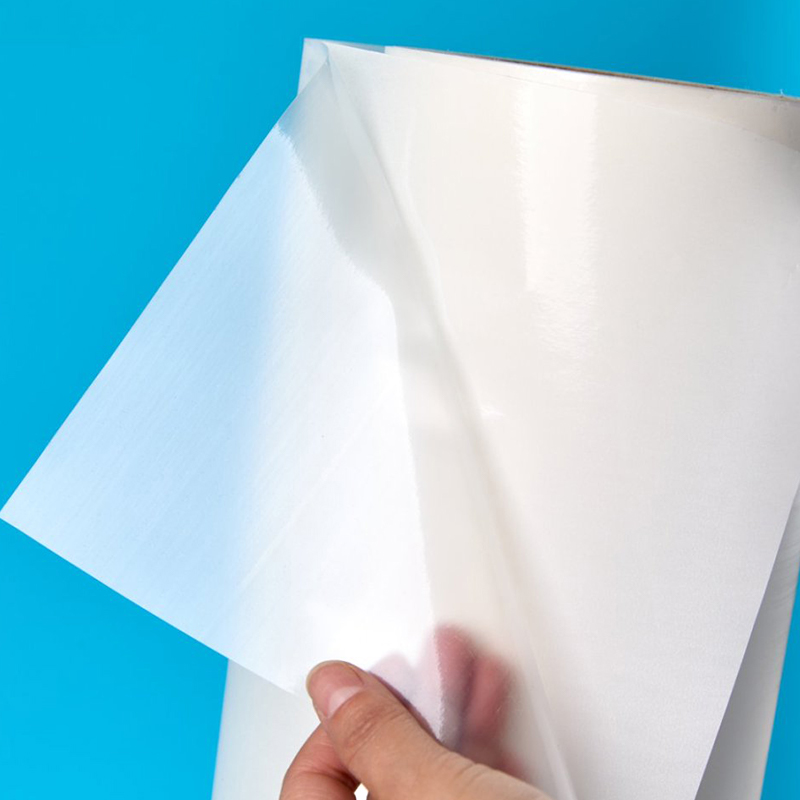
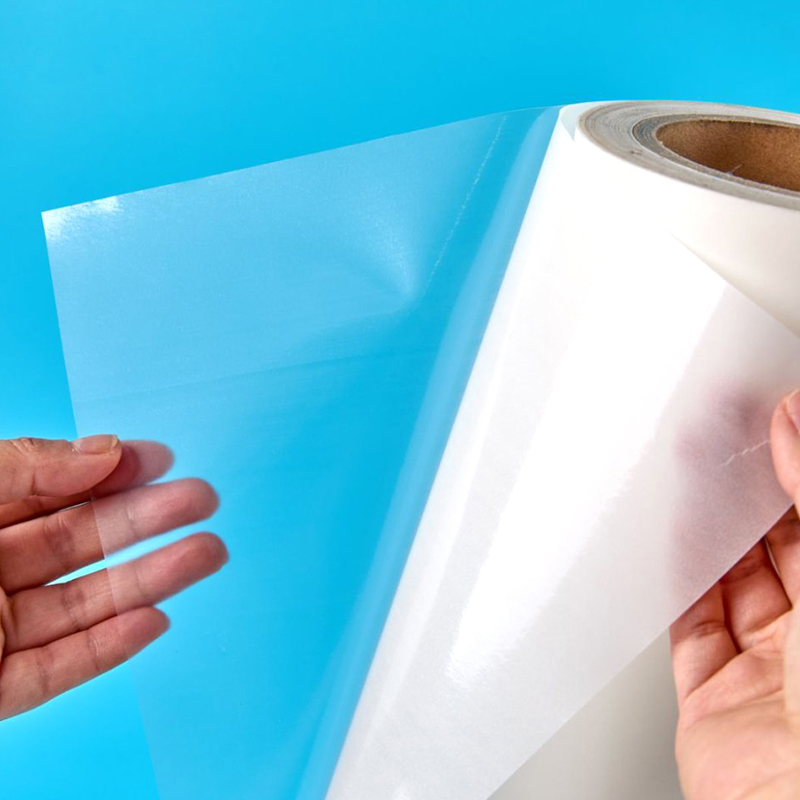
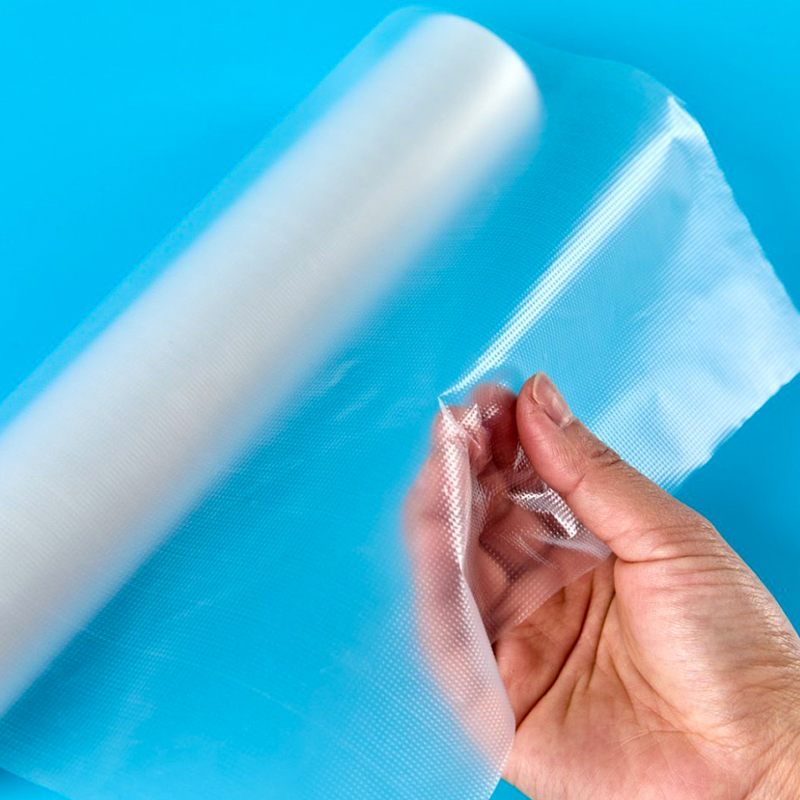
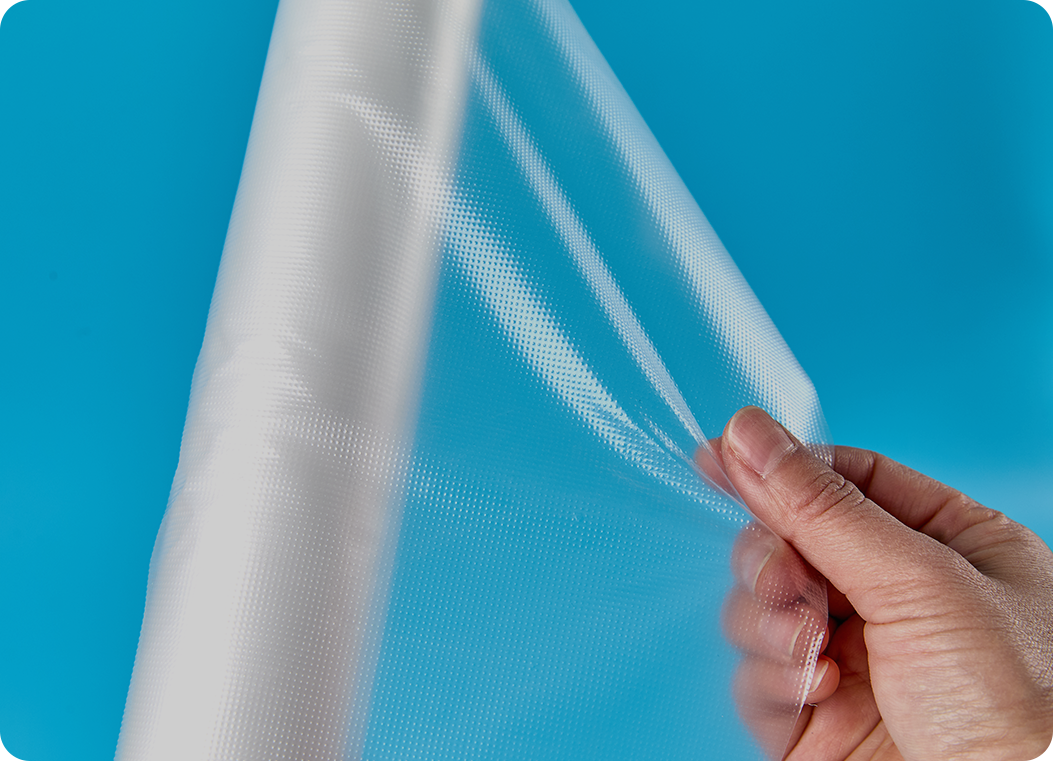
TürkThe packaging industry is undergoing a paradigm shift, driven by consumer demand for sustainability and stringent environmental regulations. At the forefront of this revolution is biodegradable water-soluble film, a material that promises not just to reduce waste but to redefine it. Unlike traditional plastics that persist for centuries, this innovative film is engineered to dissolve completely in water, leaving no toxic residue. Its application spans diverse sectors, from unit-dose detergents and agrochemicals to personal care products and beyond. The key advantages extend beyond mere environmental appeal; they encompass operational efficiency, enhanced safety, and alignment with a circular economy model. This article delves deep into the multifaceted benefits of integrating this smart material into packaging strategies, exploring its technical superiority and tangible impact on both business and the planet. We will specifically examine its role in areas like biodegradable water-soluble film for laundry pods, its efficacy in compostable water-soluble packaging materials, and its performance under various conditions, providing a comprehensive guide for businesses seeking a genuine sustainable edge.
Content
- 1 Unmatched Environmental Benefits and End-of-Life Solutions
- 2 Cost-Benefit Analysis and Operational Advantages
- 3 FAQ
- 3.1 How long does it take for biodegradable water-soluble film to dissolve completely?
- 3.2 Can water-soluble film packaging be used for food products?
- 3.3 What is the difference between home compostable and industrially compostable water-soluble film?
- 3.4 Is water-soluble film strong enough to protect products during shipping?
- 3.5 What happens to water-soluble film in landfills or marine environments?
Unmatched Environmental Benefits and End-of-Life Solutions
The primary driver for adopting biodegradable water-soluble film is its profound positive impact on the environment. Traditional plastic packaging contributes massively to landfill overflow and ocean pollution, with degradation times measured in hundreds of years. In stark contrast, water-soluble films are designed for a benign and complete end-of-life. Upon contact with water, the film dissolves, and the polymer chains are then readily broken down by microorganisms in soil or water treatment facilities into natural compounds. This process addresses two critical issues: reducing persistent plastic waste and mitigating microplastic pollution. For brands, this translates into a powerful story of corporate responsibility and a direct contribution to global sustainability goals like the UN's SDGs. The material's compatibility with industrial composting systems makes it a cornerstone of the compostable water-soluble packaging materials category, offering a verifiable path from product use to nutrient-rich compost, thus closing the loop in product life cycles.
- Drastic Reduction in Plastic Pollution: Eliminates the risk of persistent plastic litter from single-use applications, particularly in products prone to being disposed of incorrectly.
- Biodegradation to Non-Toxic Elements: Certified films break down into water, carbon dioxide, and biomass, leaving no harmful microplastics or heavy metals in the environment.
- Support for Circular Economy: When combined with composting, the packaging becomes an input for soil health, moving beyond linear "take-make-dispose" models.
- Reduced Carbon Footprint: While production has an footprint, the avoidance of waste management emissions (incineration, long-term landfill degradation) and the potential for biobased raw materials contribute to a lower overall lifecycle impact.
Superior Performance in Specific Applications: Laundry and Beyond
The functionality of biodegradable water-soluble film is not sacrificed for its eco-credentials; in many cases, it enhances product performance and user experience. Nowhere is this more evident than in the home care sector, particularly with biodegradable water-soluble film for laundry pods. The film must possess precise characteristics: high mechanical strength in dry conditions to withstand packaging and transport, excellent barrier properties to protect the concentrated detergent from moisture and oxygen, and instant, complete solubility at specific water temperatures. Advanced PVA-based films excel here, ensuring the pod releases its contents at the right moment in the wash cycle. This precise engineering prevents product waste and ensures dosing accuracy. Beyond laundry, this performance is critical for unit-dose pharmaceuticals, water-treatment chemicals, and seed coatings, where exact dosage, safety, and contamination-free use are paramount.
- Precise Dosing and Product Integrity: Seals in potency and prevents exposure to air and humidity, guaranteeing the consumer receives the product as formulated.
- Enhanced User Safety and Convenience: Eliminates direct handling of potentially hazardous chemicals (e.g., detergents, pesticides, industrial cleaners), reducing risk of skin irritation or inhalation.
- Reduced Product Waste: Single-use dosage ensures no over-pouring or residue left in containers, maximizing value for both consumer and manufacturer.
- Innovation in Product Design: Enables the creation of compact, lightweight, and visually appealing single-dose formats that stand out on shelves.
Addressing Solubility and Temperature Concerns
A common technical consideration when switching to water-soluble packaging is its behavior under varying conditions. Users and manufacturers rightly ask about water-soluble film dissolving time in cold water and the temperature range for water-soluble film degradation. These are not limitations but defined properties of the film that can be tailored during manufacturing. Film chemistry can be modified to trigger dissolution at specific temperatures—some are designed for quick dissolution in cold water for manual dishwashing products, while others require warmer wash temperatures (e.g., 40°C) for laundry pods, providing a safety barrier against accidental dissolution. Understanding and selecting the correct film grade is crucial for product success. The degradation temperature refers to the point at which the polymer begins to break down, which is typically much higher than dissolution temperatures, ensuring stability during storage and transport even in hot climates.
| Film Type / Application | Typical Dissolution Trigger Temperature | Key Functional Benefit |
| Cold-Water Soluble Film (e.g., for manual dish soap) | 5°C - 20°C | Dissolves quickly in tap water, immediate release. |
| Warm-Water Soluble Film (e.g., for standard laundry pods) | 30°C - 40°C | Prevents accidental dissolution, ensures release in main wash cycle. |
| Hot-Water Soluble Film (e.g., for industrial cleaning) | 60°C+ | Withstands pre-rinse, releases in sanitizing phase. |
- Tailored Formulations: Manufacturers can engineer films with different solubility profiles to match exact product requirements and use-case scenarios.
- Shelf-Life Stability: High degradation temperature thresholds ensure films remain intact and functional under a wide range of storage conditions.
- Consumer Safety: Delayed solubility in cold water for laundry pods prevents children from easily dissolving pods, adding a layer of safety.
Cost-Benefit Analysis and Operational Advantages
While the per-unit cost of biodegradable water-soluble film can be higher than conventional plastic, a holistic cost-benefit analysis often reveals significant long-term savings and value creation. The shift to this material streamlines operations in several ways. It enables the adoption of highly efficient vertical form-fill-seal (VFFS) machinery for packaging, which is faster and reduces labor costs. The lightweight nature of the film cuts down on transportation costs and emissions. Furthermore, by adopting water-soluble film for unit dose packaging, companies can reduce the total volume of packaging material used per dose compared to traditional bottles and jugs. There are also potential "soft" financial benefits: reducing risks associated with future plastic taxes or EPR (Extended Producer Responsibility) fees, enhancing brand equity to drive sales, and future-proofing the business against tightening regulations on single-use plastics.
- Logistics and Storage Efficiency: Unit-dose pods are compact, allowing more product to be shipped and stored per pallet, reducing warehouse and freight costs.
- Reduced Packaging Complexity: Often eliminates the need for secondary packaging (like cardboard boxes for bottles), simplifying supply chains.
- Compliance and Risk Mitigation: Proactively meets current and anticipated global regulations on plastic reduction, avoiding fines and costly redesigns later.
- Market Differentiation: Commands potential for premium positioning in the market, appealing to environmentally conscious consumers willing to pay more for sustainable solutions.
Standards, Certifications, and Disposal Guidelines
For claims of biodegradability and compostability to be credible, they must be backed by internationally recognized standards. This is crucial for compostable water-soluble packaging materials. Reputable films will carry certifications like TÜV Austria's OK compost INDUSTRIAL (EN 13432) or OK compost HOME, ASTM D6400, or the Seedling logo. These certifications verify that the material will biodegrade within a specific timeframe in an industrial composting facility without leaving harmful residues. It is vital for brands to communicate clear disposal instructions to consumers. While industrially compostable films are a major step forward, the ideal is often home compostable water-soluble film options, which degrade in lower-temperature backyard compost bins, though these are less common and require specific film formulations. Providing clear guidance prevents contamination of recycling streams and ensures the packaging achieves its intended environmental end-of-life.
| Certification | Standard / Logo | What It Means for the Consumer |
| OK compost INDUSTRIAL | EN 13432 | Film is certified to biodegrade in an industrial composting facility. Should be disposed of in organic waste bins where such facilities exist. |
| OK compost HOME | AS 5810 | Film is certified to biodegrade in a home composting environment. Can be placed in a well-maintained home compost bin. |
| Biodegradable in Water | Specific test methods (e.g., OECD 301) | Indicates the film will biodegrade in an aquatic environment, a critical claim for preventing water pollution. |
- Verification of Claims: Certifications provide third-party, scientific validation of environmental claims, protecting against greenwashing.
- Waste Stream Clarity: Helps waste management authorities and consumers correctly sort the material, maximizing recovery rates.
- Driving Industry Standards: Adoption of certified films pushes the entire packaging value chain towards higher, verifiable sustainability benchmarks.
FAQ
How long does it take for biodegradable water-soluble film to dissolve completely?
The dissolution time is not a single figure but a carefully engineered property that varies based on the film's chemical formulation, thickness, and water conditions (temperature, agitation). For instance, films designed for biodegradable water-soluble film for laundry pods typically dissolve in under a minute in warm (30-40°C) moving water. Cold-water soluble films may dissolve in 30 seconds or less. It's important to distinguish between *dissolution* (the physical disintegration of the film in water) and ultimate *biodegradation* (the microbial consumption of the dissolved polymer). Dissolution is immediate upon water contact under the right conditions, while full biodegradation to CO2 and water occurs over a period of weeks to months in a suitable biological environment, as verified by certifications like EN 13432.
Can water-soluble film packaging be used for food products?
Yes, but with stringent and specific considerations. The film must be manufactured using food-grade polymers and additives that are globally approved for direct food contact (compliant with regulations like FDA CFR 21 in the USA or EU Framework Regulation (EC) No 1935/2004). Its primary use in food is for unit-dose packaging of ingredients (e.g., pre-measured portions of drink powders, spices, or baking additives) where the entire packet is added to water or food. The key advantage is precise dosing and freshness preservation. However, its application is limited to dry, water-compatible contents. It is not typically used as a primary package for moist foods or long-term shelf storage due to its inherent moisture sensitivity.
What is the difference between home compostable and industrially compostable water-soluble film?
This distinction is crucial for proper end-of-life management and is a key factor when evaluating home compostable water-soluble film options versus standard compostable water-soluble packaging materials.
Industrially Compostable: These films require the high temperatures (typically 50-60°C), controlled humidity, and specific microbial activity of an industrial or municipal composting facility to biodegrade within the mandated timeframe (usually 180 days or less per EN 13432). They may not break down effectively in a cooler, less managed home compost pile.
Home Compostable: These are a more advanced subset, formulated to biodegrade in the lower and more variable temperature ranges (20-30°C) of a backyard compost bin within a reasonable time (often within a year). They are certified to standards like AS 5810 (Australia) or TÜV Austria's OK compost HOME. Always look for the specific certification logo on the packaging to determine the correct disposal method.
Is water-soluble film strong enough to protect products during shipping?
Absolutely. Modern water-soluble film for unit dose packaging is engineered with high tensile and tear strength in its dry state. Manufacturers conduct rigorous testing for puncture resistance, seal integrity, and durability under vibration and compression to simulate transit and handling. The film's mechanical properties are balanced with its solubility profile. For high-abrasion risk products, secondary cartons or flow-wraps are still used, but the primary unit-dose package remains intact. The real strength is demonstrated in products like laundry pods, which are shipped in bulk and handled by consumers without rupture, yet dissolve instantly in the wash. Proper packaging design (e.g., pod shape, seal quality) is as important as the film properties themselves.
What happens to water-soluble film in landfills or marine environments?
The environmental fate of water-soluble film outside of intended disposal paths is a critical question. In a dry landfill, the film will remain inert, similar to other plastics, as it requires water to activate the dissolution and subsequent biodegradation process. If the landfill becomes wet, the film will dissolve. However, the subsequent biodegradation process requires oxygen and microbial activity, which are often limited in anaerobic landfill conditions, potentially slowing the process significantly. In marine environments, certified biodegradable films are designed to eventually break down, but the rate is highly dependent on temperature and microbial flora. The superior environmental benefit is realized through correct disposal—composting for certified films or dissolution in wastewater treatment plants, which are designed to handle the biodegradation process efficiently. This underscores the importance of consumer education and proper waste infrastructure.