 English
 中文简体
中文简体 Türk
TürkContent
What Is Plastic That Dissolves in Water
Plastic that dissolves in water is not conventional plastic — it is a category of water-soluble polymer material, most commonly polyvinyl alcohol (PVA or PVOH), that breaks down completely when submerged in or exposed to water at a defined temperature. Unlike traditional plastics such as polyethylene or polypropylene, which persist in the environment for hundreds of years, water-soluble plastic dissolves into a non-toxic aqueous solution and is ultimately biodegradable under the right conditions.
The dissolution rate is engineered by adjusting the degree of hydrolysis and polymerization of the base polymer. Cold-water-soluble grades dissolve at temperatures as low as 10–15°C; hot-water-soluble grades remain intact at ambient temperatures but dissolve rapidly above 60°C or 90°C. This tunability is what makes water-soluble plastic practical for controlled-release packaging — the film or bag holds its contents safely under normal handling conditions, then dissolves on demand when introduced to water at the correct temperature.
PVA-based materials are the dominant chemistry, but other water-soluble polymers include cellulose derivatives (such as hydroxypropyl methylcellulose, HPMC), starch-based films, and polyethylene oxide (PEO). Each has distinct mechanical properties, dissolution profiles, and compatibility considerations, though PVA remains the standard for most commercial water-soluble film and bag applications due to its balance of strength, clarity, and reliable dissolution behavior.
Water-Soluble Film: Structure and Properties
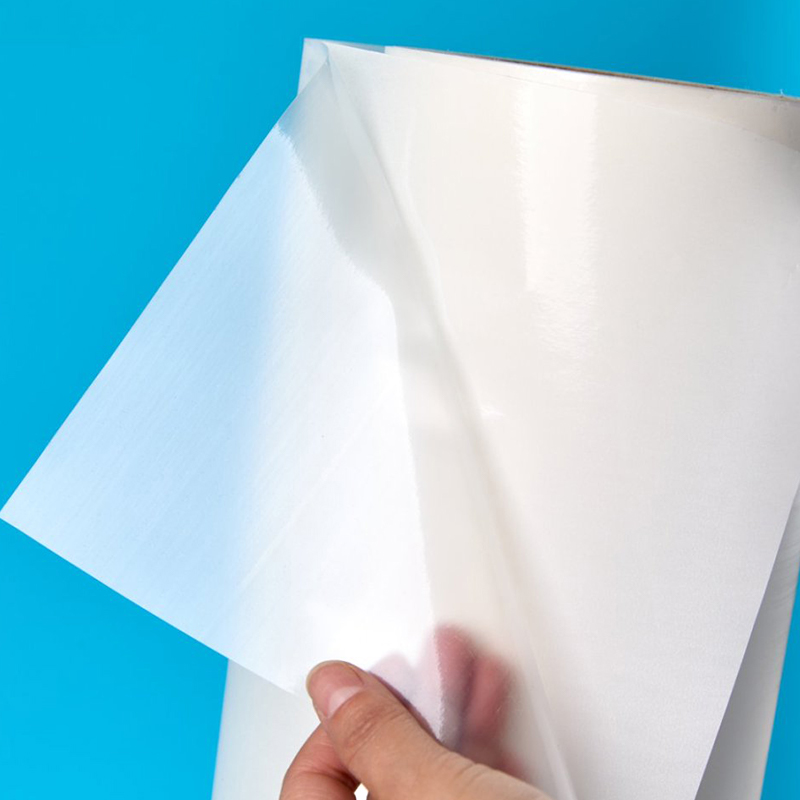
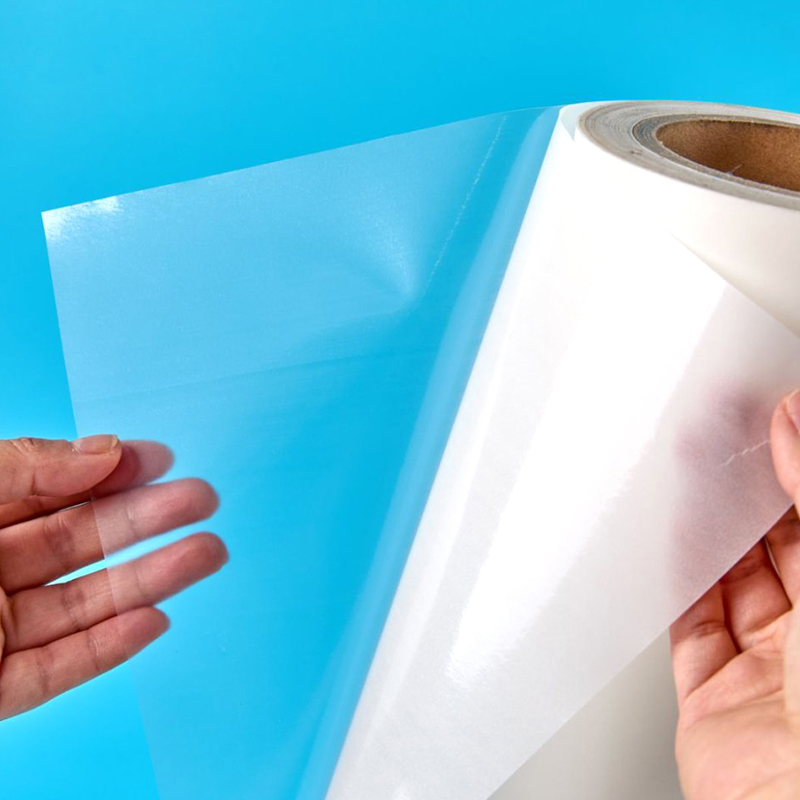
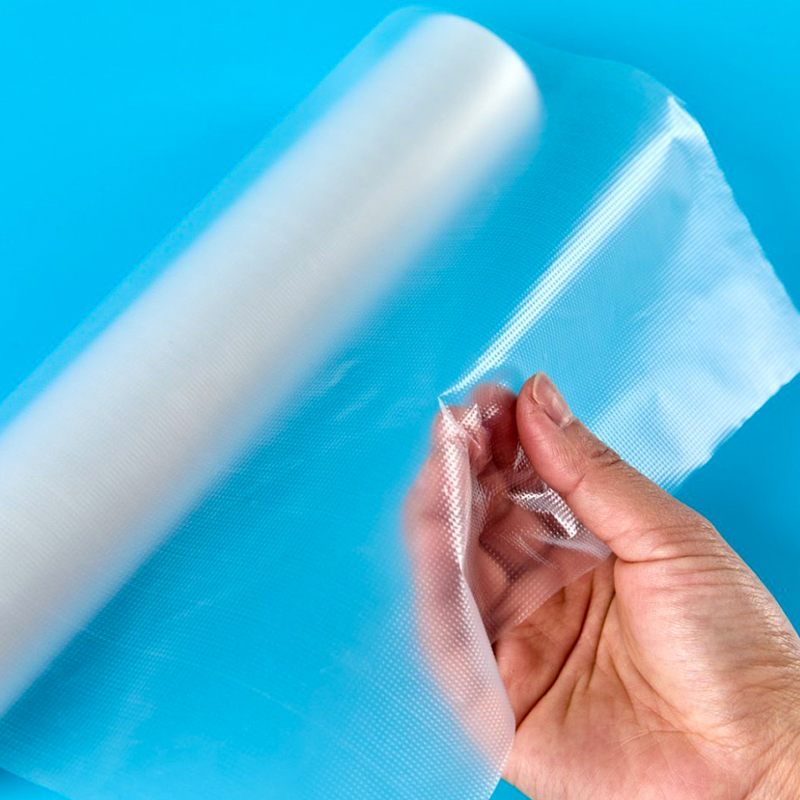
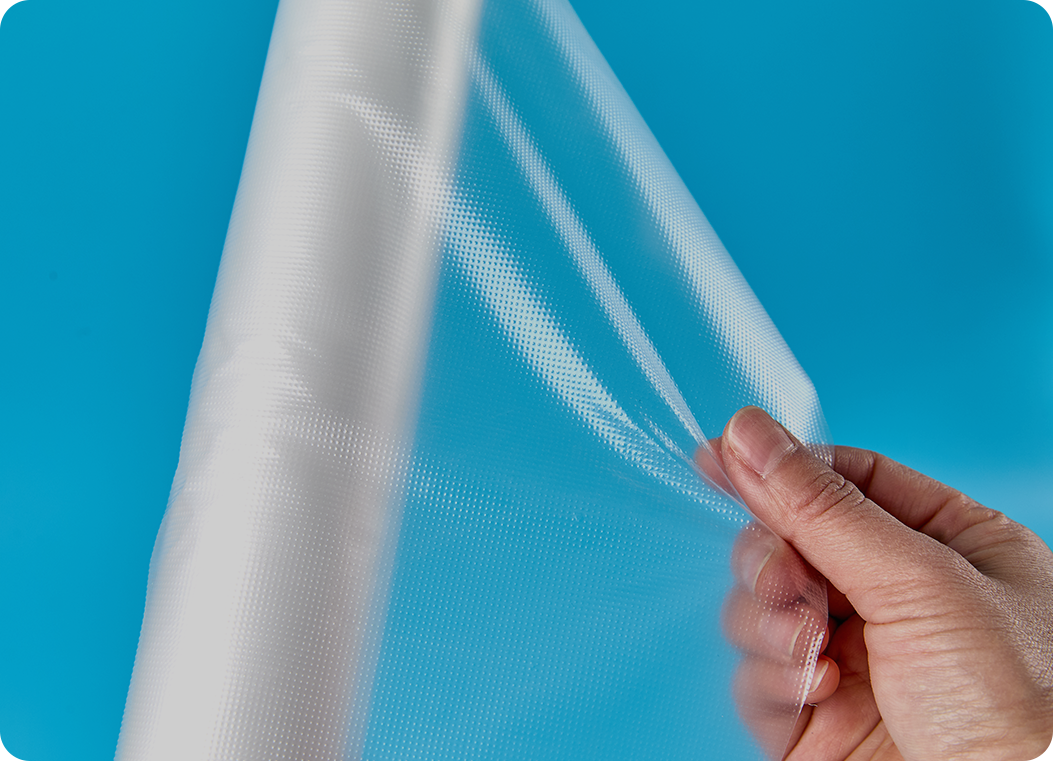
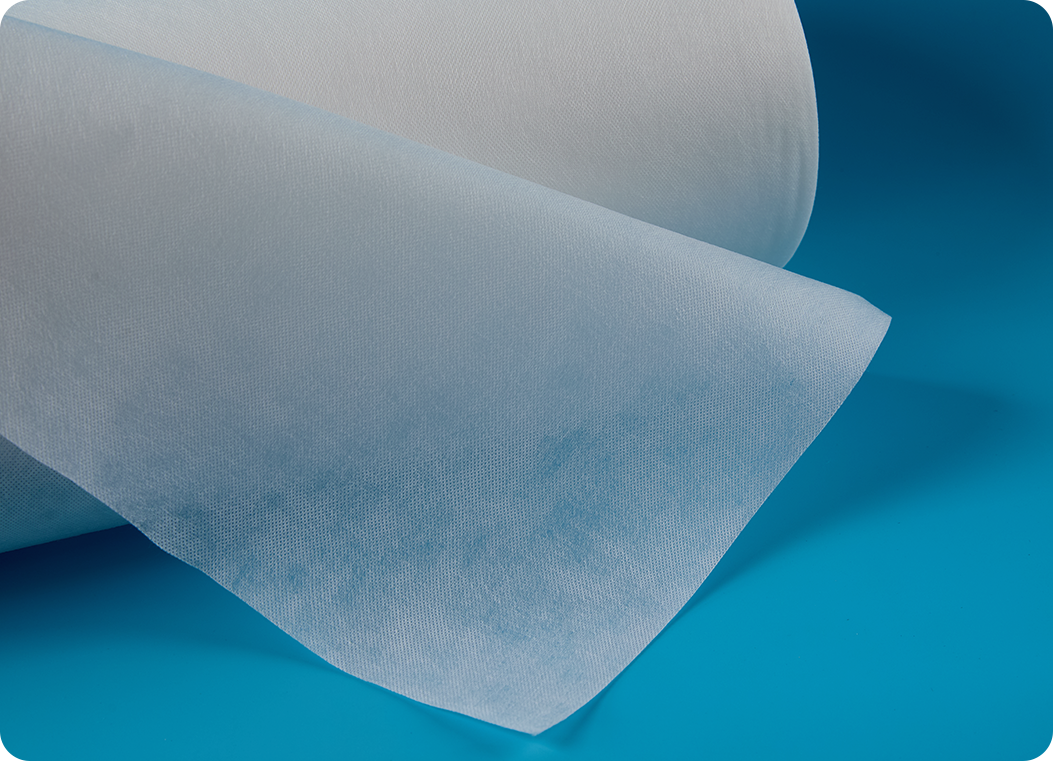
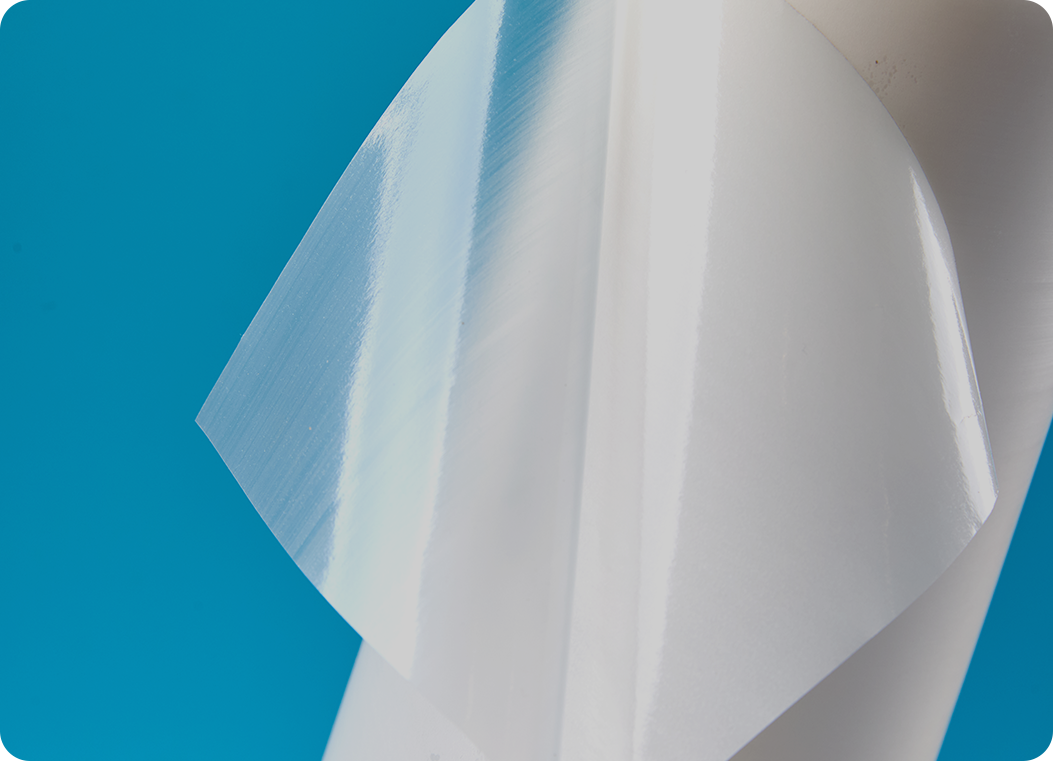
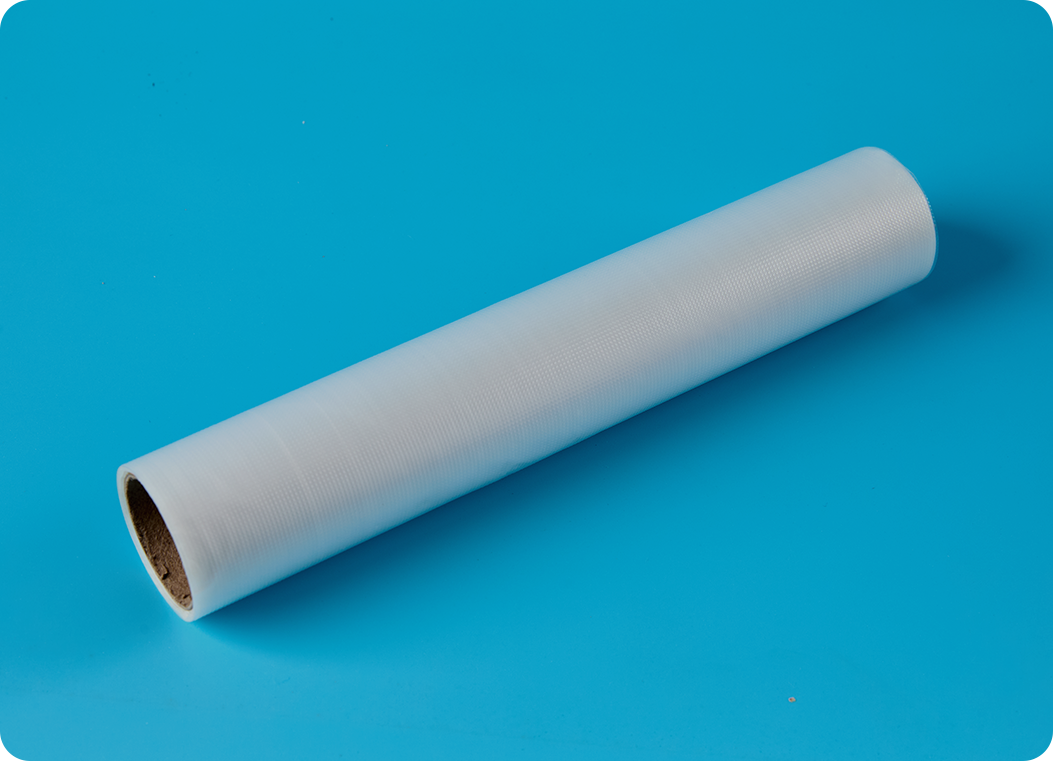
Water-soluble film is a thin, flexible sheet material produced from PVA or related polymers, typically manufactured by casting or blown-film extrusion. It is supplied in roll form, in thicknesses ranging from 25 to 76 microns for most packaging applications, and is available in transparent, translucent, or pigmented variants.
The key physical properties of water-soluble film are:
- Tensile strength and elongation — PVA film has tensile strength comparable to low-density polyethylene, typically 30–60 MPa, with elongation at break of 150–400% depending on plasticizer content. It is strong enough to handle normal filling, sealing, and transport stresses.
- Barrier properties — PVA film provides excellent resistance to oils, greases, and most organic solvents, making it suitable for packaging aggressive chemical formulations. It is, however, sensitive to moisture: exposure to high relative humidity softens the film, and contact with liquid water initiates dissolution. Packaging lines must maintain controlled humidity conditions.
- Oxygen barrier — At low to moderate humidity, PVA film has an exceptionally low oxygen transmission rate, superior to most conventional packaging films. This property is used in specialty food and pharmaceutical packaging where oxidation protection is needed alongside solubility.
- Printability and sealability — Water-soluble film accepts water-based inks well and can be heat-sealed on standard impulse or continuous sealers. Seal strength is adequate for unit-dose applications and can be reinforced with compatible adhesive formulations.
The global water-soluble film market was valued at approximately USD 380 million in 2023 and is projected to grow at a CAGR of around 5.5% through 2030, driven primarily by demand from the detergent pod, agrochemical, and industrial chemical packaging sectors.
Water-Soluble Bags: Applications and Design
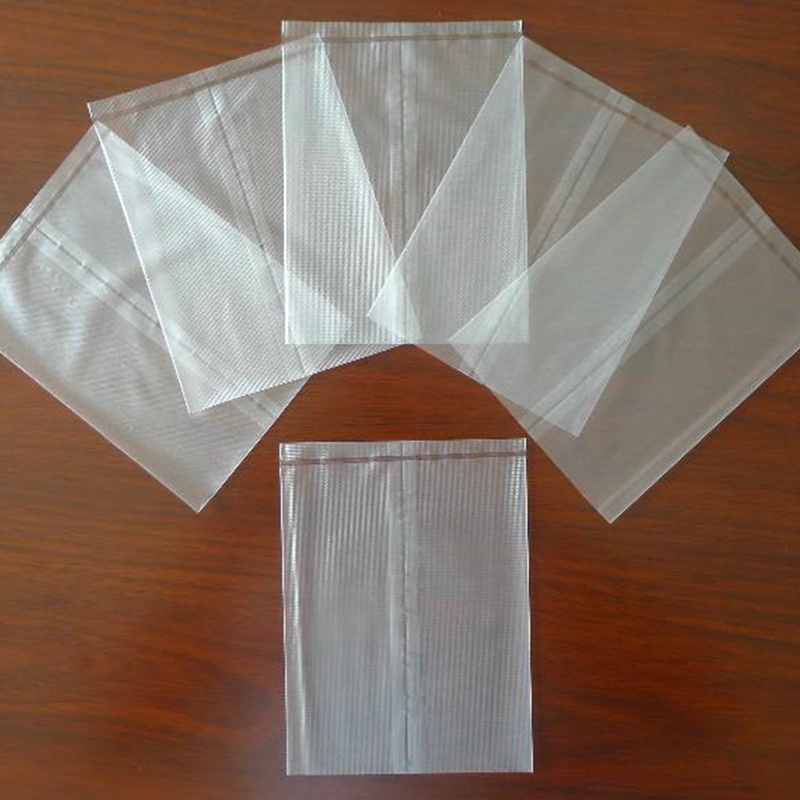
A water-soluble bag is a pre-formed or form-fill-sealed pouch made from water-soluble film, designed to be used without opening — the entire bag, contents included, is introduced to water, and the packaging dissolves while releasing the product. This eliminates operator contact with the contents, reduces packaging waste, and ensures precise dosing.
The most commercially significant applications for water-soluble bags are:
Laundry and Dishwasher Pods
Unit-dose detergent pods are the highest-volume consumer application for water-soluble film. A single-compartment or multi-compartment PVA bag contains a concentrated liquid or gel detergent formulation. When placed in a washing machine drum or dishwasher, the film dissolves in the wash water, releasing the detergent. Hot-water-soluble film is standard for dishwasher pods; cold-water grades are used in laundry applications to ensure dissolution in low-temperature wash cycles.
Agrochemical Packaging
Water-soluble bags are widely used for packaging pesticides, herbicides, and fungicides in unit-dose sachets for professional agricultural use. The operator drops the sealed bag directly into the spray tank without opening it, eliminating skin and inhalation exposure to concentrated active ingredients. This application drives significant demand for heavy-gauge (50–76 micron) PVA bags with high chemical resistance and a dissolution temperature matched to typical tank water conditions.
Industrial and Institutional Cleaning Chemicals
Concentrated cleaning agents, disinfectants, and pool chemicals are packaged in water-soluble bags for hotel housekeeping, food service, and industrial cleaning applications. The format provides consistent dosing, eliminates chemical contact during handling, and reduces packaging volume compared to bulk liquid.
Hospital Laundry and Infection Control
Healthcare facilities use water-soluble laundry bags for infected linen — soiled bedding and garments from isolation wards are sealed in PVA bags that go directly into the washing machine without any handling of the contents. This is a critical infection control protocol in hospitals managing C. difficile, MRSA, and similar pathogens.
Embroidery and Textile Backing
Water-soluble film is used as a temporary stabilizing substrate in embroidery — stitched onto fabric as a topper or backing during the embroidery process, then dissolved away in water, leaving only the finished embroidery with no substrate residue. This is a high-precision niche but represents a meaningful volume of specialty water-soluble film.
Dissolution Temperature Grades Compared
| Grade | Dissolution Temperature | Typical Application | Humidity Sensitivity |
|---|---|---|---|
| Cold-water soluble | 10–25°C | Cold-wash laundry pods, embroidery film | High — requires dry storage |
| Warm-water soluble | 40–60°C | Hospital laundry bags, general agrochemicals | Moderate |
| Hot-water soluble | 60–90°C+ | Dishwasher pods, high-temp industrial cleaning | Low — stable at ambient humidity |
Environmental Profile: Is Water-Soluble Plastic Actually Sustainable?
Water-soluble plastic is frequently marketed as an environmentally preferable alternative to conventional packaging, but the picture is more nuanced than "dissolves = sustainable."
PVA does dissolve in water and is ultimately biodegradable under the right conditions. Studies have shown that PVA is broken down by bacteria present in activated sludge at wastewater treatment plants — the primary pathway for dissolved PVA in consumer applications. However, biodegradation rates vary significantly depending on PVA molecular weight, degree of hydrolysis, and the microbial community at the receiving treatment facility. In systems without adequate activated sludge treatment, dissolved PVA can pass through largely intact.
The more concrete environmental benefit of water-soluble packaging is the reduction in packaging material volume compared to rigid or multilayer packaging for the same product, the elimination of residual chemical contamination from packaging handling, and the reduction in secondary packaging waste (no empty bottles, sachets, or blister packs from end users). For hazardous chemical applications in particular, the safety and waste-reduction case for water-soluble bags is strong regardless of the biodegradation debate.
Handling, Storage, and Processing Requirements
Because water-soluble film and bags are sensitive to moisture, handling and storage conditions are non-negotiable in production environments:
- Storage conditions — PVA film rolls and pre-formed bags should be stored at 15–25°C and 40–65% relative humidity. Exposure to high humidity causes the film to soften and stick; very low humidity can cause brittleness and cracking.
- Packaging line environment — Filling and sealing lines handling water-soluble film require humidity control. Air conditioning or dehumidification is standard in facilities running cold-water-soluble grades.
- Dry hands rule — Operators handling water-soluble film should wear dry gloves. Moisture from bare hands can initiate localized dissolution and weaken the film at contact points.
- Secondary packaging — Consumer products using water-soluble bags (detergent pods, agrochemical sachets) are always enclosed in a moisture-barrier outer package — typically a foil laminate pouch or rigid plastic tub — to protect the inner PVA bags from ambient humidity during distribution and retail storage.
- Chemical compatibility testing — Not all formulations are compatible with PVA film. Highly aqueous products, strong acids or bases, and formulations with high water activity can degrade the film before or during storage. Compatibility should always be validated by immersion testing at the intended fill and storage temperature.