 English
 中文简体
中文简体 Türk
TürkContent
- 1 What Is Water Soluble Film
- 2 What Is PVA Water Soluble Film
- 3 How Water Soluble Film Works
- 4 Water Soluble Film Manufacturing Process
- 5 Properties of Water Soluble Film
- 6 Benefits of Water Soluble Film
- 7 How PVA Film Dissolves in Water: Speed and Temperature Factors
- 8 Water Soluble Film Thickness Guide
- 9 How to Choose Water Soluble Film
What Is Water Soluble Film
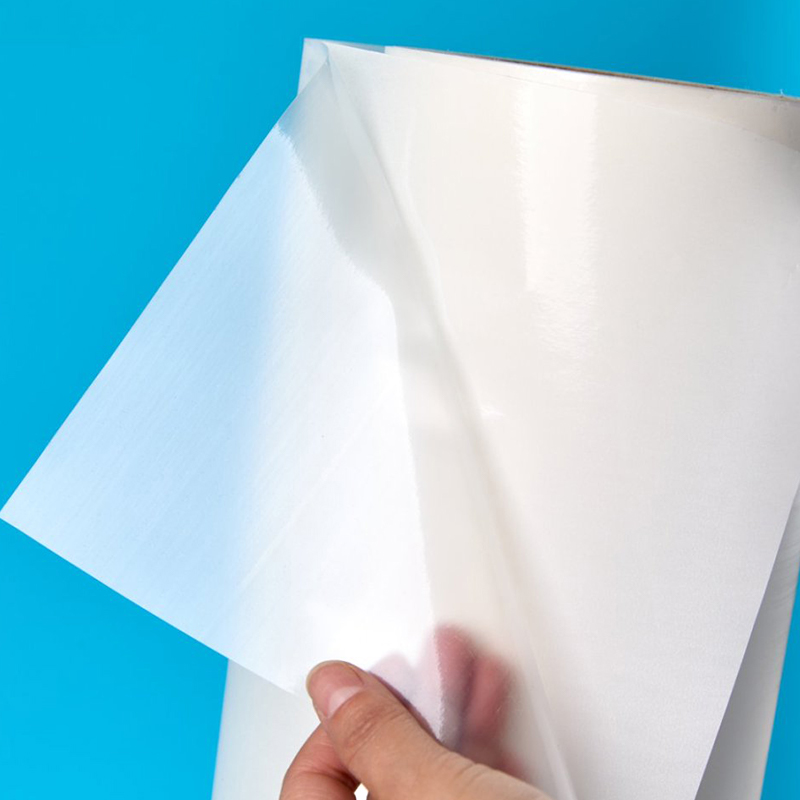
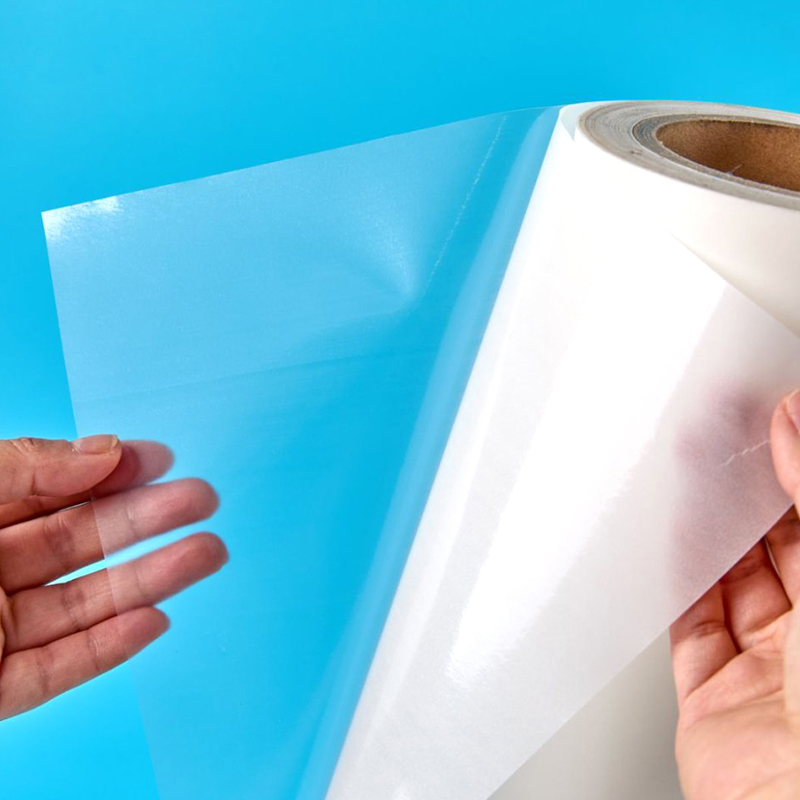
Water soluble film is a thin plastic film that dissolves completely when it comes into contact with water, used to package products that need to be added directly into water or a wash cycle without the packaging being removed first. It's most commonly encountered in single-dose detergent pods, agricultural chemical packets, and industrial or hospital laundry bags, where the film itself becomes part of the process rather than waste that needs separate disposal.
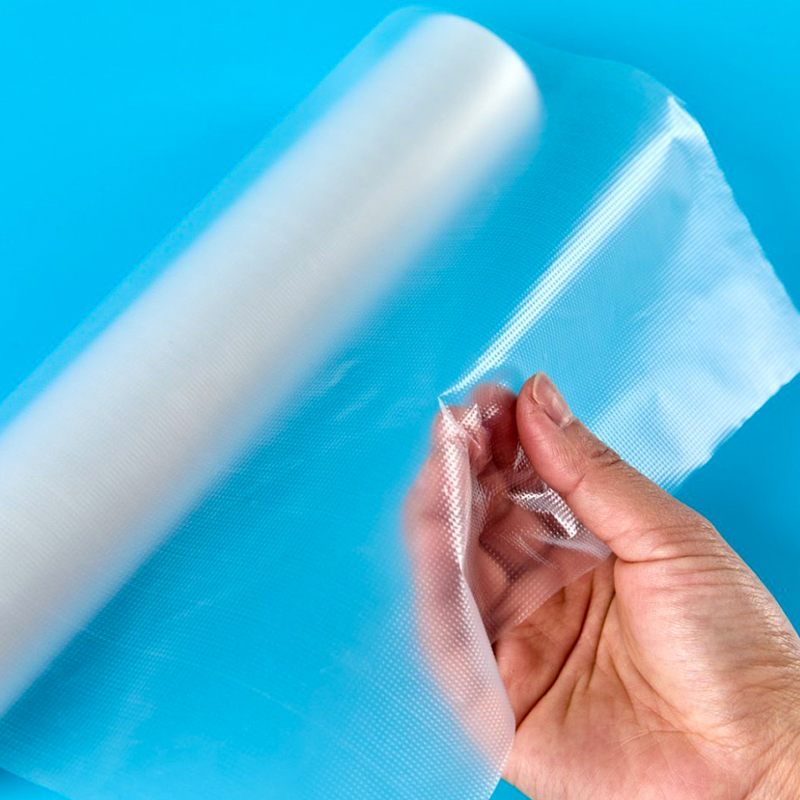
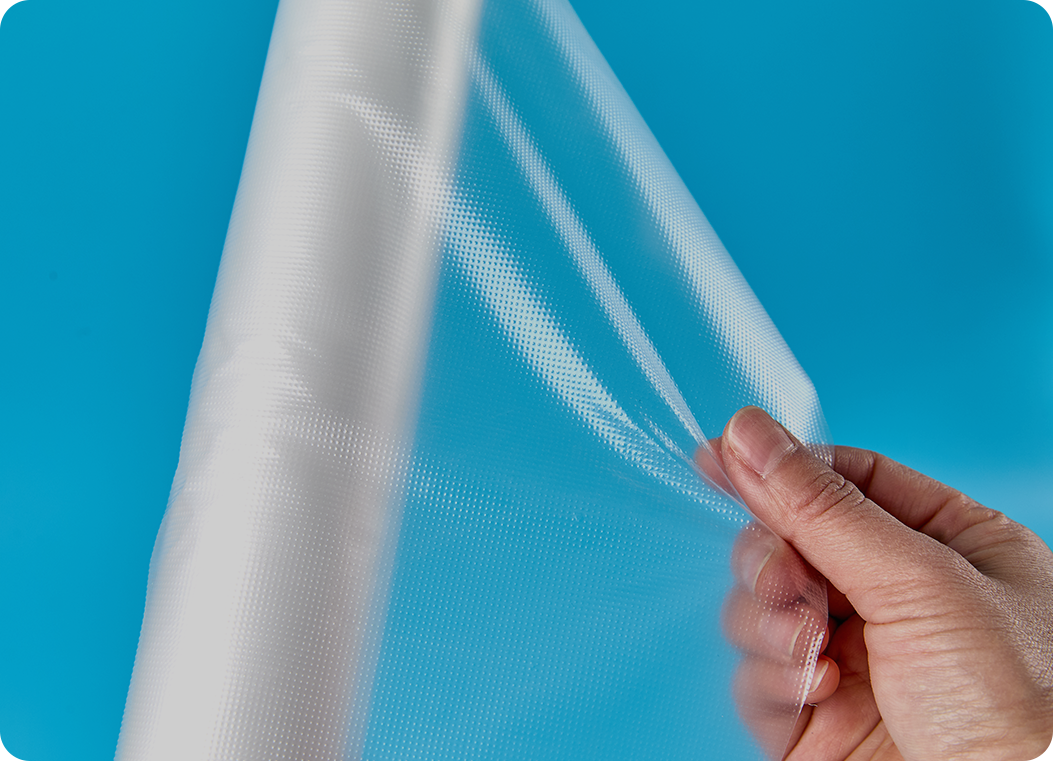
The film is typically clear or lightly tinted, heat-sealable, and engineered to hold its shape and strength in dry conditions while breaking down rapidly and completely once wetted — a combination that requires precise control over the polymer's formulation and processing.
What Is PVA Water Soluble Film
PVA (polyvinyl alcohol) film is the material most water soluble film is made from, chosen specifically because PVA is one of the few synthetic polymers that is both film-forming and genuinely water-soluble, rather than merely water-permeable or biodegradable over time. PVA is produced by polymerizing vinyl acetate and then hydrolyzing it to convert acetate groups into hydroxyl groups — the degree of hydrolysis directly controls how readily the finished film dissolves in water.
Different PVA grades are formulated for different dissolution speeds and temperature sensitivities, which is why not all water soluble films behave identically — a film designed for cold-water dissolution in a detergent pod uses a different PVA grade and formulation than one designed for hot-water dissolution in an industrial laundry application.
How Water Soluble Film Works
Dissolution happens because water molecules penetrate the film's polymer structure and break the hydrogen bonds holding PVA chains together. As water molecules diffuse into the film, the polymer chains separate and disperse into solution, and the film transitions from a solid sheet to a dissolved liquid state — a process that typically takes anywhere from a few seconds to a couple of minutes depending on water temperature, agitation, and film thickness.
Why it doesn't dissolve prematurely
PVA film resists ambient humidity and light moisture exposure well enough for normal handling and storage, but is engineered to break down rapidly once fully immersed — the dissolution trigger is sustained water contact, not just humidity in the air.
Water Soluble Film Manufacturing Process
Water soluble film is produced primarily through a casting process rather than extrusion, since casting gives tighter control over the thin, uniform thickness required for consistent dissolution performance. PVA resin is dissolved in water to form a viscous solution, along with plasticizers that keep the finished film flexible rather than brittle, then this solution is cast onto a moving belt or drum in a thin, even layer.
The cast film passes through a controlled drying process that removes water content while preserving film integrity, followed by cooling and winding onto rolls. Thickness and moisture content are tightly monitored throughout drying, since inconsistent drying leads to uneven dissolution behavior, brittleness, or poor heat-sealing performance in the finished roll.
Properties of Water Soluble Film
| Property | Typical Characteristic |
|---|---|
| Solubility | Fully dissolves in water, typically cold or warm depending on grade |
| Tensile strength | Strong enough for packaging, sealing, and handling in dry conditions |
| Heat sealability | Seals cleanly with standard heat-sealing equipment |
| Clarity | Clear to translucent, depending on formulation |
| Moisture sensitivity (storage) | Sensitive to high ambient humidity, requires controlled storage |
Benefits of Water Soluble Film
- Eliminates packaging waste at point of use: the film dissolves as part of the process rather than becoming separate trash
- Accurate single-dose delivery: pre-measured pods and packets ensure consistent dosing without user measurement
- Reduces contact exposure: for chemical or detergent products, the film keeps concentrated contents contained until dissolution, minimizing direct handling
- Convenient for wash-cycle applications: industrial and hospital laundry bags allow contaminated items to be washed without opening the bag first
- Water-based, non-toxic dissolution: PVA is generally recognized as safe and breaks down without leaving solid residue
How PVA Film Dissolves in Water: Speed and Temperature Factors
Dissolution speed depends primarily on three factors: water temperature, agitation, and film thickness. Higher water temperature accelerates dissolution significantly, since heat increases the rate at which water molecules penetrate and break down the polymer's hydrogen bonding structure — this is why detergent pod films are specifically formulated for reliable cold-water dissolution, since typical laundry cycles don't always use hot water.
Agitation speeds dissolution by continuously exposing fresh film surface to water rather than allowing a saturated boundary layer to slow further penetration, which is part of why a washing machine's mechanical action dissolves a detergent pod faster than the same pod sitting still in a bowl of water. Thicker films naturally take longer to fully dissolve than thinner films, since dissolution proceeds from the outer surfaces inward.
Water Soluble Film Thickness Guide
Film thickness is typically specified in microns and selected based on the balance between mechanical strength needed for handling/sealing and dissolution speed needed for the application. Thinner films (around 20-40 microns) dissolve faster and suit single-use packets meant to disappear quickly, while thicker films (50-100+ microns) provide more mechanical strength for larger pouches or bags that need to survive more handling before use.
- Thin films (20-40 microns): single-dose detergent pods, small chemical sachets prioritizing fast dissolution
- Mid-range films (40-70 microns): general packaging applications balancing strength and dissolution speed
- Thicker films (70-100+ microns): larger bags and pouches, such as industrial laundry bags, needing greater handling durability
How to Choose Water Soluble Film
- Match dissolution temperature to end use — cold-water dissolving grades for consumer laundry/dishwasher products, hot-water grades for industrial or agricultural applications where warm water is standard
- Select thickness based on required strength vs dissolution speed for the specific packaging format
- Confirm heat-sealing compatibility with existing packaging equipment and seal parameters
- Check storage humidity requirements, since PVA film is sensitive to ambient moisture and needs appropriate packaging and storage conditions to maintain shelf life
- Verify compatibility with the packaged contents, since some chemical formulations can affect film stability or trigger premature degradation