 English
 中文简体
中文简体 Türk
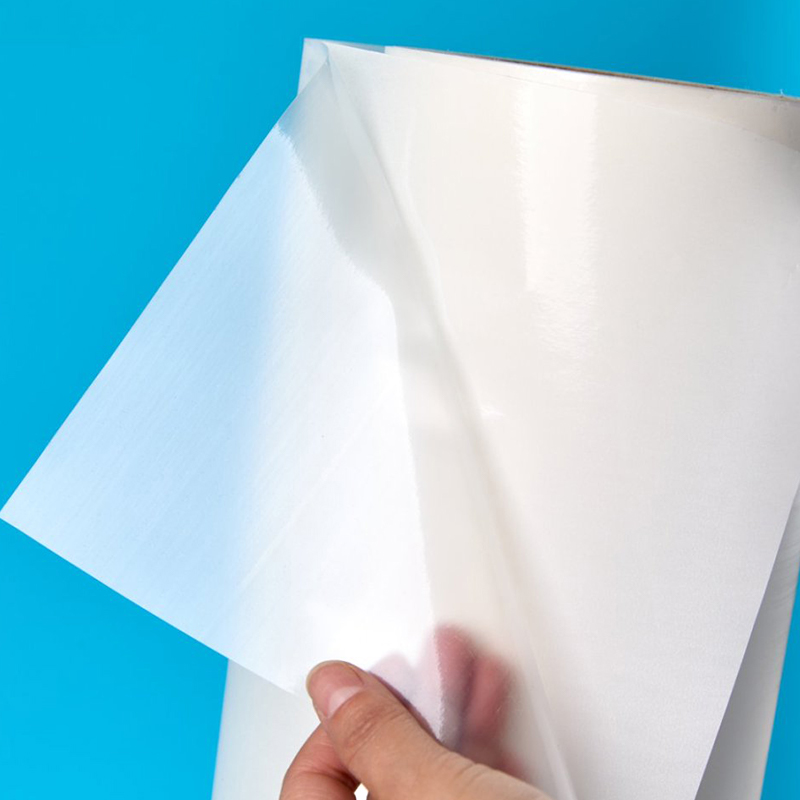
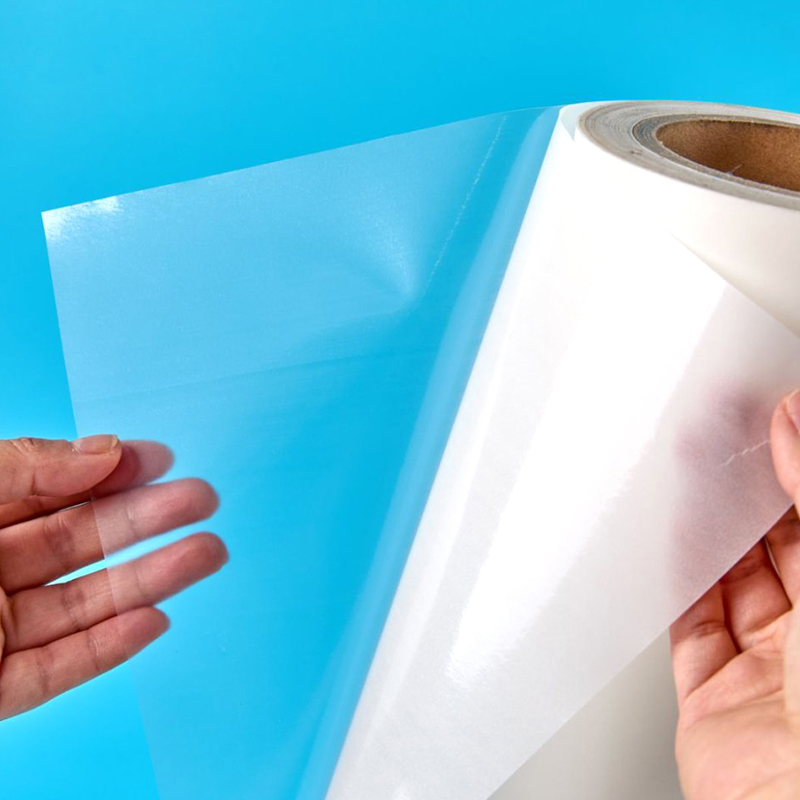
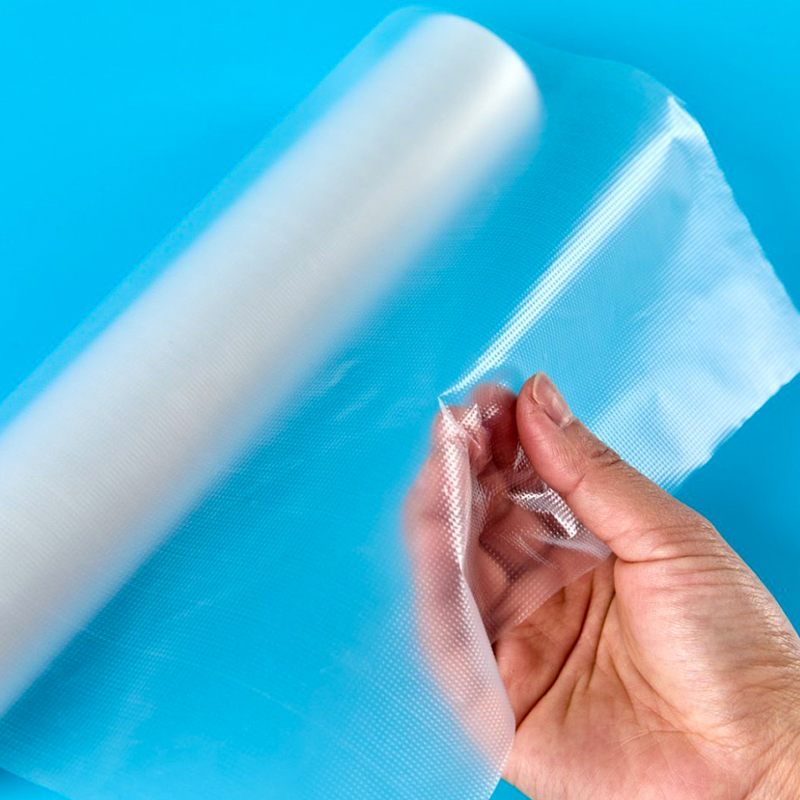
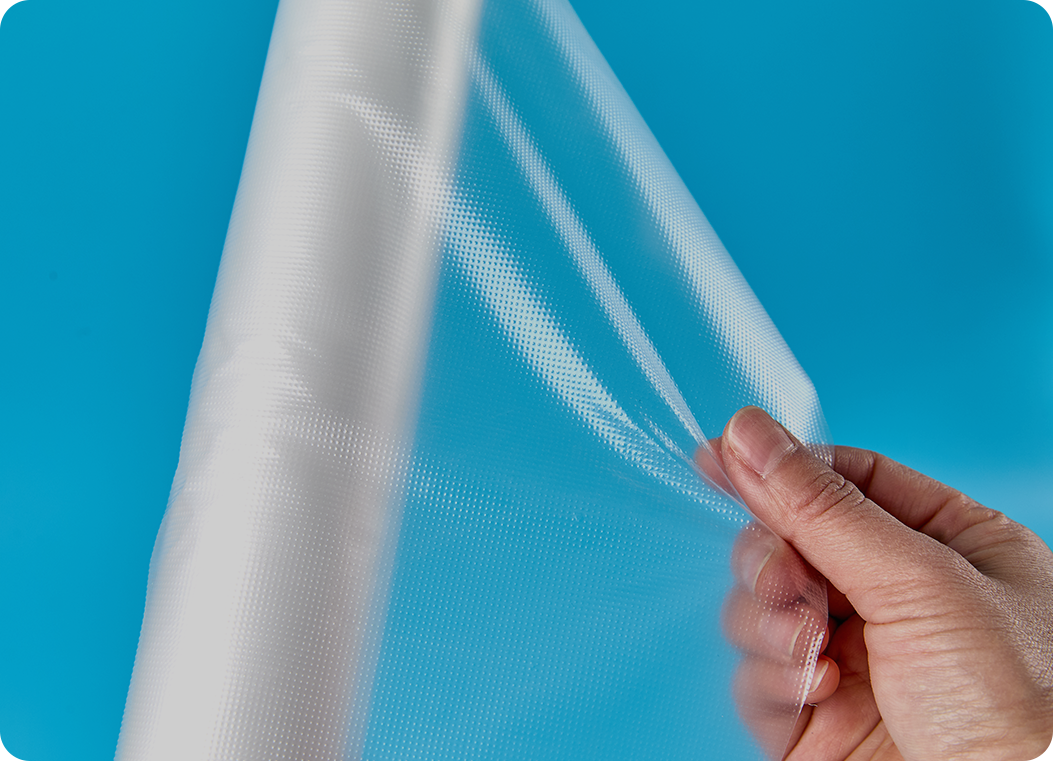
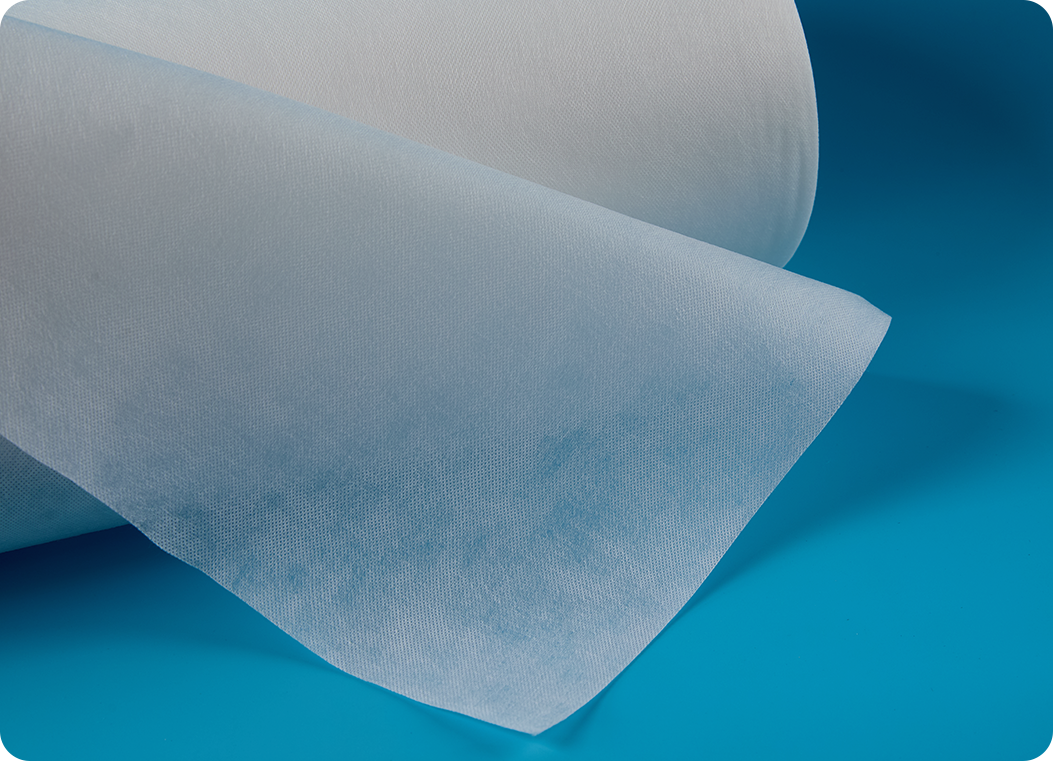
TürkIn the evolving landscape of technical textiles, water-soluble non-woven fabrics represent a pinnacle of functional material science. Often referred to as PVA (Polyvinyl Alcohol) non-wovens, these materials are engineered to maintain structural integrity under dry conditions while disintegrating completely when exposed to specific water temperatures. This unique characteristic makes them indispensable in sectors ranging from precision medical packaging to high-end textile embroidery. Understanding the water-soluble non-woven fabric manufacturing process is essential for engineers who require precise dissolution rates and high tensile strength in their production workflows.
Content
- 1 1. Molecular Composition and Dissolution Mechanics
- 2 2. Advanced Applications in Embroidery and Apparel
- 3 3. Industrial and Environmental Sustainability
- 4 4. Technical Specifications and Quality Control
- 5 5. Conclusion: The Future of Dissolvable Textiles
- 6 Frequently Asked Questions (FAQ)
- 6.1 1. What is the best weight for water-soluble embroidery backing?
- 6.2 2. Is wawater-solubleabric safe for skin and the environment?
- 6.3 3. How to store water-soluble non-woven fabric to prevent damage?
- 6.4 4. Does the water-soluble non-woven fabric manufacturing process use harsh chemicals?
- 6.5 5. Why choose water soluble stabilizer vs tear away for high-end apparel?
- 7 Industry References
1. Molecular Composition and Dissolution Mechanics
The primary polymer used in water soluble non woven fabrics is Polyvinyl Alcohol, a synthetic resin that is both biodegradable and biocompatible. Unlike traditional synthetic fibers that persist in the environment, PVA fibers are designed to break down into carbon dioxide and water through microbial action after dissolution. The dissolution temperature of water-soluble fabric can be fine-tuned during the polymerization process, typically categorized into cold-water soluble (20°C) and hot-water soluble (70°C-90°C) variants. While standard non-wovens rely on mechanical entanglement, water-soluble versions utilize specialized bonding agents that respond to moisture levels.
Comparison: Cold Water vs. Hot Water Soluble Variants
Cold water variants offer immediate disposal convenience, whereas hot water variants provide higher stability in humid industrial environments.
| Property | Cold Water Soluble (20°C) | Hot Water Soluble (>70°C) |
| Dissolution Speed | Instantaneous (under 30 seconds) | Gradual (requires heat) |
| Humidity Resistance | Low (requires sealed storage) | Moderate to High |
| Primary Use | PVA water-soluble stabilizer for embroidery | Infection control bags in hospitals |
2. Advanced Applications in Embroidery and Apparel
For the textile engineer, using a PVA water-soluble stabilizer is the standard method for creating intricate lace and "stand-alone" embroidery designs. The fabric acts as a temporary substrate that supports high-density stitching without puckering. Once the embroidery is complete, a simple wash cycle removes the substrate, leaving only the thread. When evaluating wawater-solubletabilizer vs tear away options, the water-soluble choice is far superior for delicate fabrics where manual tearing might damage the fibers or leave unsightly residues. Furthermore, the best weight for water-soluble embroidery backing depends on the stitch count; higher density designs require a 40gsm to 50gsm fabric to prevent needle perforation issues.
Comparison: Water Soluble vs. Traditional Stabilizers
Water-soluble backings provide a cleaner finish for complex designs, while traditional stabilizers often remain visible or stiffen the final garment.
| Criteria | Water Soluble Non-Woven | Tear-Away/Cut-Away Stabilizer |
| Post-Processing | Zero residue (Clean finish) | Visible edges or internal stiffness |
| Fabric Compatibility | Sheer, lace, and delicate knits | Standard wovens and heavy fabrics |
| Environmental Impact | Fully biodegradable | Often contains non-recyclable synthetics |
3. Industrial and Environmental Sustainability
The rise of eco-friendly water-soluble packaging has propelled PVA non-wovens into the spotlight of green manufacturing. In industrial laundry settings, particularly in healthcare, water-soluble bags made from these fabrics prevent cross-contamination by allowing staff to wash infected linens without direct contact. The bag dissolves entirely in the wash. Additionally, how to store water soluble non woven fabric is a critical technical factor; because these materials are hygroscopic, they must be kept in PE-lined moisture-proof packaging to prevent premature softening. This sensitivity is a trade-off for their biodegradable non-woven material status, which helps manufacturers meet strict ESG (Environmental, Social, and Governance) targets.
4. Technical Specifications and Quality Control
Engineers must focus on the uniformity of the fiber web. A high-quality water soluble non woven fabric should exhibit consistent thickness and a balanced MD/CD (Machine Direction/Cross Direction) tensile ratio. During the water soluble non woven fabric manufacturing process, the extrusion and needle-punching parameters are monitored to ensure that the fabric does not become brittle. For those wondering if water-soluble fabric is safe for skin, high-purity PVA is non-toxic and non-irritating, making it suitable for surgical drapes and hygiene products that require temporary structural integrity followed by easy disposal.
Key Technical Parameters:
- Basis Weight: Typically ranging from 25gsm to 60gsm.
- PH Value: Maintained between 5.0 and 7.0 for chemical stability.
- Residual Residue: Must be less than 1% post-dissolution for high-end textile applications.
- Tensile Strength: Must withstand high-speed automated embroidery needles.
5. Conclusion: The Future of Dissolvable Textiles
As industries move toward zero-waste production, the demand for water soluble non woven fabrics continues to grow. Whether used as a temporary carrier in chemical dosing or as a PVA water-soluble stabilizer in high-fashion lace production, the material's ability to vanish upon command offers a unique solution to complex engineering problems. By optimizing the dissolution temperature of water-soluble fabric and focusing on eco-friendly water-soluble packaging, designers can create products that are both high-performing and environmentally responsible.
Frequently Asked Questions (FAQ)
1. What is the best weight for water-soluble embroidery backing?
For most standard embroidery, 40gsm is recommended. However, for "Free Standing Lace" (FSL) or very high stitch counts, using two layers of 25gsm or a single 50gsm layer provides the best stability to prevent the design from collapsing during the wash-away process.
2. Is wawater-solubleabric safe for skin and the environment?
Yes, medical-grade PVA used in these fabrics is non-toxic and biodegradable. It is safe for skin contact and dissolves into harmless components that are easily processed by standard wastewater treatment systems.
3. How to store water-soluble non-woven fabric to prevent damage?
Storage is critical. These fabrics should be kept in a cool, dry place with a relative humidity below 50%. They should always remain in their original plastic wrapping or a sealed container until the moment of use to prevent atmospheric moisture from causing them to become " sticky.""
4. Does the water-soluble non-woven fabric manufacturing process use harsh chemicals?
The process primarily involves the physical extrusion and bonding of PVA resins. While some additives are used to control the dissolution temperature, the process is generally cleaner than traditional polyester manufacturing, resulting in a more sustainable, biodegradabl,non-wovenen material.
5. Why choose water soluble stabilizer vs tear away for high-end apparel?
Water-soluble stabilizers are preferred because they leave absolutely no physical trace. Tear-away stabilizers can leave small "fuzz" edges around the embroidery, which can be irritating to the skin and visually unappealing on luxury garments.
Industry References
- ISO 9073-3: Textiles — Test methods for nonwovens — Part 3: Determination of tensile strength and elongation.
- EDANA (European Disposables and Nonwovens Association) Sustainability Reports on PVA fibers.
- Journal of Industrial Textiles: ""Ealuation of Polyvinyl Alcohol Non-woven structures in medical applications.""