 English
 中文简体
中文简体 Türk
TürkContent
What Is Hot Melt Adhesive?
Hot melt adhesive is a thermoplastic bonding material that is solid at room temperature and becomes fluid and tacky when heated above its melting point. When applied to a substrate in its molten state and pressed against a second surface, it bonds as it cools and re-solidifies — creating an adhesive joint without the use of water, solvents, or chemical curing agents. The entire bonding cycle, from application to handling strength, typically takes seconds to minutes depending on the formulation and substrate.
The chemistry of hot melt adhesives is built around thermoplastic polymer bases, each selected for specific performance properties. The most widely used base polymers include ethylene-vinyl acetate (EVA), which offers low cost and broad substrate compatibility; polyurethane reactive (PUR), which cross-links after cooling to deliver superior moisture resistance and bond strength; polyamide (PA), which provides high heat resistance and chemical stability; polyolefin (PO), suited to flexible and low-surface-energy substrates; and thermoplastic polyurethane (TPU), known for elasticity and washability. Tackifiers, waxes, and stabilizers are compounded into these bases to tune open time, viscosity, softening point, and flexibility.
Hot melt adhesives are used across virtually every manufacturing sector that requires bonding: packaging, textiles and apparel, footwear, automotive interiors, furniture, electronics, medical devices, bookbinding, and construction. Their solvent-free chemistry makes them attractive from both a process safety and environmental compliance standpoint — hot melts produce no VOC emissions during application, unlike solvent-based adhesive systems that require ventilation, exposure controls, and solvent recovery infrastructure.
What Is Hot Melt Adhesive Film?
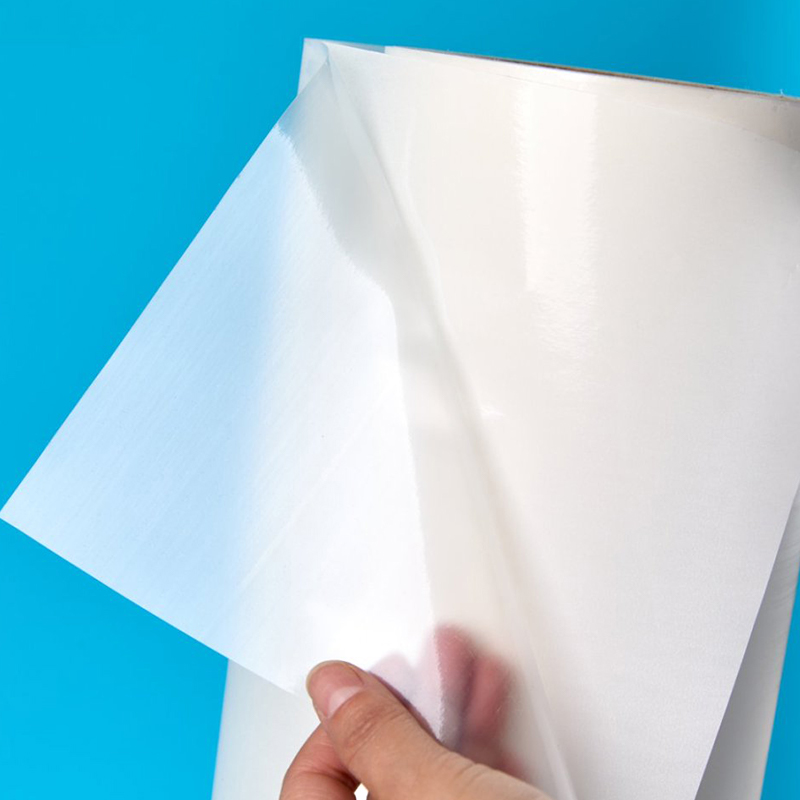
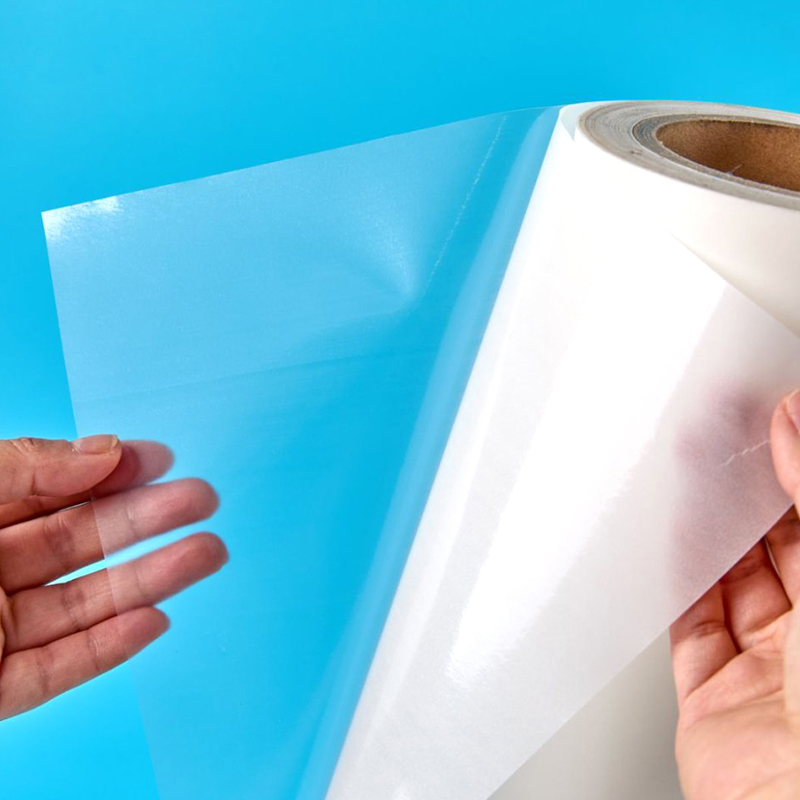
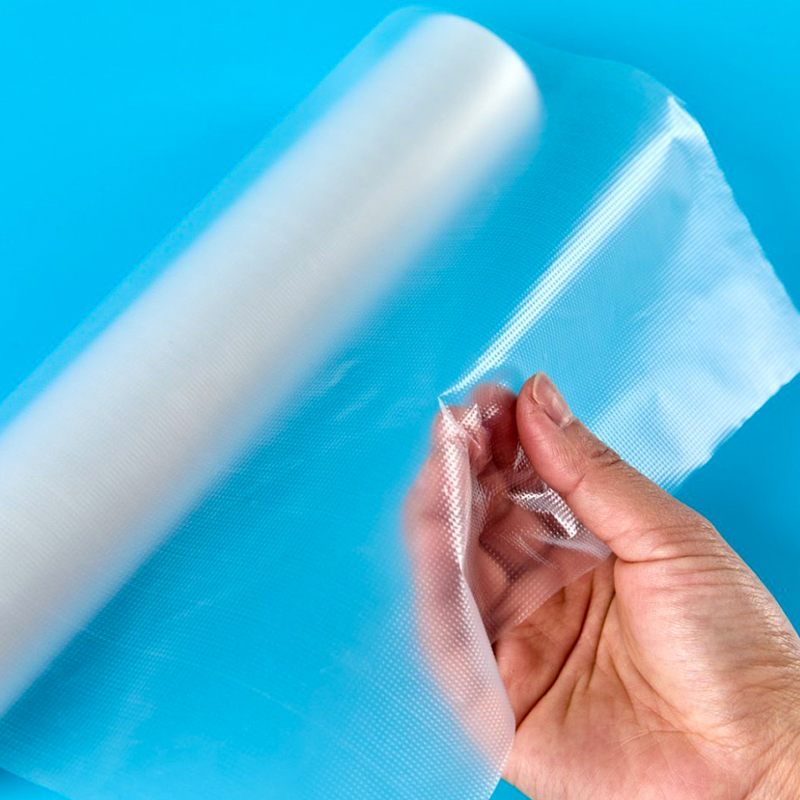
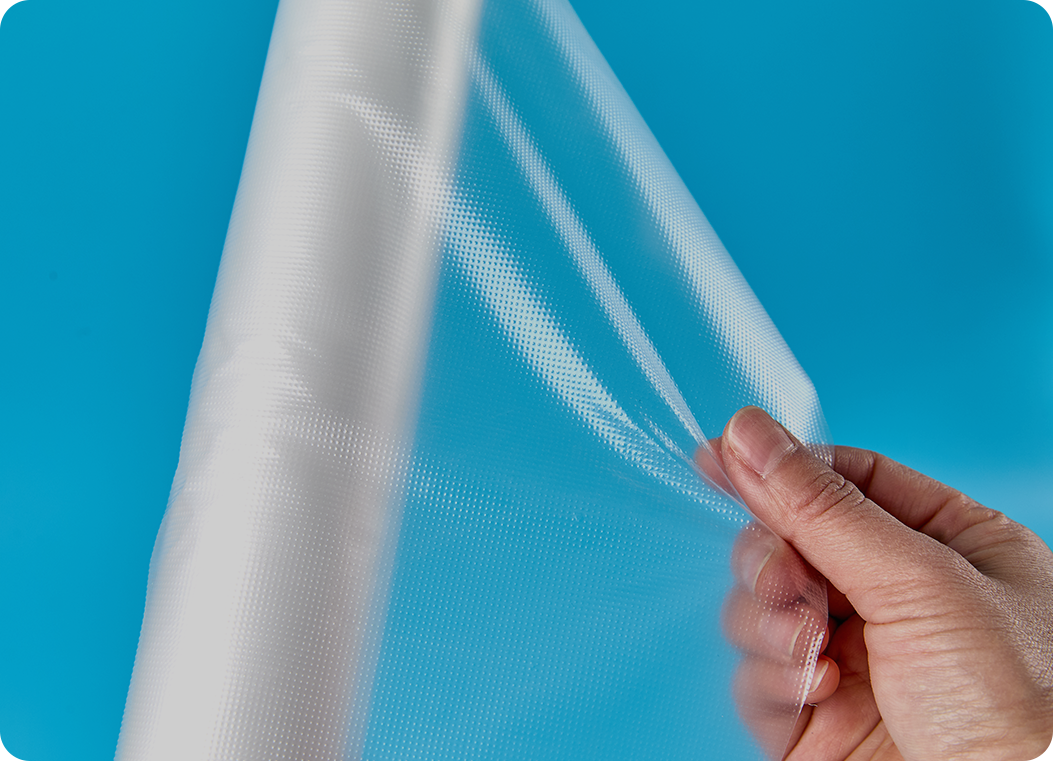
Hot melt adhesive film is hot melt adhesive manufactured and supplied in a pre-formed, flat sheet or roll format rather than as granules, sticks, or applied liquid. The adhesive is cast, extruded, or calendered into a uniform thin film — typically ranging from 0.01 mm to 0.5 mm in thickness — and wound into rolls or cut into sheets for use in lamination and bonding processes.
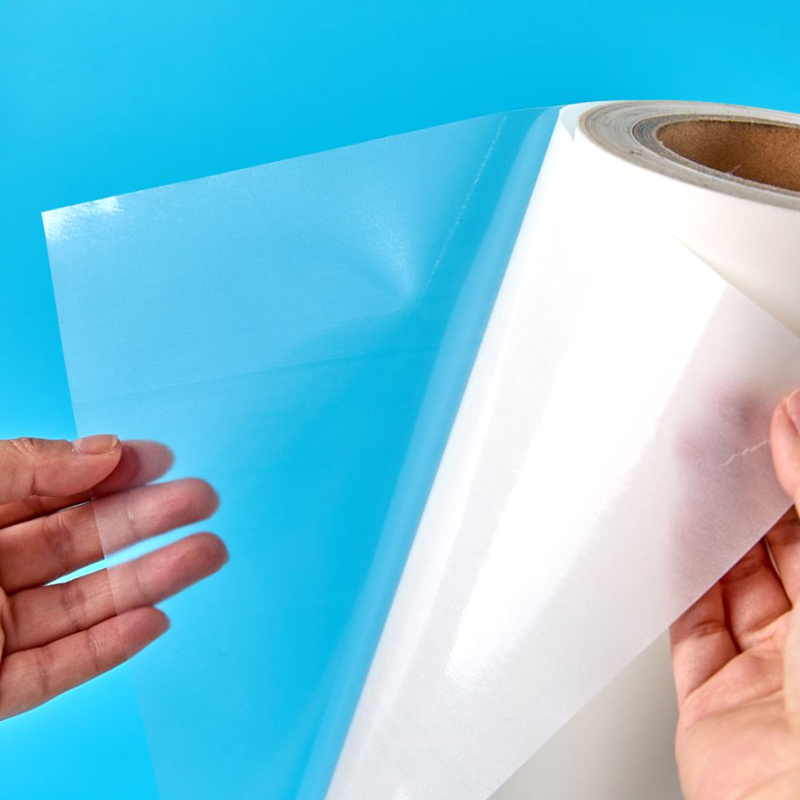
The film format offers a fundamental advantage over liquid or granule forms: it delivers a controlled, uniform adhesive layer of consistent thickness across the entire bond area. Spray-applied or slot-die-coated liquid hot melts are prone to variation in coat weight, particularly at high line speeds or across wide substrates. Film eliminates this variability — every square centimeter of the bond area receives exactly the same adhesive quantity, which translates to consistent peel strength, consistent appearance, and reduced defect rates in production.
Hot melt adhesive films are available in two primary constructions: unsupported film, which is pure adhesive with no carrier layer, and supported film, in which the adhesive is coated onto or laminated with a release liner (typically silicone-treated paper or polyester film) that is removed immediately before use. Some films incorporate a non-woven or woven scrim carrier that remains in the bond, adding dimensional stability and tear resistance to the finished laminate.
Hot Melt Film vs Other Adhesive Film Formats
| Format | Activation Method | Key Advantage | Limitation |
|---|---|---|---|
| Hot melt adhesive film | Heat + pressure | Uniform coat weight; solvent-free; fast bonding | Requires heat source; limited open time |
| Pressure-sensitive adhesive (PSA) film | Pressure only | Instant tack; repositionable grades available | Lower ultimate bond strength than hot melt |
| Reactive adhesive film (e.g. epoxy film) | Heat-triggered chemical cure | Very high strength; structural bonding | Irreversible; higher cost; longer cure cycles |
| Water-activated adhesive film | Moisture | Low cost; paper substrate compatible | Not suitable for moisture-sensitive substrates |
How Hot Melt Adhesive Film Works
Activation of hot melt adhesive film requires two inputs applied simultaneously or in sequence: heat to melt the adhesive above its softening point, and pressure to ensure intimate contact between the molten adhesive and both substrate surfaces. The specific temperature, pressure, and dwell time required depend on the polymer chemistry of the film, the thermal conductivity of the substrates, and the target bond strength.
In industrial lamination, hot melt films are typically processed through one of three equipment types. Flatbed heat presses apply uniform temperature and pressure across the full surface area simultaneously — suited to cut pieces, shaped components, and applications requiring precise dwell time control. Continuous calender or lamination lines feed roll materials through heated rollers at controlled speed and nip pressure, allowing high-throughput lamination of textiles, films, and foils. Autoclave bonding uses pressurized heat chambers for complex three-dimensional components, commonly used in aerospace and advanced composites applications.
Once heat is applied and the adhesive melts, it flows into the surface texture and pores of both substrates — a process called wet-out. Good wet-out maximizes the contact area between adhesive and substrate at a molecular level, which is the primary driver of bond strength. As the assembly cools below the adhesive's solidification temperature, the polymer chains re-entangle and lock, creating a rigid or semi-rigid bond depending on the formulation. PUR hot melt films undergo a secondary moisture-triggered cross-linking reaction after initial cooling, developing final bond strength over 24–72 hours and producing joints that are significantly more resistant to heat, humidity, and chemical exposure than non-reactive hot melt bonds.
Key Processing Parameters
- Activation temperature: Typically 80°C–160°C depending on polymer type. EVA films activate at lower temperatures (80–120°C); polyamide and PUR films require 120–160°C.
- Press pressure: Usually 2–5 bar for flatbed applications; nip pressure on calender lines is set by roller gap and line tension.
- Dwell time: Ranges from 5 seconds (thin films on conductive substrates) to 60+ seconds (thick laminates or low-conductivity materials like foam).
- Cooling: Applying cooling pressure after the heat cycle — either through cooled platens or ambient nip rollers — prevents the laminate from delaminating or warping as the adhesive solidifies.
Applications of Hot Melt Adhesive Film by Industry
Hot melt adhesive films are specified across a wide range of industries wherever clean, uniform, solvent-free bonding of layered materials is required.
Textiles and Apparel
Textile lamination is one of the largest application areas for hot melt adhesive film. Films are used to bond functional layers in performance fabrics — membrane-to-fleece lamination in waterproof outerwear, bonding of interlinings to shell fabrics in tailored garments, and seam sealing in technical apparel. TPU and PUR films dominate this segment because of their flexibility, washability, and compatibility with stretch fabrics. In seamless garment construction, hot melt bonding films replace stitching entirely in visible seam areas, producing clean-finished edges that are both aesthetically superior and structurally sound after repeated washing cycles.
Footwear
Hot melt films bond toe caps, heel counters, reinforcement patches, and decorative overlays to footwear uppers without the solvent adhesives traditionally used in shoe manufacturing. PUR reactive films are particularly valued here for their resistance to flex fatigue — the bond must survive millions of bending cycles over the product's life without delaminating.
Automotive Interiors
Dashboard covers, door panel laminates, headliners, seat fabric bonding, and carpet attachment in automotive interiors are routinely produced using hot melt adhesive films. The automotive environment demands adhesives that maintain bond integrity across temperature cycles from −40°C winter cold to 100°C+ dashboard surface temperatures in summer sun exposure. Polyamide and high-softening-point PUR films are specified for these applications due to their thermal stability.
Electronics and Technical Assembly
In electronics manufacturing, hot melt adhesive films bond display assemblies, attach protective films to panels, secure battery cells, and laminate flexible circuits to rigid substrates. Thin-gauge films in the 0.025–0.1 mm range are used where bond line thickness must be minimized to avoid affecting component clearances or display optics. Electrically conductive hot melt films — loaded with metal particles or conductive carbon — are used in specific applications requiring both adhesion and electrical conductivity across the bond line.
Packaging and Graphic Arts
Soft-touch lamination films applied to printed packaging, book covers, and promotional materials use hot melt adhesive layers to bond tactile surface films to paperboard or rigid substrates. The clarity and low activation temperature of EVA-based films make them well-suited to applications where optical quality and substrate heat sensitivity are constraints.
Selecting the Right Hot Melt Adhesive Film
Choosing the correct hot melt film for an application requires evaluating five primary factors: substrate compatibility, required bond strength, service temperature range, flexibility requirements, and washability or chemical resistance needs.
- EVA films are the lowest-cost option and suit general-purpose bonding of paper, cardboard, non-woven fabrics, and low-demand textile applications. They soften at relatively low temperatures and are not suitable for applications exposed to sustained heat above 60–70°C.
- TPU films are the standard choice for stretch textile lamination, sportswear, and any application requiring the bond to flex repeatedly without cracking. They are wash-resistant and offer good chemical resistance.
- PUR reactive films deliver the highest bond strength and best resistance to heat, moisture, and chemicals among hot melt film types. They are the correct choice for structural bonding, footwear, automotive, and demanding textile applications — but require careful handling as the cross-linking reaction begins once the film is exposed to atmospheric moisture.
- Polyamide films are selected when high softening point (typically 130–180°C) and good adhesion to technical substrates including metals, rigid plastics, and glass are required. Common in automotive and electronics bonding.
- Polyolefin films bond well to low-surface-energy plastics such as polyethylene and polypropylene that are difficult to adhere with most other adhesive chemistries — making them the default choice for packaging applications involving PE or PP films and containers.
Film thickness selection is equally important. Thinner films (0.025–0.05 mm) minimize bond line visibility and add-on weight, making them suited to optical, apparel, and lightweight technical applications. Thicker films (0.1–0.5 mm) provide higher adhesive mass for filling surface irregularities on rough or porous substrates, and offer greater peel resistance where the bond will be subjected to sustained mechanical stress.