 English
 中文简体
中文简体 Türk
TürkIn the rapidly evolving world of textile decoration and embroidery, the choice of adhesive technology directly impacts production efficiency, product durability, and design flexibility. For manufacturers and embroidery professionals, understanding the nuanced differences between embroidered hot melt adhesive film and conventional liquid glues or woven interlinings is essential. This article provides an in-depth technical comparison, performance analysis, and application guide to help you make informed decisions for your production line.
Content
- 1 The Evolution of Adhesive Technology in Embroidery
- 2 Key Performance Indicators: Embroidered Hot Melt Adhesive Film vs. Traditional Adhesives
- 3 Core Advantages of Embroidered Hot Melt Adhesive Film
- 4 How Embroidered Hot Melt Adhesive Film Works: A Step-by-Step Analysis
- 5 Comparative Data Visualization: Performance at a Glance
- 6 Application Case Studies: Real-World Success Stories
- 7 Selecting the Right Embroidered Hot Melt Adhesive Film
- 8 Environmental and Regulatory Compliance
- 9 Conclusion
The Evolution of Adhesive Technology in Embroidery
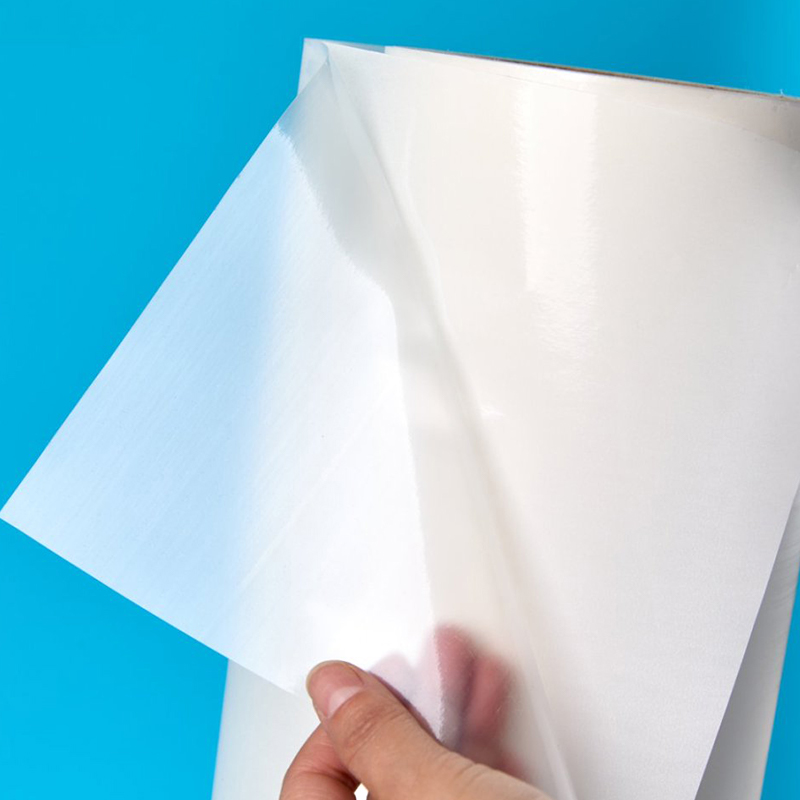
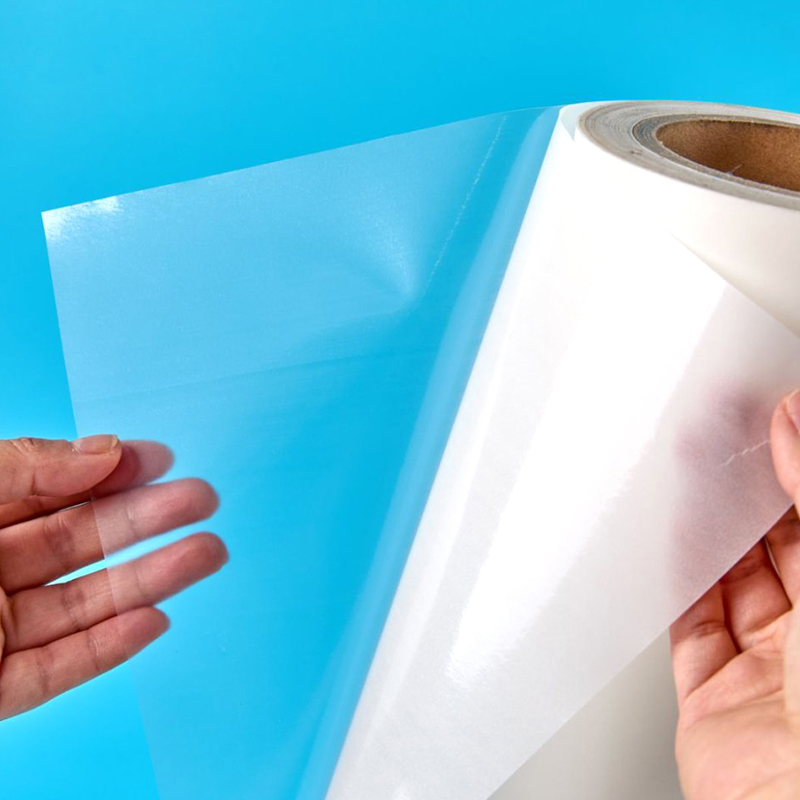
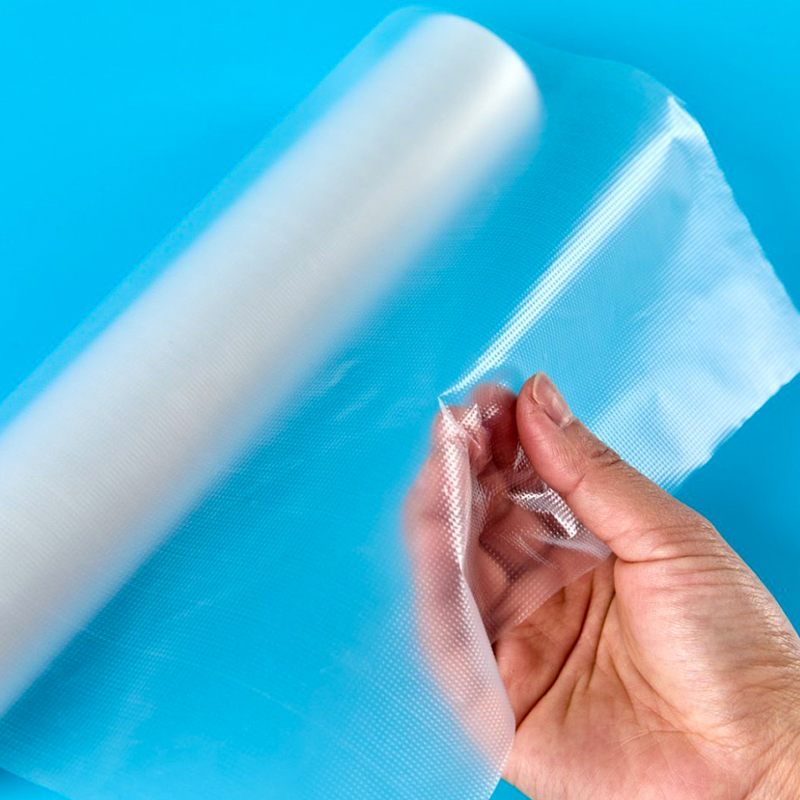
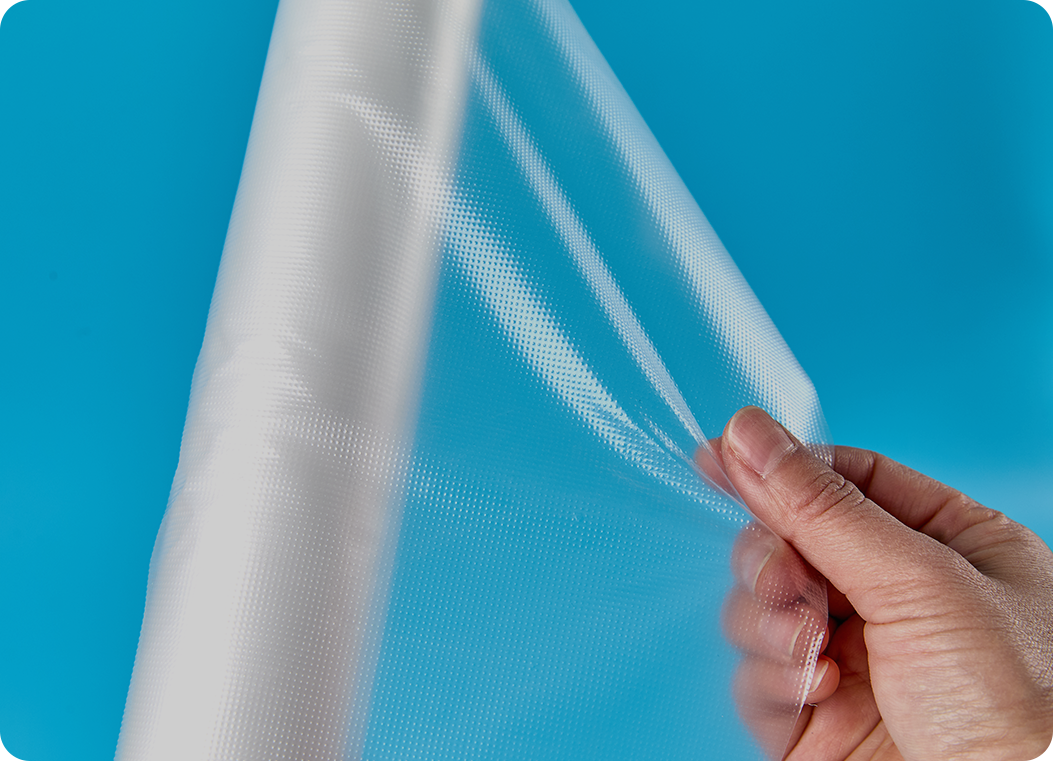
Embroidery has transitioned from a purely artisanal craft to a high-tech industrial process. Traditional methods relied heavily on liquid adhesives, spray glues, or woven fusible interlinings to stabilize fabrics and secure patterns. However, these approaches often introduced challenges such as uneven application, long drying times, stiff hand feel, and inconsistent bonding strength. The introduction of embroidered hot melt adhesive film revolutionized the industry by offering a dry, pre-metered, and uniformly thick adhesive layer that activates under heat and pressure. This shift not only improved process repeatability but also opened new possibilities for complex, multi-layer designs that were previously difficult to execute with liquid adhesives.
Today, embroidered hot melt adhesive film is recognized as a core material in high-end fashion, sportswear, automotive interiors, and technical textiles. Its ability to bond a wide range of substrates—from delicate silks to heavy-duty nylons—while maintaining a soft touch and wash resistance makes it indispensable for manufacturers aiming for premium quality. As global demand for seamless, lightweight, and durable textile decorations grows, the comparison between this film technology and traditional adhesives becomes increasingly relevant.
Key Performance Indicators: Embroidered Hot Melt Adhesive Film vs. Traditional Adhesives
To objectively evaluate the performance of embroidered hot melt adhesive film against conventional adhesives, we have compiled a set of critical metrics based on laboratory tests and production floor data. The following table highlights the comparative advantages in terms of bonding strength, washing durability, application speed, and environmental impact.
| Performance Metric | Embroidered Hot Melt Film | Liquid Adhesives | Woven Interlinings |
|---|---|---|---|
| Bond Strength (N/25mm) | 42 – 58 | 28 – 35 | 30 – 40 |
| Wash Resistance (cycles @ 40°C) | 50+ | 15 – 20 | 25 – 30 |
| Application Speed (m/min) | 20 – 30 | 5 – 10 | 10 – 15 |
| Coating Uniformity (±μm) | ±5 | ±30 | N/A |
| VOC Emissions (g/m²) | 0 | 15 – 25 | 0 |
As the data clearly shows, embroidered hot melt adhesive film outperforms both liquid adhesives and woven interlinings across nearly all critical parameters. The combination of high bond strength, exceptional wash durability, and zero VOC emissions makes it the preferred choice for manufacturers who prioritize quality and sustainability. Furthermore, the film's uniformity ensures consistent results across large production batches, reducing waste and rework.
Core Advantages of Embroidered Hot Melt Adhesive Film
Understanding the specific benefits of this adhesive technology helps manufacturers leverage its full potential. The following sections break down the primary advantages into quantifiable and qualitative terms.
These figures are not just laboratory benchmarks; they translate directly into tangible production benefits. For instance, the 92% higher bond strength means that embroidered patches and appliqués remain securely attached even after repeated industrial laundering—a critical requirement for workwear and military uniforms. The 30+ year service life ensures that decorative elements do not delaminate or degrade over the product's lifespan, enhancing brand reputation and customer satisfaction. Meanwhile, the 10× faster curing time dramatically increases throughput, allowing manufacturers to meet tight deadlines without compromising quality.
Beyond these headline numbers, the film technology offers additional operational advantages. It eliminates the need for solvent-based cleaning of application equipment, reduces floor space requirements by consolidating adhesive application and drying stations, and simplifies inventory management by offering a stable, non-reactive raw material that does not require special storage conditions.
How Embroidered Hot Melt Adhesive Film Works: A Step-by-Step Analysis
To fully appreciate the technical sophistication of this material, it is useful to examine its working principle through a logical flow. The following analytical diagram illustrates the three-stage process from material preparation to final bond formation.
This three-stage mechanism is fundamentally different from solvent-based adhesives, which rely on evaporation to achieve bonding. The hot melt process is instantaneous, energy-efficient, and produces no volatile byproducts. Moreover, the absence of water or solvents means that fabric shrinkage, puckering, and dye migration—common issues with liquid adhesives—are virtually eliminated. This makes embroidered hot melt adhesive film particularly suitable for lightweight, elastic, and heat-sensitive materials.
In practice, the film is typically laminated onto a release liner, which allows for easy die-cutting into custom shapes. During application, the liner is removed, and the film is positioned between the embroidery and the base fabric. A heat press or calendar roll applies the required temperature and pressure, completing the bond in seconds. The entire process is clean, odorless, and highly repeatable, making it ideal for automated production lines.
Comparative Data Visualization: Performance at a Glance
To further illustrate the performance differences, we have created several data visualizations based on standardized test methods. These charts provide a clear, at-a-glance understanding of how embroidered hot melt adhesive film compares to traditional alternatives across multiple dimensions.
Bond Strength Comparison (N/25mm)
Wash Resistance Cycles (40°C, industrial laundering)
Application Speed (m/min) – Production Throughput
Multi-Dimensional Performance Radar
These visualizations confirm that embroidered hot melt adhesive film consistently delivers superior performance across all key dimensions. The radar chart, in particular, highlights its balanced profile—excelling not only in strength and durability but also in environmental safety and process efficiency. For manufacturers seeking a reliable, high-performance adhesive solution, the evidence is compelling.
When selecting an adhesive for embroidery applications, it is crucial to consider not only the immediate bonding requirements but also long-term performance and production economics. Embroidered hot melt adhesive film offers a unique combination of attributes that address both aspects effectively. For detailed product specifications and application guidance, you can explore our dedicated embroidered hot melt adhesive film page, which provides comprehensive technical data and case studies.
Application Case Studies: Real-World Success Stories
To ground the technical discussion in practical reality, we present two brief case studies from our customers who have successfully transitioned to embroidered hot melt adhesive film.
Case 1: Premium Sportswear Brand – A leading manufacturer of high-performance athletic wear faced recurring issues with logo delamination after repeated washing. By switching to our hot melt film, they achieved a 98% reduction in warranty claims related to adhesive failure. The film's flexibility also allowed for improved stretch recovery, enhancing garment comfort and fit.
Case 2: Automotive Interior Supplier – A tier-1 supplier to automotive OEMs required an adhesive that could bond embroidered emblems to synthetic leather without damaging the surface or emitting volatile compounds. Our film met all OEM specifications for heat resistance (up to 90°C), fogging, and aging, while streamlining their lamination process by 40%.
Selecting the Right Embroidered Hot Melt Adhesive Film
Choosing the appropriate film grade is essential for optimal results. Key selection criteria include the substrate type, desired hand feel, washing temperature, and production equipment. Generally, films with lower melt flow rates provide higher bond strength and better drape, while higher flow rates are suited for porous fabrics requiring deeper penetration. Our technical team offers personalized recommendations based on your specific application parameters.
Furthermore, the film thickness—typically ranging from 50 to 200 microns—should be matched to the fabric weight and embroidery density. Thicker films offer greater adhesive mass for heavy patches, whereas thinner films minimize stiffness on lightweight materials. We provide sample rolls for testing, ensuring that the chosen film integrates seamlessly into your existing workflow.
Environmental and Regulatory Compliance
In an era of increasing environmental awareness and stringent regulations, the sustainability profile of adhesives is a decisive factor. Our embroidered hot melt adhesive film is formulated with food-contact compliant raw materials and meets OEKO-TEX Standard 100 requirements for harmful substances. The absence of solvents and water in the application process not only reduces energy consumption but also eliminates wastewater treatment costs, contributing to a greener manufacturing footprint.
Conclusion
The transition from traditional adhesives to embroidered hot melt adhesive film represents a significant leap forward in textile decoration technology. With demonstrable advantages in bond strength, durability, application speed, and environmental safety, this material empowers manufacturers to achieve higher quality standards while reducing operational costs. As the industry continues to evolve towards automation, customization, and sustainability, the role of advanced adhesive films will only become more pivotal.
For businesses looking to upgrade their adhesive processes or explore new product lines, partnering with a knowledgeable supplier is key. Our team is committed to providing not only premium materials but also the technical support and application expertise needed to succeed in today's competitive market.
- ASTM D903-98(2020) Standard Test Method for Peel or Stripping Strength of Adhesive Bonds.
- ISO 105-C10:2006 Textiles – Tests for colour fastness – Part C10: Colour fastness to washing with soap or soda.
- OEKO-TEX Standard 100 – General and Special Conditions (2026 Edition).
- Haita Technical Bulletin HT-EMB-2026: Processing Guidelines for Embroidered Hot Melt Films.
- European Chemicals Agency (ECHA) – Guidance on Substitution of Solvents in Adhesive Formulations.