
 English
 中文简体
中文简体 Türk
TürkContent
- 1 The Expanding Role of Water Soluble Film Applications
- 2 PVA Water Soluble Film for Packaging as a Biodegradable Alternative
- 3 Dissolvable Film for Detergent Pods and Laundry Applications
- 4 Water Soluble Film for Chemical and Agricultural Packaging
- 5 Single Dose Packaging Film Solutions: Precision Without Plastic Waste
- 6 Soluble Film Packaging Materials: Matching Grade to Application
The Expanding Role of Water Soluble Film Applications
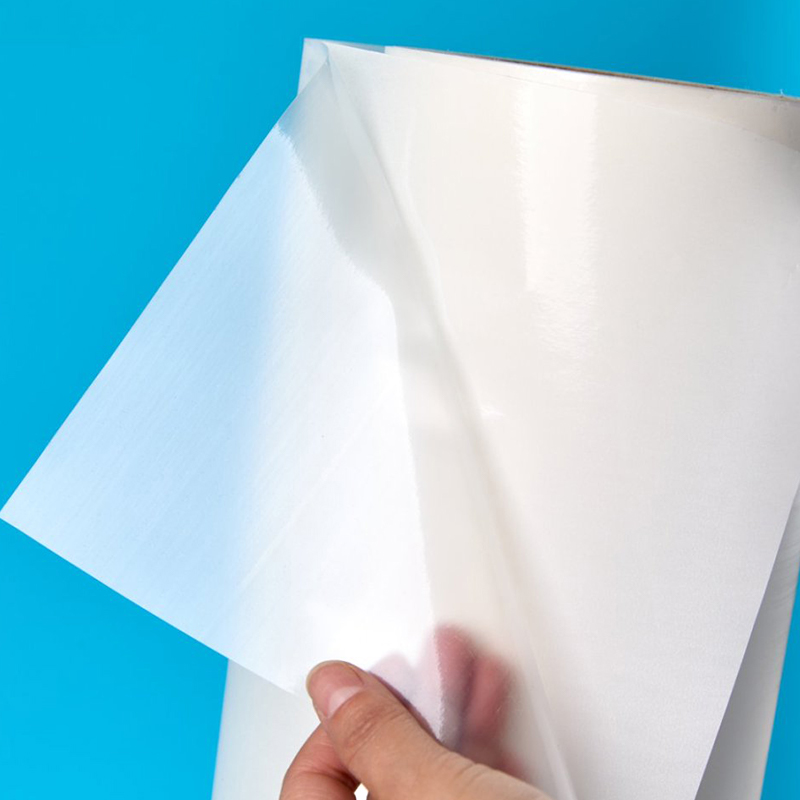
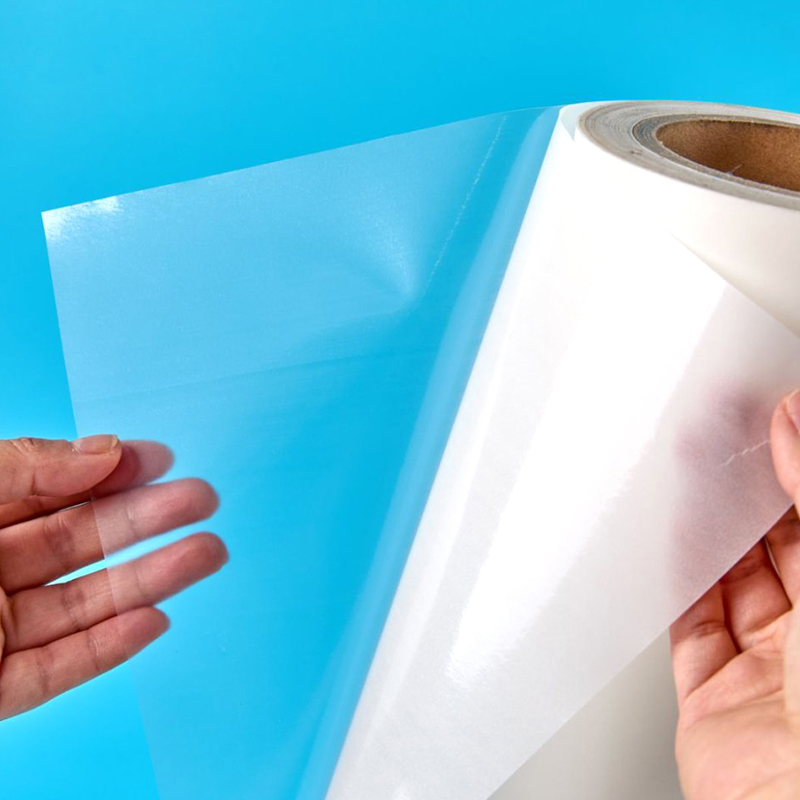
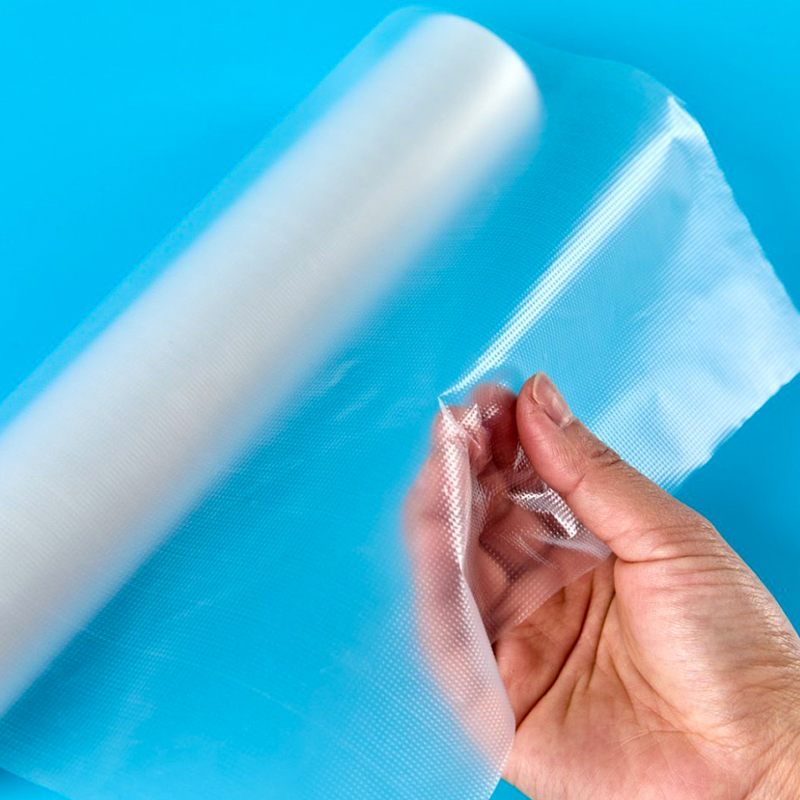
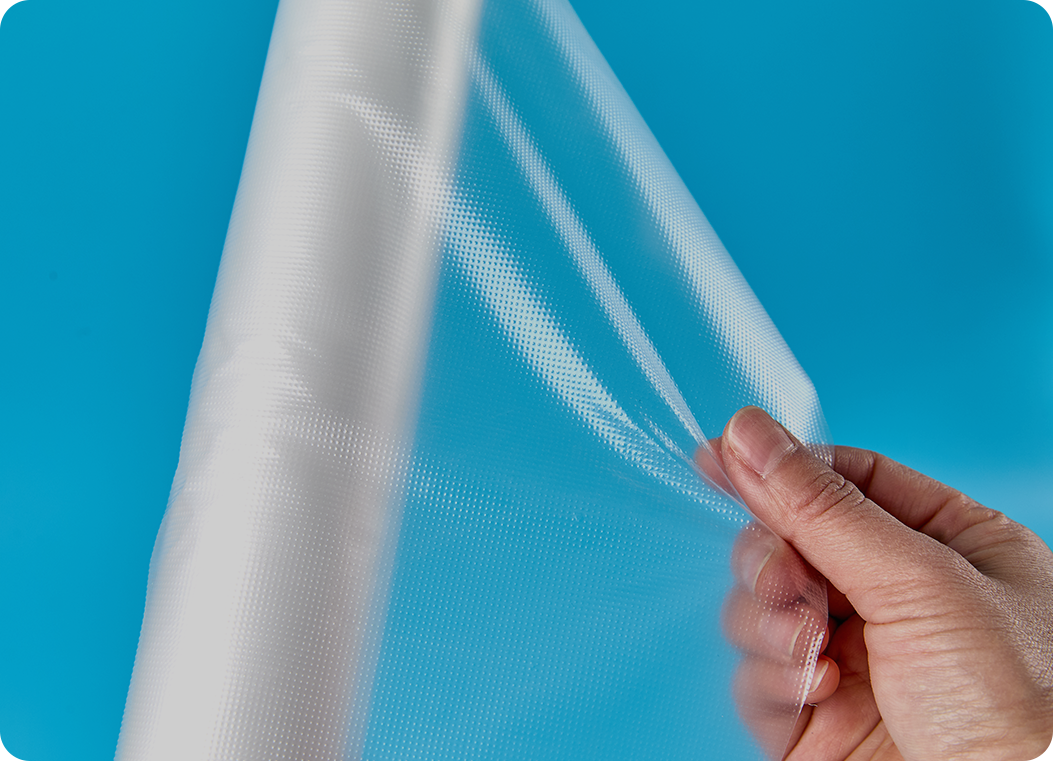
Water soluble film applications have reshaped how manufacturers approach single-use packaging, chemical handling, and consumer convenience. At the core of this shift is polyvinyl alcohol (PVOH/PVA), a synthetic polymer that dissolves completely in water and biodegrades into harmless compounds. Unlike conventional plastics that persist for centuries, PVA water soluble film for packaging leaves no microplastic residue when processed in wastewater treatment or natural aquatic environments.
The key strength of water soluble packaging film lies in its ability to protect the contents until the moment of use, then disappear without additional waste. This has made it the default choice for unit-dose detergents, agrochemical pre-measured packs, and even hospital laundry bags that isolate contaminated linens. From factory floors to household laundry rooms, the material works across hot, warm, and cold water scenarios depending on the specific PVA grade and film thickness selected.
PVA Water Soluble Film for Packaging as a Biodegradable Alternative
The demand for biodegradable water soluble packaging film is accelerating as regulators and consumers push back against single-use plastics. Traditional flexible packaging made from polyethylene or polypropylene lingers in landfills for centuries. In contrast, PVA films dissolve at end-of-life and the remaining polyvinyl alcohol molecules are mineralized by bacteria commonly found in water treatment plants. This makes them one of the most credible eco friendly packaging film alternatives available today.
However, biodegradability depends on proper formulation. Not every film labeled "soluble" degrades at the same rate. Cold-water-soluble grades containing specific plasticizers will still break down, but hot-water-soluble types designed for industrial use often need elevated temperatures to trigger full dissolution and subsequent biodegradation. When specifying water soluble packaging film for eco-conscious products, verifying certification such as TÜV OK biodegradable or OECD 301B ready biodegradability provides confidence that the film will not accumulate in ecosystems.
Dissolvable Film for Detergent Pods and Laundry Applications
The most visible use of water soluble film is undoubtedly in laundry and dishwasher pods. Dissolvable film for detergent pods must balance two demanding requirements: remain intact through high-humidity storage and handling, yet rupture and dissolve completely within seconds of contacting wash water. PVA films formulated with precise hydrolysis levels (typically 85–92 mol%) achieve this by staying strong in dry or damp air but dissolving rapidly once submerged and agitated.
PVA film for laundry pods now handles far more than simple detergent powder. Modern multi-chamber pods using water soluble pouch film separate incompatible ingredients — enzymes, bleach, softeners — into individual compartments that burst sequentially. This single-dose format eliminates over-pouring and guarantees consistent cleaning performance. The film itself is dosed at around 1–1.5 grams per pod, a tiny fraction of the detergent weight, and dissolves without leaving sticky residues on clothes or machine seals.
Water Soluble Film for Chemical and Agricultural Packaging
Industrial and agricultural sectors present some of the strongest use cases for soluble films precisely because they remove direct human contact with hazardous substances. Water soluble film for chemical packaging allows factories to drop pre-weighed bags of powdered dyes, cement additives, or water treatment chemicals directly into mixing tanks. The bag dissolves, workers avoid inhaling dust, and there is no contaminated plastic waste to dispose of afterward.
In crop protection, water soluble film for agricultural chemicals is transforming application safety. Wettable powder pesticides and growth regulators sealed in PVA bags can be tossed straight into sprayer tanks without measuring or opening pouches. The film dissolves during tank filling, minimizing operator exposure and ensuring the exact pre-measured dose reaches the field. This same principle powers single dose packaging film solutions across veterinary pharmaceuticals, concrete admixtures, and pool treatment chemicals — wherever precise dosing and zero handling risk are non-negotiable.
Single Dose Packaging Film Solutions: Precision Without Plastic Waste
Single dose packaging film solutions built on PVA technology do more than simplify portion control. They eliminate the need for secondary plastic measuring scoops, reduce product overuse, and cut shipping weight compared to rigid bottles. A typical liquid detergent bottle contains up to 30% water by weight; moving the same active formula into compact pods wrapped in water soluble pouch film shrinks package volume by roughly 50%, directly lowering transport emissions.
The format also improves safety in settings where children or untrained personnel might access concentrated chemicals. A pod that cannot be resealed after opening acts as a built-in child-resistant feature — especially when combined with a bitterant layer in the film. As a result, eco friendly packaging film alternatives based on soluble PVA are steadily replacing mini-dose plastic bottles in travel toiletries, personal care samples, and even instant beverage powders, blending convenience with a clear end-of-life path.
Soluble Film Packaging Materials: Matching Grade to Application
Not all soluble film packaging materials behave the same way. PVA-based films differ in dissolution temperature, mechanical strength, and oxygen barrier properties depending on molecular weight and plasticizer content. Selecting the right grade requires balancing the film's shelf stability against its speed of dissolution in the intended use environment.
| Film Type | Dissolution Temp. | Typical Applications | Key Advantage |
|---|---|---|---|
| Cold water soluble (CW) | 5–20°C | Laundry pods, detergent packs, fishing bait bags | Rapid dissolution in cool water |
| Warm water soluble (WW) | 25–40°C | Agrochemical bags, dye packaging, cement additives | High humidity resistance in storage |
| Hot water soluble (HW) | 60–90°C | Industrial chemical packs, hospital laundry bags | Mechanical durability before immersion |
| Biodegradable hybrid film | Varies | Single-dose personal care, eco-conscious consumer packaging | Certified soil and marine biodegradation |
A robust fpv brushless motor selection guide isn't complete without considering the load side, and the same systems-thinking applies here. When evaluating water soluble film for chemical packaging or any biodegradable water soluble packaging film, always review the dissolution time, thickness tolerance, and seal strength under your specific filling and storage conditions. The most sustainable film is the one that works perfectly on the first try, eliminating product waste and rework.